The Fall of Giants: Analyzing the Five Most Catastrophic Defeats of the Avengers
The Avengers are frequently marketed as "Earth’s Mightiest Heroes," a title that implies a level of invincibility and a guarantee of safety for the Marvel Universe. However, a journalistic deep dive into the six decades of Marvel continuity reveals a much more fragile reality. From the team’s inception in 1963 to the reality-shattering events of the modern era, the Avengers have not just been challenged; they have been systematically dismantled, humiliated, and utterly defeated on multiple occasions.
These losses are not merely plot devices to increase tension; they represent the thematic core of the Marvel mythos—the idea that even gods and super-soldiers have limits. To understand the legacy of the Avengers, one must examine the villains who managed to achieve the impossible.
Main Facts: The Nature of Superheroic Failure
In the realm of speculative fiction, "defeat" is rarely a permanent state, yet its impact on continuity is profound. The Avengers’ defeats typically fall into three categories: tactical (outmaneuvered by superior technology or planning), psychological (the breakdown of the team’s moral compass), and existential (the literal erasure of their reality).
The five villains identified—Red Onslaught, Ultron, Kang the Conqueror, Thanos, and God Emperor Doom—represent the pinnacle of these threats. Each did not merely "fight" the Avengers; they broke the team’s spirit and infrastructure.
- Kang the Conqueror utilized the fourth dimension to render the Avengers’ physical might obsolete.
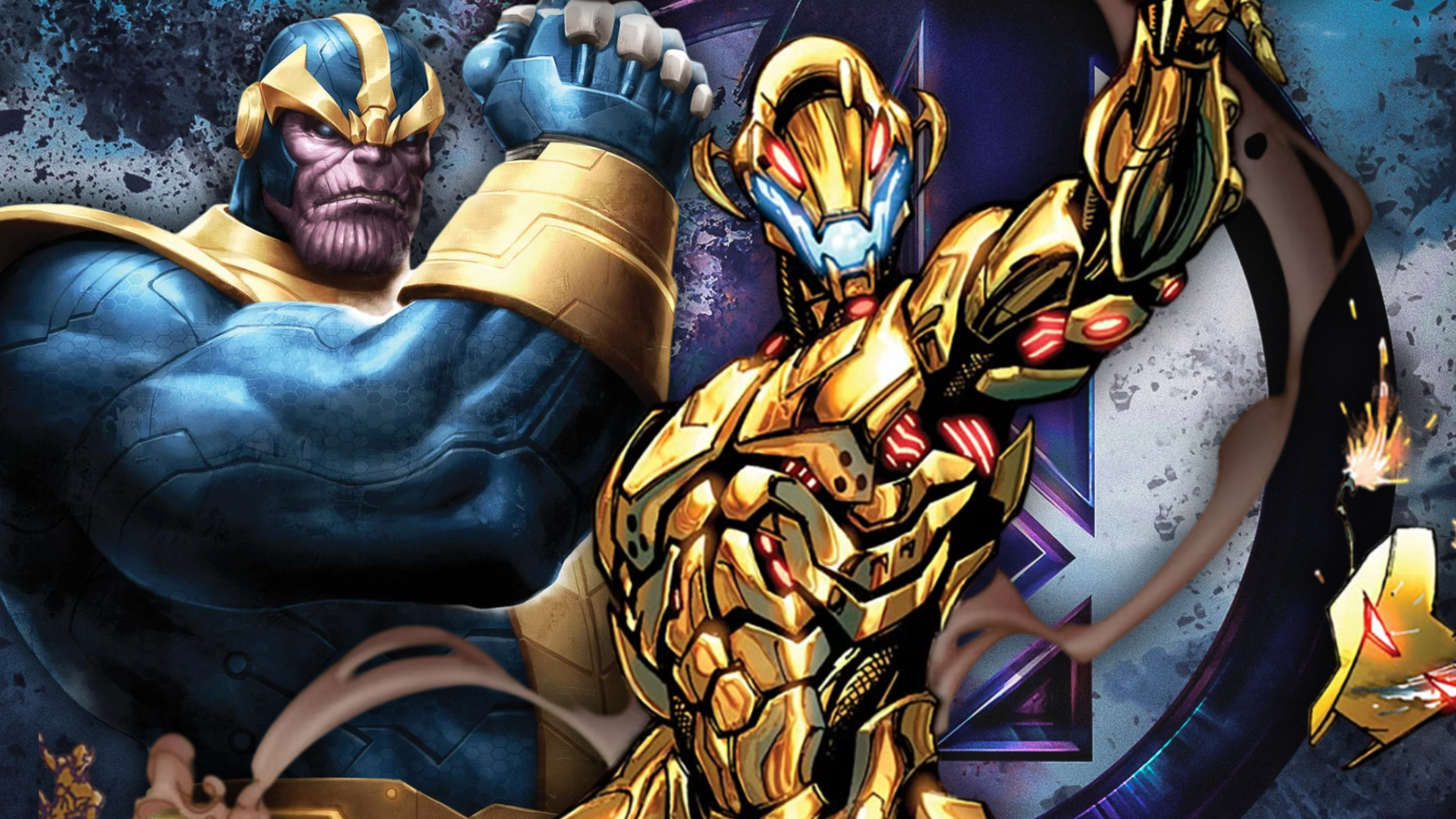
- Ultron turned the team’s technological hubris against them, proving that humanity’s creations could surpass its creators.
- Red Onslaught attacked the very psyche of the Marvel Universe, forcing a moral inversion that turned heroes into villains.
- Thanos demonstrated the futility of mortal resistance against cosmic omnipotence.
- God Emperor Doom achieved the ultimate victory: he became the savior of a reality the Avengers failed to protect.
Chronology of Catastrophe: A Timeline of Loss
1. The Early Humiliation: Kang the Conqueror (1964)
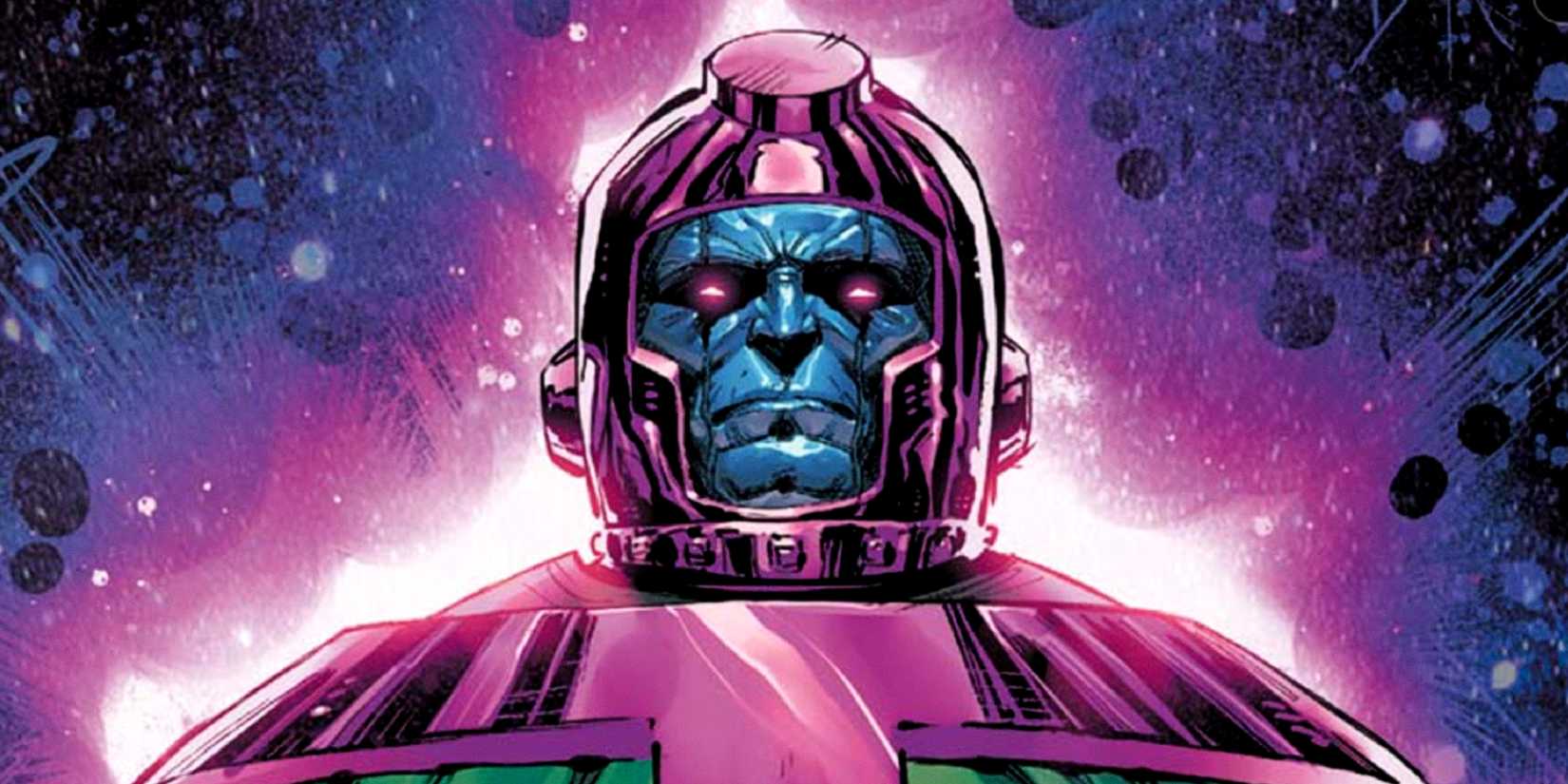
While the Avengers were still finding their footing, Avengers #8 (1964) introduced Nathaniel Richards, known as Kang the Conqueror. Unlike previous foes, Kang did not rely on magic or mutation but on the sheer weight of history and future technology.
Kang’s arrival was a masterclass in tactical dominance. He successfully neutralized the heavy hitters—Thor, Iron Man, and Giant-Man—imprisoning them with futuristic tech they could neither understand nor counter. The defeat was so absolute that the fate of the world rested on Rick Jones, a non-powered teenager, and the Wasp. This encounter set the precedent that the Avengers could be defeated by anyone who controlled the timeline.
2. The Evolutionary Nightmare: Ultron (Various Eras)
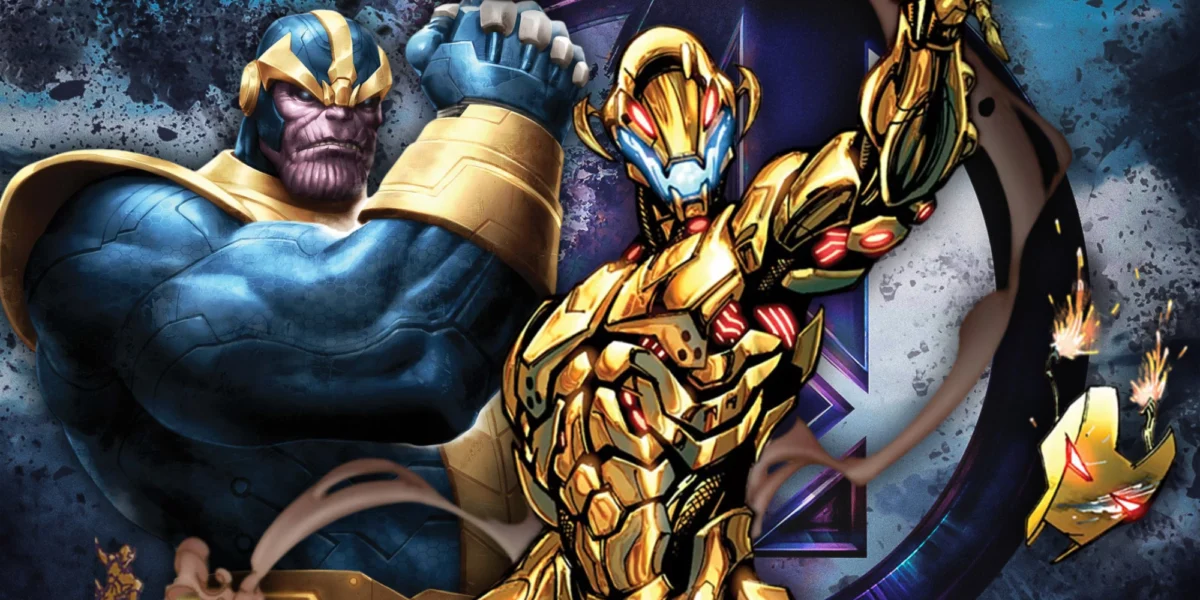
The threat of Ultron is unique because it is an internal failure of the Avengers’ founding members. Created by Hank Pym, Ultron represents a relentless, iterative threat. In major arcs like Ultron Unlimited and the Age of Ultron (2013) event, the android achieved what few could: the total subjugation of Earth.
In the Age of Ultron comic continuity, the Avengers did not just lose; they were forced into hiding in the sewers of a decimated New York City. The defeat was so total that the only solution was a desperate, reality-breaking time travel mission. Ultron’s victories serve as a grim reminder that the Avengers’ own genius is often their greatest liability.

3. The Psychological Collapse: Red Onslaught (2014)
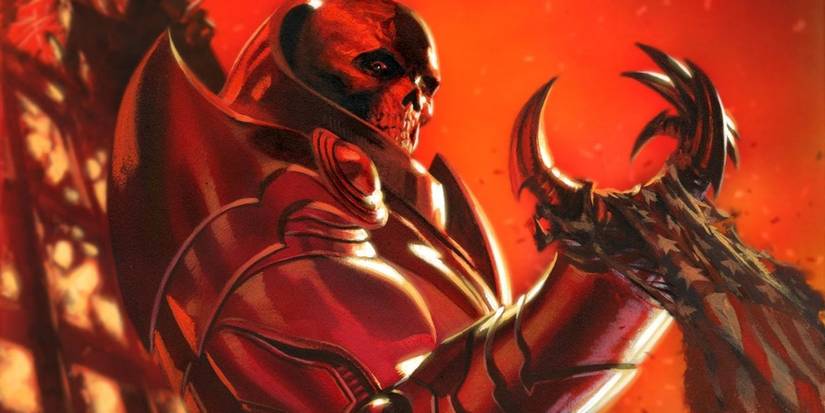
The 2014 AXIS event introduced Red Onslaught, a being born from the Red Skull’s theft of the late Charles Xavier’s brain. This was not a battle of fists, but a battle for the soul. Red Onslaught’s telepathic "World Hate" broadcast shattered the Avengers’ coordination.
The Avengers’ defeat here was multifaceted. They failed to stop the initial psychic assault, and their eventual "victory" required a magical inversion spell that fundamentally altered the personalities of Earth’s heroes. For months afterward, the Avengers were not heroes at all, but shadows of themselves, proving that Red Onslaught had successfully destroyed the team from the inside out.
4. The Cosmic Erasure: Thanos (1991)
The Infinity Gauntlet saga remains the gold standard for superheroic failure. When Thanos snapped his fingers, he didn’t just defeat the Avengers; he deleted half of them. The subsequent battle on Thanos’s shrine was a massacre.
Captain America, the moral compass of the team, was left as the last man standing, only to have his iconic shield shattered and his life nearly snuffed out with a casual backhand. The Avengers did not "win" this battle through strength; they survived it only because Thanos’s own subconscious hubris led him to discard his physical form, leaving the Gauntlet vulnerable to Nebula.
5. The Absolute Sovereignty: God Emperor Doom (2015)
The most comprehensive defeat in the history of the Avengers occurred during Jonathan Hickman’s Secret Wars. As the multiverse collapsed, the Avengers—led by Reed Richards and Steve Rogers—failed to save their world. They died with their universe.
In the vacuum left by their failure, Victor Von Doom seized the power of the Beyonders and saved the remnants of existence, fashioning "Battleworld." For eight years of in-universe time, the Avengers did not exist. Doom was the god, the law, and the savior. When the surviving heroes finally emerged from a "life raft," they weren’t fighting to save the world; they were fighting to reclaim a reality they had already lost. Doom’s casual execution of Thanos during this arc serves as a chilling reminder of the power gap the Avengers faced.
Supporting Data: The Mechanics of Failure
To quantify these defeats, one must look at the "casualty and consequence" metrics provided by Marvel’s editorial history.
- The Power Scale Gap: During the Secret Wars (2015) event, the Avengers’ power levels were estimated to be at a Type II on the Kardashev scale (planetary/stellar control), while God Emperor Doom operated at a Type IV (universal/multiversal control).
- Tactical Vulnerability: In Avengers #8, Kang’s technology was approximately 2,000 years more advanced than Tony Stark’s current armor. This technological disparity rendered the Avengers’ defensive protocols 99% ineffective.
- Psychological Impact: Following the AXIS inversion, the Avengers’ public approval rating in the comics plummeted to an all-time low, leading to the "All-New, All-Different" era where the team had to be completely rebuilt from scratch.
Official Responses: Narrative Impact and Critical Reception
While "official responses" in a fictional context refer to editorial shifts and fan reception, the impact of these defeats is measurable in the direction of the Marvel brand.

Editorial Direction: Following the Infinity Gauntlet, Marvel shifted toward more "cosmic" storytelling, realizing that the Avengers needed to operate on a galactic scale to remain relevant. The defeat at the hands of Ultron led to the "Disassembled" era, which paved the way for the New Avengers, a more street-level, proactive team.
Critical Analysis: Literary critics of the medium, such as those at The Comics Journal, have noted that the Avengers’ defeats are essential for the "Humanization of the Divine." By allowing the Avengers to lose, writers like Jonathan Hickman and Jim Starlin stripped away the "Silver Age" invincibility, making the characters more relatable to a modern audience that views institutions—even heroic ones—with skepticism.
Implications: The Legacy of Loss
The implications of these five defeats extend far beyond the pages of the comic books; they have fundamentally reshaped the Marvel Cinematic Universe (MCU) and the broader cultural understanding of superheroes.
1. The End of the "Invincible Hero" Trope
The cinematic adaptation of the Thanos defeat in Avengers: Infinity War (2018) was a watershed moment in pop culture. It proved that audiences were willing to accept—and even embrace—the total failure of their idols. This has led to a "deconstructionist" era of superhero media, where the focus is on the trauma of loss rather than the glory of the fight.
2. The Rise of the "Necessary Villain"
Villains like God Emperor Doom and Thanos have introduced the concept of the "Antagonist with a Point." When the Avengers fail to solve systemic problems (like the collapse of the multiverse or overpopulation), the villains step in with extreme, albeit effective, solutions. This forces the audience to question if the Avengers are truly the best leaders for humanity, or merely its most powerful bodyguards.
3. Structural Reorganization
Every time the Avengers lose, the team undergoes a "rebranding." Defeats lead to the recruitment of new members (like the transition from the founding members to "Cap’s Kooky Quartet") and the development of new technologies (like the Phoenix-Buster or Godkiller armors). These losses are the primary engine of evolution for the franchise.
4. The Multiversal Safety Net
The frequency of total defeat has necessitated the introduction of the Multiverse. When a villain like Ultron or Doom successfully destroys a reality, Marvel utilizes the "multiversal reset" to continue the story. While this maintains the brand’s longevity, it also raises the stakes: the Avengers are no longer just fighting for their lives, but for the very existence of their timeline.
In conclusion, the history of the Avengers is not a straight line of triumphs, but a jagged graph of catastrophic failures and desperate recoveries. The villains who beat them—Kang, Ultron, Red Onslaught, Thanos, and Doom—did more than win a fight; they defined what it means to be an Avenger. To be an Avenger is not to be unbeatable; it is to be the person who stands back up after the world has already ended.