The New Electric Vanguard: A Definitive Review of the Vehicles Redefining the Road
The global automotive landscape is currently undergoing its most significant transformation since the introduction of the assembly line. As the industry pivots away from internal combustion engines (ICE), the latest crop of electric vehicles (EVs) is no longer merely attempting to replicate the traditional driving experience—they are actively seeking to surpass it. From physics-defying performance SUVs and ultra-luxury people movers to nimble, urban "Kei cars," the diversity of the current EV market has reached a critical tipping point.
This report evaluates six groundbreaking vehicles that represent the pinnacle of current electric engineering. These models—ranging from the high-performance Hyundai Ioniq 6 N to the utilitarian yet opulent Mercedes-Benz VLE—demonstrate that the "one-size-fits-all" era of early EV adoption is over.
Main Facts: The Pillars of the Electric Revolution
The current state of the EV market is defined by three primary technological pillars: emotional engagement, ultra-fast charging infrastructure, and the democratization of luxury tech.
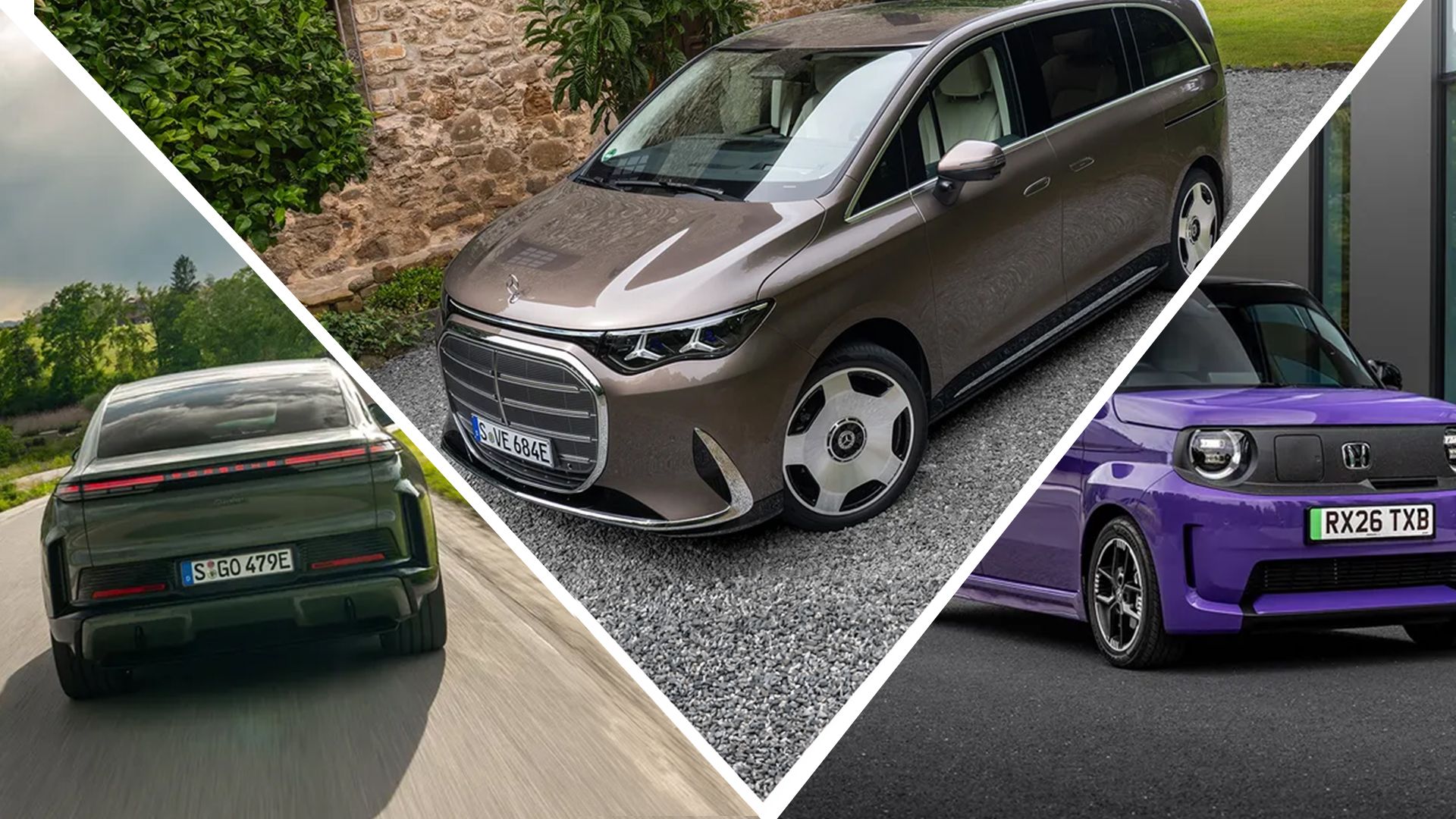
The vehicles highlighted in this analysis showcase extreme ends of the spectrum. At the top end, the Porsche Cayenne Turbo Electric shatters performance records with over 1,100 horsepower, while the Honda Super-N brings a minimalist, lightweight approach to urban mobility. Meanwhile, brands like Kia and Cupra are focusing on the "missing middle"—affordable, stylish, and technologically dense vehicles designed to bring the mass market into the electric fold.
Key Performance Benchmarks:
- Highest Power: Porsche Cayenne Turbo Electric (1,156 hp).
- Fastest Charging: Porsche Cayenne Turbo Electric (390 kW) and Hyundai Ioniq 6 N (350 kW).
- Longest Range: Mercedes-Benz VLE 300 (435 miles WLTP).
- Lightest Curb Weight: Honda Super-N (1,097 kg).
Chronology: The Evolution of the Specialized EV
To understand the significance of these six models, one must look at the chronological shift in EV development over the last three years.
- 2022-2023: The Era of the Generalist. Manufacturers focused on high-riding crossovers with large batteries to combat range anxiety. The goal was parity with ICE vehicles in terms of utility.
- Early 2024: The Performance Pivot. Brands began exploring the limits of electric motors. Hyundai’s "N" division and Porsche’s "Turbo" electrification proved that EVs could offer soul and engagement, not just linear speed.
- Late 2024-2026: The Diversification Phase. The current market, as seen in the release of the Honda Super-N and Kia EV2, shows a move toward "right-sizing." Manufacturers are now building specific tools for specific tasks—compact city cars, dedicated track sedans, and luxury mobile offices.
Supporting Data: An In-Depth Analysis of the Standout Models
1. Hyundai Ioniq 6 N: The Emotional Performance Benchmark
The Hyundai Ioniq 6 N represents a masterclass in software engineering. While many EVs feel clinical, the Ioniq 6 N uses "N e-Shift" and "N Active Sound+" to simulate the visceral feedback of a dual-clutch transmission and a high-revving engine.
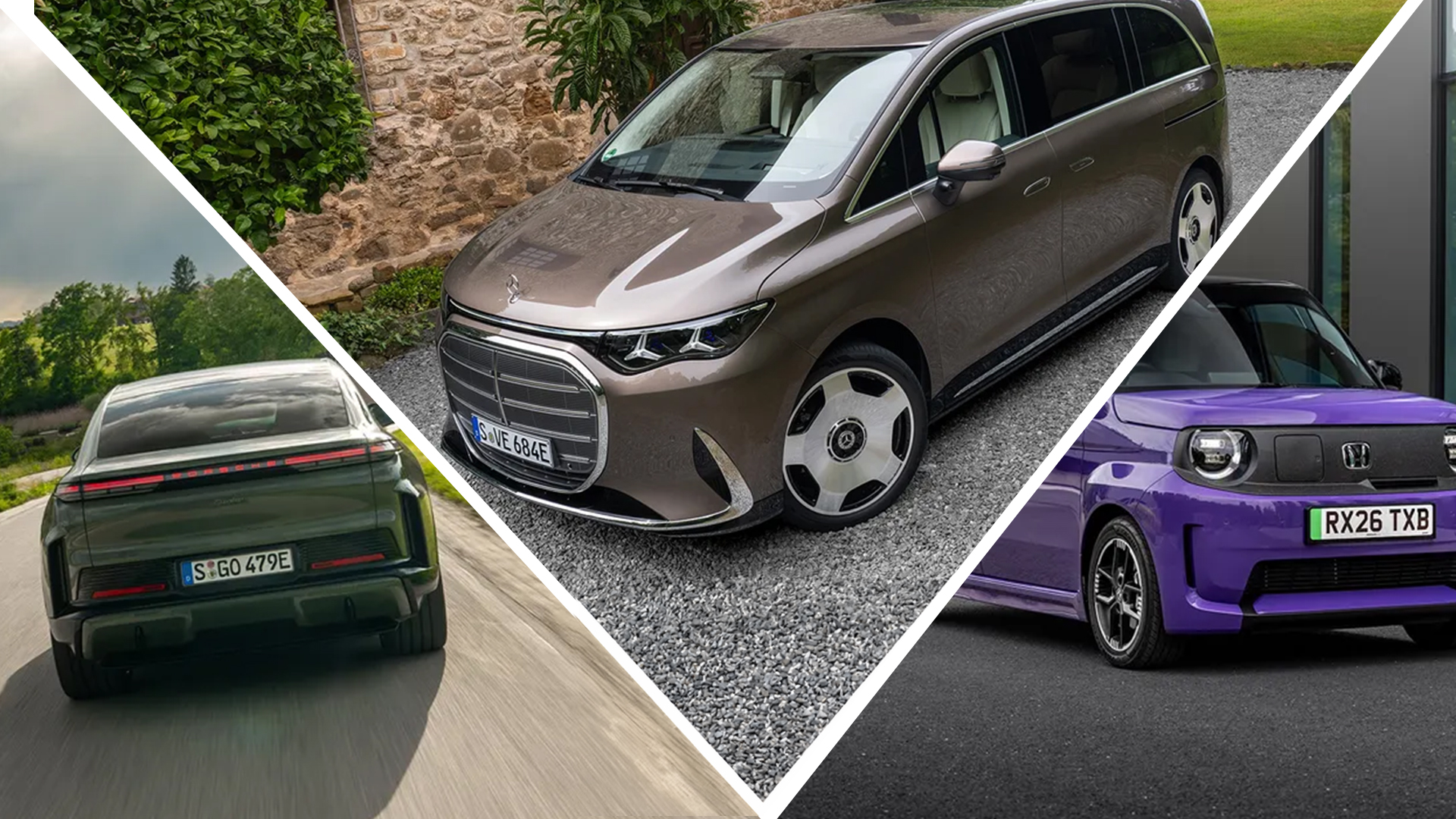
- Drivetrain: 650 hp and 770 Nm of torque.
- Performance: 0-62 mph in 3.2 seconds.
- Dynamics: A lower center of gravity and revised suspension geometry make it more composed than the Ioniq 5 N, positioning it as a mature, long-distance performance sedan.
- Efficiency: Despite the power, it maintains a respectable 291-mile WLTP range and utilizes a world-leading 800V architecture for 350 kW charging.
2. Kia EV2: Democratizing the "Big Car" Experience
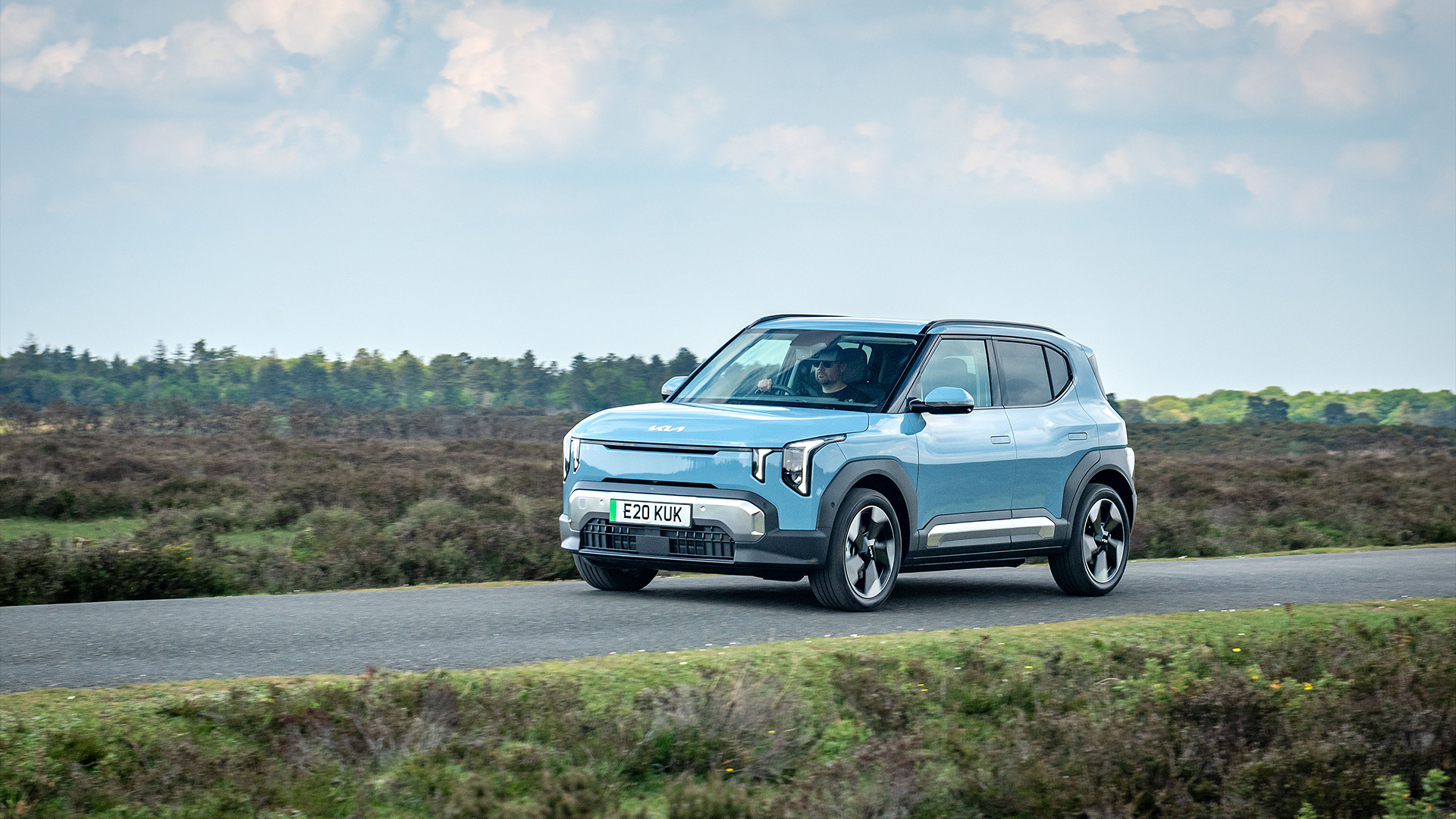
At just over four meters in length, the Kia EV2 is a testament to the "shrink ray" philosophy. It takes the sophisticated technology found in the flagship EV9 and packages it into an accessible, urban-friendly footprint.
- Interior Tech: A triple-screen infotainment setup that rivals luxury German sedans.
- Practicality: The Long Range variant is designed to break the "city car" stigma, offering enough range for inter-city travel, supported by a 10-80% charge time of under 30 minutes.
- Market Position: It serves as a direct challenge to the idea that small cars must be low-tech.
3. Cupra Raval: The Electric Hot Hatch Reborn
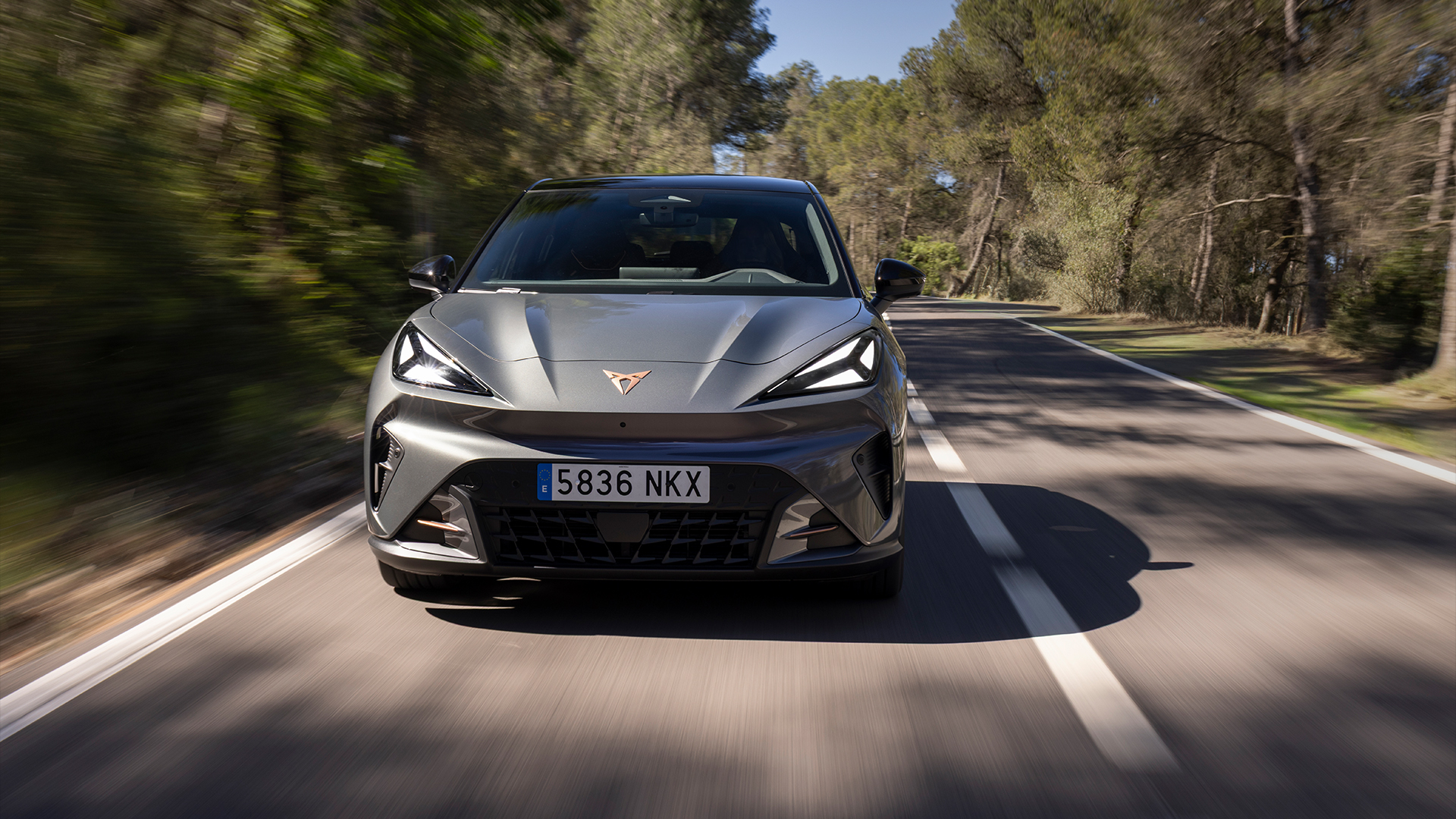
The Cupra Raval VZ proves that the "hot hatch" spirit can survive the transition to electricity. It focuses on agility and "squat" proportions rather than outright top speed.
- Output: 222 bhp delivered through the front wheels.
- Driver Engagement: Includes Adjustable Dynamic Chassis Control (DCC) and a "Cupra Mode" for maximum grip.
- Sustainability & Efficiency: It achieves roughly 4.5 miles per kWh, a high efficiency rating that allows for a smaller, lighter 52 kWh battery while still providing over 200 miles of real-world range.
4. Porsche Cayenne Turbo Electric: Defying the Laws of Physics
The Cayenne Turbo Electric is currently the most powerful production Porsche ever made. It serves as a laboratory for the brand’s most advanced chassis and charging technologies.
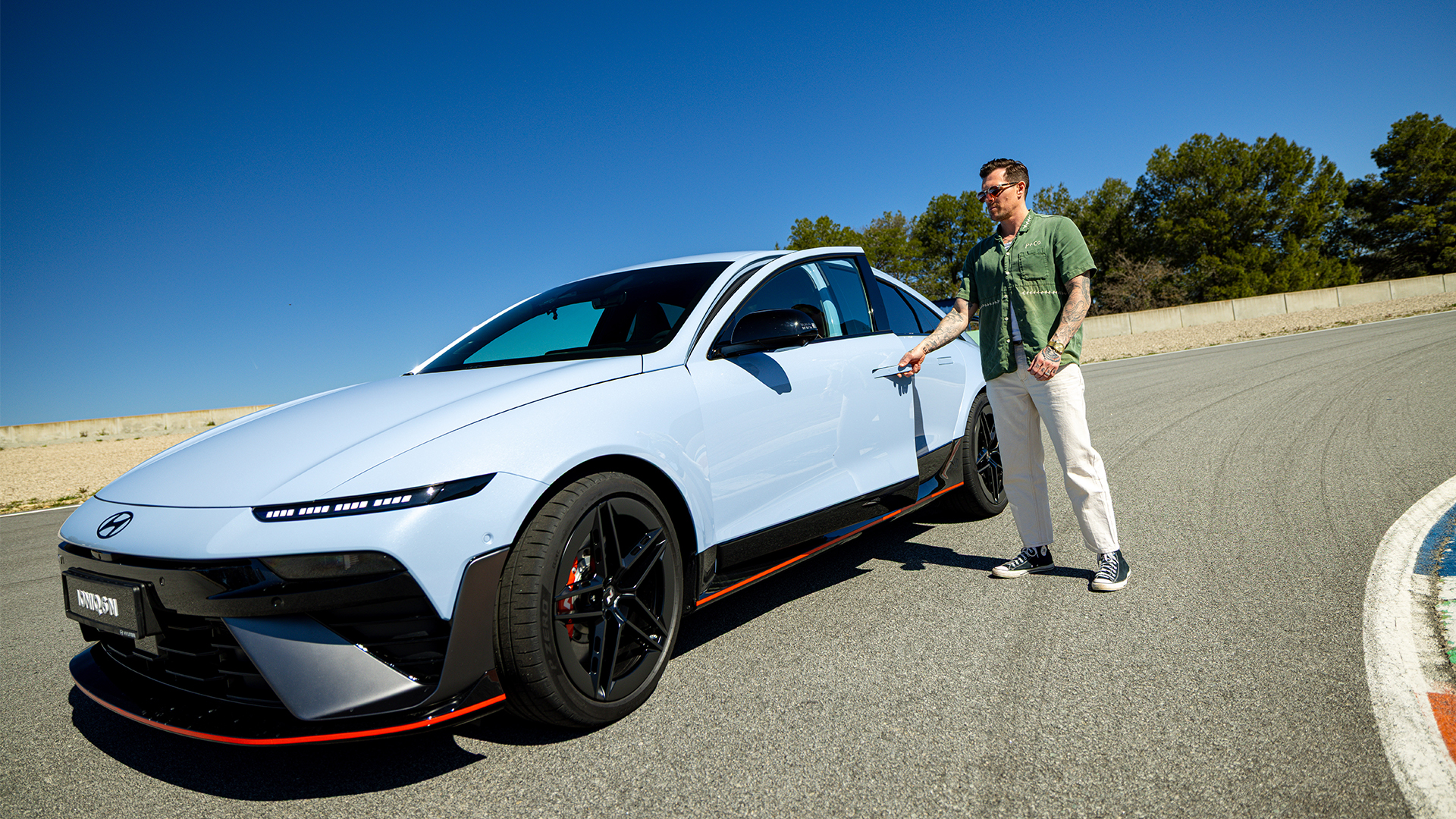
- Power: Up to 1,156 hp with Launch Control.
- Speed: A 0-62 mph time of 2.5 seconds and a top speed of 162 mph.
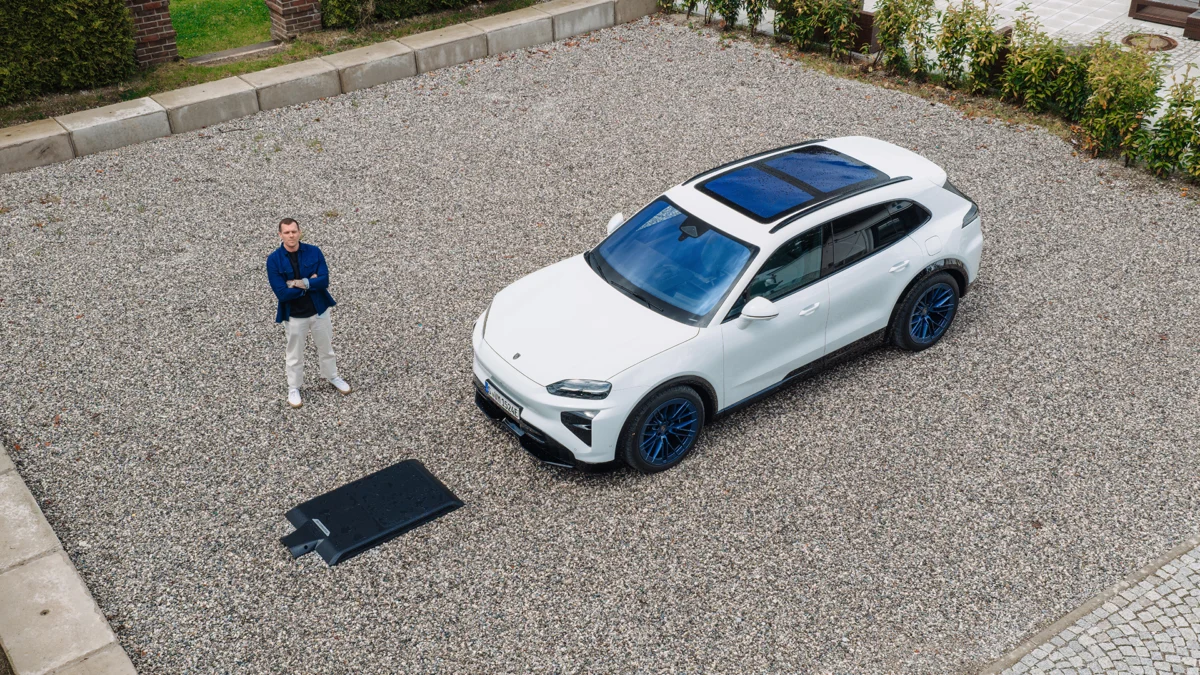
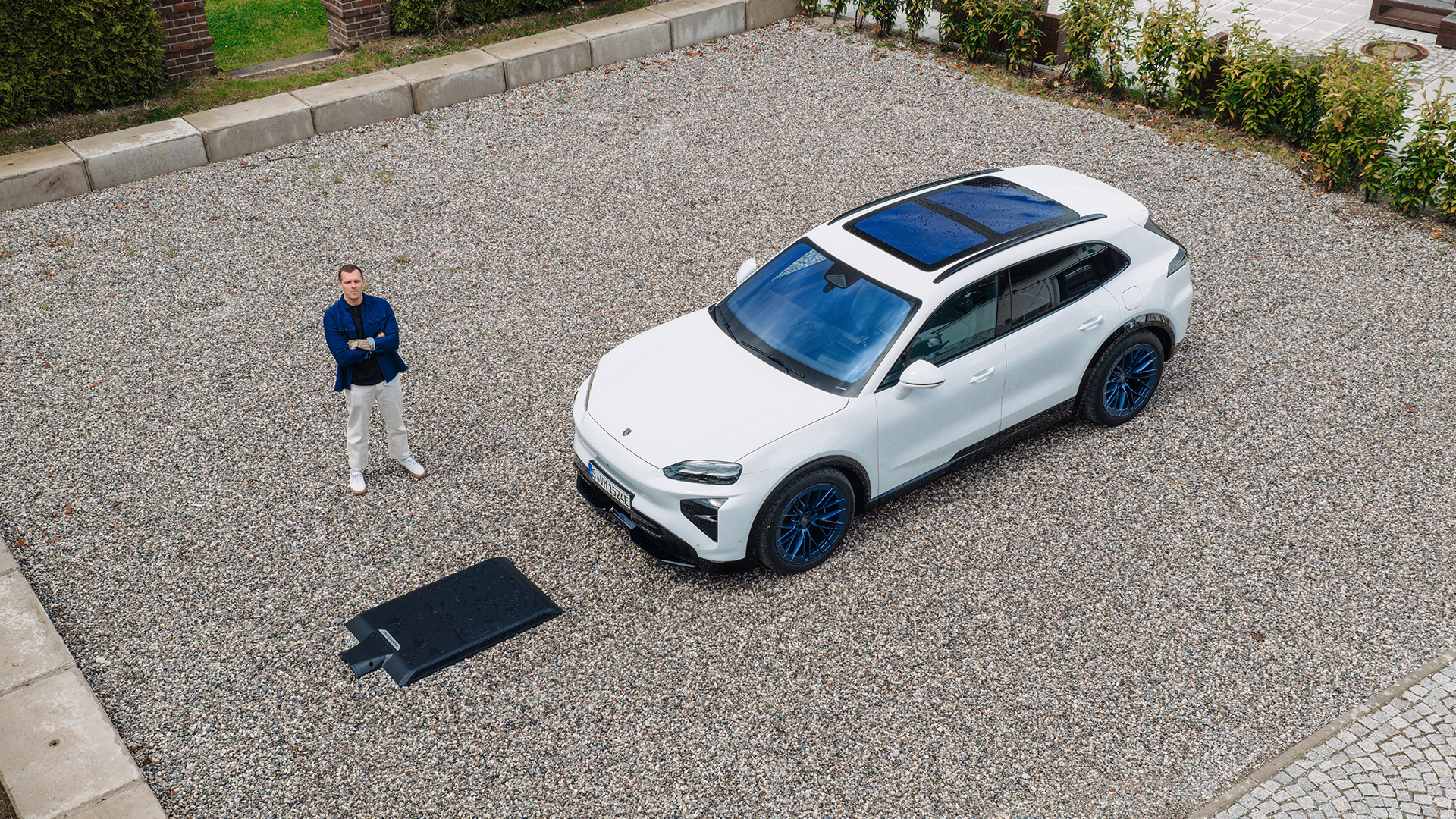
- Innovation: It introduces 11 kW wireless charging, a feature that could revolutionize home charging by removing the need for physical cables.
- Infrastructure: With 390 kW charging capabilities, it is one of the few vehicles capable of maximizing the latest generation of ultra-fast highway chargers.
5. Honda Super-N: The Minimalist Riot
The Honda Super-N is a spiritual successor to the "Kei cars" of Japan, designed specifically for the European urban environment. It prioritizes "fun-per-mile" over "miles-per-charge."
- Weight Management: At 1,097 kg, it is significantly lighter than the average EV, resulting in telepathic handling.
- Features: A dedicated "Boost" button and virtual gear changes provide a mechanical feel that is rare in the segment.
- Niche Appeal: While its 128-mile range and 50 kW charging limit its utility for long trips, it is arguably the most entertaining urban vehicle on the market.
6. Mercedes-Benz VLE: The S-Class of Vans
The Mercedes-Benz VLE (Versatile Luxury Electric) redefines the luxury van segment. It is designed to lure families away from SUVs and into a more flexible, opulent environment.
- The "Roll & Go" System: Rear seats that slide on rails and can be rolled out of the vehicle on their own wheels, allowing for instant conversion from a limousine to a cargo hauler.
- Range: The VLE 300’s 115 kWh battery provides a staggering 435 miles of range.
- Comfort: Features air suspension and rear-wheel steering, giving this large vehicle the turning circle and ride quality of a premium sedan.
Official Responses and Industry Trends
Industry leaders have voiced a consistent message: the "specs race" is evolving into an "experience race."
Porsche’s engineering team has noted that while 1,000+ horsepower is a headline-grabber, the true achievement in the Cayenne Turbo Electric is the integration of the Active Ride suspension, which keeps the vehicle flat during extreme maneuvers. Similarly, Hyundai’s "N" division has publicly stated that their goal is to make EVs "corner rascals," focusing on the fun-to-drive factor rather than just efficiency.
Market analysts suggest that the introduction of models like the Honda Super-N and Cupra Raval indicates a maturing market where consumers are looking for personality. Mercedes-Benz’s focus on the VLE suggests a strategic bet that the "luxury MPV" (Multi-Purpose Vehicle) market will cannibalize the high-end SUV market as buyers prioritize interior volume and modularity.
Implications: The Road Ahead
The emergence of these six models has profound implications for the future of transportation:
1. The Death of Range Anxiety
With vehicles like the Mercedes-Benz VLE and Porsche Cayenne offering ranges between 400 and 435 miles, the "range anxiety" that plagued early EVs is effectively solved for the premium segment. As this technology trickles down to models like the Kia EV2, the 300-mile range will become the new baseline for all but the most specialized city cars.
2. Infrastructure Must Catch Up
The Porsche Cayenne’s 390 kW charging capability is currently ahead of most public charging infrastructure. This creates pressure on energy providers to upgrade highway hubs to meet the demands of 800V and 900V architectures.
3. The Return of the Lightweight Car
The Honda Super-N and Cupra Raval represent a pushback against "battery bloat." By using smaller, more efficient batteries and focusing on weight reduction, manufacturers are proving that EVs can be agile and engaging without needing massive power outputs.
4. Wireless Charging as the New Standard
Porsche’s foray into 11 kW wireless charging marks the beginning of the end for the charging cable. If adopted widely, this will simplify EV ownership significantly, making the charging process as passive as parking a car.
Conclusion
The vehicles of 2024-2026 are no longer "compliance cars" or experiments. They are specialized, highly engineered machines that offer distinct advantages over their ICE predecessors. Whether it is the sheer luxury of the Mercedes VLE or the raw, simulated mechanical feedback of the Hyundai Ioniq 6 N, the electric future has arrived—and it is far more diverse than anyone predicted.