Alexandrova Stuns World No. 1 Sabalenka to Reach Canadian Open Quarter-finals, Setting Up Potential Svitolina Clash
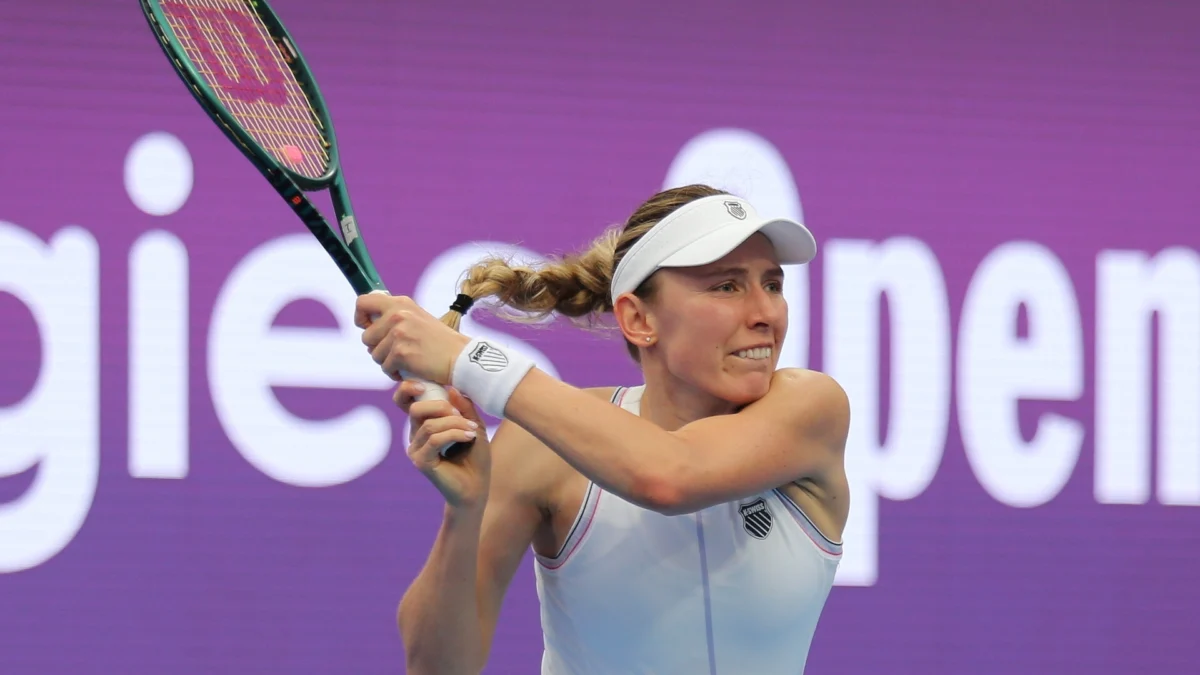
Toronto, Canada – In a captivating display of resilience and strategic prowess, Russian powerhouse Ekaterina Alexandrova has booked her spot in the Canadian Open quarter-finals, orchestrating a stunning upset over World No. 1 and reigning US Open champion Aryna Sabalenka. The hard-fought victory, sealed after a grueling two-and-a-half-hour battle with a final score of 7-6 (3), 4-6, 6-4, marks a significant milestone for Alexandrova, not just in this tournament but in her recent head-to-head record against the Belarusian formidable force.
This triumph over Sabalenka is Alexandrova’s third in their last four encounters over the past two years, underscoring a growing mastery over the world’s top player. The previous significant victory came in February 2025 at the WTA 1000 event in Doha, a tournament that also saw Alexandrova reach the quarter-finals, her last appearance at that stage of a premier event prior to this Canadian Open run. The significance of this win extends beyond mere statistics; it represents a potent injection of confidence for Alexandrova, who has openly admitted to a challenging season marred by the weight of expectations following a remarkably successful previous year.
A Resurgence Fueled by Belief: Alexandrova’s Journey to the Last Eight
The path to the Canadian Open quarter-finals for Ekaterina Alexandrova has been paved with determination and a renewed sense of self-belief. Her epic three-set victory against Aryna Sabalenka, the undisputed queen of women’s tennis, is a testament to her enduring quality and her ability to perform under immense pressure. The match itself was a captivating affair, showcasing high-octane tennis from both competitors. Alexandrova, known for her aggressive baseline game and powerful serve, managed to consistently challenge Sabalenka’s formidable power, ultimately prevailing in a tightly contested decider.
The first set saw both players trade blows, with neither willing to concede an inch. The tie-break proved decisive, with Alexandrova finding another gear to edge ahead. Sabalenka, a fighter renowned for her never-say-die attitude, responded emphatically in the second set, demonstrating why she holds the World No. 1 ranking. However, Alexandrova refused to be demoralized. She regrouped, found her rhythm, and delivered a masterful performance in the third set, clinching the crucial breaks and ultimately the match.
"A win like this helps so much to gain some kind of confidence that you’re doing the right thing, and that maybe you are on the right path," Alexandrova shared in her post-match press conference, her voice laced with a mixture of relief and quiet triumph. The Russian player candidly reflected on the emotional toll of the current season, admitting that the high expectations stemming from her stellar performance last year may have inadvertently created added pressure. "It means a lot because this year was quite difficult for me. Especially after last season, which was really good. Maybe the expectations from last year didn’t help me." This statement highlights the psychological battle players often face at the elite level, where sustained success can bring its own set of challenges.
Chronology of a Monumental Upset
The journey of Ekaterina Alexandrova to the Canadian Open quarter-finals has been a compelling narrative of grit and tactical brilliance. The tournament began with Alexandrova navigating through the early rounds, showcasing her form and preparedness. While specific details of her earlier matches are not provided in the initial report, it is understood that she consistently displayed the level of play required to progress against strong opposition.
The defining moment, however, arrived in her clash with World No. 1 Aryna Sabalenka. The match, which unfolded over two hours and thirty minutes, was a masterclass in clutch tennis.
-
Set 1: The opening set was a tense affair, characterized by powerful serves and aggressive groundstrokes from both players. Neither Alexandrova nor Sabalenka managed to secure a decisive break of serve, leading to a tie-break. Alexandrova demonstrated superior composure and execution in the tie-break, ultimately winning it 7-6 (3) to take a crucial one-set lead.
-
Set 2: Sabalenka, refusing to be outdone, responded with renewed vigor in the second set. Leveraging her immense power and court coverage, she managed to break Alexandrova’s serve and held her own to level the match at one set apiece, winning the set 4-6. This demonstrated her resilience and her status as a top-tier competitor, capable of fighting back from adversity.
-
Set 3: The deciding set saw Alexandrova regain her composure and reassert her dominance. She played with a renewed sense of purpose, executing her game plan effectively. The Russian secured the critical breaks of serve needed to build a lead, and despite Sabalenka’s valiant efforts to claw her way back, Alexandrova held firm, closing out the set 6-4 to secure the monumental victory and a place in the quarter-finals.
This victory not only propels Alexandrova forward in the Canadian Open but also serves as a significant psychological boost, reinforcing her belief in her ability to compete and win against the very best in the world.
Supporting Data and Context: Alexandrova’s Emerging Dominance
Ekaterina Alexandrova’s recent record against Aryna Sabalenka is a compelling piece of supporting data that underscores the significance of her Canadian Open victory. The fact that this is her third win against the World No. 1 in their last four meetings paints a clear picture of a player who has found a successful formula for overcoming the Belarusian’s formidable game.
-
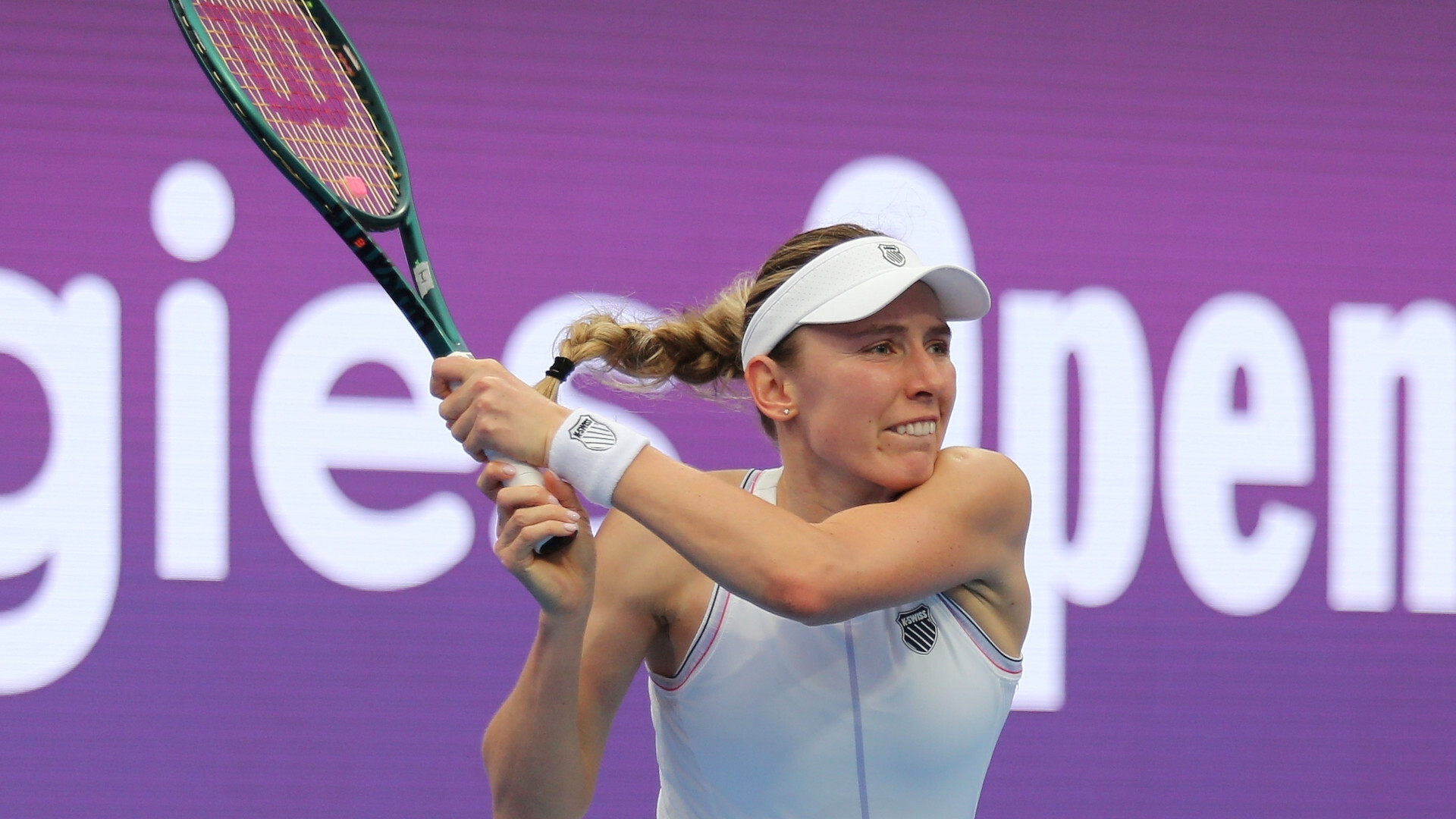
Head-to-Head Trend: The report explicitly states that this is the "third time Alexandrova defeats Sabalenka in the last two years." This consistent success against the current World No. 1 is a rare feat and indicates a strategic advantage or a mental edge that Alexandrova has cultivated.
-
Doha 2025 Performance: The mention of her February 2025 victory over Sabalenka in Doha, which also led to a WTA 1000 quarter-final appearance, provides crucial context. It demonstrates that Alexandrova’s ability to reach this stage of major tournaments against top opposition is not a new phenomenon, but rather a pattern of strong performances. Her statement, "which was also her last appearances at a WTA 1000 quarterfinal," highlights the significance of her current run in Toronto as a potential resurgence to that elite level.
-
Seasonary Challenges: Alexandrova’s candid admission about her "difficult" current season, especially after a "really good" previous one, adds another layer of depth to her performance. It suggests that she has been battling internal pressures and perhaps a dip in form, making this significant win even more impactful. Overcoming these personal challenges to defeat the World No. 1 speaks volumes about her mental fortitude and her commitment to her game.
-
WTA 1000 Landscape: The broader context of the WTA 1000 events is important. These tournaments represent the highest tier of women’s tennis outside of the Grand Slams, featuring the strongest fields and most competitive environments. Reaching the quarter-finals of such an event, especially by defeating the reigning US Open champion and World No. 1, solidifies Alexandrova’s position as a top contender.
Official Responses and the Broader Tennis Landscape
While specific official statements from the WTA or tournament organizers regarding Alexandrova’s victory and its broader implications are not detailed in the provided text, the context of Russian players’ participation in international events is a significant undercurrent. The mention of Elina Svitolina’s refusal to shake hands with Russian players, and the fact that Russian athletes are allowed to compete without national flags and symbols, highlights the geopolitical sensitivities that continue to shape the world of professional tennis.
-
WTA Policy on Russian Athletes: The article subtly acknowledges the current policy allowing Russian players to compete under neutral status. This policy aims to balance the exclusion of national representation with the principle of allowing individual athletes to participate based on their merit. Alexandrova’s success under these conditions is a demonstration of her individual talent and perseverance.
-
Elina Svitolina’s Stance: The mention of Elina Svitolina, Alexandrova’s next potential opponent, and her policy of refusing to shake hands with Russian players, adds a layer of narrative tension to the upcoming quarter-final match. This personal stance by Svitolina, a prominent Ukrainian player, underscores the ongoing impact of the geopolitical situation on the sport and individual athlete interactions. The potential match between Alexandrova and Svitolina, therefore, carries more than just sporting significance; it becomes a focal point for these broader discussions.
-
Absence of Direct Statements: The lack of specific official responses in the provided text suggests that the focus remains on the athletic achievements. However, the WTA consistently monitors and adapts its policies in response to global events, and player conduct, including handshakes and on-court interactions, is often a subject of scrutiny.
Implications for the Canadian Open and Beyond
Ekaterina Alexandrova’s stunning victory over Aryna Sabalenka carries significant implications, both for her own career trajectory and for the overall narrative of the Canadian Open.
-
Boost to Alexandrova’s Confidence and Ranking: This win is a massive confidence booster for Alexandrova, validating her hard work and reaffirming her place among the elite. Beyond the psychological impact, a quarter-final appearance at a WTA 1000 event, especially with a victory over the World No. 1, will undoubtedly result in a significant climb in the WTA rankings, potentially propelling her back into the top echelon of players and earning her higher seeds in future tournaments.
-
Shifting Power Dynamics: The defeat of the World No. 1, even by a player of Alexandrova’s caliber, can send ripples through the rankings and create a perception of shifting power dynamics. While Sabalenka remains a formidable force, this result opens up the field and could embolden other challengers.
-
Increased Spectator Interest: Upsets of this magnitude invariably generate considerable interest from fans and media alike. Alexandrova’s impressive performance has undoubtedly captured the attention of the tennis world, and her subsequent matches will be closely watched.
-
Intriguing Quarter-final Matchup: Alexandrova is slated to face the Ukrainian Elina Svitolina in the quarter-finals. This matchup is particularly compelling due to Svitolina’s stated refusal to shake hands with Russian players. Regardless of the on-court outcome, the pre- and post-match interactions are bound to be a significant point of discussion and highlight the broader geopolitical tensions that continue to permeate the sport.
-
A Deepening WTA 1000 Field: The Canadian Open is already boasting a strong field, with other notable players like Diana Shnaider and Iga Swiatek also reaching the quarter-finals. The presence of World No. 2 Elena Rybakina, Coco Gauff, Naomi Osaka, and Alexandra Eala in ongoing fourth-round matches promises a thrilling conclusion to the tournament, with Alexandrova now a significant contender for the title. Her journey from a challenging season to this pivotal win underscores the unpredictable and exciting nature of professional tennis.