I’m Offering Something New (17 Years in the Making)
Introduction: A New Chapter in the Minimalism Movement
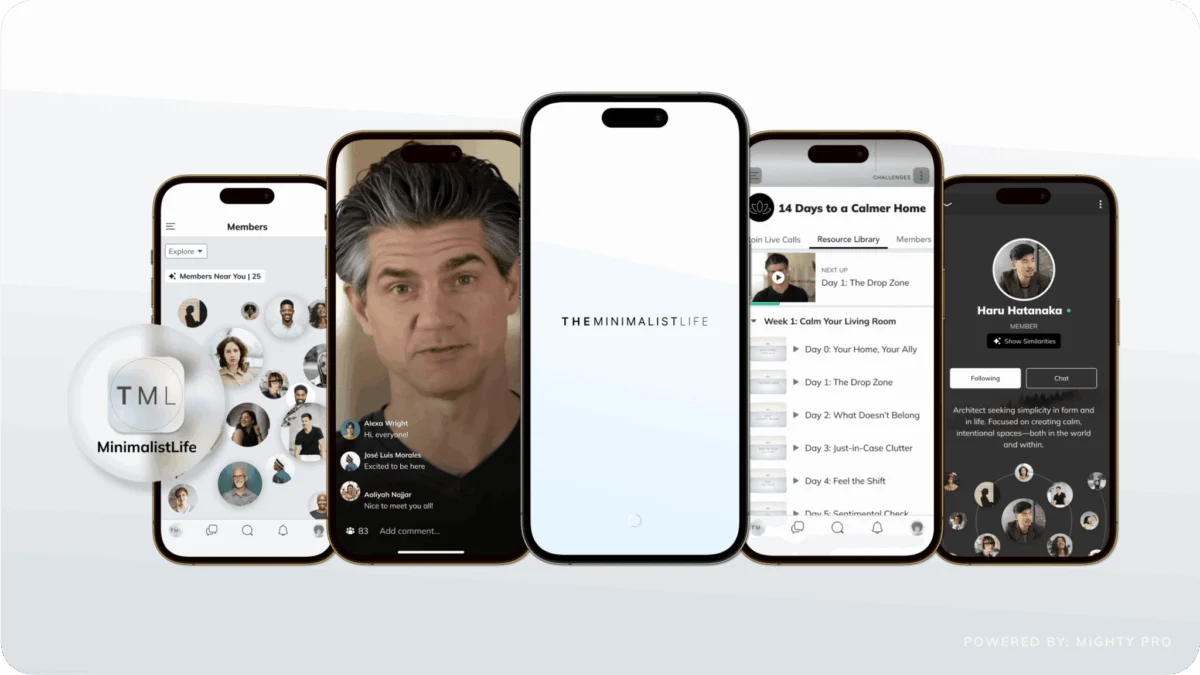
In an era defined by relentless digital noise and the compounding weight of consumerism, Joshua Becker, the founder of Becoming Minimalist, has announced a significant pivot in his nearly two-decade-long career. After seventeen years of advocating for the virtues of owning less, Becker is moving beyond instructional content to launch "The Minimalist Life"—a private, membership-based community designed to foster long-term lifestyle sustainability.
The announcement marks a strategic evolution for Becker, whose work has influenced millions worldwide. By shifting focus from "how to declutter" to "how to live intentionally," Becker aims to solve a persistent problem in the self-help and lifestyle sectors: the "rebound effect," where individuals successfully clear physical space only to find themselves back in a cycle of accumulation and overwhelm months later.
Main Facts: The Launch of "The Minimalist Life"
The core of the announcement is the debut of The Minimalist Life, a digital ecosystem built on the premise that minimalism is not a destination but a continuous practice. Becker, who has spent 17 years building a library of over 1,700 articles and 400 videos, realized that education alone was insufficient for lasting behavioral change.
Key Features of the New Community:
- Holistic Scope: Unlike previous programs focused primarily on physical possessions, this community addresses minimalism across several "life pillars," including personal finances, scheduling, digital consumption, daily habits, and interpersonal relationships.
- Human-Centric Interaction: In a direct response to the rise of AI-generated advice, Becker emphasizes that this platform is centered on authentic human interaction, featuring direct access to him and a network of like-minded peers.
- Structured Monthly Themes: The community operates on a month-by-month rhythm, focusing on specific areas of life to prevent the "overwhelm" that often leads to burnout.
- Introductory Pricing: To incentivize early adoption, Becker has introduced a "founding member" rate of $18 per month or $180 per year. This promotional window is scheduled to close on June 30th.
Chronology: Seventeen Years in the Making
To understand the significance of this launch, one must look at the trajectory of Joshua Becker’s influence on the modern minimalist movement.
2008 – The Spark: Becker’s journey began in a suburban driveway in Vermont. While spending a Saturday cleaning his garage, a conversation with a neighbor led to a revelation: his possessions were actually preventing him from spending time with his family. This realization birthed the Becoming Minimalist blog.
2008-2015 – Building the Foundation: During these years, Becker transitioned from a hobbyist blogger to a leading voice in the intentional living space. He focused on the practicalities of "The More of Less," helping families realize that minimalism wasn’t just for single travelers or aesthetic extremists, but for everyday households.
2016-2023 – Scaling the Message: Becker’s books, including The Minimalist Home and Things That Matter, became bestsellers, reaching hundreds of thousands of readers. His "Uncluttered" course became a cornerstone of his brand, with over 90,000 students participating in the guided decluttering process.
2024-2025 – The Realization of the "Maintenance Gap": Despite the success of his courses, Becker noted a recurring theme in feedback from his audience. Users often "started strong" but struggled to maintain the philosophy over several years. This observation served as the catalyst for The Minimalist Life, shifting the business model from one-time educational products to an ongoing support community.
Supporting Data: The Psychological and Economic Drivers of Minimalism
The demand for Becker’s new community is supported by broader socio-economic trends. According to various psychological studies, the link between domestic clutter and elevated cortisol levels (the stress hormone) is well-documented. A study by UCLA’s Center on Everyday Lives of Families (CELF) found that the "clutter culture" in modern homes is a significant source of anxiety for parents.
Furthermore, the "subscription economy" and "digital clutter" have added new layers of complexity to the minimalist philosophy. The average American household now spends thousands of dollars annually on digital subscriptions and "invisible" costs that clutter the mind and the bank account.

Data points that highlight the need for ongoing support:
- The Rebound Rate: Internal surveys within the minimalism community suggest that without a support system, nearly 40% of people who declutter their homes return to previous levels of accumulation within two years.
- The Decision Fatigue Factor: The modern consumer makes approximately 35,000 decisions a day. Minimalism aims to reduce this "cognitive load," but maintaining that reduction requires constant habit reinforcement.
- The Attention Economy: With social media algorithms designed to trigger "fear of missing out" (FOMO) and impulse buying, the "ongoing support" Becker proposes acts as a counter-weight to sophisticated digital marketing.
Official Responses: Statements from Joshua Becker
In his address to his followers, Becker was candid about the limitations of his previous work and the necessity of this new direction.
"For over 17 years, I’ve been writing about minimalism… sharing stories, principles, and practical tips," Becker stated. "But over the years, I have kept hearing the same comment: ‘I start strong, but I struggle to keep minimalism going over time. How can I keep this going?’"
Becker’s response to this dilemma is a shift toward "intentional rhythms." He argues that minimalism should not be a "one-time decluttering project" but a "lifetime of intentional choices."
Addressing the technological shift in the content landscape, Becker added: "In an online world that is increasingly populated by AI-generated content, this community is about human interaction—with me and others. Life change can be difficult. If we’re going to build habits that transition minimalism from an idea into a way of life, we need the support of like-minded people."
This emphasis on the "human element" serves as a strategic differentiator for Becker’s brand. By positioning himself as a mentor rather than just a content creator, he is tapping into a growing desire for community-led personal development.
Implications: The Future of Intentional Living and the Creator Economy
The launch of The Minimalist Life carries implications for both the minimalism movement and the broader "creator economy."
1. The Shift to "Holistic Minimalism"
For years, minimalism was often criticized as being focused solely on aesthetics or "the number of shirts in a closet." Becker’s move to include finances, schedules, and relationships signals a maturation of the movement. It acknowledges that physical clutter is often just a symptom of deeper, systemic issues in how individuals manage their time and values.
2. The Transition from Content to Community
Becker’s move reflects a broader trend among digital creators. As information becomes a commodity (thanks to AI and the sheer volume of free content), the value proposition is shifting toward implementation and accountability. Creators are no longer just selling "what to do"; they are selling "how to keep doing it."
3. Economic Sustainability for Creators
By moving to a membership model, Becker is creating a more predictable and sustainable business structure. This allows for deeper investment in the quality of interaction rather than the constant need to produce viral, "top-of-funnel" content.
4. Impact on Mental Health and Consumer Behavior
If successful, the community-led approach could provide a scalable model for addressing the mental health crisis associated with over-consumption. By providing a "safe haven" from consumerist pressures, The Minimalist Life could potentially influence the long-term spending habits of its members, leading to higher rates of personal savings and lower levels of lifestyle-related stress.
Conclusion: A Journey, Not a Destination
Joshua Becker’s launch of The Minimalist Life represents a milestone in the 17-year history of the Becoming Minimalist brand. It is an admission that the hardest part of any lifestyle change is not the beginning, but the middle—the long, unglamorous stretch where initial enthusiasm fades and the old habits of a consumerist culture begin to creep back in.
By offering a structured, communal environment, Becker is betting that the future of minimalism lies in collective accountability. As the doors open to founding members, the eyes of the intentional living community will be on this experiment, watching to see if a monthly membership can indeed turn a fleeting decluttering trend into a permanent way of life. For those who have felt the weight of their possessions and the chaos of their schedules, Becker’s invitation is simple: stop just reading about the life you want, and start living it with others.