The Evolution of the Digital Deck: How Silberheim ECG is Redefining Personalization in the Strategy Genre
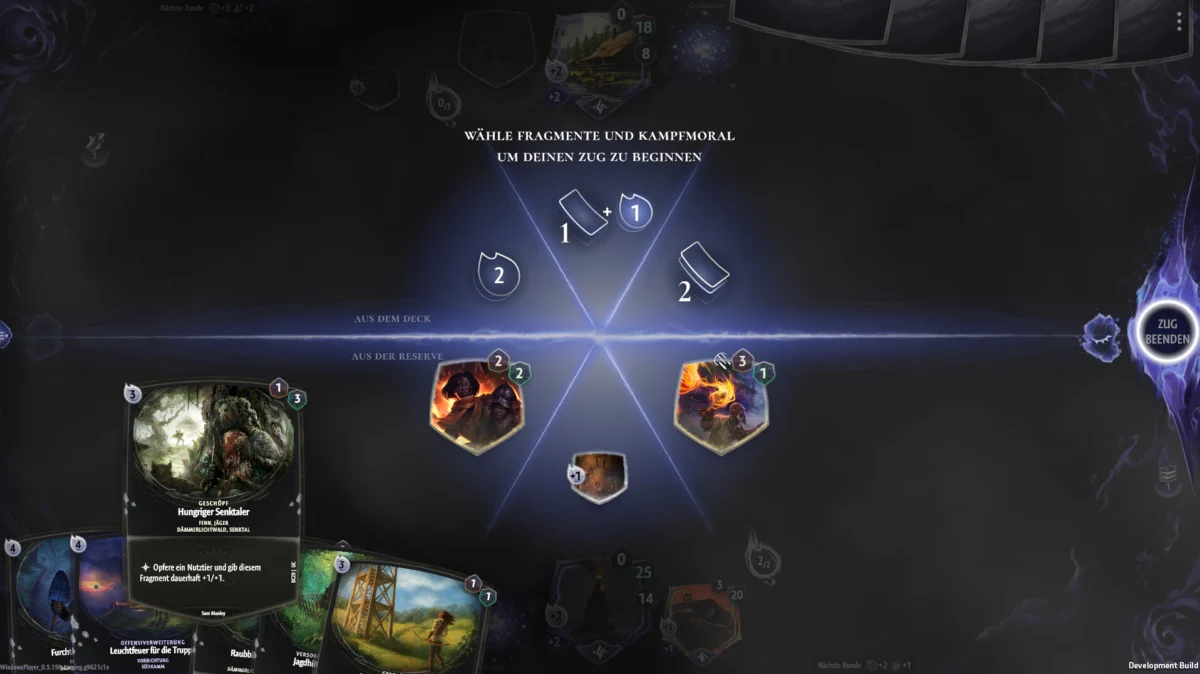
The digital collectible card game (CCG) market has long been dominated by established titans, often criticized for their "pay-to-win" mechanics and static card pools. However, a new contender from the German indie scene is aiming to disrupt the status quo by introducing a narrative-driven, highly personalized experience. Silberheim Evolving Card Game (ECG), developed by Beyond Worlds GmbH, represents a significant shift in how players interact with their decks, their accounts, and the very lore of the game world they inhabit.
Showcased prominently at the Summer Game Fest 2026 as a cornerstone of the German Indie Showcase, Silberheim ECG has moved from a niche project into the spotlight of the global gaming community. With its Steam release slated for later this year, the title promises a departure from the traditional CCG formula, favoring a "Play-to-Win" model and a unique "evolving" mechanic that tailors the gameplay experience to the individual player’s history and decisions.
Main Facts: A New Paradigm in Card Gaming
At its core, Silberheim ECG is defined by its namesake: the "Evolving" mechanic. Unlike traditional card games where a card remains static regardless of who plays it, Silberheim cards are designed to change. This evolution is not a universal upgrade path; rather, it is a bespoke process influenced by the player’s specific actions, strategic choices, and overall playstyle.
The developers at Beyond Worlds have kept the exact algorithms behind this evolution shrouded in mystery, creating a sense of organic growth within the player’s collection. This customization extends beyond the cards themselves, affecting the player’s account and the overarching narrative of the fantasy world. This means that two players starting with the same basic deck may, after several weeks of play, possess entirely different sets of tools, each optimized for their unique tactical preferences.
Crucially, Silberheim ECG rejects the industry-standard microtransaction model. The game is positioned as a one-time purchase, effectively eliminating the "pay-to-win" stigma that has plagued the genre for over a decade. By focusing on a "Play-to-Win" philosophy, Beyond Worlds ensures that success is dictated by skill, dedication, and the strategic evolution of one’s deck rather than the depth of one’s wallet.
Chronology: From Concept to Summer Game Fest 2026
The journey of Silberheim ECG began with a vision to merge deep fantasy lore with interactive mechanics that felt consequential. The development team at Beyond Worlds GmbH, based in Germany, spent years crafting the world of Midoa before the first lines of code for the card game were even written.
- Initial Development Phase: The project started as a cross-media endeavor. Beyond Worlds established the "Silberheim" universe through a series of lore articles, spin-offs, and a foundational novel. This provided a rich narrative soil for the game to grow in.
- The Beta Launch: To ensure the game met the high standards of the competitive CCG community, a free beta was launched. This phase allowed the developers to gather crucial data on balancing and player behavior, specifically focusing on how the "evolution" mechanic functioned in a live environment.
- Summer Game Fest 2026: The game reached a major milestone during the German Indie Showcase at Summer Game Fest. Here, the team teased a massive content update for the current beta, showcasing new factions and the refined "Defiance" mechanic.
- Present Day: Currently, the game is in its final polish phase. The beta remains open to the public for free testing, serving as a final stress test before the official Steam launch.
- Q4 2026: The scheduled release window for the full version of Silberheim ECG on Steam, marking the transition from an indie project to a full-scale market competitor.
Supporting Data: Mechanics and World-Building
To understand why Silberheim ECG is generating significant buzz, one must look at the data-driven design of its gameplay and the depth of its setting.
The World of Isdraia
The game is set in the land of Isdraia on the planet Midoa. This is not a generic fantasy backdrop but a meticulously detailed world with established political and biological hierarchies. The factions include:
- The Humans of Morgathal: A warlike race focused on raw power and territorial dominance. Their gameplay style often reflects aggressive, front-line tactics.
- The Fenn: A more enigmatic faction whose strategies likely revolve around utility and environmental manipulation.
- Goblins and Wild Beasts: These factions offer unpredictable, high-variance gameplay, appealing to players who enjoy taking risks for high rewards.
The Two-Phase Combat System
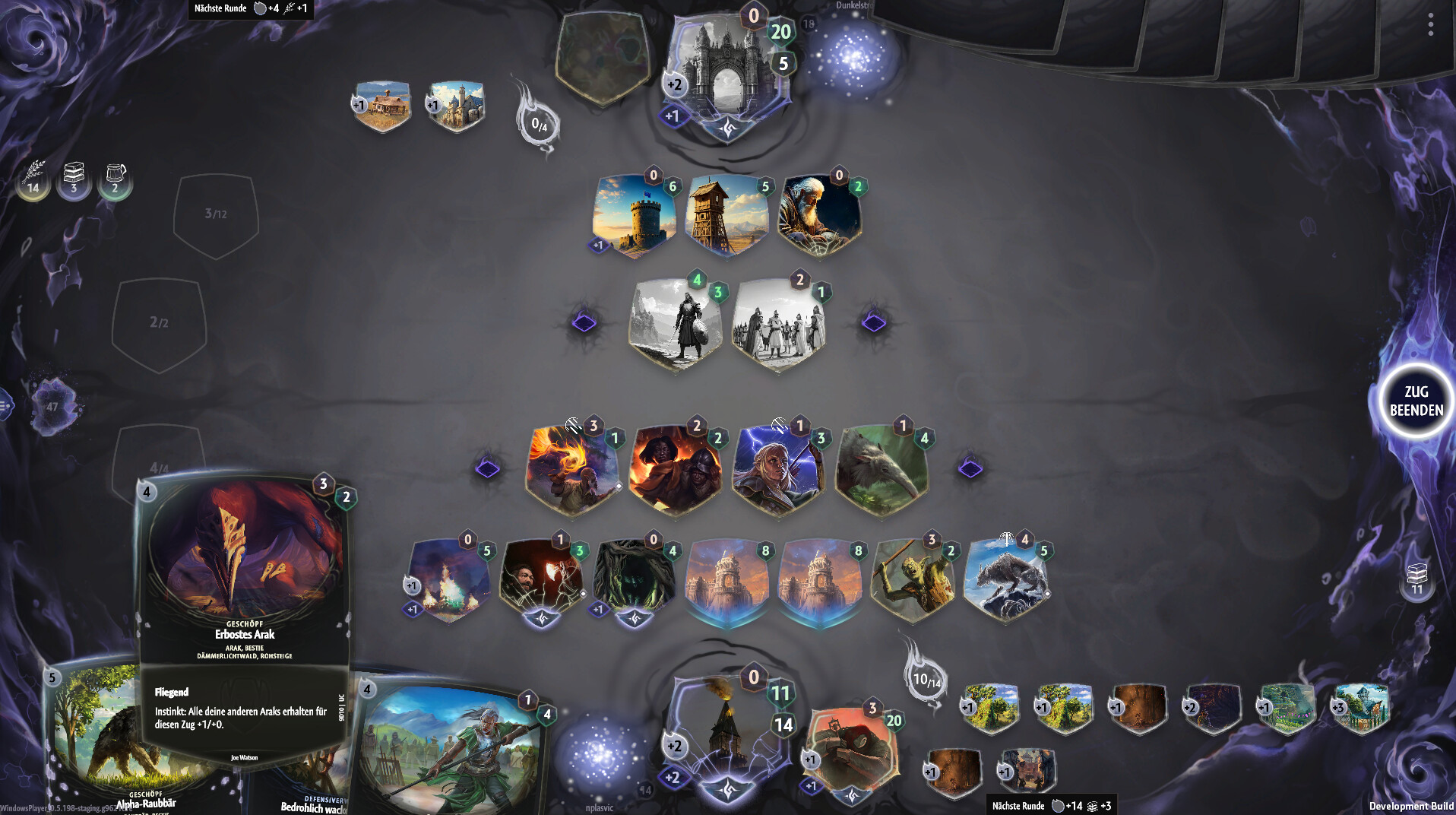
Unlike the single-objective focus of most CCGs (reducing the opponent’s health to zero), Silberheim matches are split into two distinct strategic layers:
- The Siege Phase: Players must first navigate the defenses of their opponent’s fortress. This requires a focus on resource management and sustained pressure.
- The Hero Phase: Once the fortress falls, a powerful Hero character enters the field. This Hero acts as a "final boss" of sorts, possessing unique abilities that can completely reverse the momentum of the game. Victory is only achieved once the Hero is defeated.
The Defiance Mechanic
To combat the "snowball effect" common in strategy games—where a player who gains an early lead becomes unstoppable—Beyond Worlds implemented the "Defiance" mechanic. This system provides specific tactical advantages to the player who is currently trailing, ensuring that matches remain competitive and engaging until the final turn. This promotes a "never give up" mentality and rewards players for finding creative ways to stage a comeback.
The Chamber of Souls
The narrative framing of the game is equally innovative. Players do not just "play a game"; they embody a disembodied soul in the "Chamber of Souls." The cards in their deck represent "memory fragments" from past lives. This thematic choice justifies the evolution mechanic—as the soul learns and adapts, its memories (the cards) shift and become more defined.
Official Responses: Community-Centric Development
Beyond Worlds GmbH has been vocal about their commitment to a community-first approach. In various press releases and developer vlogs accompanying the Summer Game Fest showcase, the studio emphasized that Silberheim ECG is being built "with the players, for the players."
"We believe that the era of closed-door development is over, especially for a genre as community-driven as card games," a spokesperson for Beyond Worlds stated during the German Indie Showcase. "The feedback we receive from our beta testers isn’t just a suggestion; it is the roadmap for our development. If the community feels a mechanic isn’t rewarding or that a faction is underwhelming, we have the agility to pivot and improve."
This philosophy is reflected in the decision to keep the beta free of charge. By removing the barrier to entry, the developers have cultivated a diverse player base that provides a wide spectrum of data. This "open-book" development style is intended to build trust, particularly in a market where players are often wary of hidden costs and predatory monetization.
Implications: A Shift in the CCG Landscape
The emergence of Silberheim ECG carries several broader implications for the gaming industry, particularly in the realm of digital strategy.
1. The Death of the "Static" Card
If Silberheim’s evolution mechanic proves successful, it could signal the end of the "static" card era. Players are increasingly looking for ways to express their individuality in digital spaces. A game that offers a deck that is literally unique to the player provides a level of "ownership" that traditional CCGs cannot match.
2. The Return to Premium Models
The decision to opt for a one-time purchase model is a bold move in an era of "Games as a Service" (GaaS). If Silberheim achieves commercial success, it may encourage other indie—and perhaps even mid-tier—studios to abandon the microtransaction-heavy free-to-play model in favor of a more ethical, transparent pricing structure.
3. Narrative Integration as a Retention Tool
By tying card evolution to lore and world-building, Silberheim creates a deeper emotional investment. Players aren’t just trying to win a match; they are participating in the history of Isdraia. This narrative weight could be the key to long-term player retention in a highly competitive market.
4. Strengthening the German Indie Scene
The prominence of Silberheim at the Summer Game Fest highlights the growing influence of German game development. As the region continues to produce high-quality, mechanically innovative titles, it solidifies its position as a hub for sophisticated strategy gaming.
Conclusion
Silberheim Evolving Card Game is more than just a new entry into a crowded genre; it is a bold experiment in personalization and player agency. By combining complex, two-phase gameplay with a narrative that evolves alongside the player, Beyond Worlds GmbH is challenging the fundamental assumptions of what a CCG can be.
As the game approaches its late 2026 release on Steam, the eyes of the strategy community remain fixed on the planet Midoa. Whether Silberheim will ultimately dethrone the giants of the genre remains to be seen, but its commitment to a "Play-to-Win" philosophy and individual evolution has already set a new benchmark for indie innovation. For now, players can experience this evolution firsthand by joining the free beta, contributing to the final polish of a game that seeks to change the cards forever.