The landscape of independent gaming has undergone a transformative shift over the last half-decade, moving away from high-octane twitch-shooters toward what the industry now affectionately terms "cozy games." At the forefront of this movement is a new title that seeks to bridge the gap between physical DIY hobbies and digital relaxation. Book Nook, a hand-drawn puzzle game recently showcased at Gamescom, offers players a digital translation of the viral "book nook" shelf-insert trend. As the title nears its release, it stands as a testament to the growing demand for tactile, low-stress experiences in the gaming market.
Main Facts: A Digital Diorama Experience
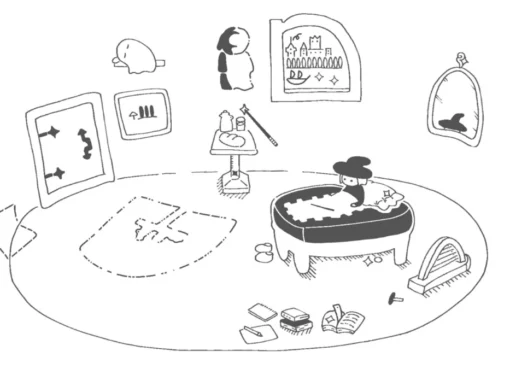
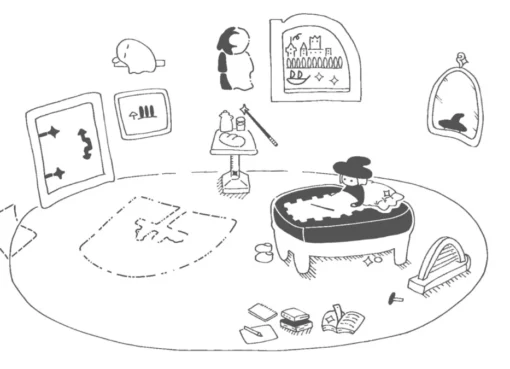
Book Nook is an upcoming indie puzzle game that tasks players with assembling intricate, miniature dioramas designed to fit between books on a virtual shelf. Drawing direct inspiration from the real-world hobby of "book nook" kits—which gained massive popularity on platforms like TikTok and Pinterest during the 2020 lockdowns—the game focuses on the methodical assembly of tiny rooms, alleyways, and fantastical landscapes.
Key features of the title include:
Hand-Drawn Visuals: A distinct, aesthetic art style that emphasizes warmth and detail.
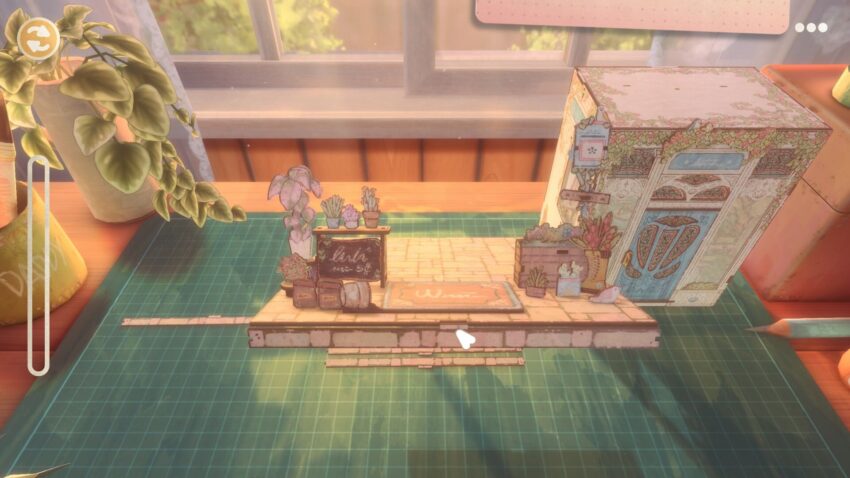
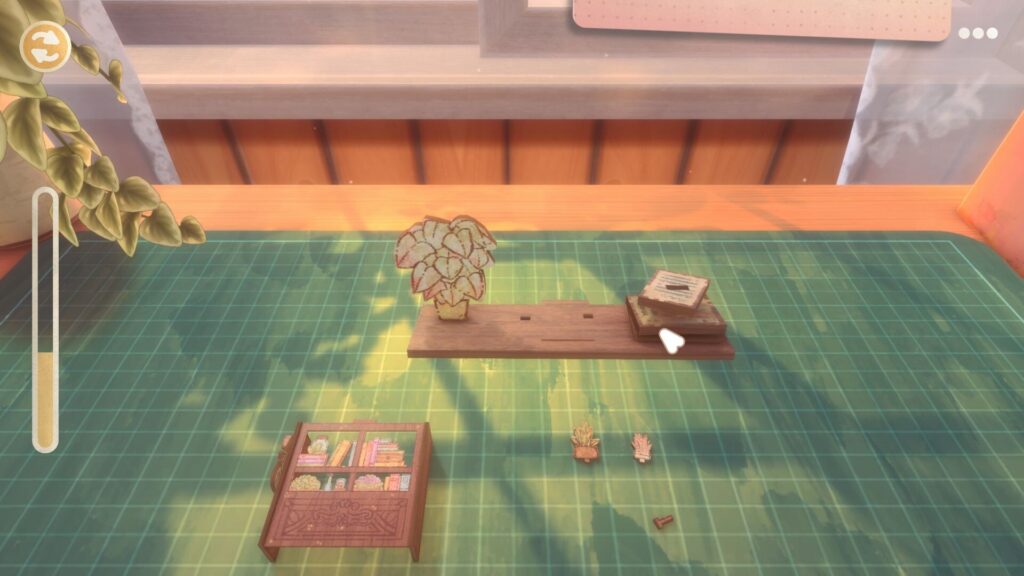
Tactile Mechanics: A physics-based "snap-in" system where players physically drag and place components ranging from tiny furniture to architectural walls.
Emergent Narrative: As puzzles are completed, the miniature worlds come to life with "tiny-scale" storytelling, such as characters moving into the apartments the player has just built.
Stress-Free Design: The absence of timers, high-score tallies, or fail states, categorizing it firmly within the "Zen" or "Cozy" sub-genres.
Currently available for wishlisting on Steam, the game is slated for a late 2024 release, following a successful hands-on demonstration period at Gamescom where critics and players alike got a first look at the title’s core loop.
Chronology: From Physical Hobby to Digital Showcase
To understand the momentum behind Book Nook, one must look at the timeline of the "cozy" genre and the physical hobby that inspired it.
2019–2021: The Physical Renaissance
During the global pandemic, DIY crafting kits saw a 200% surge in interest. Among these, "Book Nooks"—small dioramas that create the illusion of a hidden world on a bookshelf—became a cult phenomenon. Creators shared time-lapse videos of gluing tiny books and wiring miniature LED lights, tapping into a collective desire for domestic order and creative escapism.
2021–2023: The ‘Unpacking’ Effect
In the gaming world, the release of Unpacking (2021) proved that there was a massive, untapped market for games centered around organization and domesticity. This was followed by titles like A Little to the Left and Townscaper, which prioritized the "feeling" of placement over traditional challenge-based gameplay.
August 2024: The Gamescom Reveal
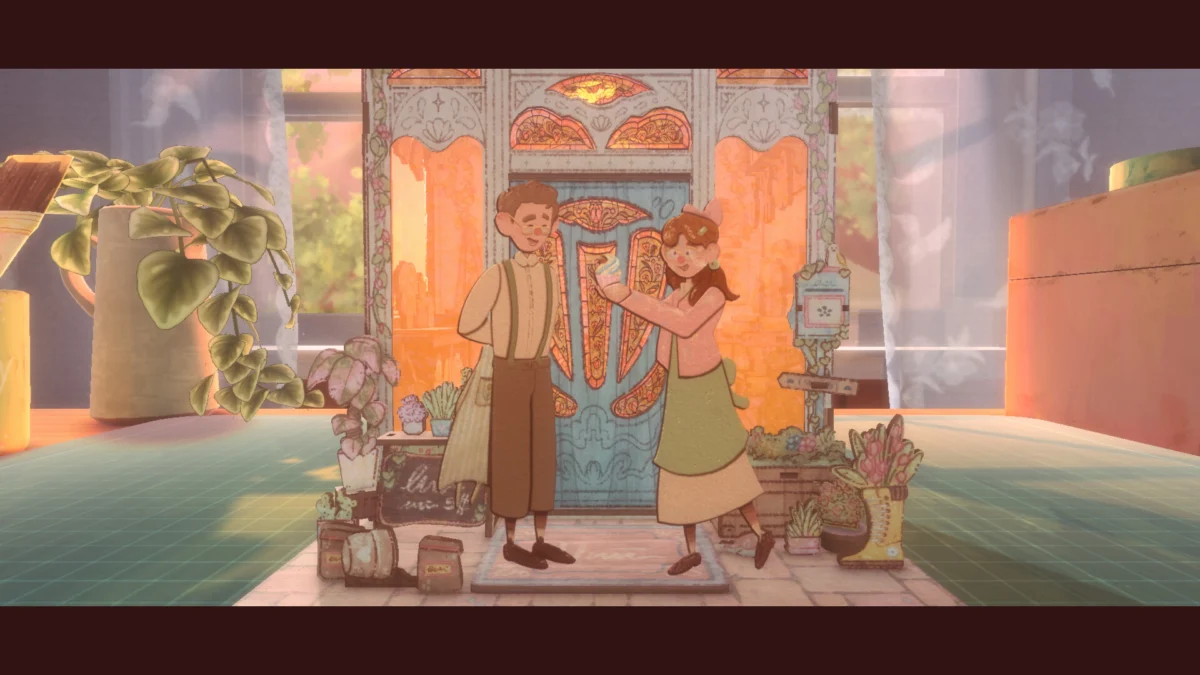
The development team behind Book Nook brought a playable demo to Gamescom, the world’s largest gaming event. This marked the first time the public could interact with the game’s physics engine. The demo focused on a "Moving In" level, where players constructed a small apartment for a couple. This showcase allowed the developers to gather critical feedback regarding the game’s "snapping" mechanics and camera proximity—issues that the team is currently addressing in the final polishing phase.
Supporting Data: The Mechanics of Virtual Tactility
The appeal of Book Nook lies in its simulation of "tactile satisfaction." According to player feedback from the Gamescom floor, the game succeeds most when the "snap" of a piece feels earned. However, the data from the demo also highlighted the technical hurdles of translating a 3D hobby into a digital interface.
Technical Analysis of the Demo
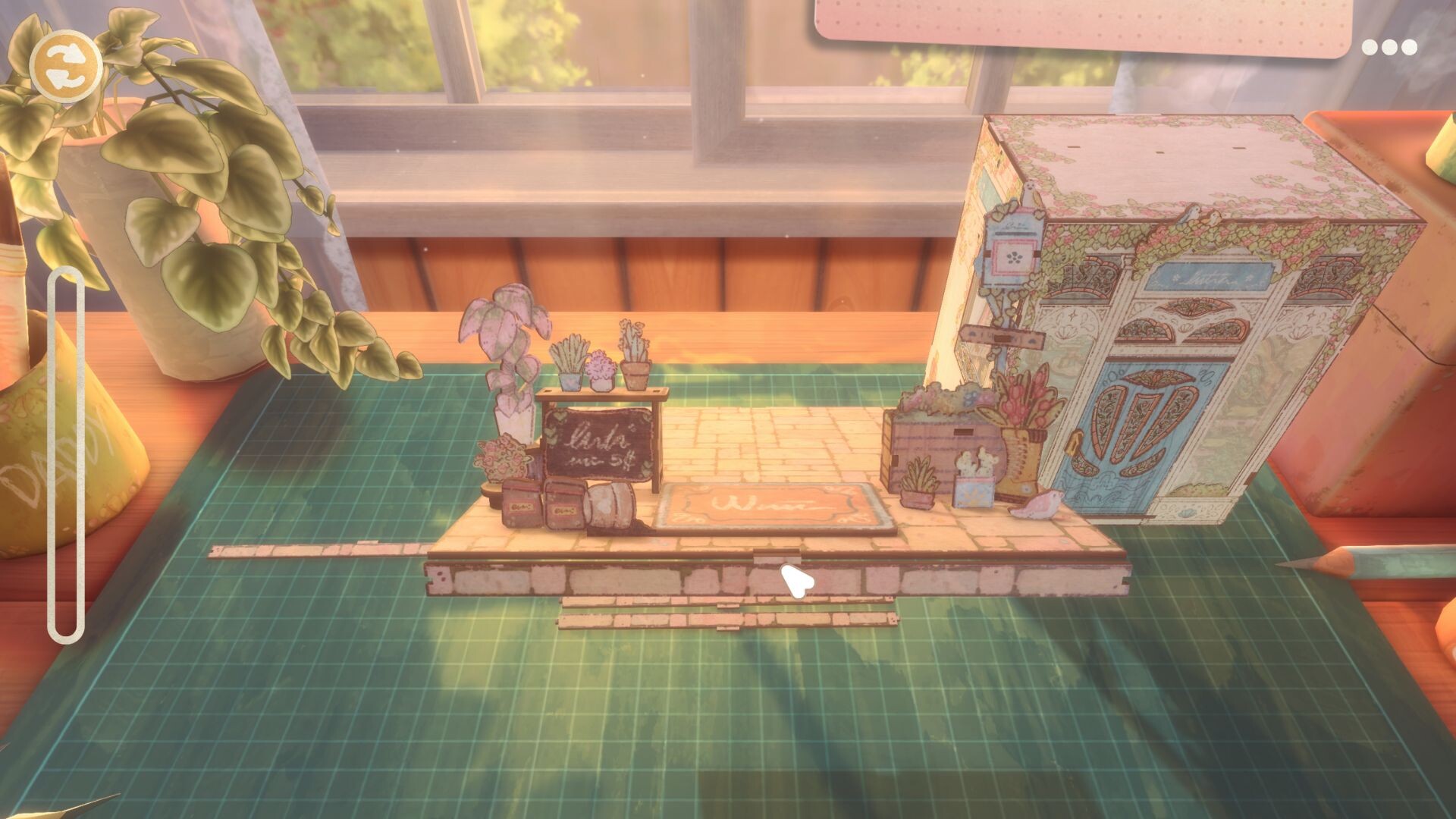
In its current state, Book Nook utilizes a semi-rigid physics system. While many pieces "snap" into place with a satisfying auditory and visual click, the Gamescom build revealed complexities in the collision boxes for larger components. Some players reported that larger floorboards or wall segments would occasionally clip behind the main game board, requiring a "reset" of the piece.
Furthermore, the "proximity constraint" was a noted point of discussion. In the current build, the camera remains tightly focused on the center of the nook. While this enhances the sense of scale, it can occasionally make the placement of peripheral decorations—such as tiny plants or wall hangings—difficult to navigate with a standard mouse or controller.
Visual and Narrative Integration
The game’s art style is one of its strongest data points for marketability. Eschewing the hyper-realistic 3D models often found in simulation games, Book Nook uses hand-drawn textures. This choice serves two purposes:
Optimization: It allows the game to run on lower-end hardware and handheld devices like the Steam Deck.
Aesthetic Cohesion: It mimics the "artisan" feel of a hand-painted physical kit.
The integration of "micro-stories" provides the "why" behind the "how." In the demo, constructing the apartment isn’t just a geometric task; it triggers an animation of a couple standing at the front of the nook, suggesting a lived-in history for the object the player just created.
Official Responses and Developer Philosophy
While the developers have remained a small, tight-knit group, their communications via Steam and Gamescom interviews suggest a philosophy of "intentional friction."
In response to questions regarding the difficulty of the puzzles, the development team noted:
"We want the player to feel the weight of the pieces. In real life, building a book nook is fiddly. It requires patience. We are trying to find the sweet spot between a game that plays itself and a game that rewards the player for careful, intentional placement."
Regarding the technical issues noted in the demo, such as pieces getting "stuck" or the camera being too close, the developers issued a statement via their community hub:
"Gamescom was an invaluable stress test for our physics engine. We’ve seen where the ‘snapping’ logic fails when players try to be creative with placement. Our goal for the next three months is to polish these interactions to ensure that the ‘cozy’ feeling isn’t interrupted by technical frustration."
The team also confirmed that "customization" is a pillar of the final product. While the base puzzles have a set structure, players will have "flexibility zones" where they can choose between different colors or placements for certain accessories, allowing for a degree of personal expression that mirrors the physical hobby.
Implications: The Future of ‘Zen’ Gaming
The emergence of Book Nook signifies a broader trend in the software industry: the "Digital Hobbyist" movement. As physical space becomes more expensive and the cost of crafting materials rises, consumers are looking to digital platforms to fulfill their creative urges without the "mess" or "waste" of physical kits.
1. The Low-Bar Entry to Crafting
Book Nook provides an entry point for people who may find physical kits intimidating due to the requirement of glue, wiring, and steady hands. By gamifying the process, the developers are expanding the demographic of "crafters" to include traditional gamers.
2. The ‘Steam Deck’ Demographic
The slow-paced, level-based structure of Book Nook makes it an ideal candidate for the growing handheld PC market. Titles that can be played in short bursts or while multitasking (such as listening to a podcast) are seeing higher-than-average retention rates on platforms like the Steam Deck and Nintendo Switch.
3. Environmental Storytelling as Gameplay
If Book Nook succeeds, it will further validate the concept that "building" can be "storytelling." By allowing players to see the inhabitants of their dioramas, the game moves from being a simple spatial puzzle to a narrative experience. This could influence future titles in the simulation genre to focus more on the "human element" of construction.
Conclusion
Book Nook is more than just a digital toy; it is a bridge between the physical and the virtual, and a clear indicator of where the puzzle genre is heading. By focusing on the "snappy" satisfaction of assembly and the beauty of hand-drawn art, it promises to provide a sanctuary for players looking to escape the noise of traditional gaming. While the Gamescom demo highlighted the need for further technical refinement, the core soul of the game remains intact. As it moves toward its late-year launch, Book Nook is well-positioned to become the next "must-play" title for the cozy gaming community.
The landscape of independent gaming has undergone a profound transformation over the last decade. Where the industry was once dominated by high-octane shooters and complex role-playing epics, a new &q
The landscape of independent gaming is currently undergoing a transformative shift, moving away from high-octane adrenaline and toward what industry analysts have dubbed "mindful play." At t
The landscape of digital collectible card games (CCGs) has long been dominated by established titans and a rigid adherence to the "live-service" model. However, a new contender from the Germ