Navigating the Labyrinth of Time: A 94-Year-Old’s Perspective on Consciousness, Memory, and the Digital Age
By [Your Name/Journalist’s Name]
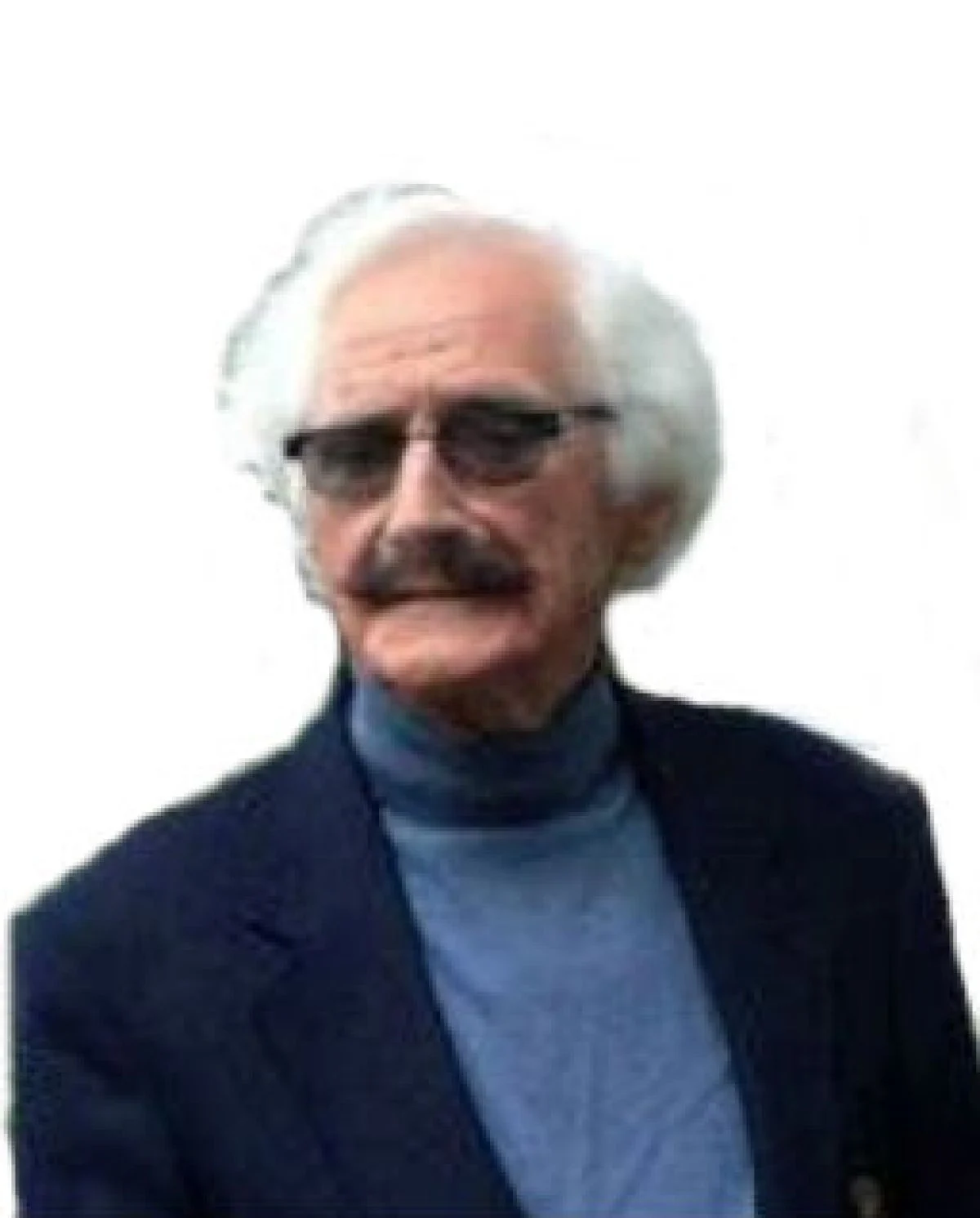
As humanity hurtles forward at an unprecedented pace, propelled by technological advancements that reshape our daily existence, a profound question emerges: are we truly living in the present, or are we increasingly becoming prisoners of our past and projections of our future? Approaching his 94th birthday, a distinguished individual, whose identity remains private but whose reflections carry the weight of nearly a century of experience, offers a compelling perspective on the intricate workings of consciousness, the pervasive allure of memory, and the potential erosion of our present-moment engagement in the face of the digital deluge. His musings, rooted in a deep understanding of human psychology and illuminated by the wisdom of historical thinkers, serve as a critical examination of our contemporary relationship with time and self.
The Dual Nature of Consciousness: Bridging the Inner and Outer Worlds
At its core, our consciousness operates on a dualistic plane, a fundamental aspect of human experience that shapes our individuality. The author, reflecting on his nearly nine decades of life, articulates this duality as a dynamic interplay between two primary functions. The first is our immediate, sensory engagement with the external world – the factual happenings of life that we perceive and feel. This is the realm of direct experience, where sights, sounds, smells, and tactile sensations imprint themselves upon us.
The second, equally vital, function is our internal, reflective capacity. This is where we process the significance of these external events, weaving them into the fabric of our personal narrative, imbuing our existence with meaning and purpose. It is through this internal reflection that we understand how life’s occurrences contribute to our overall journey, shaping our beliefs, values, and aspirations. The author emphasizes that the continuous engagement of both these functions – our outward-directed responsiveness and our inward-evaluative contemplation – is not merely a cognitive exercise, but the very pathway to profound self-realization. This harmonious integration, he suggests, leads to a robust sense of self, both within the tangible world of time and space and within the boundless realm of the mind. This concept resonates with psychological frameworks that posit "individuation," the process of becoming a distinct, whole individual, as a primary developmental goal.
The Tyranny of Memory: When the Past Overwhelms the Present
However, as individuals age, a natural tendency can emerge: a leaning towards dwelling in the past. Reminiscing and contemplation, while essential for solidifying memories and understanding their impact, can, if unchecked, begin to dominate our present experience. The author, with the wisdom of approaching his 94th birthday, acknowledges this challenge firsthand. He observes that the older one becomes, the more susceptible they are to allowing past memories, and the associated feelings and thoughts, to dictate their current attitude towards life. This can lead to a diminishing of the significance and appeal of the "here and now," as the mind becomes preoccupied with a constant stream of recollection.
This mental drift into the past can manifest as a "Been There; Seen This; Done That" mentality, where the novelty and vibrancy of current experiences are overshadowed by the echoes of prior ones. It’s as if the screen of the mind becomes a perpetual playback of past events, dreams, and reflections, insidiously pulling attention away from the unfolding reality of the present moment. This phenomenon is not new; it was recognized by prominent figures centuries ago. The author draws upon the observations of Samuel Johnson, the renowned English lexicographer, who lamented, "No mind is much employed upon the present; recollection and anticipation fill up almost all our moments." Similarly, the poet-philosopher John Dryden articulated a desire for a life lived fully in the present, stating, "Happy the man, and happy he alone, / He who can call today his own." These historical pronouncements underscore the enduring human struggle to remain anchored in the present, a struggle that the author suggests is being exacerbated by contemporary life.
The Digital Erosion: Abstract Experiences and the Loss of Tactile Meaning
The contemporary human way of life, particularly with the pervasive influence of technology, is seen as a significant disruptor to this delicate balance between inner reflection and outward engagement. The advent of computer technology and the digital realm has transformed many of our daily experiences into purely visual encounters on screens. The author argues that this shift, while offering unprecedented access to information and connection, lacks the "hands-on" vitality that imprints senses with genuine meaning and significance.
When experiences are mediated through screens, they become abstract. The physical engagement with the world – the feel of the soil, the scent of rain, the warmth of the sun – is diminished or entirely absent. This abstract mode of living, the author contends, poses a threat to the very goal of personal individuation. If our experiences are increasingly detached from physical reality and sensory input, it becomes more challenging to cultivate a deep understanding of our place in the world and to even pose fundamental existential questions like "who" and "why" we are on this journey of life.
Echoes from the Past: A Prophetic Warning on the Electronic Age
The author’s concerns are not new; they are echoes of his own earlier reflections. He revisits a paragraph from his book, "What the Hell Are the Neurons Up To?", written some years ago. In this passage, he presciently warned of a future where the Electronic Age could turn humanity into "victims" and "automatons." He foresaw a potential scenario where an increasingly "extroverted life," driven by technology, might lead to a stage where the very definition of "human being" is called into question.
This leads him to invoke the words of Charles Darwin, who identified "the moral senses of wonder and conscience" as the most important and noble of human attributes. Darwin asserted that a lack of these qualities renders individuals more akin to lower animals. The author suggests that if humanity continues down the path of technological detachment and the erosion of present-moment, embodied experience, Darwin’s statement could tragically become a "prophetic truth." The implications are stark: a future where our capacity for wonder, ethical reflection, and deep, meaningful engagement with ourselves and the world is significantly diminished, if not lost entirely.
Conclusion: Reclaiming the Present for a Meaningful Future
The reflections of this near-centenarian offer a potent call to action. In an era defined by rapid technological advancement and the constant allure of digital distractions, his insights serve as a crucial reminder of the fundamental pillars of human consciousness and self-realization. The delicate balance between our engagement with the external world and our internal capacity for reflection is paramount.
To navigate the labyrinth of time effectively, and to avoid becoming passive observers of our own lives, we must actively cultivate a conscious effort to be present. This means not only engaging with the external world through our senses but also actively processing its significance and imbuing it with personal meaning. It requires resisting the siren call of the past and the alluring promises of the future, and instead, grounding ourselves in the richness of the present moment.
The author’s poignant observations, supported by the wisdom of historical thinkers and his own prescient writings, urge us to question the trajectory of our digital lives. Are we using technology to enhance our connection with the world and ourselves, or are we allowing it to create a more abstract, detached existence? The answer to this question will undoubtedly shape the future of human consciousness and our ability to achieve true individuation, to live lives that are not merely a collection of past experiences or future anxieties, but a vibrant, meaningful engagement with the unfolding reality of today. The challenge, as articulated by this venerable voice, is to ensure that as we move forward, we do not leave behind the very essence of what it means to be human.