Echoes of Antiquity: Unearthing the World’s Oldest Religious Poem, The Kesh Temple Hymn
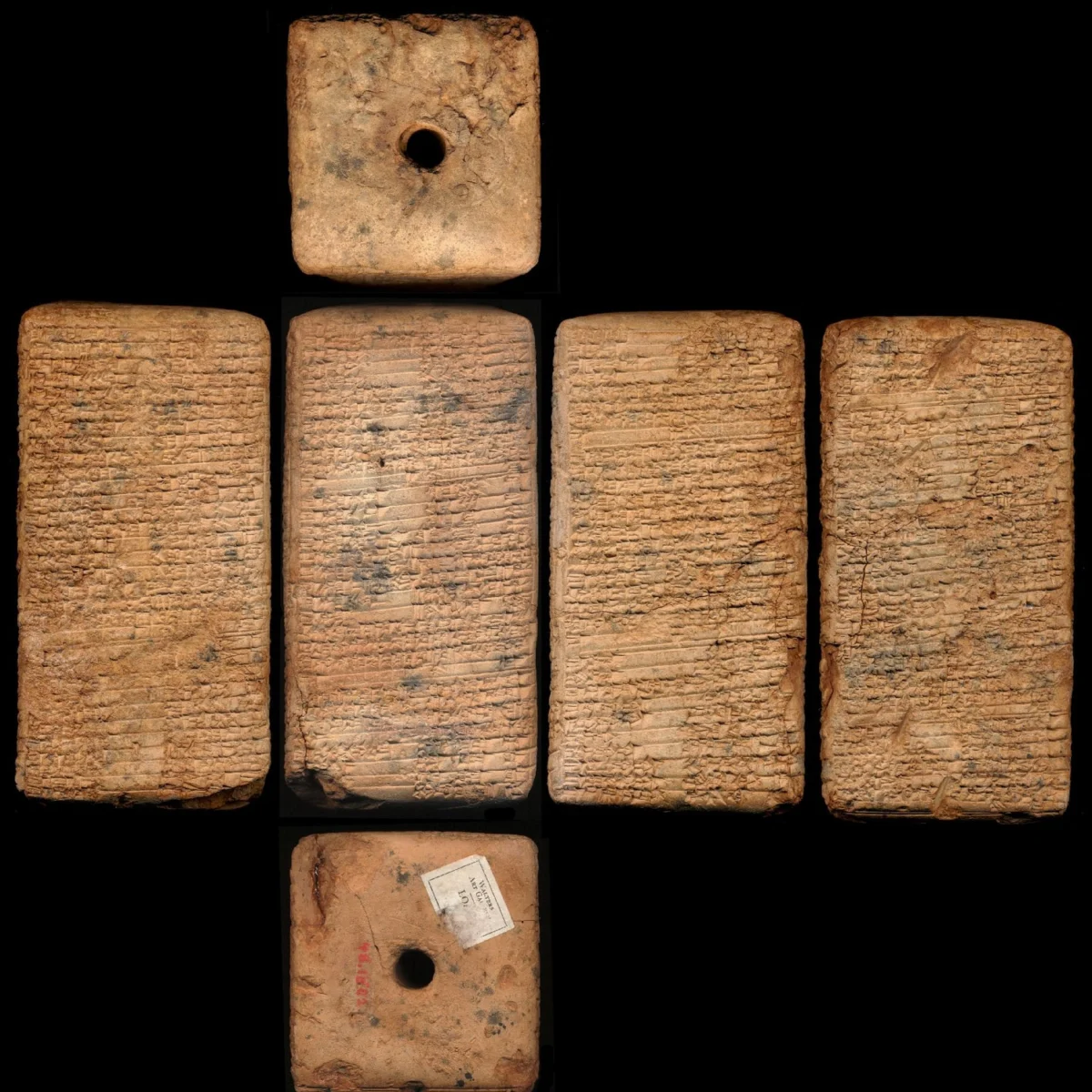
Nippur, Ancient Sumer (Modern-day Iraq) – In the annals of human history, few literary artifacts can claim the profound antiquity and spiritual resonance of the Kesh Temple Hymn. Dating back to approximately 2600 BCE, this Sumerian praise song stands as the oldest known work of religious literature, offering an unparalleled window into the spiritual life and cosmological understanding of ancient Mesopotamia. Discovered in the ruins of Nippur, a bustling intellectual and religious hub, its cuneiform tablets have since revealed a sophisticated poetic tradition dedicated to the goddess Ninhursag and her temple in the enigmatic city of Kesh.
Main Facts: A Glimpse into Sumerian Devotion
The Kesh Temple Hymn is a monumental composition, often cited as the oldest extant religious poem, predating many other foundational texts of global spirituality. Its core purpose is a fervent celebration of Ninhursag, the revered Sumerian mother goddess, and the sacred edifice dedicated to her in Kesh. Structured into eight distinct sections, or "houses," the hymn meticulously guides the reader through the temple’s mystical genesis, from its divine foundation to a concluding message of awe-inspiring reverence for the sacred space.
Its significance extends beyond its age. The hymn provides invaluable insights into the religious and philosophical landscape of ancient Sumer, painting a vivid picture of a society deeply intertwined with its deities and their cosmic order. Its complex narratives and rich symbolism have even drawn comparisons to later Abrahamic texts, with scholars positing potential influences on passages within the Bible, particularly the Book of Genesis. This makes the Kesh Temple Hymn not merely an ancient relic, but a crucial piece in understanding the evolution of religious thought and literary expression.
The rediscovery of the hymn in the 19th century in Nippur, followed by its initial translation in 1909, marked a pivotal moment for Assyriology and the study of ancient Near Eastern cultures. Nippur, renowned for its scribal schools, preserved the hymn as part of the "Decad," an advanced curriculum for students mastering cuneiform, underscoring its educational and cultural importance within Sumerian society.
Chronology: Tracing the Ancient Origins
The Kesh Temple Hymn emerges from the Early Dynastic III period of Sumerian civilization, a flourishing era characterized by powerful city-states, monumental architecture, and a sophisticated literary tradition. Its approximate dating of 2600 BCE places it firmly in the early phases of written history, making it a direct voice from a world millennia removed from our own.
Early Sumerian Literary Landscape (circa 2600 BCE): The hymn’s age places it in a unique position alongside another significant text, The Instructions of Shuruppag. While Shuruppag is often dated to circa 2000 BCE, some scholarly analysis suggests it might be contemporaneous with the Kesh Temple Hymn, pushing its origins back to circa 2600 BCE. If this earlier dating is accurate, Shuruppag would be recognized as the oldest work of philosophical literature, creating a tandem of foundational texts that illuminate the dual pillars of religious and philosophical inquiry in ancient Sumer. Together, they offer a holistic understanding of the intellectual and spiritual concerns of this pioneering civilization.
The City of Kesh and its Context: The hymn’s focus on the city of Kesh and its temple is crucial. While the exact location of Kesh remains a subject of debate, with some scholars suggesting it might be an alternate name for the well-known Sumerian city of Kish, the prevailing view considers it a distinct, yet-to-be-identified urban center. Kish itself was an ancient city, dating back to the Ubaid Period (circa 6500-4000 BCE), and was primarily associated with the goddess Inanna. The hymn’s dedication to Ninhursag, who later became the consort of Enki (who was initially paired with Inanna), sparks a fascinating discussion about potential shifts in local religious patronage or even an attempt to elevate Ninhursag’s cult, possibly superseding earlier veneration of the war god Acgi, Ninhursag’s son with Sul-pa-e, who also features prominently in the hymn. This theological evolution, if accurately inferred, speaks volumes about the dynamic nature of Sumerian religious practices over centuries.
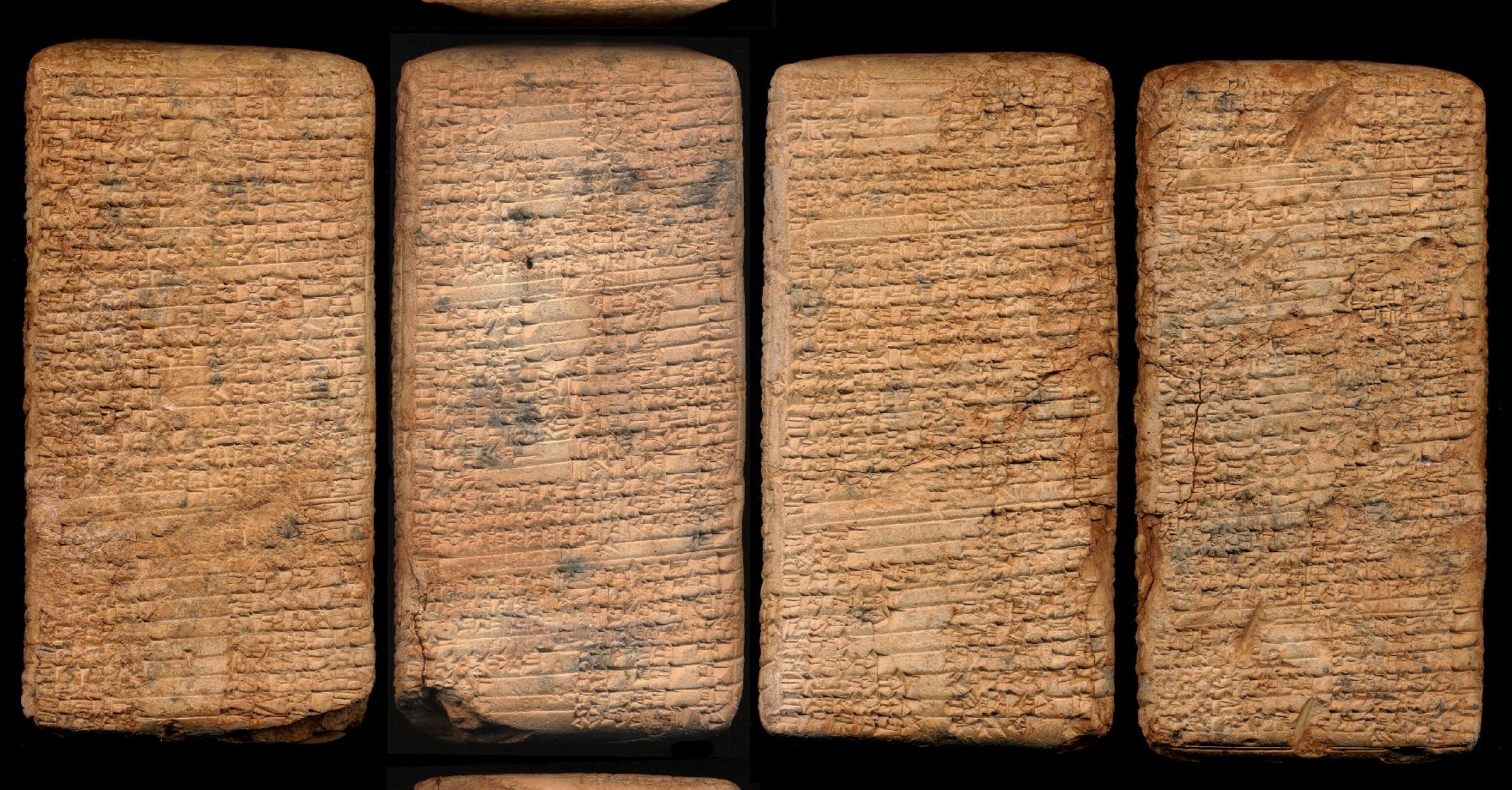
Rediscovery and Translation (19th-20th Century): The physical cuneiform tablets bearing the Kesh Temple Hymn were unearthed during archaeological excavations in Nippur in the 19th century. Nippur, situated in modern-day Iraq, was a major religious capital and a center of learning, making it a natural repository for such significant texts. However, the decipherment of cuneiform itself was a monumental task, and it wasn’t until 1909 that the first translation of the hymn was published, unlocking its ancient verses for modern scholarship. This marked a crucial step in understanding the depth and breadth of Sumerian literary heritage, revealing a world of sophisticated thought previously hidden for millennia.
Supporting Data: Deconstructing the Hymn’s Layers
The Kesh Temple Hymn is a masterpiece of early poetic structure and theological exposition. Its eight "houses" are not merely divisions but distinct movements, each building upon the last to create a comprehensive tribute to the temple and its divine patrons.
Structure and Narrative Progression:
- Foundation and Divine Order: The hymn begins with the majestic founding of Kesh and its temple by Enlil, the chief deity of the Sumerian pantheon, often associated with wind, air, earth, and storms. It describes Nisaba, the goddess of writing and earlier, agriculture, as the "decision-maker," intricately weaving the temple’s narrative "like a net." The temple is declared "rooted in the abzu," the primordial freshwater ocean, usually linked to Eridu and the establishment of cosmic order, signifying its sacred and foundational importance.
- Architectural Grandeur and Offerings: The subsequent "houses" delve into vivid descriptions of the temple’s physical magnificence. Lines detail its immense dimensions ("10 car" at its upper end, "5 bur" at its lower end), its statuary featuring powerful animals like bison, stags, and wild sheep, and its radiant appearance, likened to a princely barge, a rainbow, and even the rising sun. The fourth house specifically addresses the offerings made within its walls, highlighting the rituals that sustained the divine presence.
- Divine Inhabitants and Embellishment: The fifth house introduces the divine inhabitants, particularly Acgi, the "hero," son of Ninhursag and Sul-pa-e. Acgi is depicted embellishing the temple, living there with his parents (Nintud, an alternate name for Ninhursag, and Cul-pa-ed, another for Sul-pa-e) and Urumac, the deity of the open plains. This section might reflect a transition in cultic focus, as Acgi, a war god, was likely an earlier patron of Kesh before Ninhursag assumed that preeminent role.
- Operation and Awe: The later houses continue to praise the temple’s appearance and detail its operation, including the roles of various priests (nuec, en, a-tu, enkum, pacec) and the musical instruments (tigi, ala drum) used in its ceremonies.
- The Concluding Admonition: The hymn culminates in a powerful and enigmatic admonition: "Draw near – but do not draw near." This paradoxical statement is understood as an expression of profound awe and reverence in the presence of the divine, akin to biblical injunctions regarding sacred ground or holy places, emphasizing the necessary deference when approaching the divine.
The Rhetorical Triad: A distinctive feature of the hymn is the recurring triad of rhetorical questions that concludes many of its "houses": "Will anyone else bring forth something as great as Kesh? Will any other mother ever give birth to someone as great as its hero Acgi? Who has ever seen anyone as great as its lady Nintud?" These questions serve to magnify the unique greatness of Kesh, its hero Acgi, and its patron goddess Ninhursag, reinforcing the temple’s unparalleled status and the power of its deities.
Cuneiform and the Edubba: The physical tablets of the Kesh Temple Hymn are written in cuneiform, the wedge-shaped script developed by the Sumerians. Their discovery in Nippur’s scribal quarter attests to their importance in the edubba, the Sumerian "House of Tablets" or scribal school. The edubba system was rigorous, progressing from basic cuneiform exercises to more complex literary compositions. The Kesh Temple Hymn was part of the "Decad," a collection of ten challenging texts assigned to advanced students. Mastering these texts not only honed their linguistic and literary skills but also instilled a deep understanding of Sumerian theology, cosmology, and cultural values, preparing them for roles as scribes, administrators, and priests. The ellipses and question marks in modern translations, as noted by scholars like Jeremy Black et al., highlight the challenges of reconstructing and interpreting these ancient fragments, often due to damage or ambiguities in the original cuneiform.
Official Responses: Scholarly Interpretations and Debates
The Kesh Temple Hymn continues to be a fertile ground for scholarly inquiry, sparking debates and diverse interpretations regarding its purpose, context, and influence.
The Kesh-Kish Conundrum: One of the most persistent debates revolves around the identity of Kesh. While the hymn itself presents Kesh as a distinct city, some scholars, given the phonetic similarity and the prominence of Kish in early Sumerian history, have proposed that "Kesh" might be an archaic or poetic form of "Kish." However, this view faces challenges. Kish was primarily associated with the goddess Inanna, and her veneration continued through the Akkadian Period (2350/2334-2154 BCE). The hymn’s singular focus on Ninhursag and Acgi for Kesh argues against a simple identity switch, suggesting Kesh was indeed a separate, albeit yet undiscovered, cultic center. The ongoing archaeological efforts in Iraq continue to search for potential sites that could definitively identify Kesh.
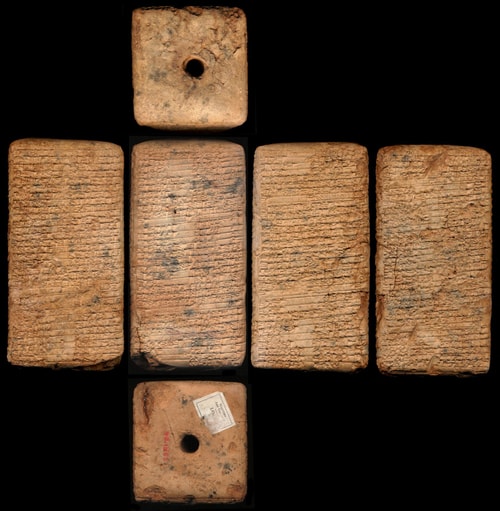
Purpose and Function: Scholars widely agree that the hymn served a didactic purpose within the edubba. However, its original performative function is also considered. Like other Mesopotamian hymns, such as Enlil in the E-kur from Nippur or Shulgi and Ninlil’s Barge, the Kesh Temple Hymn could have been recited during formal temple celebrations, religious festivals, or ceremonies commemorating significant events like the temple’s founding. Its grandiloquent language and repetitive praise would have been ideal for public recitation, fostering communal devotion and reinforcing the legitimacy and power of the local deity and city.
Biblical Connections: The proposed influence on the Bible, particularly the Book of Genesis, is a fascinating area of study. Scholars point to shared themes of divine creation, the establishment of sacred places, and expressions of divine awe. While direct textual borrowing is difficult to prove, the thematic parallels suggest a shared cultural milieu and a common reservoir of ancient Near Eastern literary and religious motifs that could have influenced later traditions. This line of inquiry highlights the interconnectedness of ancient intellectual and spiritual landscapes.
Implications: A Legacy Enduring Through Millennia
The Kesh Temple Hymn is more than just an ancient poem; it is a foundational text that offers profound implications for our understanding of human civilization, religious development, and the enduring power of literature.
Foundational Text of Religious Literature: As the oldest known religious poem, the hymn sets a precedent for the genre of sacred literature. Its structure of praise, invocation, and detailed description of divine attributes and sacred spaces would resonate through countless subsequent religious traditions. It demonstrates an early and sophisticated attempt by humanity to articulate its relationship with the divine, to conceptualize the sacred, and to formalize worship through poetic expression. This makes it a crucial reference point for tracing the evolution of religious thought and literary forms across cultures.
Insights into Sumerian Society and Cosmology: The hymn vividly portrays the centrality of the temple in Sumerian life. Temples were not merely places of worship but served as economic hubs, administrative centers, and communal gathering places. The detailed descriptions of the temple’s operation, the roles of various priests, and the offerings made within its walls reveal the intricate relationship between the divine, the urban landscape, and daily human existence. Furthermore, the hymn’s references to Enlil, Ninhursag, and the abzu provide valuable insights into Sumerian cosmology, their understanding of creation, and the hierarchy of their gods. It underscores a worldview where divine forces were intimately involved in the fabric of the world and human destiny.
Precursor to Later Traditions: The potential influence of the Kesh Temple Hymn on later religious texts, including the Bible, underscores the continuity of ancient Near Eastern thought. While direct causality is debated, the thematic and structural echoes suggest a shared intellectual heritage that contributed to the development of monotheistic traditions. Concepts of divine establishment, the sanctity of specific locations, and the awe-inspiring presence of the divine are universal themes that find one of their earliest and most eloquent expressions in this Sumerian hymn. It reminds us that even seemingly disparate religious narratives can share deep, ancient roots.
A Testament to Human Intellect and Spirituality: The Kesh Temple Hymn stands as a powerful testament to the intellectual and spiritual sophistication of the Sumerians. Composed in a complex language, inscribed on clay tablets with meticulous care, and preserved for millennia, it speaks to a civilization that valued knowledge, artistry, and a deep connection to the sacred. Its study continues to enrich our appreciation for the earliest forms of human expression and provides a vital link to the spiritual endeavors that have shaped cultures across the globe. As archaeologists continue their work in Mesopotamia, the Kesh Temple Hymn remains a beacon, guiding us through the mists of time to understand the dawn of religious literature and the enduring human quest for meaning.