A Tale of Two "Paybacks": Deconstructing Mel Gibson’s Gritty Crime Thriller and Its Director’s Vision
Introduction: A Tale of Two "Paybacks"
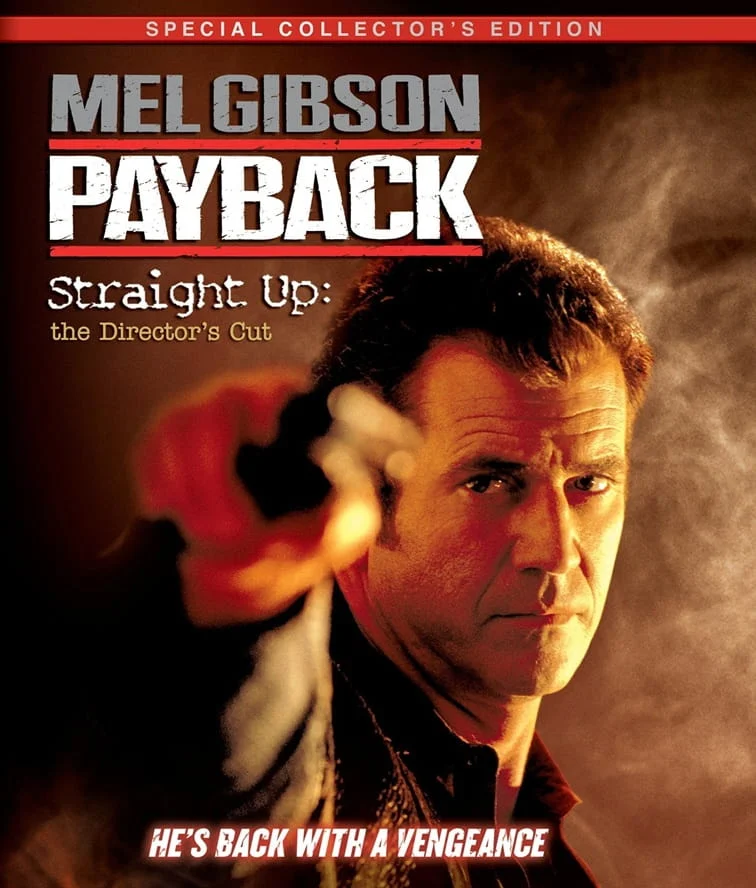
The world of cinema is rife with stories of creative clashes between directors and studios, but few films embody this struggle as distinctly as 1999’s "Payback." Starring Mel Gibson as the relentless anti-hero Porter, the film initially hit theaters with a polished, action-oriented narrative. However, its turbulent production history and the subsequent release of a significantly different "Director’s Cut" in 2006, titled "Payback: Straight Up," offer a fascinating case study in artistic integrity versus commercial pressures. Both versions, while undeniably engaging crime thrillers, present starkly different interpretations of their source material, Donald Westlake’s seminal crime novel, "The Hunter." This article delves into the intricate details of "Payback’s" contentious journey to the screen, examining the motivations behind its various incarnations, the narrative and tonal shifts, and its lasting impact on discussions of creative control in Hollywood.
The Genesis of a Gritty Adaptation
"Payback" originated as an adaptation of "The Hunter," the inaugural novel in Donald Westlake’s acclaimed "Parker" series, written under the pseudonym Richard Stark. Published in 1962, "The Hunter" introduced readers to Parker, a cold, methodical professional thief driven by a singular, unyielding code: when he’s wronged, he always gets what’s owed to him. His quest for vengeance and his share of stolen money forms the backbone of a sprawling series that has influenced generations of crime writers and filmmakers.
Brian Helgeland, an Oscar-winning screenwriter renowned for his work on "L.A. Confidential" (1997) and "Mystic River" (2003), took on the dual role of writer and director for "Payback." His initial vision, as articulated in the "Straight Up" cut, aimed to capture the unvarnished brutality and bleak moral landscape of Westlake’s novel. Mel Gibson, a box-office titan in the late 1990s, was cast as Porter (a name change necessitated by Westlake’s estate reserving the "Parker" moniker for a potential film series, a detail we will revisit). Gibson’s star power promised to bring a wide audience to this dark tale of retribution.
The Contentious Production: A Chronology of Creative Conflict
The production of "Payback" was anything but straightforward. Helgeland, in crafting his adaptation, sought to immerse viewers in the gritty, uncompromising world of Porter, mirroring the novel’s dark tone and violent conclusion. However, as the film neared completion, a crucial juncture arrived: test screenings.
Helgeland’s Vision: Embracing the Darkness
Helgeland’s original cut, which would later become "Payback: Straight Up," delivered a visceral and unapologetically dark experience. It depicted Porter as a man stripped bare, driven solely by a primal need for his $70,000, confronting a world as morally bankrupt as he was. The ending, in particular, was reportedly stark and unforgiving, eschewing conventional Hollywood heroics for a bleaker, more realistic portrayal of consequences. This adherence to the source material’s grim realism, however, proved to be its undoing in the eyes of the studio and, crucially, test audiences. Reports indicated that audiences, accustomed to Gibson’s more heroic or darkly comedic roles, reacted poorly to the uncompromisingly bleak finale. The perception was that Gibson’s character, Porter, needed a more triumphant, or at least less ambiguous, conclusion.
Studio Intervention: The Theatrical Reimagining
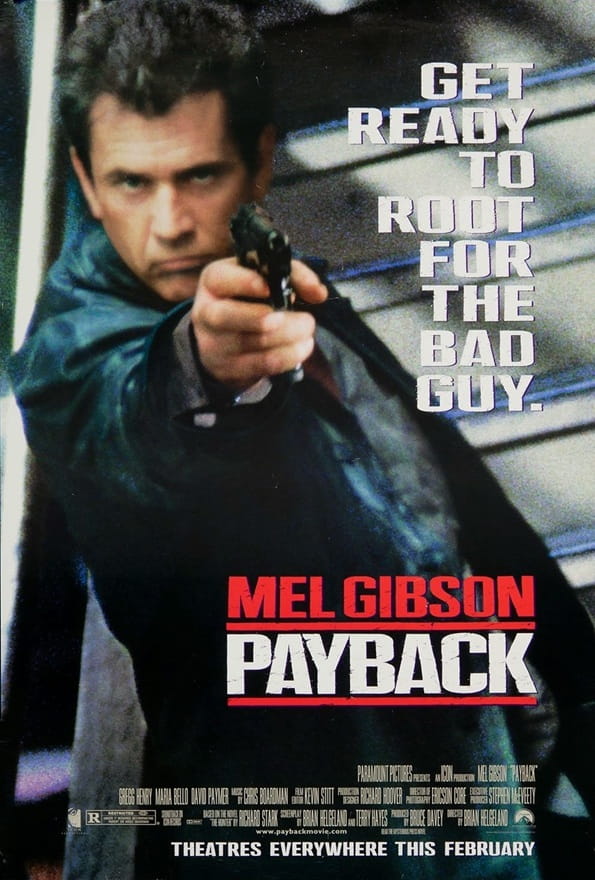
Faced with these reactions, the studio and Gibson decided to intervene. Brian Helgeland was removed from the project, and extensive reshoots and rewrites were commissioned. Terry Hayes, a frequent collaborator with Gibson and a seasoned screenwriter, was brought in to overhaul the ending. Paul Abascal was enlisted as the replacement director for the new scenes.
The mandate was clear: soften the edges, inject more action, and provide a more satisfying, albeit conventional, resolution. This involved significant changes:
- A New Antagonist: Kris Kristofferson was introduced as Bronson, a "final boss" villain at the top of the Outfit hierarchy, replacing the more abstract, telephone-voice presence of the original boss (voiced by Sally Kellerman in Helgeland’s cut).
- Elaborate Kidnapping Plot: A complex storyline involving the kidnapping of Bronson’s son from a boxing match was conceived, adding a major action sequence and escalating the stakes in a more traditional Hollywood fashion.
- Tonal and Visual Shifts: A metallic blue tint was applied to the film’s aesthetic, aiming for a "neo-noir" look that, while visually striking, diverged from the grittier realism of Helgeland’s original photography. Over thirty percent of the movie was reportedly altered or replaced during this phase.
The resulting theatrical cut, released on February 5, 1999, was a commercial success, grossing over $160 million worldwide against a $90 million budget. It was an entertaining, if somewhat tonally inconsistent, crime film that delivered the expected Gibson-esque bravado and action.
The Release of "Payback: Straight Up"
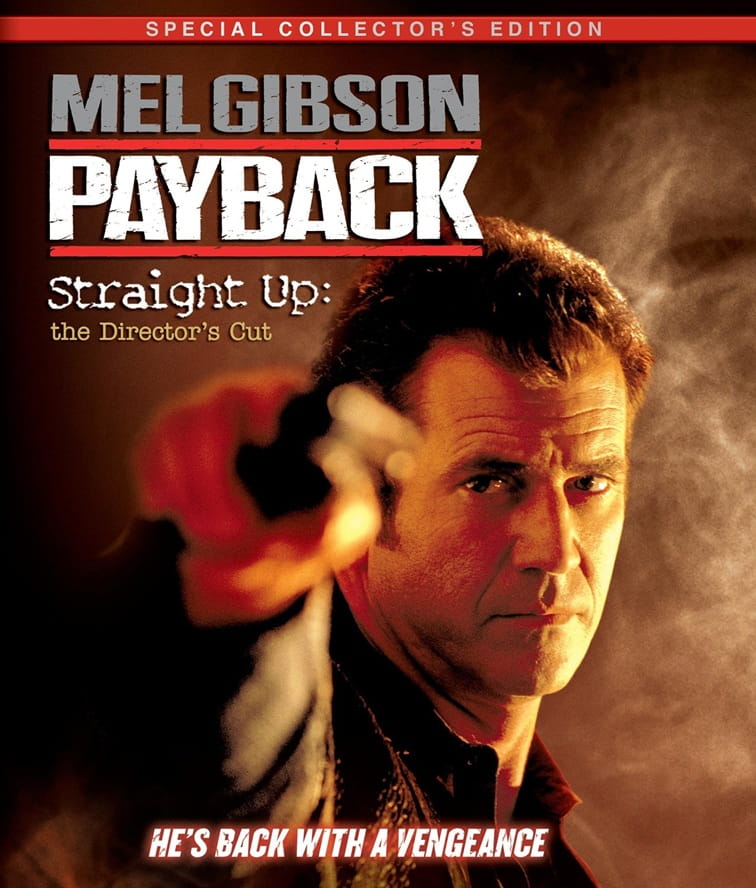
Years later, in 2006, Helgeland was finally granted the opportunity to assemble his original vision. "Payback: Straight Up – The Director’s Cut" was released directly to home video. This version restored his original ending, removed the blue tint, and excised all the material added during the reshoots—including the boxing match, the kidnapped son, and Kristofferson’s character. Clocking in ten minutes shorter than the theatrical cut, it presented a leaner, darker, and more faithful adaptation of "The Hunter." Its release allowed audiences and critics to directly compare the two versions, sparking renewed debate about the film’s true identity.
Dissecting the Differences: Supporting Data and Narrative Shifts
The chasm between the two versions of "Payback" is not merely superficial; it fundamentally alters the narrative, character motivations, and overall thematic resonance.
The Source Material: Donald Westlake’s "The Hunter"
To fully appreciate the differences, one must understand "The Hunter." Westlake’s Parker is a force of nature, driven by an almost pathological need for what is rightfully his. He is not a hero; he is a professional, devoid of sentimentality, operating in a morally ambiguous world. The novel is characterized by its lean prose, relentless pacing, and bleak outlook. Parker’s journey is one of brutal efficiency, cutting through layers of organized crime to retrieve his stolen share. Helgeland’s original vision strove for this stark fidelity.
Porter’s Persona: Gibson’s Interpretation of Parker
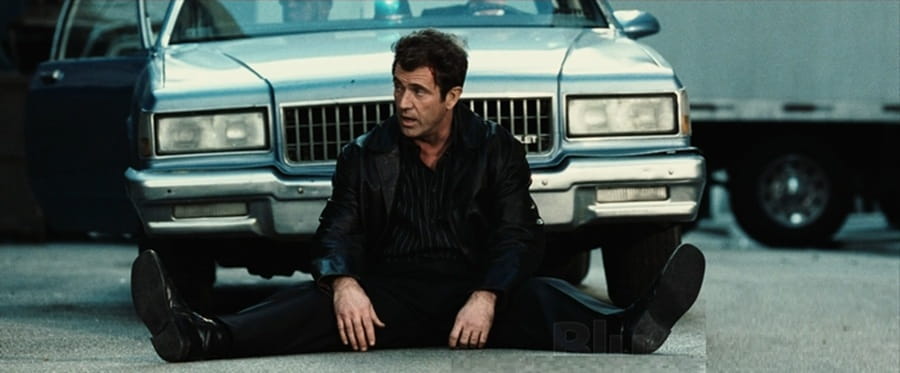
One of the most significant points of contention for Parker purists lies in Mel Gibson’s portrayal of Porter. While Gibson delivers a charismatic performance, often punctuated by a wry, dark humor, his Porter is often described as "somewhat goofy and seems downtrodden for much of the film." He lets himself get pushed around, albeit in service of a larger goal, which deviates from Parker’s unyielding, dominant nature in the novels. Westlake’s Parker is rarely, if ever, seen as vulnerable or "pushed around." The theatrical cut leaned further into Gibson’s established persona, allowing for more moments of sardonic wit and a less severe demeanor. The Director’s Cut, while still featuring Gibson’s performance, presents Porter as a more hardened and less outwardly emotional figure, more aligned with the book’s protagonist.
Narrative Divergence: Key Plot Points
- Lynn’s Betrayal and Fate: In both films, Porter’s estranged wife, Lynn (Deborah Kara Unger), plays a pivotal role. The Director’s Cut aligns more closely with the novel regarding her betrayal. In the book, Mal (Val Resnick in the film) forces Lynn, at gunpoint, to shoot Parker. She does so reluctantly and later regrets it, never truly aligning with Mal. In Helgeland’s cut, while the coercion is less explicit, her ultimate fate (overdosing) and the portrayal of her relationship with Val hint at a more complex, tragic character. The theatrical cut, however, makes Lynn a more willing participant in Porter’s betrayal, claiming Val tricked her into believing Porter was unfaithful. This change impacts Porter’s initial motivations for tracking her down.
- The Ascent of the Outfit: Porter’s methodical climb up the hierarchy of "The Outfit"—the organized crime syndicate—is central to both the novel and the film. In both movie versions, William Devayne and James Coburn portray Carter and Fairfax, the mid-level managers who initially dismiss Porter as a "street-level thug." The satisfaction derived from seeing Porter consistently outmaneuver these "smug, arrogant jerks" is a core element of the narrative’s appeal, highlighting Parker/Porter’s cunning and relentless efficiency. Coburn, in particular, delivers a memorable performance, with his outrage at his luggage being shot ("That’s just mean!") standing out as a moment of dark humor.
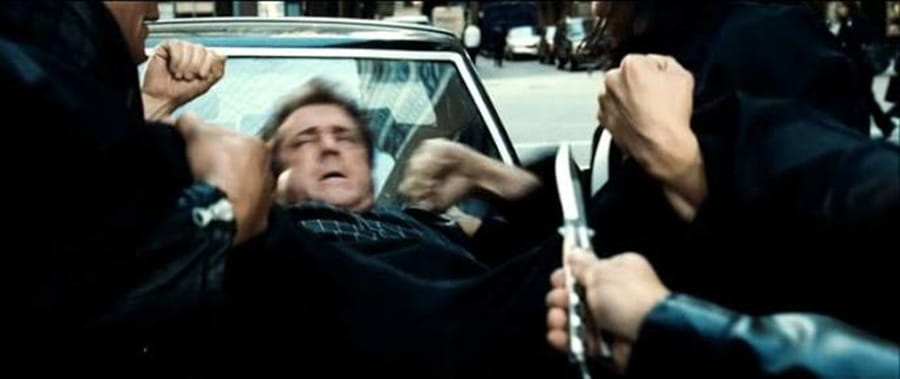
- The "Final Boss" and the Kidnapping Arc: This is perhaps the most significant divergence. Helgeland’s original vision, faithful to the book, culminated in Porter directly confronting the Outfit’s top boss, Bronson, who is largely a disembodied voice on the phone (voiced by Sally Kellerman). The ending is a violent shootout in a subway station, where Porter secures his money amidst a wave of assassins. It’s bleak, visceral, and unsentimental. The theatrical cut, however, introduces Kris Kristofferson’s physical embodiment of Bronson, transforming him into a tangible "final boss." This version also adds an elaborate kidnapping plot involving Bronson’s son, a boxing match, an extreme torture scene, and a large explosion—all elements designed to elevate the action and provide a more definitive, albeit less nuanced, climax. This shift transforms the narrative from a gritty, personal vendetta into a more conventional action-thriller.
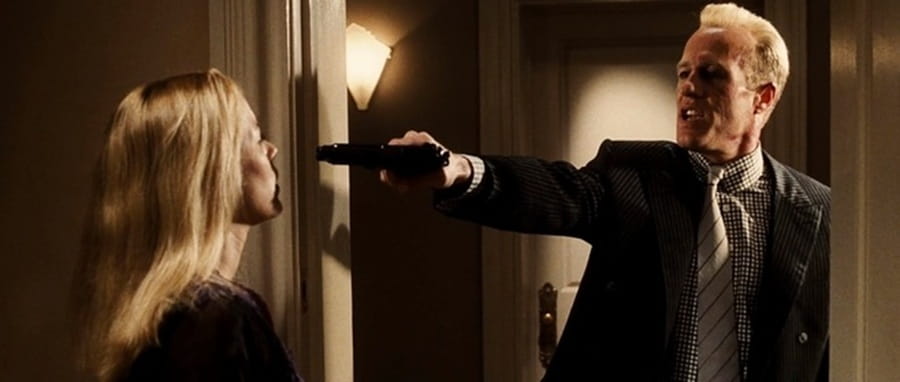
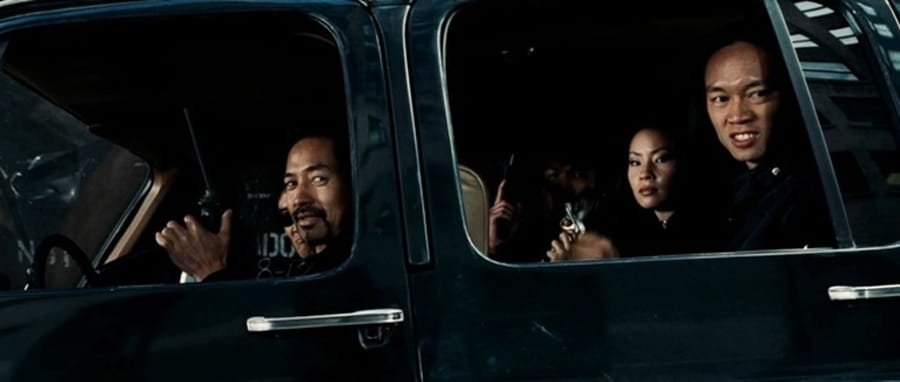
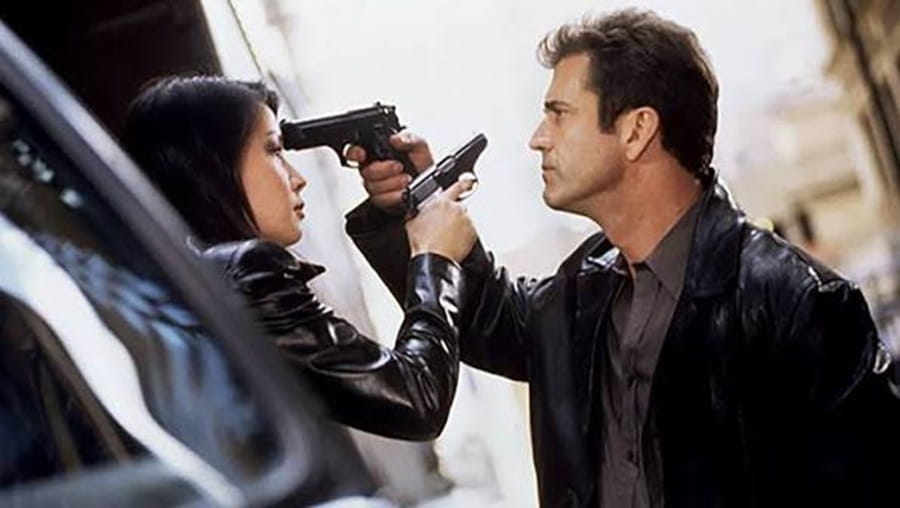
- Supporting Cast and Character Evolution: The film also introduced characters not present in the book or significantly altered them. David Paymer’s Stegman, the taxi office manager/bookie, is a delightfully sleazy addition, whose line "It’s a ride-along, Porter. Your piece of the pie just got smaller. But I’ll save you some of the crust!" perfectly encapsulates his opportunistic nature. Helgeland also added two corrupt police officers and a group of Asian gangsters led by "Pearl," portrayed with sadistic relish by Lucy Liu. Her character, a "sadistic dominatrix," is a far cry from the "meek prostitute" in the book, providing a dynamic and violent counterpoint to Val Resnick (Gregg Henry, who is "far more violent and sadistic and rotten" than the book’s Mal). These additions, while entertaining, further illustrate Helgeland’s willingness to expand upon the source material while still maintaining its core spirit in his cut.
Aesthetic and Tonal Contrasts
Beyond plot points, the aesthetic and tonal differences are palpable. The metallic blue tint of the theatrical cut gave it a stylized, "neo-noir" feel, often seen as a conscious effort to distance it from the grittier, more realistic crime films of the era. Helgeland’s Director’s Cut, by contrast, removed this tint, opting for a more naturalistic, desaturated palette that emphasized the bleakness and dirtiness of Porter’s world, aligning more closely with the stark reality of Westlake’s prose. The pacing also differs, with the Director’s Cut being leaner and more focused on Porter’s relentless pursuit, while the theatrical cut incorporates more expansive action sequences and character interactions.
Behind the Scenes: Official Responses and Artistic Integrity
The events surrounding "Payback" became a prominent example of studio interference, a perennial concern for filmmakers. Brian Helgeland, while initially expressing disappointment, eventually found solace in the opportunity to release his Director’s Cut. His ability to reassemble his original vision served as a testament to the growing power of home video releases in allowing filmmakers to reclaim their artistic intent. Mel Gibson, for his part, publicly supported the changes made to the theatrical cut, believing they made the film more palatable and exciting for a wider audience. He and the studio were reportedly keen on creating a commercial success that leveraged Gibson’s established action persona.
This episode highlights the tension between a director’s artistic vision and a studio’s commercial imperatives. For a film based on such a revered literary character as Parker, the debate over fidelity to the source material further complicated matters. Helgeland’s cut prioritized the novel’s dark realism, while the studio-mandated version prioritized mass appeal and a more conventional action-movie structure.
The Enduring Legacy: Implications for Filmmaking and Adaptation
"Payback" and "Payback: Straight Up" stand as a significant case study with broader implications for the film industry.
The Director’s Cut Phenomenon
The existence and eventual release of "Payback: Straight Up" contributed to the burgeoning "Director’s Cut" phenomenon in the 2000s. Films like "Blade Runner," "Kingdom of Heaven," and "Donnie Darko" all saw their directors’ original visions restored and often celebrated years after their theatrical releases. This trend empowered filmmakers and offered audiences a deeper appreciation for the creative process, allowing them to compare and contrast different artistic choices. For "Payback," it offered a definitive answer to the question of what Helgeland originally intended, solidifying his reputation as a director with a clear, uncompromising vision.
Adapting Literary Icons
The debate over "Payback’s" fidelity to "The Hunter" also underscores the challenges of adapting beloved literary works, especially those featuring iconic characters like Parker. Donald Westlake famously guarded the "Parker" name, only allowing it to be used for a potential series, a desire that sadly never materialized during his lifetime. This led to "Parker" being renamed "Porter" in "Payback" and other adaptations of his novels. It wasn’t until after Westlake’s passing that his estate permitted the use of the "Parker" name for the 2013 Jason Statham film.
The critical reception of both "Payback" cuts often hinges on this fidelity. While the theatrical cut was "entertaining" and "pretty good" as a "generic crime film," it often fell short for purists who felt it didn’t truly capture the essence of Parker. The Director’s Cut, by contrast, was lauded for being "more cohesive, consistent," and retaining "the writer/director’s original vision in full," making it a more faithful (though not perfect) adaptation.
Conclusion: Two Paths to "Payback"
Ultimately, both versions of "Payback" offer compelling cinematic experiences, each with its own virtues and flaws. The theatrical cut, rated 9/10 in the original review, delivers a high-octane, star-driven action thriller, tailored for broad audience appeal. The Director’s Cut, rated 8/10, provides a darker, more nuanced, and arguably more authentic adaptation of Westlake’s brutal novel, showcasing Brian Helgeland’s uncompromising artistic vision.
The story of "Payback" is a microcosm of Hollywood’s perpetual tug-of-war between art and commerce. It reminds us that behind every finished film lies a complex web of decisions, compromises, and creative battles. For fans of gritty crime fiction and cinematic history, exploring both versions of "Payback" offers a rare and insightful glimpse into the multifaceted process of bringing a story to the screen, and the enduring power of a director’s original voice. While Mel Gibson’s Porter may not be a perfect replica of Westlake’s Parker, his relentless pursuit of his "seventy grand" resonates powerfully in both iterations, proving that sometimes, even when a film takes two divergent paths, the journey itself is worth the price of admission.