
Chelsea FC Unveils Bold New Identity with "Can’t Tame Us" Campaign and 2026/27 Home Kit
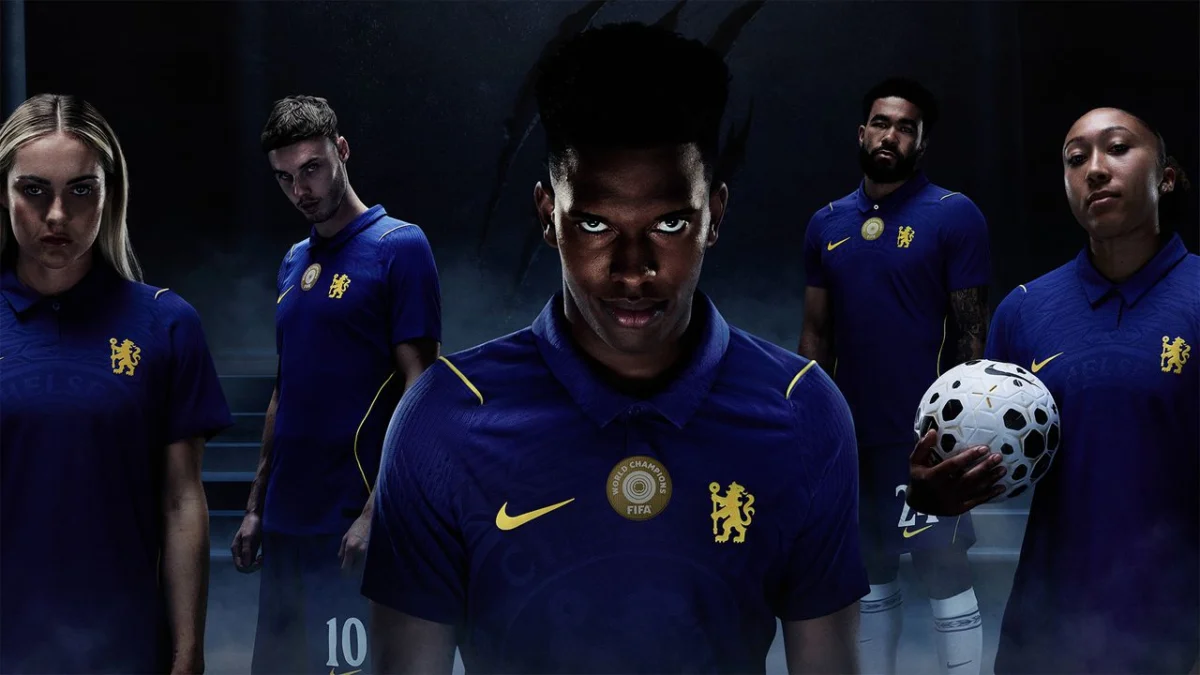
London, UK – June 2, 2026 – Chelsea Football Club, in partnership with global sportswear giant Nike, has today launched its highly anticipated home kit for the 2026/27 season. The unveiling is not merely a reveal of new apparel, but a declaration of a revitalized club ethos, encapsulated by the powerful and provocative campaign, "Can’t Tame Us." This ambitious launch marks a significant departure from traditional kit reveals, blending elements of guerrilla marketing with high-fashion aesthetics to create a distinctive and culturally resonant debut.
The iconic Chelsea lion, a symbol deeply ingrained in the club’s rich history and one of the most recognizable UK football logos, stands as the central motif throughout the "Can’t Tame Us" campaign. The new kit and its accompanying narrative are designed to signify a new era for the club, aiming to be both "culturally disruptive and stylistically fearless." However, as is often the case with significant club announcements, the bold new direction has already ignited a spectrum of reactions among the passionate Chelsea fanbase.
The Genesis of "Can’t Tame Us": A Strategic Vision
The "Can’t Tame Us" campaign is the brainchild of the innovative creative agency TILL DAWN, with strategic direction provided by the renowned brand consultancy ICONIC. This collaboration underscores the club’s commitment to a forward-thinking and impactful brand identity. The campaign’s core message, "Can’t Tame Us," is intrinsically linked to the indomitable spirit of Chelsea Football Club and its devoted supporters.
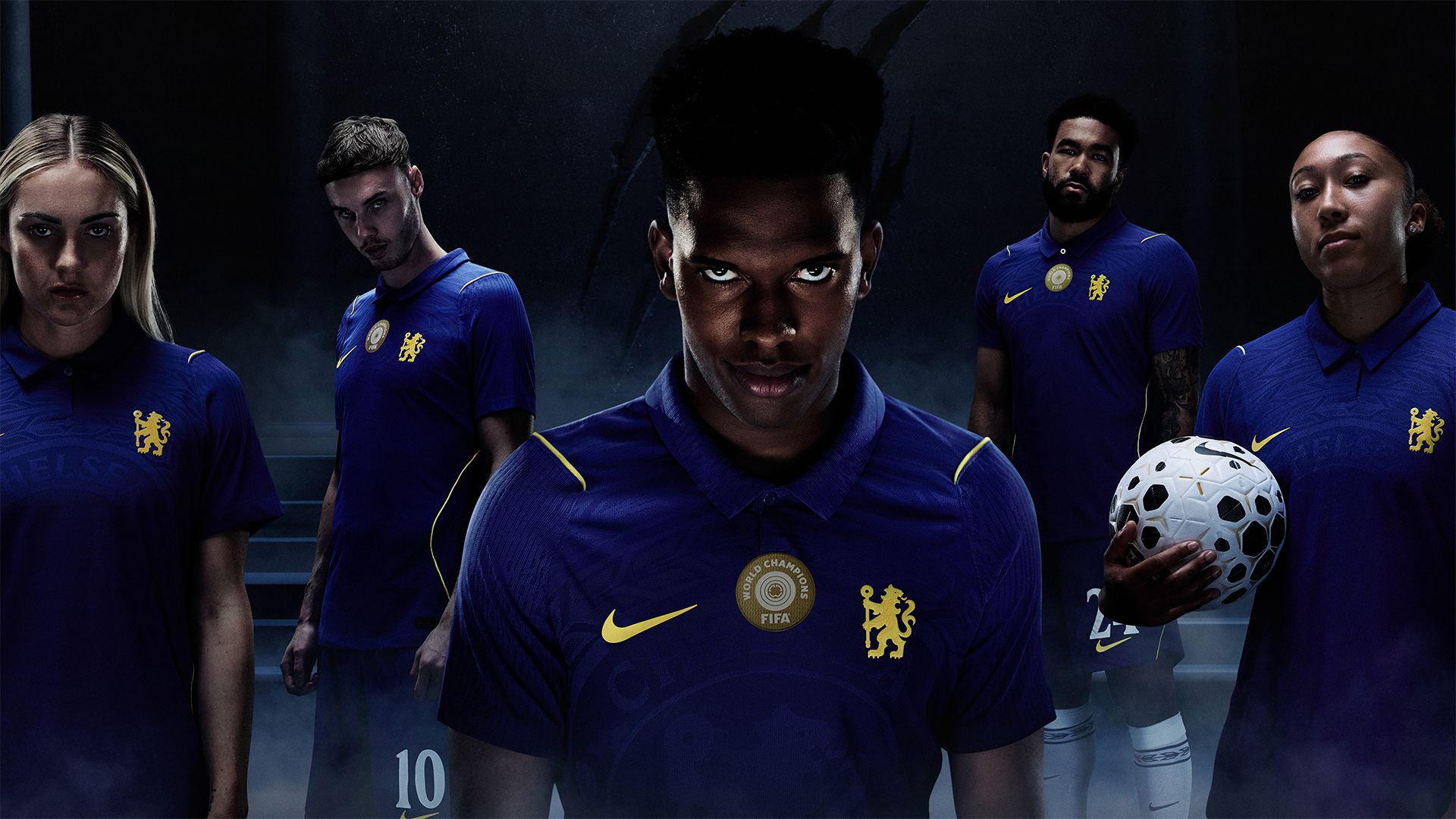
According to a press release detailing the campaign’s philosophy, the message extends beyond the pitch: "You can’t tame the players, the style, the youth, the progress or the club’s global influence." This sentiment highlights a desire to embody a multifaceted dynamism that defines modern Chelsea. The creative output is described as "bold, striking, fashion-forward," with the lion emblem serving as a visual anchor representing a "shared belief, a shared pride that cannot be tamed." This positions the kit reveal as more than just a commercial launch; it’s an articulation of the club’s evolving identity and its aspirations on and off the field.
A Fresh Aesthetic: Design and Dissemination
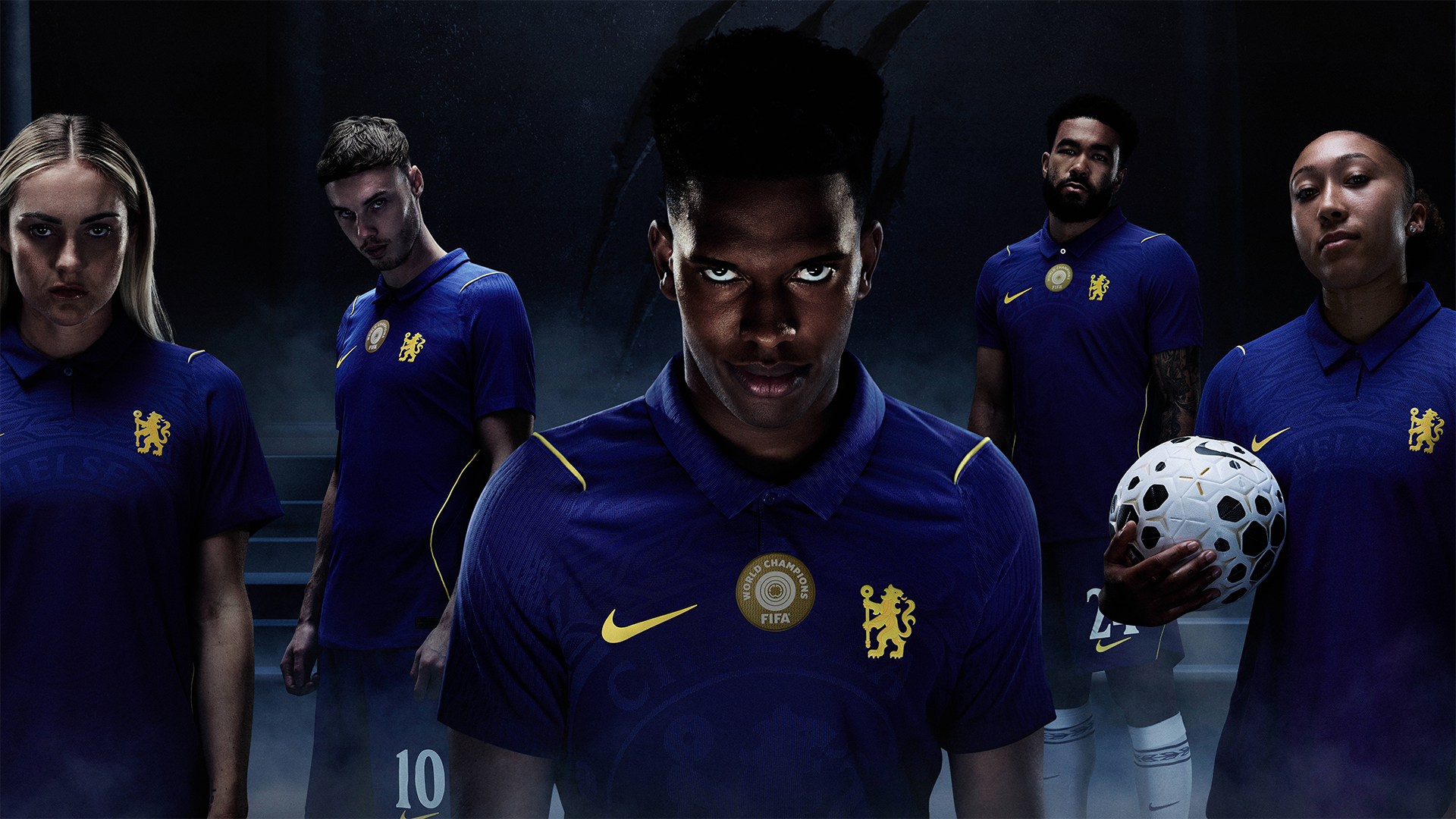
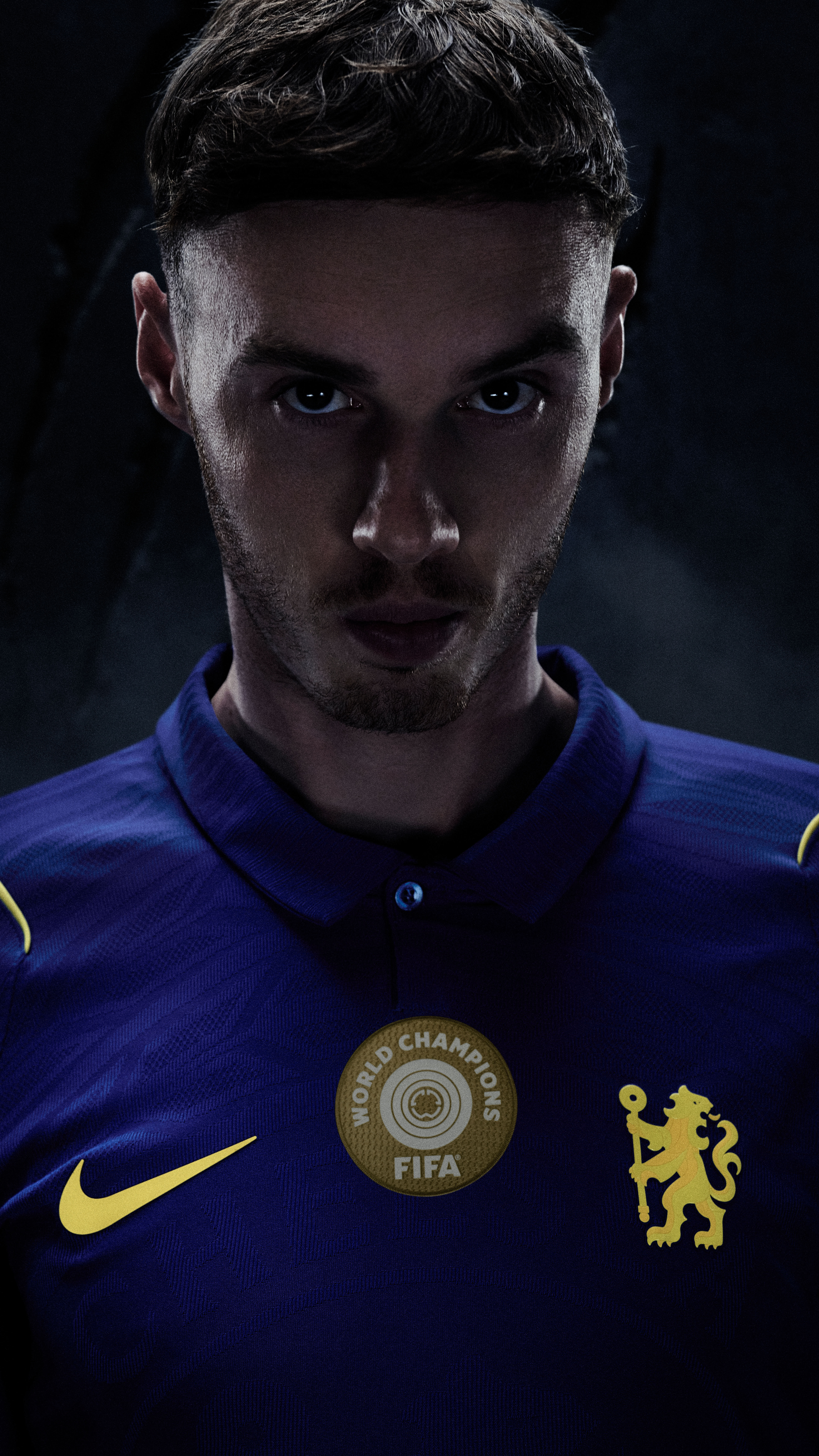
The 2026/27 Chelsea home kit itself embodies this new ethos with subtle yet significant design elements. The refreshed Chelsea FC badge and the iconic Nike Swoosh are rendered in a striking "Midwest Gold," a sophisticated metallic hue designed to capture attention. This is complemented by the shirt’s collar and button-down neck, which are presented in the classic and unmistakable "Chelsea Bright Blue." The combination aims for a balance between contemporary style and timeless club heritage.
The launch strategy eschewed traditional press conferences and sterile studio shoots in favor of a more immersive and organic approach. Teasers of the new design began appearing organically in urban landscapes across the globe. Posters, murals, and projections showcasing elements of the kit and campaign messaging were strategically placed in prominent locations in cities as diverse as London and Los Angeles. This guerrilla marketing tactic aimed to generate organic buzz and integrate the campaign into the fabric of fan culture, fostering a sense of discovery and anticipation.
Cultivating Influence: Celebrity Endorsements and Fan Engagement
In a move to amplify the campaign’s reach and cultural relevance, Chelsea FC personally delivered the new kit to a curated selection of influential figures across various spheres of influence. This strategic outreach included prominent athletes, music icons, and entertainment personalities. Notably, golfer Justin Rose and music legend Madonna were among the high-profile individuals who received the kit. Madonna, in particular, was seen showcasing the jersey during a livestream with internet personality Gymskin, a move designed to bridge the gap between traditional sports fandom and contemporary digital culture.
This approach aimed to position the kit not just as a piece of sportswear, but as a statement of style and affiliation, extending its appeal beyond the core football fanbase. By associating the kit with diverse cultural icons, Chelsea and Nike sought to tap into new audiences and reinforce the "Can’t Tame Us" message as a broader statement of individual and collective defiance and self-expression.
Fan Reception: A Divided Response to a Bold New Direction
While the "Can’t Tame Us" campaign and its associated celebrity endorsements have generated significant media attention, the reaction from the Chelsea fanbase has been notably mixed. Social media platforms and fan forums have become a battleground for opinions on the new kit and campaign.
Some supporters have embraced the new direction wholeheartedly. One fan lauded the kit as "simple and classy," appreciating the understated elegance of the design. Another expressed fervent optimism, stating, "We’re winning the league this coming season with this amazing jersey," linking the kit’s aesthetic to potential on-field success.
However, a segment of the fanbase has voiced reservations, questioning the campaign’s messaging and the kit’s design. Criticisms included the perception that the campaign’s "beast" aesthetic felt forced and did not align with the kit’s visual presentation. One particularly candid fan commented, "Kit doesn’t even match this ‘beast’ aesthetic you lot are trying to force." Another expressed disappointment with the design, bluntly stating, "Looks like a P.E kit." These comments highlight a divide in how the club’s new identity is being interpreted and received by its loyal supporters, with some yearning for a more traditional approach and others eager for innovation.
The Lion’s Legacy: Examining the Symbolism and Future Implications
The enduring presence of the lion motif is central to the "Can’t Tame Us" campaign. It symbolizes an unyielding spirit, a refusal to be constrained, and a powerful connection between the club, its players, and its fans. This symbolism is intended to resonate with a sense of collective pride and an unwavering commitment to progress, regardless of external challenges or perceptions.
The campaign’s emphasis on "youth, progress, and global influence" suggests a strategic pivot towards a younger, more globally-minded demographic, while still acknowledging the club’s established heritage. The fusion of high-fashion sensibilities with athletic wear indicates an ambition to position Chelsea not just as a football club, but as a lifestyle brand that transcends the boundaries of the sport.
The "Can’t Tame Us" campaign and its accompanying kit reveal represent a significant investment in Chelsea FC’s brand identity. The club and Nike have clearly aimed for a disruptive and memorable launch, utilizing unconventional marketing tactics and engaging a wide array of cultural influencers. The varied fan reactions underscore the challenge of balancing innovation with the deeply held traditions and expectations of a passionate fanbase.
The long-term success of this campaign will likely depend on its ability to resonate beyond the initial launch buzz. Whether the "Can’t Tame Us" ethos translates into on-field success, fosters a stronger sense of community among fans, and solidifies Chelsea’s position as a culturally relevant entity will be closely watched in the seasons to come. The bold declaration of untamable spirit has been made; now, the club must prove it.
For further insights into the evolving landscape of football branding, consider exploring the genius double meaning behind Cole Palmer’s new logo or examining the broader trends and potential design challenges facing football club logos today.



Leave a Comment