Shadows of the Atlas: Exploring the Dystopian Ambition of D.E.C.A.Y.
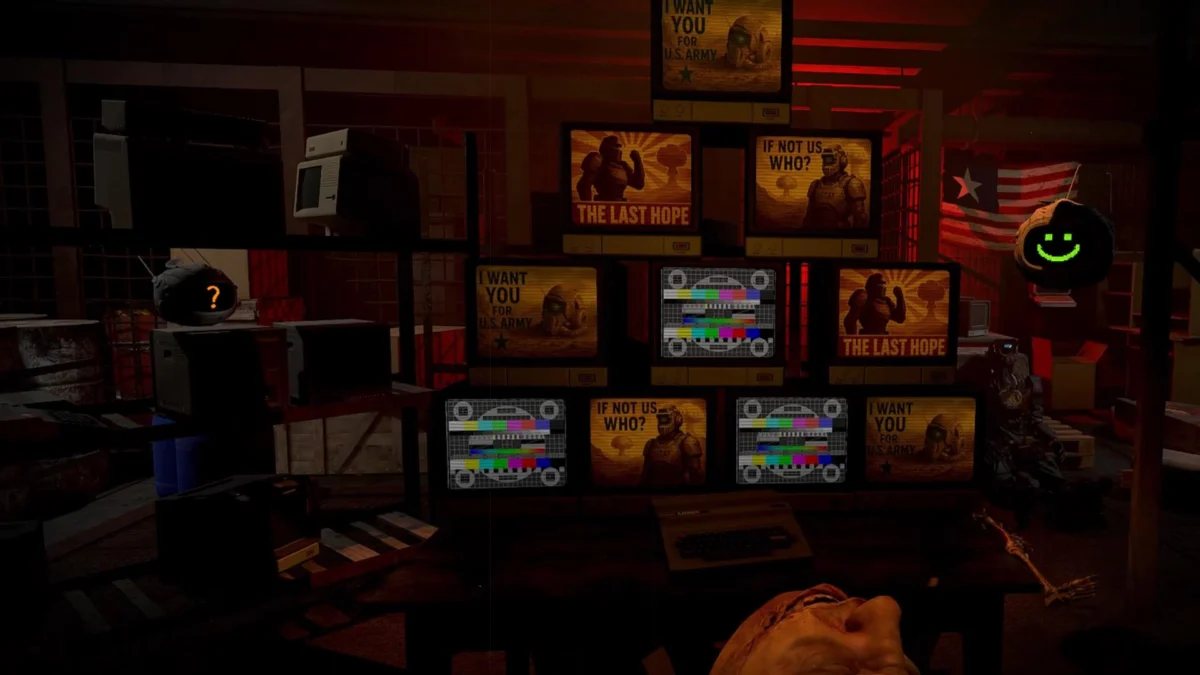
The landscape of virtual reality survival gaming is about to become significantly more desolate—and perhaps more intriguing. On August 21, the independent studio AGaming+ will launch its latest title, D.E.C.A.Y., into Early Access on SteamVR. Set against the backdrop of a scorched, post-nuclear North America, the game promises a blend of tactical gunplay, resource management, and a narrative steeped in corporate corruption and environmental collapse.
As the VR medium matures, players are increasingly seeking experiences that offer more than just "wave-shooting" or simple tech demos. They demand worlds with weight, history, and mechanical depth. D.E.C.A.Y. (Department of Environmental Control And Yield) aims to meet these demands, building upon the foundations laid by atmospheric giants like Into the Radius and the S.T.A.L.K.E.R. series, while carving out its own identity through its unique "Atlas Network" lore and solo-developer pedigree.
Main Facts: A New Frontier in VR Survival
D.E.C.A.Y. is a first-person survival shooter designed exclusively for PC-based virtual reality systems. At its core, the game is a simulation of life after the end of the world, where the primary antagonist is not just the radiation or the mutated remnants of society, but the very organization tasked with humanity’s salvation.
The titular agency, the Department of Environmental Control And Yield, presents itself as the thin line between human extinction and a managed recovery. However, the game’s narrative quickly reveals a darker truth: D.E.C.A.Y. is a corrupt, authoritarian entity using its control over vital resources—specifically the Atlas thermal shields—to exert absolute power over a dying planet.
Key features of the upcoming release include:
- The Atlas Network: A series of massive, high-tech structures that generate thermal and radiation shields to prevent the sun from incinerating the Earth’s surface. Players act as technicians and enforcers for this network.
- Bunker-Based Progression: Utilizing a central hub system, players return to a fortified bunker to clean weapons, organize supplies, and plan their next excursions into the "Dead Zones."
- Tactical Gunplay: A focus on realistic weapon handling, manual reloading, and equipment maintenance that requires physical interaction within the VR space.
- Early Access Roadmap: The game is slated for a one-year development cycle in Early Access, during which the developer intends to expand the map, add narrative chapters, and refine the survival mechanics based on community feedback.
Chronology: From Z.O.N.A. to D.E.C.A.Y.
The journey to the August 21 release of D.E.C.A.Y. is a testament to the persistence of solo developer AGaming+. To understand the DNA of this new project, one must look at the developer’s recent history in the VR space.
In 2023, AGaming+ released Z.O.N.A. Project X, a title heavily inspired by the Chernobyl Exclusion Zone and the S.T.A.L.K.E.R. franchise. It was a project that established the developer’s ability to create atmospheric, high-stakes environments on a limited budget. This was followed in 2025 by Z.O.N.A. Origin, which refined the engine and expanded the scope of the "Zone" style of gameplay, introducing more complex AI and environmental hazards.
The transition to D.E.C.A.Y. represents a shift from the Eastern European "Stalker" aesthetic to a distinctly American post-nuclear dystopia. The development timeline reached a critical milestone in June 2026 during the Steam Next Fest. A public demo of D.E.C.A.Y. was released, allowing the VR community to experience the game’s core loop for the first time.
The demo was met with positive reception, specifically regarding its "tactile" feel. Players noted that while it shared DNA with Into the Radius—particularly the feeling of isolation and the necessity of equipment upkeep—it felt more action-oriented and narrative-driven. Following the feedback from Next Fest, AGaming+ spent the subsequent months polishing the Atlas Network mechanics and optimizing performance for the SteamVR launch.
Supporting Data: Mechanics and Technical Depth
In the survival genre, the "devil is in the details," and D.E.C.A.Y. seeks to differentiate itself through several data-driven design choices and mechanical layers.
The Thermal Shield Mechanic
Unlike many post-apocalyptic games where "radiation" is a static health-drain, D.E.C.A.Y. introduces the concept of the scorched sun. Because the ozone layer is effectively gone, the sun is a lethal weapon. The Atlas Network creates localized "safe zones" where the temperature is survivable. Moving outside these zones requires specialized gear and a constant awareness of the time of day and shield integrity. This adds a layer of "environmental puzzle-solving" to every mission.
Equipment Maintenance and Economy
Data from the Next Fest demo suggested that players spent roughly 30% of their playtime in the bunker. This is by design. The game features a "manual maintenance" system where:
- Weapon Degradation: Firearms can jam or lose accuracy if not cleaned using physical brushes and oils found in the world.
- Resource Scarcity: Ammunition is not found in crates but must be scavenged from the gear of fallen D.E.C.A.Y. patrols or traded for using "Yield Credits."
- Physical Inventory: Similar to the highly praised "backpack" system in The Walking Dead: Saints & Sinners, players must physically reach over their shoulders or to their belts to access gear, heightening tension during combat.
Technical Specifications
D.E.C.A.Y. is built on a modified version of the Unity engine, optimized for high-fidelity VR rendering. The developer has confirmed support for a wide range of hardware, including Valve Index, Meta Quest (via Link/Air Link), and Windows Mixed Reality. The game utilizes advanced lighting techniques to simulate the harsh, blinding glare of the post-nuclear sun, contrasted with the oppressive darkness of the underground bunkers.
Official Responses: The Developer’s Vision
While AGaming+ operates as a solo studio, the developer has been vocal on community forums and Steam developer blogs regarding the philosophy behind D.E.C.A.Y..
In a recent developer update, the creator addressed the comparisons to other VR survival titles: "While we have great respect for games like Into the Radius, D.E.C.A.Y. is focused on the tension between the individual and the state. You aren’t just surviving the monsters; you are surviving the bureaucracy of a world that has already died. The ‘Department’ is your lifeline, but they are also your jailer."
Regarding the choice of Early Access, the developer stated that the August 21 release is "the beginning of the conversation." The goal is to spend the next 12 months implementing a branching narrative where player choices—such as sabotaging an Atlas shield or turning in fellow survivors—will have lasting impacts on the game world.
Official communication also emphasizes the "lone wolf" nature of the development process. By remaining a solo studio, AGaming+ claims it can maintain a singular, uncompromising vision for the game’s atmosphere without the dilution that often comes with larger corporate development teams.
Implications: The Future of VR Survival
The release of D.E.C.A.Y. carries several implications for the broader VR market and the survival genre.
The Rise of the Solo "Auteur" in VR
The success of games like D.E.C.A.Y. highlights a growing trend in the VR industry: the rise of solo developers or small teams producing "AA" quality content. As VR development tools become more accessible, the barrier to entry for creating complex simulations is lowering. If D.E.C.A.Y. succeeds, it will further prove that a single developer can compete with larger studios by focusing on niche, high-depth mechanics that larger publishers might deem too "hardcore" for a general audience.
Market Saturation and Innovation
The VR survival shooter market is becoming increasingly crowded. With Into the Radius 2 on the horizon and titles like Ghosts of Tabor dominating the multiplayer space, D.E.C.A.Y. must rely on its narrative hook and the Atlas Network mechanics to stand out. Its success will depend on whether players find the "corrupt agency" storyline compelling enough to choose it over established franchises.
The Early Access Model as a Standard
By committing to a year of Early Access, AGaming+ is following the successful blueprint of many VR hits. This model allows for the intensive hardware optimization required for VR, which varies wildly across different PC configurations. Furthermore, it allows the developer to "crowdsource" the balance of survival mechanics, ensuring that the game is challenging but not frustrating.
Environmental Themes in Gaming
Finally, D.E.C.A.Y. reflects a growing trend of "eco-dystopian" themes in media. By focusing on the sun as a primary threat and the control of environmental shields as a political tool, the game taps into contemporary anxieties about climate change and resource scarcity, albeit through the lens of a post-nuclear sci-fi setting.
As August 21 approaches, the VR community will be watching closely. Whether D.E.C.A.Y. becomes a mainstay of the genre or a cult classic, its ambitious scope and atmospheric depth represent a significant step forward for independent VR development. In the scorched ruins of America, the Department is watching—and for players, survival is only the first step.