The Silence of the Schoolyard: Analyzing Naono Yoshiko’s "Trauma Shojo" and the Legacy of Hide and Seek
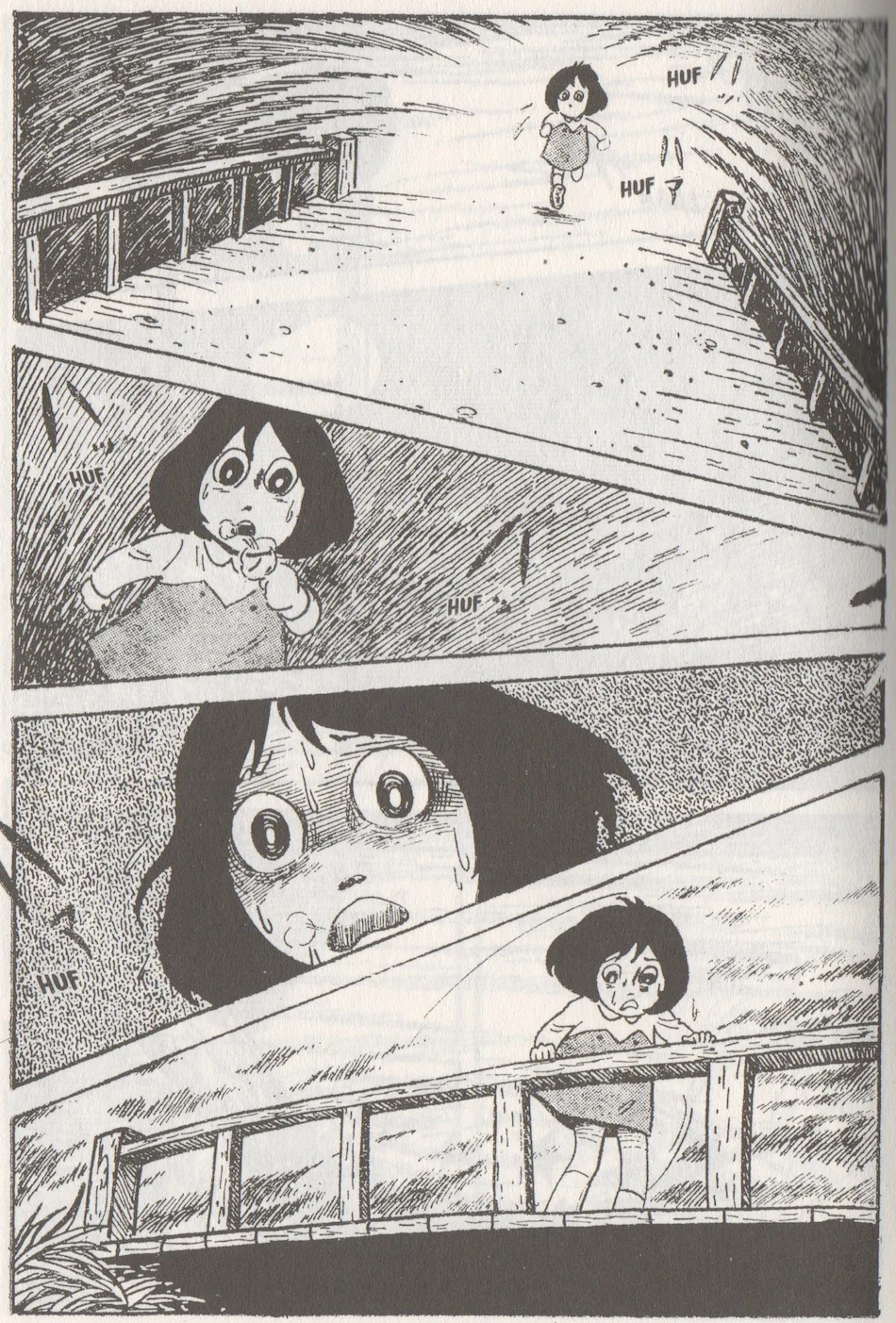
The landscape of horror manga is often defined by its cacophony—the visceral shrieks of Kazuo Umezz’s The Drifting Classroom or the grotesque, supernatural wails found in the works of Junji Ito. However, a newly unearthed collection from the 1970s suggests that the most profound terrors of childhood are not found in the scream, but in the silence that precedes it. Hide and Seek, a retrospective volume published under the Smudge imprint of historic horror manga, introduces English-speaking audiences to the work of Naono Yoshiko. It is a collection that defines a genre few knew existed: "trauma shojo."
While contemporary horror often relies on external monsters, Naono’s work explores the internal "hells" of the adolescent psyche. Through a series of unsettling narratives, Naono suggests that the true horror of childhood is not a monster under the bed, but the desperate, quiet realization of one’s own capacity for irreversible action.
Main Facts: Defining the "Trauma Shojo" Aesthetic
The publication of Hide and Seek marks a significant moment in the archival preservation of manga. Released by Smudge and edited by the noted historian and translator Ryan Holmberg, the volume collects stories originally serialized in mainstream Japanese girls’ magazines (shojo) during the early 1970s.
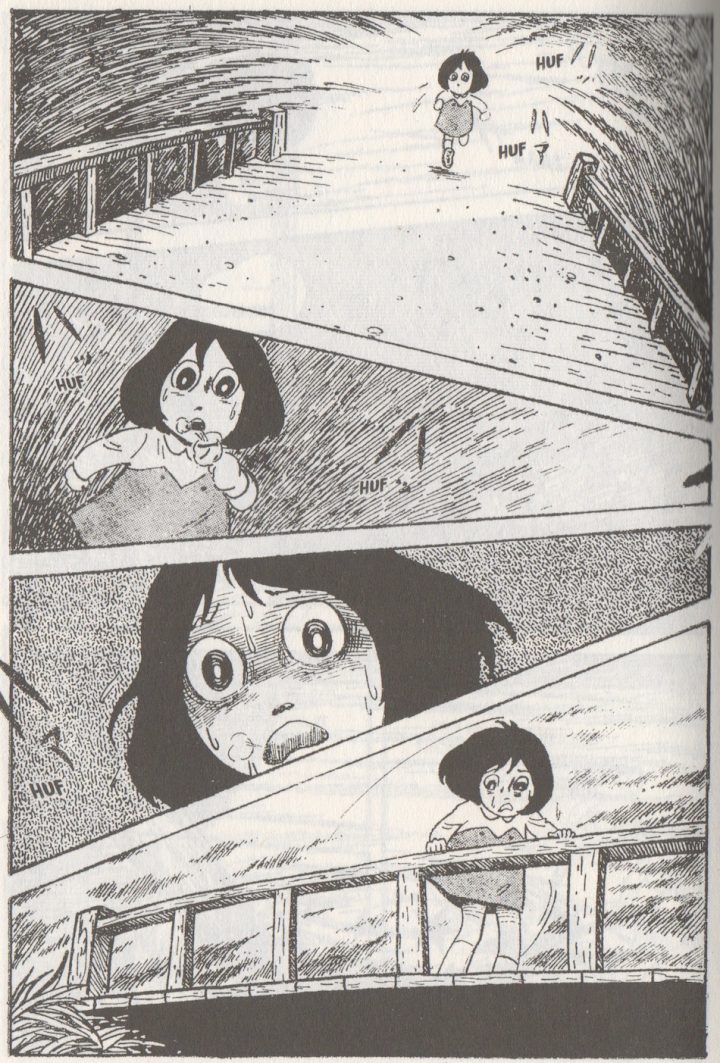
Naono Yoshiko’s work is distinguished by its departure from the traditional aesthetics of the era. Unlike the elegant, flowing linework of her contemporary Kuniko Tsurita, Naono’s art is described as "rough-hewn" and "amateurish." Yet, this lack of technical polish serves a vital psychological function. The pupils of her characters’ eyes are often rendered with jagged, unrefined marks that suggest the shimmer of suppressed tears rather than solid light.
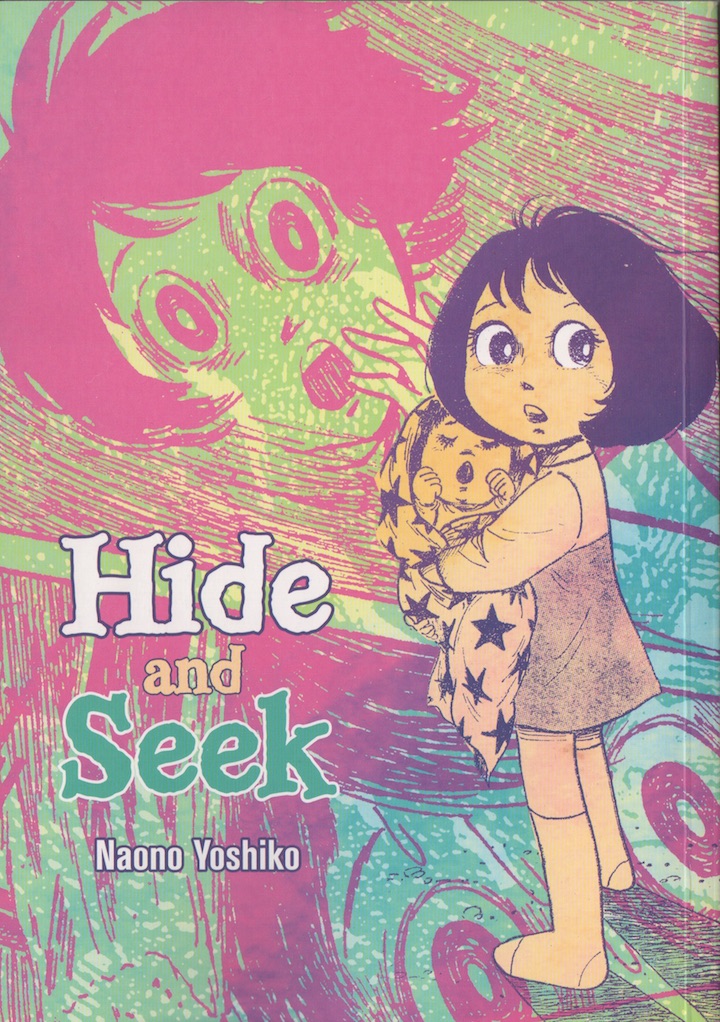
The term "trauma shojo" encapsulates this specific subgenre: stories intended for young girls that deal not with romance or magic, but with the crushing weight of childhood melancholy and the terrifying consequences of emotional immaturity. In Naono’s world, the protagonists are often the architects of their own destruction, acting out in response to problems that adults might view as trivial, but which, to a child, represent the end of the world.
Chronology: From Garo to the Mainstream and Back
The trajectory of Naono Yoshiko’s career provides essential context for the stories found in Hide and Seek.
- The Avant-Garde Origins: Before her foray into mainstream shojo magazines, Naono was a contributor to Garo, the legendary alternative manga magazine known for its experimental and often bleak content. This "avant-garde pedigree" informed her later work, infusing it with a sense of dissonance and "wrongness" that was uncommon in magazines aimed at children.
- The Shojo Period (Early 1970s): The stories in Hide and Seek were produced during a period when Naono was attempting to fit her dark visions into the commercial constraints of mainstream publishing. Her retrospective essays reveal a constant "back-and-forth" with editors who sought to bring her work up to professional standards while she struggled to maintain her psychological impetus.
- The Loss of Originals: A tragic gap in the chronology of these works occurred due to natural disaster. The original manuscripts for many of these stories were lost during an earthquake. As a result, the images in the Smudge collection are sourced from the original 1970s magazine printings, resulting in a grainier, more weathered aesthetic that, paradoxically, enhances the "found footage" feel of the trauma.
- The Modern Rediscovery (2026): The release of Hide and Seek serves as a modern bridge, allowing contemporary readers to evaluate Naono’s work not just as horror, but as a sociological artifact of 20th-century Japanese childhood.
Supporting Data: Case Studies in Childhood Desperation
To understand the "trauma" in trauma shojo, one must look at the specific narrative structures Naono employs. The horror is rarely supernatural; it is domestic and final.
"Wool Overalls"
In one of the collection’s most harrowing tales, a young boy is gifted handmade clothes by his grandmother. Despite receiving compliments from his peers, the boy feels a deep, irrational embarrassment toward the garments. In a contemporary horror story, the overalls might be haunted. In Naono’s story, the resolution is grounded in the terrifying reality of a child’s lack of impulse control: the boy kills his grandmother. The story serves as a stark reminder of the "constant terror" of living in a world where one does not yet understand the permanence of consequences.
The Diary and the Secret
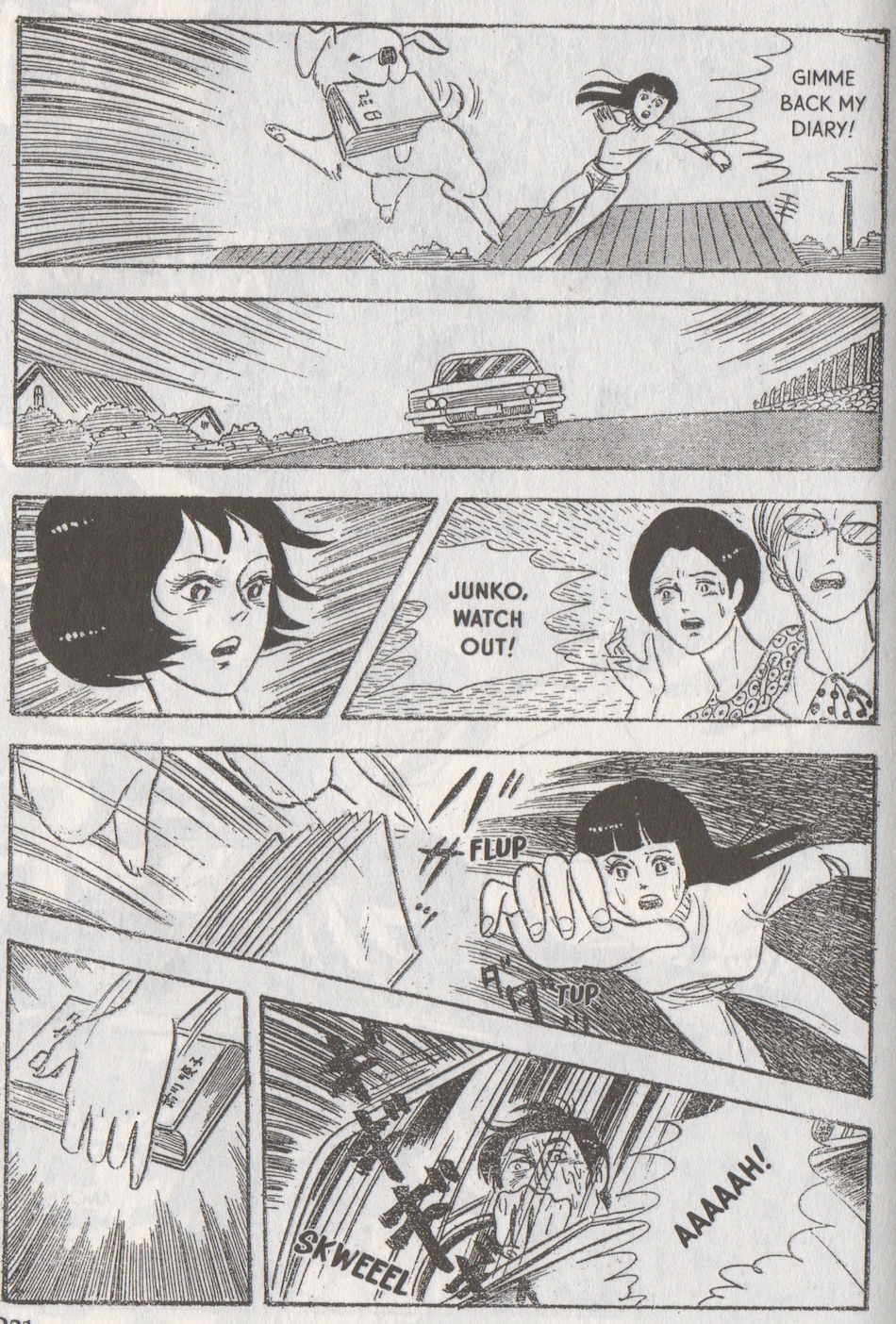
Another story follows a young girl who loses her diary. The diary contains secrets that, from an adult perspective, are likely harmless. However, the narrative treats the loss as a total psychological collapse. This highlights the "hypnogogic space" of childhood—a place where the unknown is not a monster, but the threat of being "found out" or losing one’s internal sanctuary.
Technical Production and Translation
The Smudge edition is not without its flaws, which provide an interesting data point on the difficulties of manga translation. Reviewers have noted errors in the English dialogue, such as the use of "nice digs" to describe clothing—a likely mistranslation of "nice duds." Furthermore, because the original art was lost, the book includes illustrations produced for an art show that predated the comics. These illustrations, featuring penciled shading and forthrightly gruesome imagery, are often cited by critics as the volume’s aesthetic highlight.
Official Responses and Editorial Perspectives
Naono Yoshiko’s own reflections on her work provide a rare glimpse into the creator’s mindset. In her retrospective essays, she admits that many of the plot points featured in Hide and Seek—such as child-on-elder violence and themes of child sacrifice—would not be permitted in contemporary children’s media.
Editor Ryan Holmberg’s inclusion of these stories under the "Smudge" imprint suggests an intentional effort to preserve the "ugly" side of manga history. The editorial stance treats these works not as mere entertainment, but as essential psychological documents. Critics have compared Naono’s authorial voice to that of Ana Torrent in Carlos Saura’s 1976 film Cria Cuervos. Just as Saura’s film examines children who casually decide to kill their elders within the context of Franco’s Spain, Naono’s work captures a child’s-eye view of a world that is inherently violent and incomprehensible.
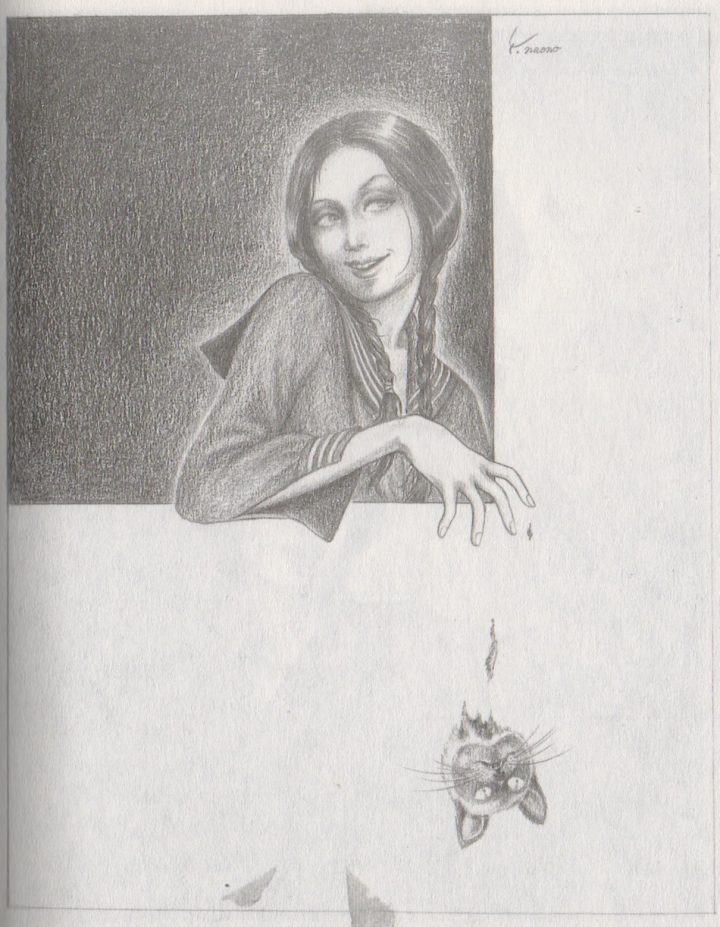
Unlike the "mastery" of artists like Yoshiharu Tsuge, Naono’s work is often described as "not for everyone." This caveat is an acknowledgement of the work’s raw, unmediated emotional power, which can be deeply upsetting even to seasoned horror readers.
Implications: The Evolution of Childhood Terror
The release of Hide and Seek prompts a broader discussion about how society perceives childhood and how that perception has shifted over the last fifty years.
The Generation Gap of Inattention
The article draws a parallel between Naono’s work and the North American alternative cartoonists of the 1990s, such as Phoebe Gloeckner, Chester Brown, and Debbie Drechsler. These artists often depicted childhoods marked by "parental inattention"—a freedom that frequently curdled into terror. This "Generation X" brand of trauma, where neglect was simply the makeup of the world, finds a spiritual ancestor in Naono’s 1970s Japan.
Fascism and the "Death Drive"
There is a profound political implication in the way Naono depicts children. By showing children who mirror the violence of the adult world—such as the story of a society built on child sacrifice to a snake god—Naono touches on the "death drive" often associated with fascist ideologies. The article suggests that modern shifts toward fascism are fueled by psychological instability, and that the stabilizing power of present, emotionally available parenting is a direct counter to this.
The Right to Scream
Ultimately, the collection concludes with a "Garo-style" sequence: a trembling hand in a black void, a finger pointing directly at the reader. This "accusing finger" forces the reader to identify with the protagonist, mutely accepting a fate they feel they have deserved.
The enduring popularity of Kazuo Umezz over Naono Yoshiko may lie in the "right to scream." Umezz’s characters externalize their terror through hysteria, providing a release for the reader. Naono’s characters, however, remain silent in their desperation. In the quiet of her panels, we find a more uncomfortable truth: the most terrifying thing about being a child is not what the world can do to you, but what you might do to the world before you even understand what you have done. Hide and Seek stands as a grim, essential testament to that silence.