From Disney to the Multiverse: How Zendaya’s Pivot in ‘The OA’ Foreshadowed a Cinematic Takeover
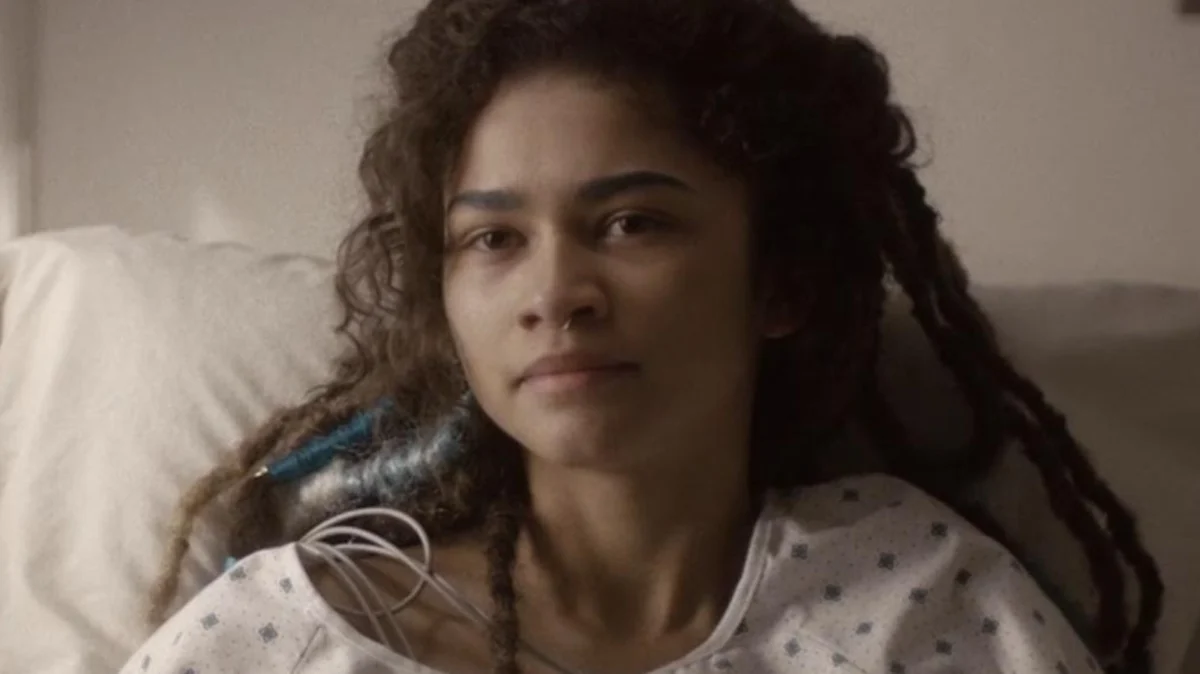
Before she was the desert-dwelling Chani in Denis Villeneuve’s Dune or the sharp-witted MJ in the Marvel Cinematic Universe, Zendaya was a young actress looking to break the "Disney kid" mold. While the world now knows her as a two-time Emmy winner and a billion-dollar box-office draw, one of her most pivotal—and often overlooked—performances occurred in a surreal, mind-bending Netflix series that remains a sore spot for sci-fi enthusiasts: The OA.
Created by Brit Marling and Zal Batmanglij, The OA was more than just a television show; it was a sprawling, metaphysical experiment that challenged the boundaries of narrative structure. Zendaya’s inclusion in the show’s second season (labeled "Part II") marked a significant turning point in her career, representing her first foray into truly adult, avant-garde drama.
Main Facts: The Mystery of the Original Angel
The OA debuted on Netflix in December 2016 with little to no traditional marketing, relying instead on word-of-mouth and its own enigmatic premise. The story follows Prairie Johnson (played by Brit Marling), a young woman who resurfaces after being missing for seven years. Upon her return, the community is shocked by two things: Prairie, who was blind when she disappeared, can now see, and she insists on being called "The OA" (The Original Angel).
The series quickly established itself as a "cult" hit, attracting a passionate fanbase that included everyone from sci-fi nerds to members of the clergy, the latter of whom were drawn to its heavy theological undertones and explorations of the divine. The narrative is split into two distinct parts:
- Part I: Focuses on Prairie’s captivity in a basement where a mad scientist, Hap (Jason Isaacs), conducts near-death experience (NDE) experiments on five "angels." To escape, they must master a series of five interpretive dance movements that can rip holes in the fabric of space-time.
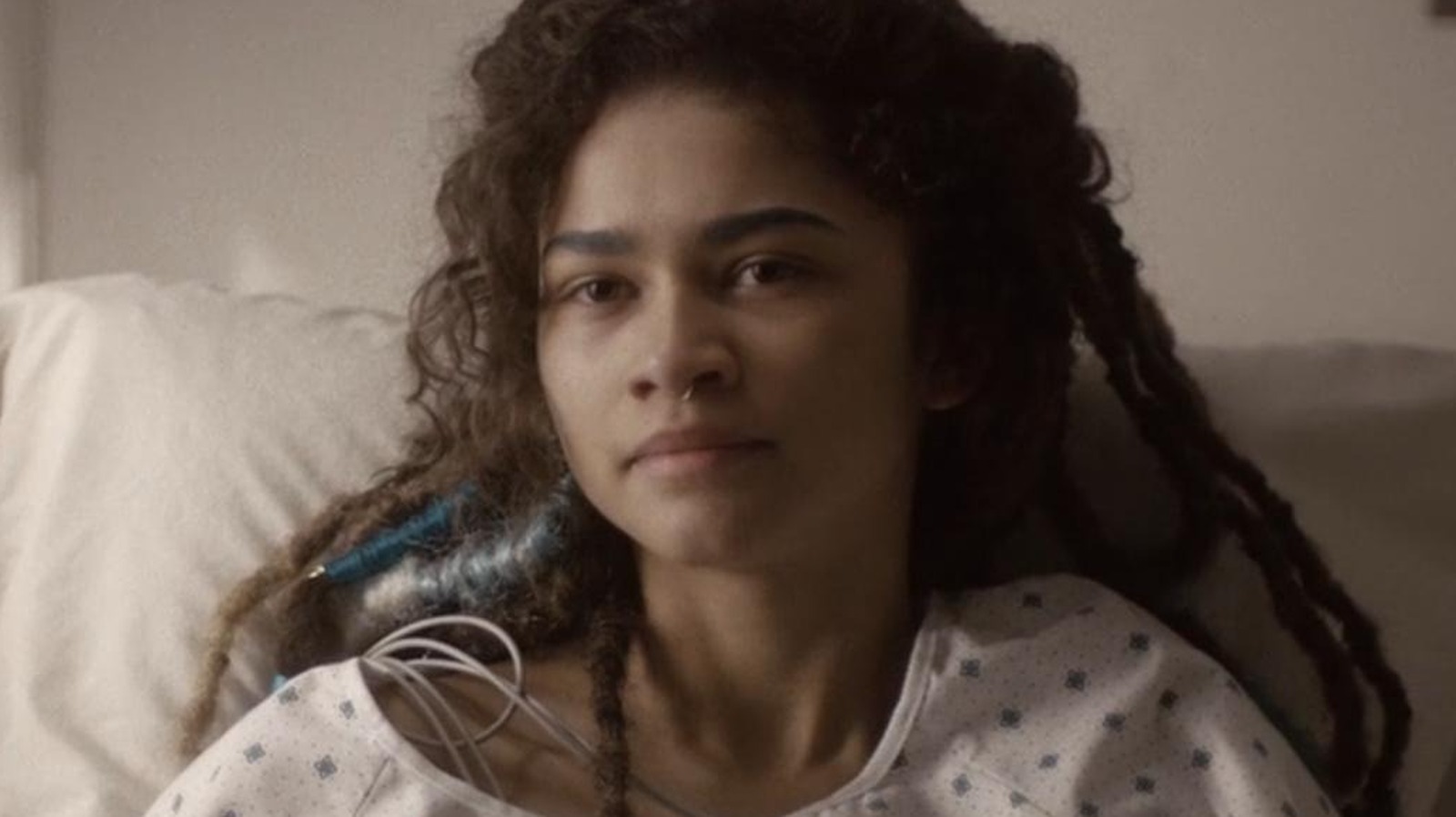
- Part II: Expands the scope into a multiverse, where Prairie travels to an alternate dimension. This is where Zendaya enters the fray as Fola Uzaki, a master puzzle-solver caught in a web of digital conspiracies and haunted architecture.
Despite critical acclaim and a cliffhanger that promised a revolutionary third season, Netflix canceled the series in 2019. The move sparked a global "Save The OA" campaign, including hunger strikes and a fan-funded billboard in Times Square, though the show remains in limbo.
Chronology: Zendaya’s Evolutionary Path
To understand the weight of Zendaya’s role in The OA, one must look at the timeline of her professional evolution. Her transition from a child star to a global icon was not an overnight fluke but a calculated series of risks.
The Disney Foundation (2010–2016)
Zendaya’s early career was defined by the Disney Channel machine. From Shake It Up to K.C. Undercover, she was a household name for a younger demographic. During this period, her filmography was lighthearted, including voice work for films like Super Buddies (where she voiced a horse named Lollipop).
The Transition Year (2017)
2017 was the year the world began to take Zendaya seriously as a film actress. She landed the role of Michelle "MJ" Jones in Spider-Man: Homecoming and starred alongside Hugh Jackman in the musical The Greatest Showman. However, even these roles were somewhat tethered to "all-ages" entertainment.
The Prestige Pivot (2019)
2019 was arguably the most important year for Zendaya’s artistic credibility. It was the year she debuted as Rue Bennett in HBO’s Euphoria, a role that would eventually win her two Primetime Emmy Awards. But just months before Euphoria shocked audiences, Zendaya appeared in The OA Part II.
In The OA, she played Fola, a character devoid of the glitz of The Greatest Showman or the sarcasm of Spider-Man. Fola was a serious, intellectual figure—a guide through a digital labyrinth. This role served as the bridge between her teen-star past and her dramatic future.
The Blockbuster Era (2021–2026)
Following The OA, Zendaya moved exclusively into high-stakes cinema. By 2026, she had become the face of several massive franchises. Her appearance in Christopher Nolan’s war epic The Odyssey and her fourth Spider-Man outing, Spider-Man: Brand New Day, solidified her as a "billion-dollar actress." Both films cleared the ten-figure mark at the box office, with Brand New Day flirting with the two-billion-dollar milestone.
Supporting Data: The Cult of ‘The OA’ and Zendaya’s Impact
The data surrounding The OA paints a picture of a show that over-performed in engagement but fell victim to Netflix’s ruthless "cost-plus" renewal model.
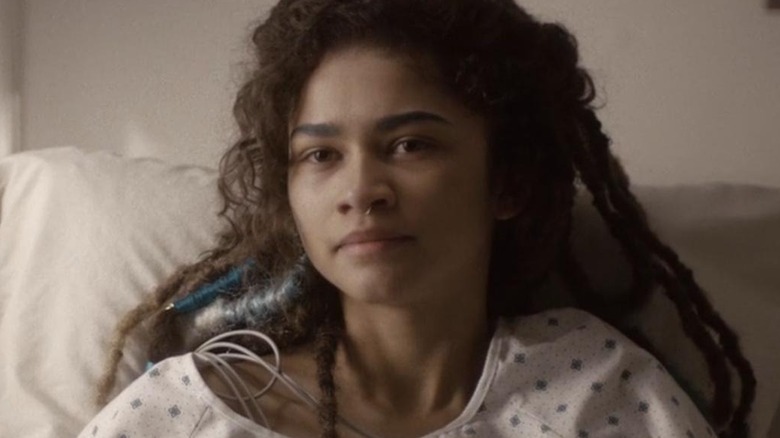
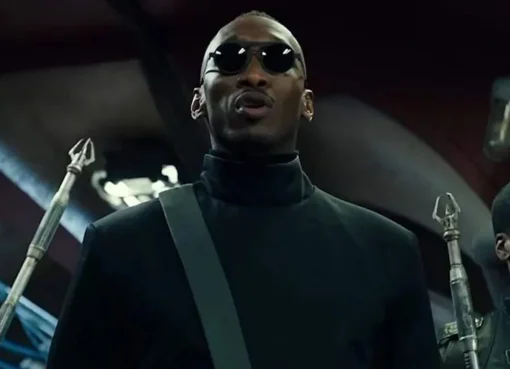
- Critical Reception: The OA Part II holds a 92% rating on Rotten Tomatoes, with critics praising its ambition and the introduction of new characters like Kingsley Ben-Adir’s Karim and Zendaya’s Fola.
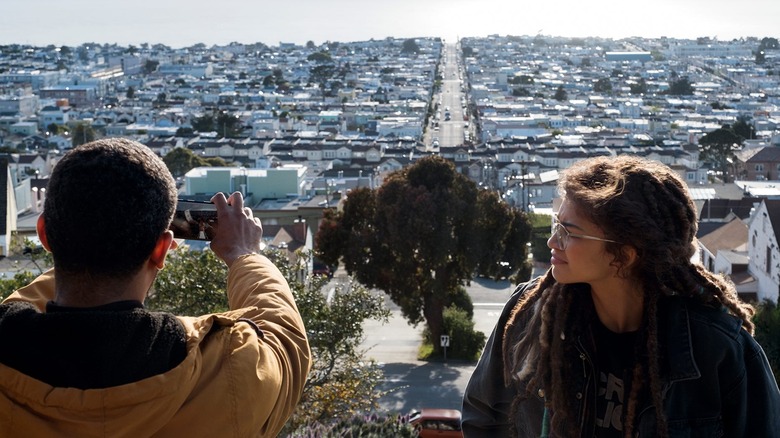
- The Zendaya Factor: Zendaya appears in three episodes of the second season. While her screen time was limited, her presence was instrumental in the "CURI" storyline—a subplot involving a tech company that harvests the dreams of teenagers to solve a physical puzzle hidden within a San Francisco house.
- Box Office Power (2026 Context): As mentioned in recent industry reports, Zendaya’s 2026 projects have been historically successful. The Drama, a smaller-budget film ($28 million), grossed over $132 million, proving she can carry mid-budget prestige films just as well as CGI-heavy blockbusters like Dune: Part Three.
Official Responses: The Silence and the Protest
The cancellation of The OA remains one of the most controversial decisions in Netflix’s history. The official response from Netflix at the time was a standard statement of gratitude to the creators.
"We are incredibly proud of the 16 mesmerizing chapters of The OA, and are grateful to Brit and Zal for sharing their audacious vision and for realizing it through their incredible artistry," said Cindy Holland, Netflix’s then-VP of Original Content.
However, creators Brit Marling and Zal Batmanglij were more transparent about their heartbreak. Marling took to Instagram to write a lengthy letter to fans, stating, "While we cannot finish this story, I can promise you we will tell others." They have since moved on to other projects, such as A Murder at the End of the World, but the shadow of The OA’s unfinished five-season plan looms large.
Regarding Zendaya’s role, Batmanglij has often spoken about the "electric" energy she brought to the set. Industry insiders noted that Zendaya’s willingness to take a supporting role in an experimental sci-fi series, despite her rising fame, was a signal to directors like Denis Villeneuve and Christopher Nolan that she was interested in challenging, non-linear storytelling.
Implications: The Legacy of Experimental Television
The journey from The OA to Dune highlights several key trends in the modern entertainment industry.
The "Netflix Cancellation Curse"
The OA is often cited as the primary example of Netflix’s shift from a "home for creators" to a "data-driven factory." The show’s cancellation taught audiences to be wary of investing in complex, multi-season arcs on streaming platforms that prioritize immediate "completion rates" over long-term cultural impact.
The Value of "Prestige" Supporting Roles
For Zendaya, The OA was a masterclass in career positioning. By choosing to work with Marling and Batmanglij, she aligned herself with the "indie-prestige" world. This made her transition to Euphoria and Dune feel like a natural progression rather than a jarring jump. It proved that for an actor of her caliber, the quality of the project matters more than the size of the role.
The Multiverse and Modern Sci-Fi
The OA was ahead of its time in its exploration of the multiverse, a concept that has since dominated the MCU and films like Everything Everywhere All At Once. Zendaya’s character, Fola, was a key component of this exploration, representing the intersection of gaming, technology, and spiritual transcendence.
Conclusion
As Zendaya prepares for the release of Dune: Part Three this December, it is worth looking back at the "puzzle house" of The OA. While Fola Uzaki was only a brief chapter in her storied career, the role represented the moment Zendaya stopped being a "Disney star" and started being an artist. For fans of The OA, the series remains a beautiful, unfinished symphony; for Zendaya, it was the rehearsal that prepared her for the biggest stages in the world. Her trajectory suggests that while shows can be canceled, the talent they nurture is often unstoppable.