The Decade of the Neo-Western: How ‘Hell or High Water’ Ignited the Taylor Sheridan Era
A decade ago, the landscape of American cinema was undergoing a quiet but seismic shift. While superhero franchises and massive intellectual properties began their total dominance of the box office, a lean, $12 million crime drama emerged from the dust of West Texas to reclaim a forgotten corner of the industry. That film was Hell or High Water.
Marking its tenth anniversary, Hell or High Water stands as more than just a critically acclaimed heist movie; it is the foundational pillar of a cultural phenomenon. Boasting a 97% approval rating on Rotten Tomatoes, the film did more than entertain—it transformed Taylor Sheridan from a frustrated character actor into a multi-billion-dollar architect of modern television. Today, as Sheridan oversees a sprawling empire of "Yellowstone" spin-offs and gritty dramas, the DNA of his success can be traced directly back to this seminal neo-Western.
The Main Facts: A Modern Classic Defined
Directed by David Mackenzie and written by Taylor Sheridan, Hell or High Water is a masterclass in genre-bending. It utilizes the skeletal structure of a classic Western—outlaws, lawmen, and a lawless frontier—but transplants them into the aftermath of the 2008 financial crisis.
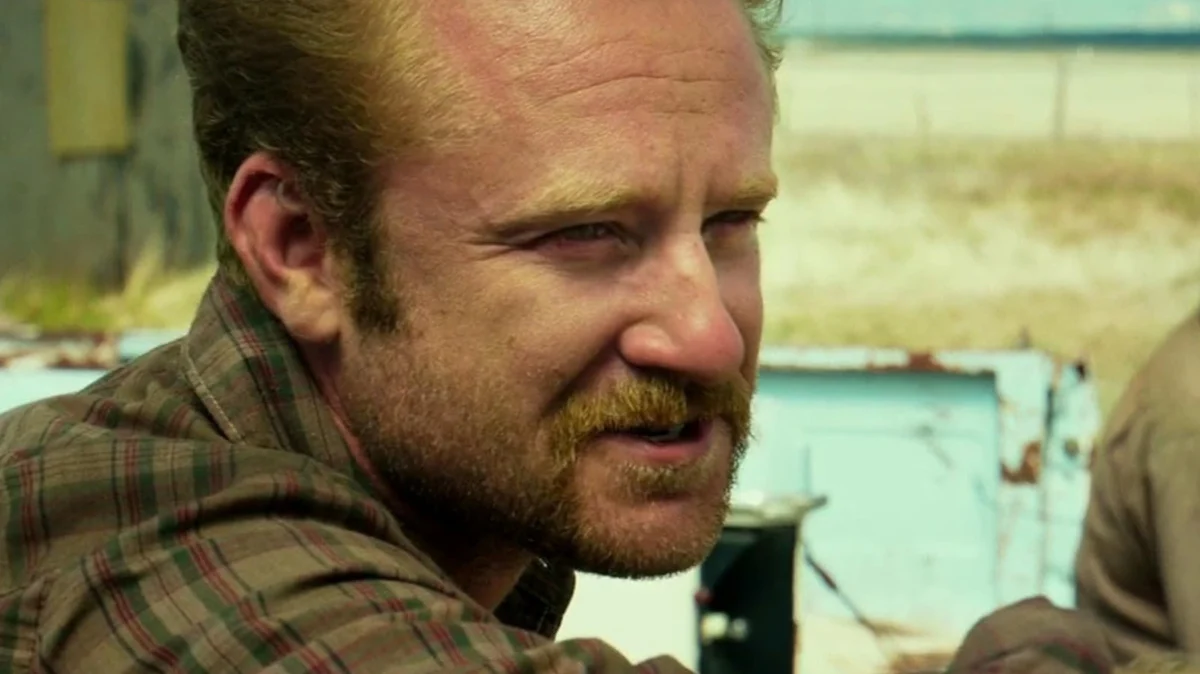
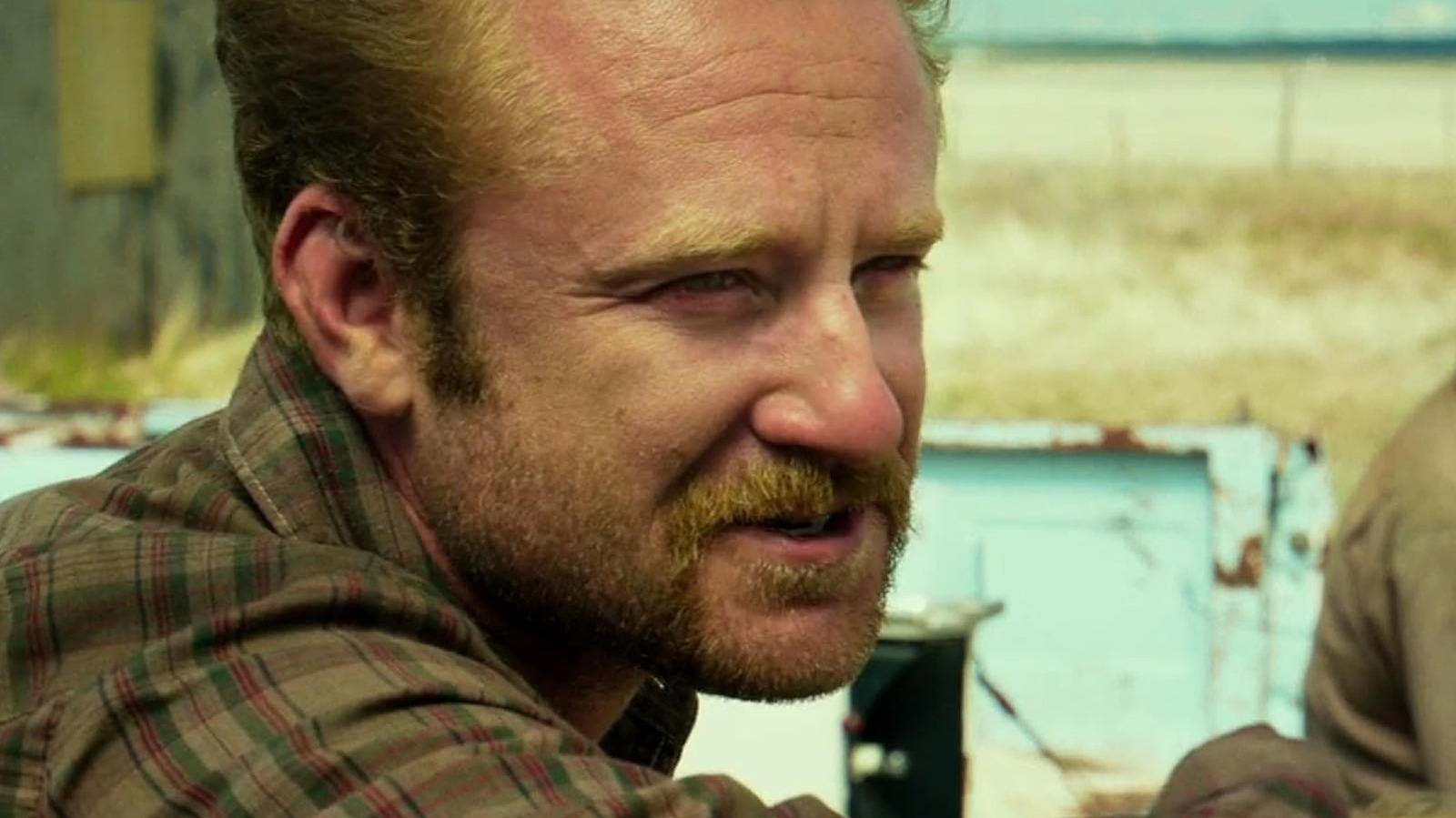
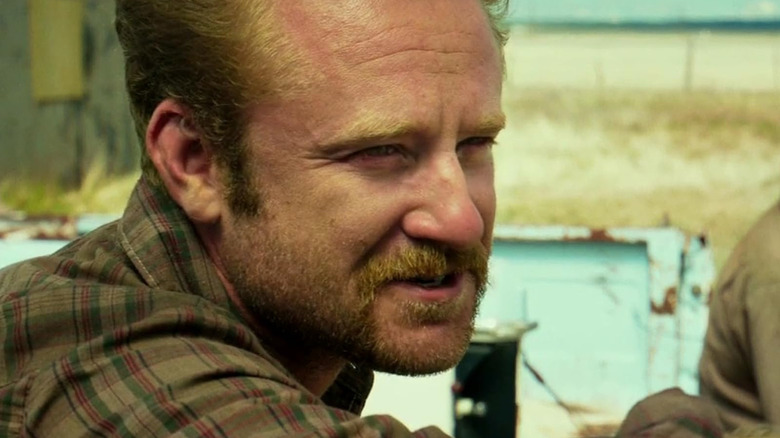
The narrative follows two brothers, Toby (Chris Pine) and Tanner Howard (Ben Foster). Toby is a divorced father seeking a better life for his children, while Tanner is an unpredictable ex-convict. Together, they execute a series of calculated, low-stakes robberies against branches of the Texas Midlands Bank. Their motivation is not greed, but a desperate attempt to pay off a predatory reverse mortgage and save their family ranch from foreclosure.
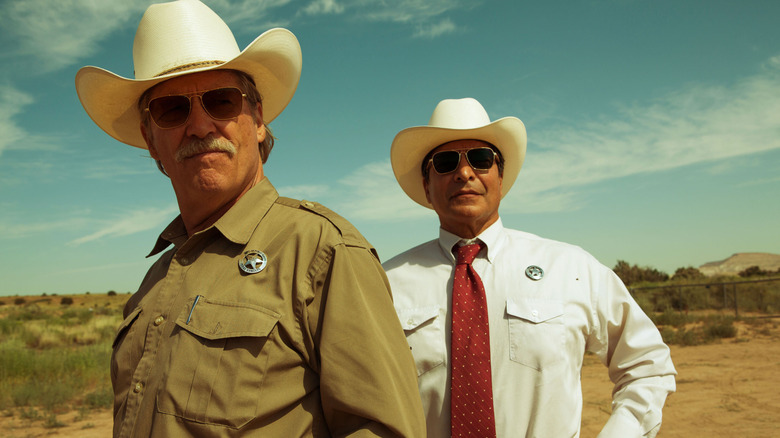
On their trail are two Texas Rangers: Marcus Hamilton (Jeff Bridges), a veteran on the precipice of a forced retirement, and his partner, Alberto Parker (Gil Birmingham). What follows is a slow-burn pursuit that explores themes of institutional failure, generational poverty, and the fading mythos of the American West.
The film’s success was near-universal. Despite its modest budget, it grossed over $38 million—a significant feat for an original, R-rated adult drama in the mid-2010s. More importantly, it secured four Academy Award nominations, including Best Picture and Best Original Screenplay, cementing Sheridan’s status as a premier voice in Hollywood.
Chronology: From ‘Sons of Anarchy’ to Screenwriting Stardom
To understand the impact of Hell or High Water, one must look at the professional trajectory of Taylor Sheridan. For years, Sheridan was a "working actor," most notably playing Deputy Chief David Hale on FX’s Sons of Anarchy. However, feeling stifled by the industry’s perception of him and the quality of roles available, Sheridan made a radical pivot.
2012: The Script That Started It All
In 2012, Sheridan’s script, then titled Comancheria, was acquired by Sidney Kimmel Entertainment. At the time, Sheridan was an unknown quantity in the writing world. The script had gained notoriety on the "Black List," an annual survey of the best unproduced screenplays in Hollywood. It was praised for its sharp dialogue and its unflinching look at the "New West."
2015: The ‘Sicario’ Prelude
While Hell or High Water was in development, Sheridan’s other script, Sicario, was produced and directed by Denis Villeneuve. Released in 2015, Sicario was a brutal look at the drug war and served as the first entry in what Sheridan calls his "American Frontier Trilogy." It proved that Sheridan could write high-tension, intellectually demanding scripts that appealed to both critics and audiences.
2016: The Release and Cultural Peak
Hell or High Water premiered at the Un Certain Regard section of the 2016 Cannes Film Festival before its wide release. It was the "Goldilocks" moment of Sheridan’s career—balancing the visceral action of Sicario with a deep, soulful melancholy. By the time the 2017 Oscars rolled around, Sheridan was no longer "that guy from Sons of Anarchy"; he was the most sought-after writer in the business.
Supporting Data: The Metrics of Success
The longevity of Hell or High Water is backed by impressive statistical and critical data that differentiates it from other mid-budget thrillers of the era.
- Critical Acclaim: With a 97% score on Rotten Tomatoes and an 88 on Metacritic, the film was among the best-reviewed projects of 2016. Critics frequently compared Sheridan’s writing to that of Cormac McCarthy and Elmore Leonard.
- Budgetary Efficiency: Produced for just $12 million, the film utilized practical locations in New Mexico (standing in for Texas) and a tight shooting schedule. Its $37.9 million box office return represented a more than 3x multiplier, a rarity for non-franchise films.
- Awards Recognition: The film earned four Oscar nominations:
- Best Picture (Carla Hacken and Julie Yorn)
- Best Supporting Actor (Jeff Bridges)
- Best Original Screenplay (Taylor Sheridan)
- Best Film Editing (Jake Roberts)
- The Nick Cave Factor: The film’s atmosphere was significantly enhanced by a haunting score from Nick Cave and Warren Ellis, which helped define the "Neo-Western" sound that Sheridan would later carry into Yellowstone.
Official Responses: Critics and the Industry Weigh In
Upon its release, the industry response was one of pleasant shock. At a time when the "mid-budget movie" was supposedly dying, Hell or High Water proved there was still a massive appetite for character-driven stories.
Manohla Dargis of The New York Times praised the film for its "deeply felt sense of place," noting that it captured the "quiet desperation of a region left behind by the modern economy." This sentiment was echoed across the critical spectrum, with many noting that the film functioned as a "western for the age of the Great Recession."
The Academy’s decision to nominate the film for Best Picture was seen as a validation of Sheridan’s "New Frontier" aesthetic. Industry insiders noted that Sheridan had successfully cracked the code for "Dad TV" and "Dad Movies"—content that felt traditional and masculine but was layered with complex modern anxieties and emotional vulnerability.
Jeff Bridges, reflecting on his role as Marcus Hamilton, often spoke about the "richness of the text." In various press junkets, Bridges noted that Sheridan’s dialogue had a "musicality" that reminded him of the Coen Brothers, yet it remained grounded in a gritty, Texas reality.
Implications: The Birth of the Sheridan-Verse
The success of Hell or High Water was the catalyst for everything that followed in Taylor Sheridan’s career. It provided him with the "clout" necessary to transition into directing (with 2017’s Wind River) and, eventually, to pitch a sprawling television epic to the Paramount Network.
The ‘Yellowstone’ Expansion
Without the critical and commercial proof-of-concept provided by Hell or High Water, it is unlikely that a network would have handed Sheridan the keys to a series like Yellowstone. The themes of land ownership, the death of a way of life, and the moral ambiguity of "justice" were all perfected in the Howard brothers’ story before being expanded into the Dutton family saga.
A New Power Broker in Hollywood
Today, Sheridan is one of the few creators who is himself a "brand." His move from Paramount to a massive deal at NBCUniversal (reportedly worth nine figures) highlights a shift in power. He is no longer reliant on existing intellectual property; he creates his own. Whether it is Mayor of Kingstown, Tulsa King, or 1883, the "Sheridan style" is a recognized commodity.
The Legacy of the Neo-Western
Hell or High Water also revitalized the Neo-Western genre. It paved the way for films like Wind River and The Power of the Dog, and series like Longmire and Justified: City Primeval, to find mainstream audiences. It reminded Hollywood that the American heartland was a setting rife with dramatic potential, provided the stories told there were authentic and respectful of the region’s complexities.
Conclusion: The Enduring High-Water Mark
Ten years later, Hell or High Water remains the purest distillation of Taylor Sheridan’s artistic vision. While his later works have grown larger in scale and more operatic in their drama, this 2016 film remains a lean, perfectly executed piece of storytelling.
It captured a specific moment in American history—the collision of old-world values with the cold, unfeeling machinery of modern finance. By giving a voice to the "dispossessed," Sheridan didn’t just write a good movie; he started a movement. As Toby Howard tells Marcus Hamilton in the film’s closing moments, "I’ve been poor my whole life, like a disease passing from generation to generation… But not my boys."
In writing those lines, Sheridan broke his own cycle of professional stagnation, ensuring that his own legacy would be one of the most influential in 21st-century entertainment. Hell or High Water wasn’t just a hit; it was a homecoming for a genre, and a coronation for its new king.