The Descent into Madness: Total Chaos VR Announced for SteamVR and Meta Quest
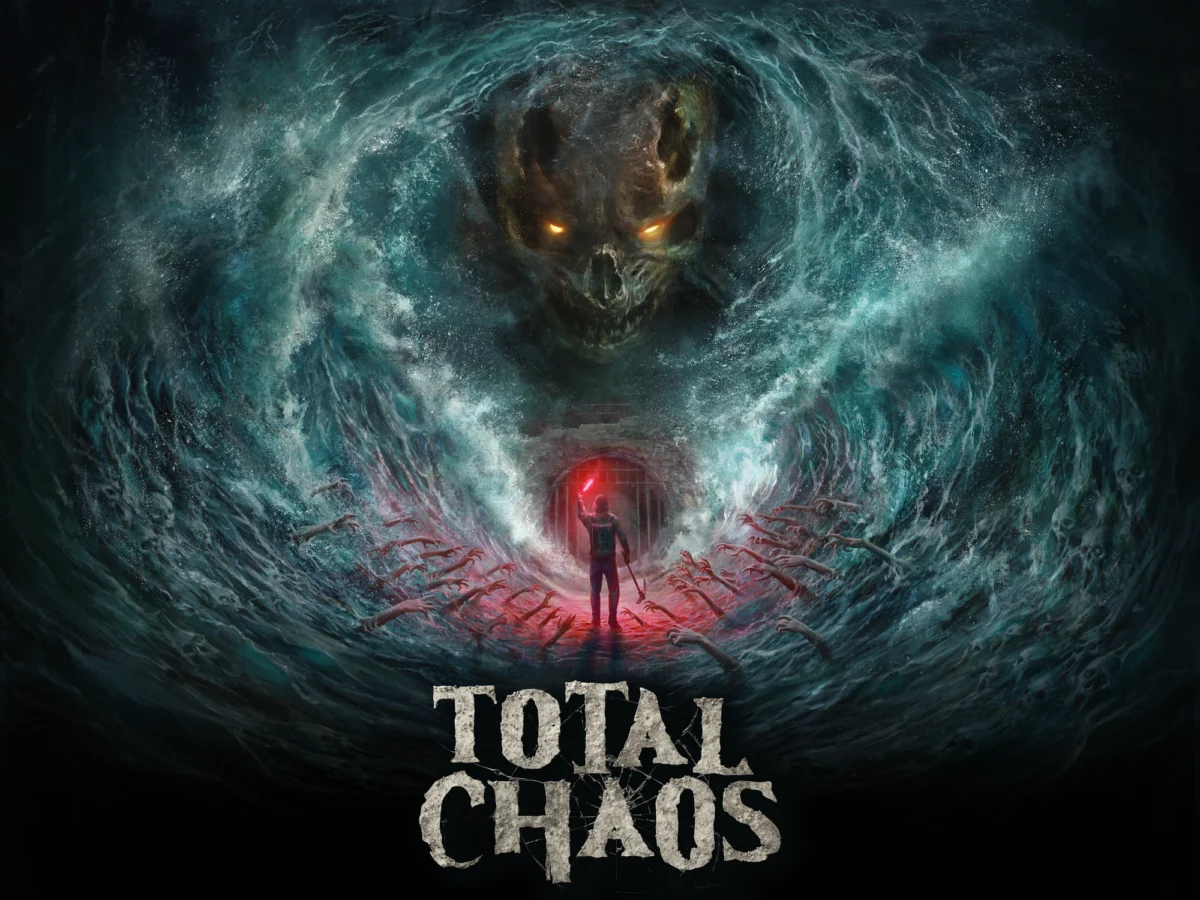
In a significant development for the survival horror genre, developer Trigger Happy Interactive and legendary publisher Apogee Entertainment have officially announced the transition of their critically acclaimed title, Total Chaos, into the realm of virtual reality. Revealed as a flagship announcement during the latest VR Games Showcase, Total Chaos VR is slated for a release on SteamVR in the near future, with a standalone version for Meta Quest currently in development.
In a move that rewards the game’s existing community, the developers confirmed that the VR version will be provided as a free update for players who already own the standard "flat-screen" version of Total Chaos on Steam. This announcement marks a pivotal moment for a title that began its life as a technical marvel in the modding community before evolving into a standalone powerhouse of psychological dread.
Main Facts: A New Frontier in Psychological Horror
The announcement of Total Chaos VR serves as a testament to the enduring popularity of atmospheric, high-stakes horror. The transition to VR is not merely a platform port but a reimagining of the game’s claustrophobic environments and visceral combat.
Platform Availability and Pricing Strategy
The primary rollout will occur on SteamVR, catering to the PCVR enthusiast market. However, recognizing the dominance of mobile VR hardware, Trigger Happy Interactive is also developing a native version for the Meta Quest via the Horizon Store. While the SteamVR version is a free entitlement for existing owners, details regarding the pricing of the standalone Quest version—and whether cross-buy functionality will exist—remain under wraps.
The Creative Partnership
The project sees the continued collaboration between Trigger Happy Interactive and Apogee Entertainment. Apogee, a pioneer in the shareware era of the 1990s, has undergone a modern resurgence, specializing in "boomer shooters" and high-intensity indie titles. Their involvement ensures that Total Chaos VR maintains the high production standards and "edge" that the publisher is known for.
Initial Reception of the Reveal
The reveal was accompanied by a "terrifying" teaser trailer that showcased the game’s signature grainy, industrial aesthetic within a 360-degree space. Early reactions from the VR community have been overwhelmingly positive, citing the original game’s lighting and sound design as perfect candidates for the immersion offered by modern headsets.
Chronology: From GZDoom Mod to VR Standalone
To understand the significance of Total Chaos VR, one must look back at the unconventional trajectory of its development. The game’s history is a rare success story of a community project transcending its engine’s limitations.
2018–2024: The Modding Genesis
Total Chaos originally gained notoriety as a total conversion mod for Doom II, running on the GZDoom engine. Despite the age of the underlying technology, the developer (known primarily as WadHolic) pushed the engine to its absolute limits, implementing 3D models, advanced lighting, and a physics system that defied the expectations of a 1990s-era codebase. It quickly became one of the most decorated mods in history, winning multiple "Mod of the Year" awards.
2025: The Standalone Success
Following years of refinement, a standalone version of Total Chaos was released on Steam in 2025. This version untethered the game from its Doom roots, offering a more polished, stable, and visually striking experience. It was this release that solidified the game’s reputation as a modern horror classic, earning a "Very Positive" rating on Steam with over 1,500 reviews.
2026: The Virtual Reality Leap
The announcement at the VR Games Showcase represents the final stage of the game’s evolution. By moving into VR, the developers are leaning into the "body horror" and environmental storytelling that defined the original, utilizing the medium’s ability to manipulate the player’s sense of scale and presence.
Supporting Data: Why Total Chaos Resonates
The success of Total Chaos is not accidental; it is built upon a foundation of rigorous design and a deep understanding of psychological triggers. The data from the 2025 standalone release provides a clear indicator of why a VR port is highly anticipated.
Steam Analytics and User Sentiment
The "Very Positive" rating on Steam is a key metric. Analysis of user reviews highlights three recurring strengths:
- Atmospheric Density: Players frequently cite the game’s ability to create a sense of "unrelenting dread" without relying solely on jump scares.
- Resource Scarcity: The game’s survival mechanics—limited ammunition and fragile melee weapons—create a tension that translates exceptionally well to the physical nature of VR combat.
- Visual Identity: The brutalist, rusted aesthetic of the island is distinct in a market often saturated with generic "haunted house" tropes.
Technical Prowess
The original game’s use of a low-fidelity, high-detail art style is a strategic advantage for VR. VR hardware, particularly standalone units like the Meta Quest, often struggles with hyper-realistic graphics. Total Chaos VR utilizes a stylistic "lo-fi" filter that hides technical limitations while enhancing the "found footage" or "nightmare" quality of the experience. This allows the game to maintain a high frame rate—crucial for preventing motion sickness—without sacrificing its oppressive atmosphere.
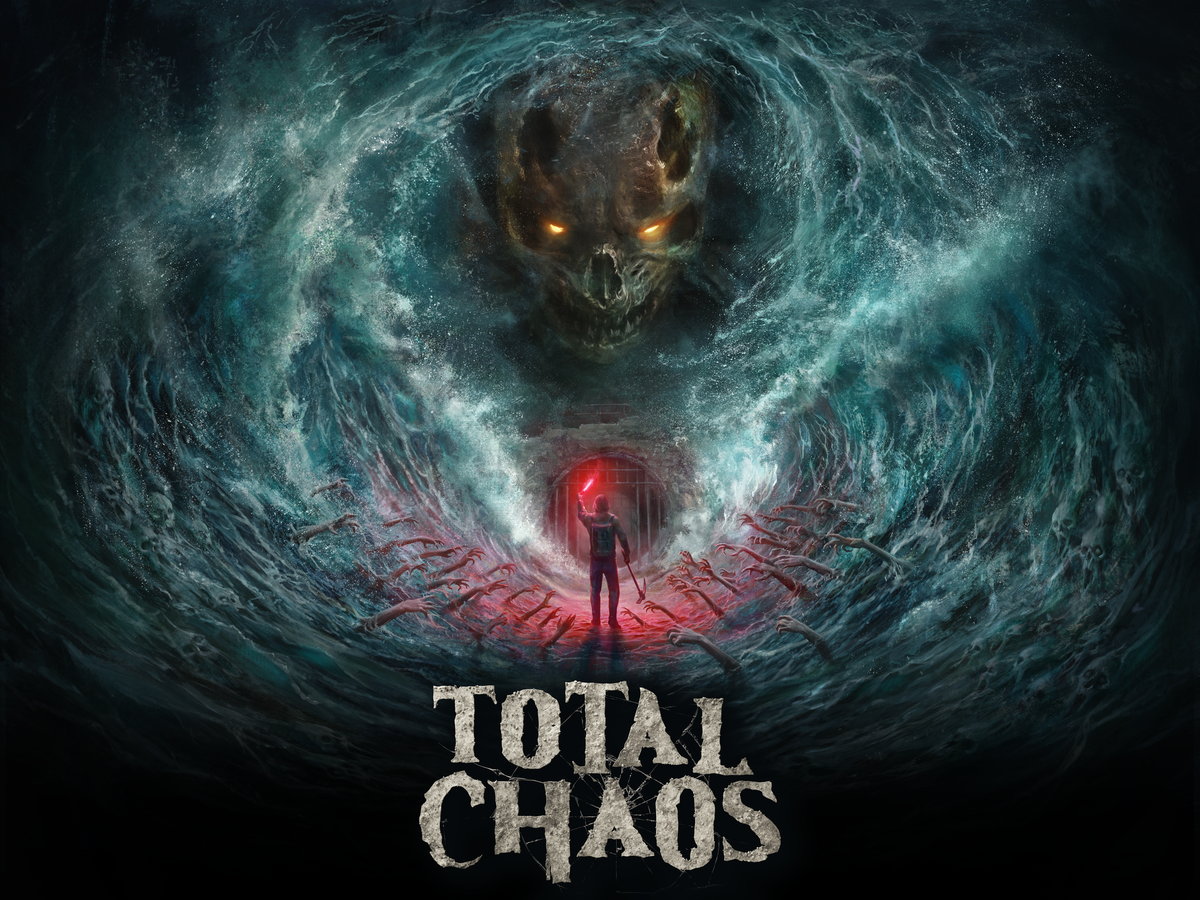
Narrative Overview: The Ominous Island of Fortean
In Total Chaos, players step into the boots of a Coast Guard officer. The narrative begins with a standard response to a distress call emanating from an isolated, fog-shrouded island. The mission quickly goes awry when a sudden storm destroys the protagonist’s vessel, leaving them stranded on the shore.
The island is a graveyard of industrial ambition, filled with crumbling concrete structures and rusted machinery. As players explore, they are guided—or perhaps misled—by cryptic radio transmissions. The story avoids heavy-handed exposition, instead forcing players to piece together the island’s dark history through environmental clues and the horrific entities that now inhabit it. In VR, this sense of isolation is magnified; the radio voices will feel as though they are inside the player’s helmet, and the looming shadows of the island’s architecture will take on a terrifying physical presence.
Official Responses: The Vision for Immersion
While formal press conferences are ongoing, representatives from both Trigger Happy Interactive and Apogee Entertainment have shared insights into the philosophy behind the VR transition.
From the Developers
The development team has emphasized that Total Chaos VR is about "redefining the boundary between the player and the nightmare." A lead developer noted:
"VR allows us to do things with spatial audio and peripheral vision that were simply impossible on a flat screen. In Total Chaos, the horror is often what you don’t see, or what you think you saw in the corner of your eye. VR makes those tricks feel real."
From Apogee Entertainment
Apogee’s leadership highlighted the importance of the "Free for Owners" model. They stated that the goal is to foster a loyal community and ensure that the transition to new technology doesn’t feel like "double-dipping."
"We believe in the longevity of our titles. Total Chaos has a dedicated fanbase that supported it from its days as a mod. Giving them the VR version for free is our way of saying thank you, while also inviting new players to experience one of the most unique horror games ever made."
Implications: The Future of "Flat-to-VR" Conversions
The announcement of Total Chaos VR carries broader implications for the gaming industry and the VR ecosystem as a whole.
The Rise of the Hybrid Release
As the cost of developing AAA VR-exclusive titles remains high, the "Flat-to-VR" (F2VR) model is becoming a vital lifeline for the industry. Games like Resident Evil Village, No Man’s Sky, and now Total Chaos demonstrate that high-quality horror can bridge the gap between traditional gaming and virtual reality. This trend provides VR hardware owners with a deeper library of "meaty" experiences compared to the shorter, tech-demo-style games that plagued the early years of the medium.
Impact on the Meta Quest Ecosystem
The development of a standalone version for the Meta Quest is particularly significant. While PCVR offers the highest graphical fidelity, the Quest represents the largest segment of the VR market. Bringing a hardcore, psychological horror title of this caliber to a mobile chipset is a technical challenge that, if successful, will set a new benchmark for what is possible on standalone hardware.
Indie Horror’s Evolutionary Leap
Total Chaos VR proves that indie developers are often the ones pushing the boundaries of the genre. Without the constraints of "mass appeal" that often dilute the horror in big-budget productions, Trigger Happy Interactive is free to create an experience that is genuinely disturbing and uncompromising. This project signals to other indie developers that VR is a viable, and perhaps superior, home for experimental horror.
Conclusion
Total Chaos VR is more than just a port; it is the culmination of a decade-long journey that began with a fan’s passion for a 1993 game engine. By bringing this industrial nightmare to SteamVR and Meta Quest, Trigger Happy Interactive and Apogee Entertainment are inviting players to lose themselves in an island of rust and shadow. For those brave enough to answer the distress call, the experience promises to be one of the most immersive and terrifying entries in the VR library to date.
As the release date approaches, the industry will be watching closely to see how this transition from "mod" to "masterpiece" concludes in the immersive depths of virtual reality.