The Geography of Innovation: A Deep Dive into Nothing’s Manufacturing Strategy and the Rise of "Make in India"
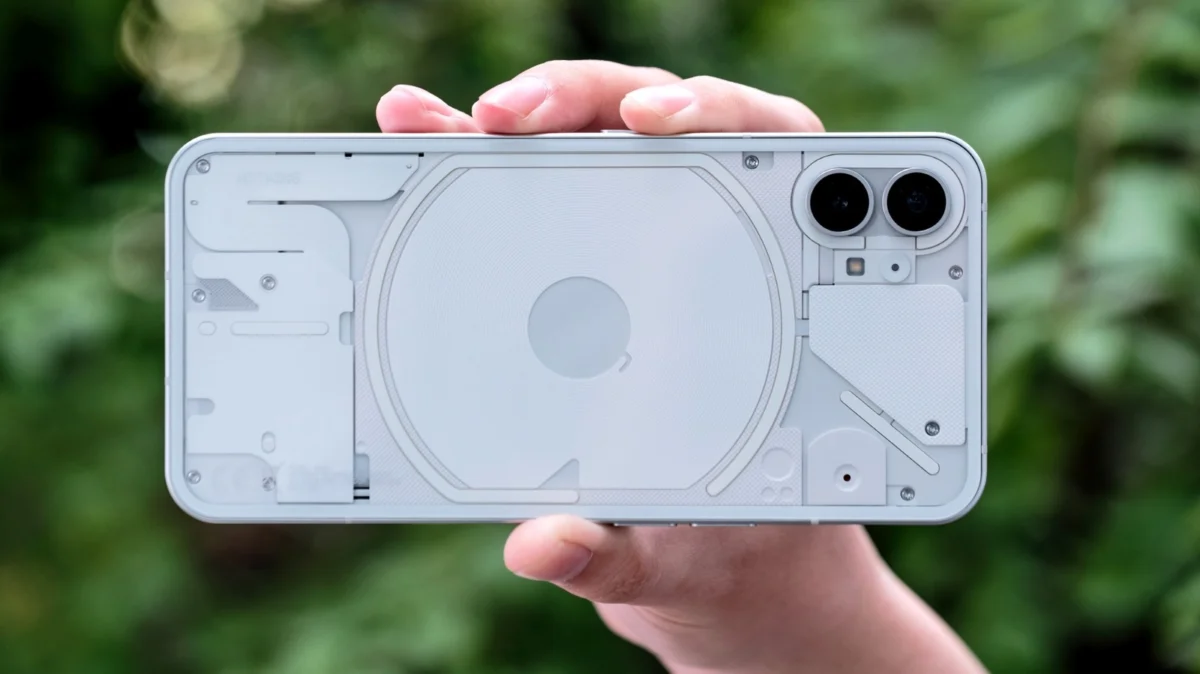
In the hyper-competitive landscape of global telecommunications, the origin of a product often carries as much weight as its technical specifications. For Nothing, the London-based technology startup founded by Carl Pei, the question of "where" is inextricably linked to the question of "how" the company intends to disrupt the status quo. While tech giants like Apple and Samsung have long-established, multi-decade supply chains, Nothing has had to navigate a rapidly shifting geopolitical and economic landscape to bring its transparent, design-led philosophy to life.
As consumers increasingly seek value without sacrificing premium aesthetics, Nothing has emerged as a formidable challenger. However, with its "Phone (2a)" and the highly anticipated "Phone (3)" gaining traction, a critical inquiry persists: Where are these devices actually produced, and what does their place of birth say about their quality and the future of the industry?
1. Main Facts: The London-India Nexus
Nothing Technology Limited is headquartered in the heart of London, United Kingdom. This European base serves as the creative and strategic hub where the "Glyph Interface" and the brand’s unique industrial design are conceived. However, the physical manifestation of these designs—the actual assembly of the smartphones—has seen a significant strategic pivot.
While initial production for Nothing’s early audio products and prototype components was centered in China—the traditional powerhouse of electronics manufacturing—the company has aggressively transitioned its smartphone production to India.
Key Manufacturing Details:
- Primary Manufacturing Hub: Chennai, Tamil Nadu, India.
- Strategic Partner: Optiemus Infracom.
- Headquarters: London, UK (Design and R&D).
- Sourcing: A hybrid model involving components from China, Taiwan, and South Korea, with final assembly and increasing local sourcing in India.
This shift is not merely a matter of convenience; it is a calculated business move designed to capitalize on India’s growing prowess as a global manufacturing alternative to the Pearl River Delta.
2. Chronology: From Concept to "Make in India"
To understand Nothing’s current manufacturing footprint, one must look at the rapid evolution of the company since its inception in late 2020.
2020–2021: The Genesis and Chinese Foundations
When Carl Pei, the former co-founder of OnePlus, launched Nothing, the company relied heavily on the existing ecosystem in Shenzhen. The Nothing Ear (1), the brand’s first product, was largely manufactured in China. This allowed the startup to utilize established supply chains and rapid prototyping facilities to bring its first transparent product to market quickly.
2022: The Phone (1) and the Indian Pivot
With the announcement of the Nothing Phone (1), the strategy shifted. Recognizing India as one of its largest potential markets, Nothing announced that the units sold in India would be manufactured locally in Chennai. This was a significant milestone, signaling that Nothing was not just a "Chinese brand in disguise" (as some skeptics claimed due to Pei’s background) but a global entity with a diversified supply chain.
2023–2024: Deepening Roots and the Optiemus Partnership
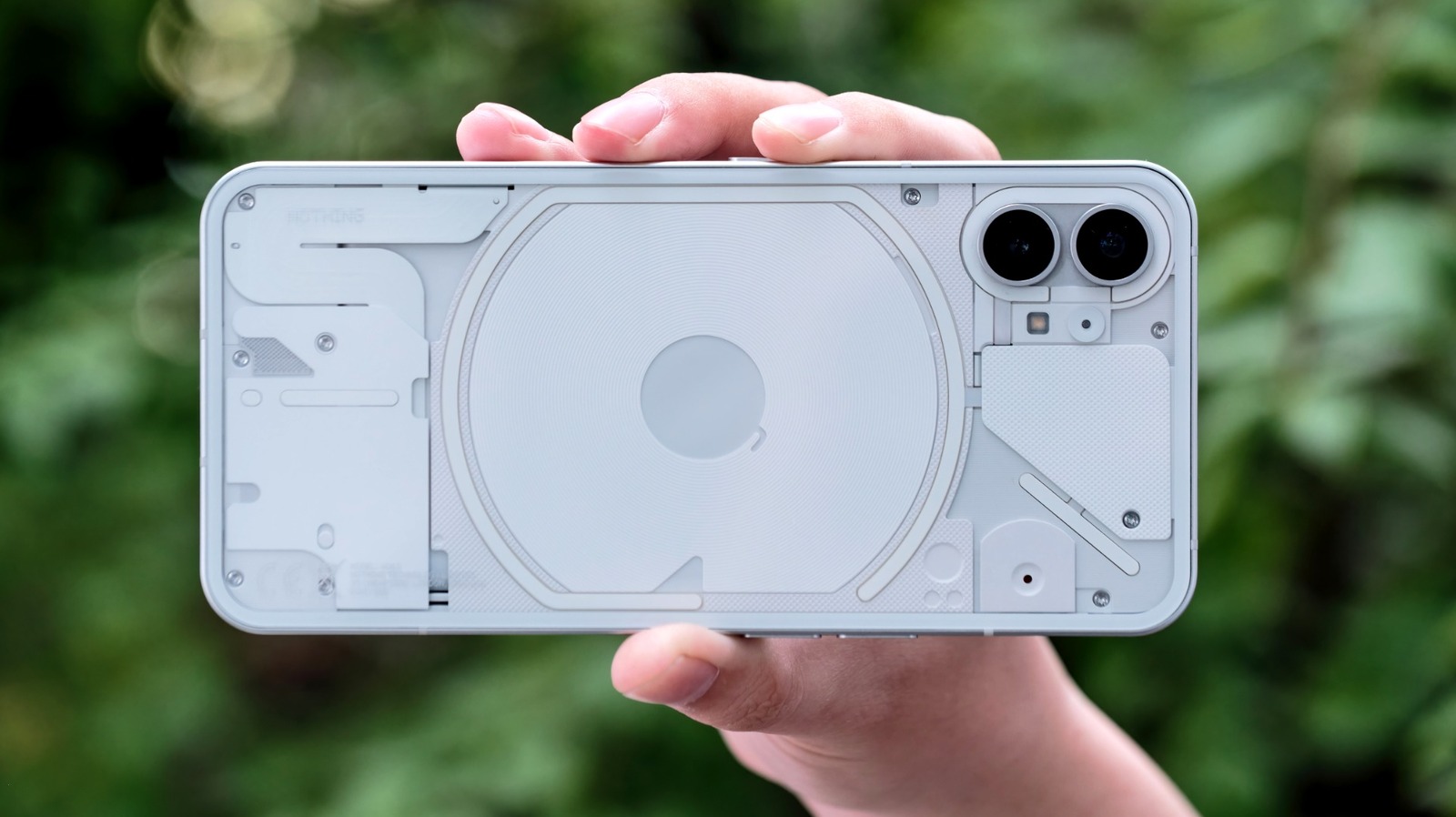
The launch of the Phone (2) and the budget-friendly Phone (2a) saw Nothing further solidify its Indian operations. In a major move in 2024, Nothing expanded its partnership with Optiemus Infracom, an Indian electronics manufacturing services (EMS) provider. This partnership was designed to go beyond mere assembly, aiming to localize the production of parts like cables and certain internal components.
2025 and Beyond: The "Make in India" Initiative
Looking toward the future, Nothing has signaled its intent to make India a primary export hub. The company is currently working toward a future where devices manufactured in Indian plants are shipped to international markets, including Europe and parts of the Middle East, further reducing reliance on traditional East Asian manufacturing corridors.
3. Supporting Data: India as a Global Tech Powerhouse
The decision to manufacture in India is backed by robust economic data. India is currently the second-largest manufacturer of mobile phones in the world. Between 2014 and 2024, the country saw a staggering 2,000% increase in mobile phone production value.
Comparative Industry Data:
- Apple’s Shift: Apple now manufactures approximately 14% of its iPhones in India (roughly 1 in 7 devices). Models like the iPhone 15 and 16 were part of the first wave of "made-in-India" units available at launch globally.
- Samsung’s Dominance: Samsung operates the world’s largest mobile factory in Noida, India. The flagship Galaxy S24 and S25 series are largely produced there for both local consumption and export.
- Government Incentives: The Indian government’s Production Linked Incentive (PLI) scheme offers a 4% to 6% incentive on incremental sales of goods manufactured in India. For a startup like Nothing, these margins are vital for maintaining a competitive price point against established giants.
Why Nothing is "Cheap" Compared to Rivals
The article’s source material asks why Nothing phones are more affordable. Data suggests it isn’t a lack of quality, but a difference in Brand Premium and Operational Overhead.
- R&D Amortization: Apple and Samsung spend billions annually on proprietary silicon (A-series chips) and foldable screen technology. Nothing uses "off-the-shelf" (but high-end) components like Snapdragon chips, allowing them to focus their budget on design and software optimization.
- Marketing Efficiency: Nothing relies heavily on community-led marketing and digital "hype" cycles rather than multi-billion dollar global television and billboard campaigns.
4. Official Responses: The Philosophy of Transparency
Nothing’s leadership has been vocal about their manufacturing choices, often framing them within their broader mission of "transparency"—both in product design and business practice.
Carl Pei, CEO of Nothing, has frequently addressed the manufacturing location in interviews and social media. Pei has emphasized that "Made in India" is a point of pride rather than a cost-cutting compromise. He has noted that by manufacturing locally, the company can bypass the high import duties (often exceeding 20%) that India imposes on fully built electronic units. This allows Nothing to price the Phone (2a) and Phone (3) aggressively in a market that is crucial for their long-term survival.
Manu Sharma, former Vice President and General Manager of Nothing India, stated during the expansion phases: "We are thrilled to announce that every Nothing phone sold in India will be manufactured locally. This is a testament to our commitment to the Indian market and our support for the ‘Make in India’ initiative."
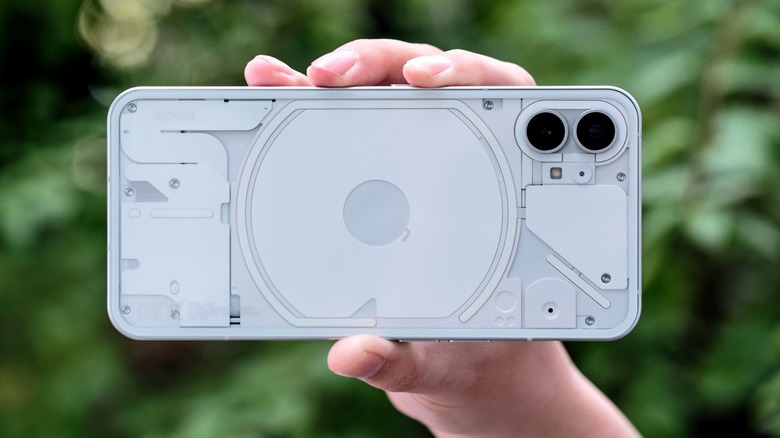
Furthermore, Optiemus Infracom leadership has expressed that the partnership with Nothing represents a "synergy of design and precision manufacturing," aiming to prove that Indian facilities can handle the complex assembly required for Nothing’s unique transparent back panels and LED Glyph interfaces—tasks that require a higher degree of "clean-room" precision than standard opaque smartphones.
5. Implications: The Future of the Smartphone Supply Chain
The shift of Nothing’s manufacturing to India carries several long-term implications for the tech industry, the consumer, and the global economy.
Quality Assurance and Consumer Perception
Historically, "Made in Japan" was once viewed with skepticism in the 1950s, as was "Made in China" in the 1990s. Both eventually became gold standards for electronics. India is currently undergoing this same "quality evolution." As Nothing, Apple, and Google (who recently announced Pixel production in India) move their high-end lines to Indian soil, the "Made in India" tag is rapidly becoming synonymous with high-tier tech.
Supply Chain Resilience
In a post-pandemic world, "China Plus One" has become the mantra for global corporations. By diversifying manufacturing into India, Nothing mitigates the risks of geopolitical tensions, trade wars, and regional lockdowns. This ensures a more stable supply of devices for the global market.
Economic Impact in the Region
The partnership with Optiemus and the establishment of dedicated assembly lines in Chennai contribute significantly to the local economy. It creates thousands of high-skill jobs in electronics assembly, quality testing, and supply chain management. For Nothing, this creates a loyal "home" market in India, which is currently the fastest-growing major economy in the world.
The Design-Manufacturing Gap
The challenge for Nothing remains the "Design in London" versus "Made in India" gap. Ensuring that the avant-garde vision of London designers is perfectly translated by manufacturing teams thousands of miles away requires rigorous quality control. If Nothing succeeds in maintaining its high build quality while scaling in India, it provides a blueprint for other hardware startups to challenge the Apple-Samsung duopoly.
Conclusion
Nothing is more than just a smartphone brand; it is a case study in modern, agile manufacturing. By leveraging London’s design sensibilities and India’s burgeoning industrial infrastructure, Nothing has positioned itself at the crossroads of creativity and efficiency. While the components may travel the globe, the heart of the Nothing smartphone’s physical existence is firmly rooted in India. For the consumer, this translates to a device that offers premium innovation without the "legacy tax" of the industry’s older titans. As the "Phone (3)" prepares to enter the market, all eyes will be on Chennai to see if Nothing can continue to prove that where a phone is made is just as important as the vision behind it.