The Visceral Ascent of ‘Amok’: How Balázs Turai’s Neon-Drenched Nightmare Redefined the Animation Festival Circuit
The landscape of contemporary adult animation is often divided between the satirical sitcoms of major streaming platforms and the avant-garde experiments of the global festival circuit. Rarely does a work bridge these worlds with the sheer, kinetic force of Amok, the award-winning short film by Hungarian director Balázs Turai. Following a prestigious run that saw it claim the highest honors at the Annecy International Animation Film Festival, Amok has officially made its digital debut on Vimeo as a "Short of the Week" selection. This online release marks a pivotal moment for a film that has been described by critics as a "candy-colored descent into the abyss of the human psyche."
Main Facts: A Convergence of Horror, Comedy, and Psychological Inquiry
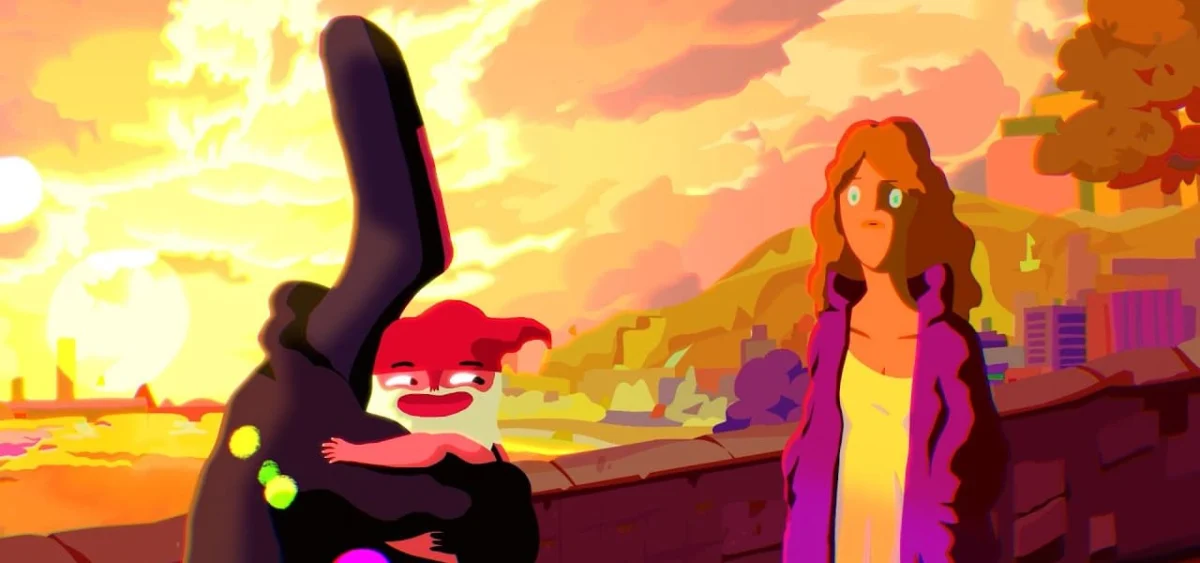
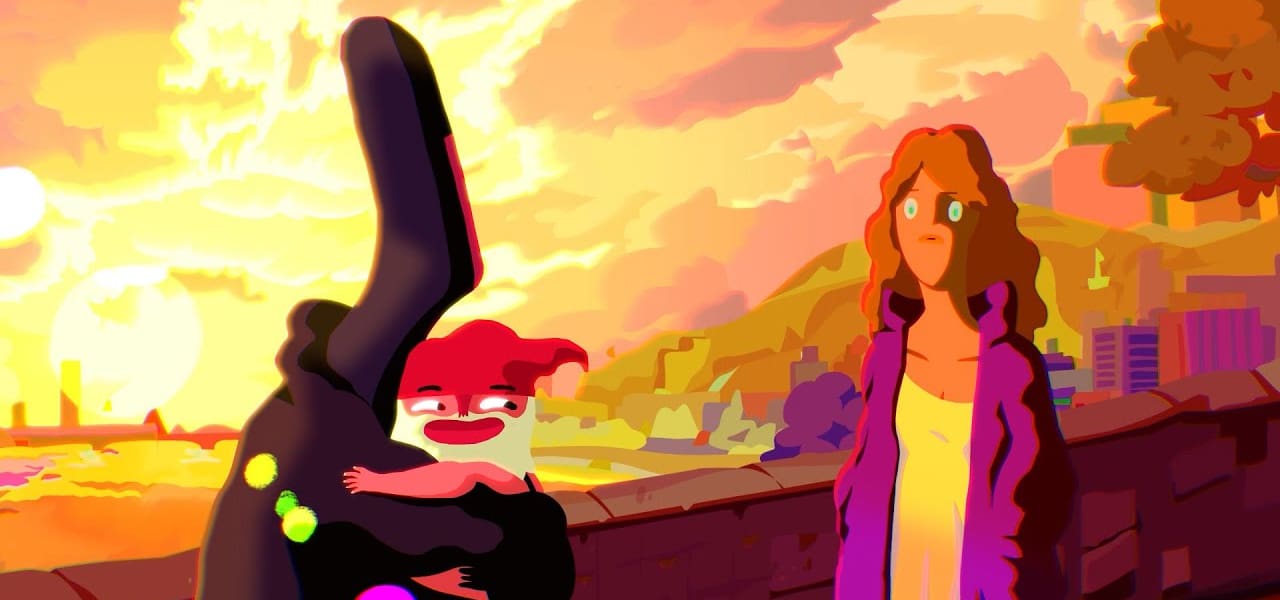
Amok is a 14-minute Hungary-Romania co-production that defies easy categorization. At its core, it is a dark psychological thriller wrapped in the vibrant, hyper-saturated aesthetic of a Saturday morning cartoon gone horribly wrong. The narrative centers on Clyde, a man who survived a horrific car accident that left him badly burned and took the life of his fiancée.
The central conflict, however, is not merely the trauma of the past, but the manifestation of an "evil garden gnome"—a grotesque, diminutive tormentor that Clyde blames for his misfortune and his recurring violent outbursts. As Clyde undergoes hypnotherapy to exorcise this demon, the film pivots from a supernatural horror-comedy into a profound exploration of repressed trauma and the "shadow self."
Produced by BÁD (Budapest Animated Department) and Safe Frame, the film represents a high-water mark for Central European animation. Since its premiere, it has become a symbol of the "New Wave" of Hungarian animation, characterized by bold visual storytelling and a refusal to shy away from mature, often disturbing themes. Its recent acquisition by the Short of the Week platform ensures that its reach extends beyond the insulated circles of film festivals to a global digital audience.
Chronology: From Concept to the Cristal d’Annecy
The journey of Amok began long before its 2022 festival sweep. Balázs Turai, already known for his work on the irreverent and socially conscious The Fall of Rome, sought to create a narrative that used the "squash and stretch" elasticity of animation to represent internal psychological fracturing.
2020–2021: Production and Co-production Synergy
The film was developed as a collaboration between Hungary and Romania, utilizing the technical expertise of studios like Safe Frame. The production period was marked by an intense focus on color theory—specifically, how to use "neon-grotesque" palettes to contrast with the grim reality of Clyde’s life.
June 2022: The Annecy Triumph
The defining moment for the film occurred at the 2022 Annecy International Animation Film Festival. In a year featuring stiff competition from global powerhouses, Amok was awarded the Cristal for Best Short Film. This is widely considered the highest honor in the animation world. Additionally, it secured the France TV Award, signaling its commercial potential alongside its artistic merit.
2022–2023: Global Festival Tour
Following Annecy, Amok became a staple of the international circuit. It screened at Sundance, the Sarajevo Film Festival, and Ottawa International Animation Festival. Each stop solidified Turai’s reputation as a director capable of blending "high art" sensibilities with "low brow" genre tropes.
July 2024–August 2024: Digital Premiere
After years of exclusive screenings, the film was uploaded to Vimeo. Its selection as a "Short of the Week" in late July/early August 2024 represents the final stage of its release cycle, making the work accessible to the general public and aspiring animators worldwide.
Supporting Data: The Technical Architecture of a Nightmare
The impact of Amok is largely driven by its technical execution. The film operates at a "mile-a-minute" pace, utilizing a frame rate and editing style that mirrors the protagonist’s deteriorating mental state.
Visual Language and Color Palette
Turai employs what can be described as "aggressive saturation." While many psychological dramas opt for muted tones or noir-inspired shadows, Amok uses hot pinks, electric greens, and vibrant oranges. This choice serves a dual purpose: it creates a sensory overload that keeps the viewer off-balance, and it serves as a metaphorical mask, hiding the darkness of the story behind a "candy-coated" exterior.
Sound Design and Score
A critical component of the film’s success is the original score by Benjamin Efrati, featuring the musical collective GNOZO. The soundtrack is an eclectic mix of electronic pulses and jarring, discordant melodies that synchronize with the visual gags. The score was released independently on Bandcamp, where it has received praise for its ability to stand alone as a piece of experimental industrial-pop.
Production Pedigree
The film’s success is also a testament to the Hungarian National Film Institute’s support for animation. Hungary has a storied history in the medium—from the legendary Marcell Jankovics (Son of the White Mare) to contemporary masters—and Amok is the latest link in a chain of works that prioritize visual invention over traditional narrative structures.
Official Responses: Critical Acclaim and Jury Insights
The reception of Amok has been overwhelmingly positive, with critics focusing on its unique ability to be simultaneously repulsive and deeply moving.
The Annecy Jury noted in their citation that the film was chosen for its "audacity, its uncompromising vision, and its mastery of the medium to tell a story that is as painful as it is hilarious." The jury highlighted that Turai managed to tackle the heavy subject of self-loathing without ever becoming didactic or overly sentimental.
Short of the Week’s editorial team, upon selecting the film for their platform, remarked: "Turai’s film is a masterclass in tone. It manages to feel like a lost MTV Liquid Television short while possessing the emotional weight of a prestige live-action drama. It is a rare example of a film that uses the ‘cartoonishness’ of animation not to lighten the mood, but to heighten the horror."
.png)
In interviews, Balázs Turai has remained humble regarding the film’s success, often pointing to the collaborative nature of the medium. He has stated that Amok was born from a desire to explore the "loops of self-destruction" that people find themselves in. "The gnome isn’t just a monster," Turai explained in a post-screening Q&A. "It is the part of us that finds comfort in our own misery."
Implications: A New Benchmark for Adult Animation
The success and subsequent digital release of Amok carry significant implications for the future of the animation industry, particularly in Europe.
1. The Validation of "Genre-Bending"
For years, adult animation was often pigeonholed into two categories: "Family Guy-style" comedy or "serious" philosophical features like Waltz with Bashir. Amok proves there is a massive appetite for "genre-bending" works that utilize horror, slapstick, and psychological drama simultaneously. This opens doors for creators who want to experiment with tone without losing the interest of major festival juries.
2. The Rise of Central European Studios
The prominence of BÁD and Safe Frame in the production of Amok signals a shift in the geographical centers of animation excellence. While France (Gobelins) and the US (CalArts) have traditionally dominated, the "Hungarian New Wave" is proving that high-concept, technically sophisticated work can thrive in Budapest and Bucharest, often with more creative freedom than is found in the Hollywood system.
3. Digital Democratization
The transition from a "Cristal winner" to a "Vimeo pick" highlights the changing lifecycle of short films. In the past, an award-winning short might disappear into archives after its festival run. Today, platforms like Short of the Week serve as a digital museum and a launchpad, ensuring that films like Amok can influence the next generation of creators who may never have the opportunity to attend Annecy in person.
4. Animation as a Tool for Mental Health Discourse
Finally, Amok contributes to a growing movement of films that use surrealism to discuss mental health. By externalizing Clyde’s trauma as a physical, violent gnome, Turai provides a visual vocabulary for the "intrusive thoughts" and "self-sabotage" that characterize PTSD and depression. It suggests that animation, with its ability to ignore the laws of physics, may be the most effective medium for representing the internal landscape of the human mind.
In conclusion, Amok is more than just a "Cartoon Brew Pick." It is a seminal work of the 2020s that challenges viewers to look past the bright colors and see the scars beneath. As it begins its life on the open internet, its influence is likely to be felt for years to come, encouraging a bolder, darker, and more vibrant future for the art of animation.