Temporal Tactics and Espionage: Innerspace Sets Full Release Date for VR Thriller ‘Spymaster’
The virtual reality landscape is often defined by its ability to transport players into roles that would be impossible in the physical world. Few roles are as coveted or as demanding as that of the elite secret agent. Innerspace, the visionary studio behind the critically acclaimed A Fisherman’s Tale series, is preparing to elevate this fantasy with the full release of its time-bending tactical adventure, Spymaster. After a productive five-month stint in Steam and Quest Early Access, the title is scheduled for its official Version 1.0 launch on October 15.
Combining the high-stakes tension of an extraction shooter with the cerebral satisfaction of a temporal puzzle, Spymaster represents a significant evolution for Innerspace. The game challenges players to orchestrate complex heists and infiltrations not just through firepower, but through the strategic manipulation of time itself.
Main Facts: The Path to Full Release
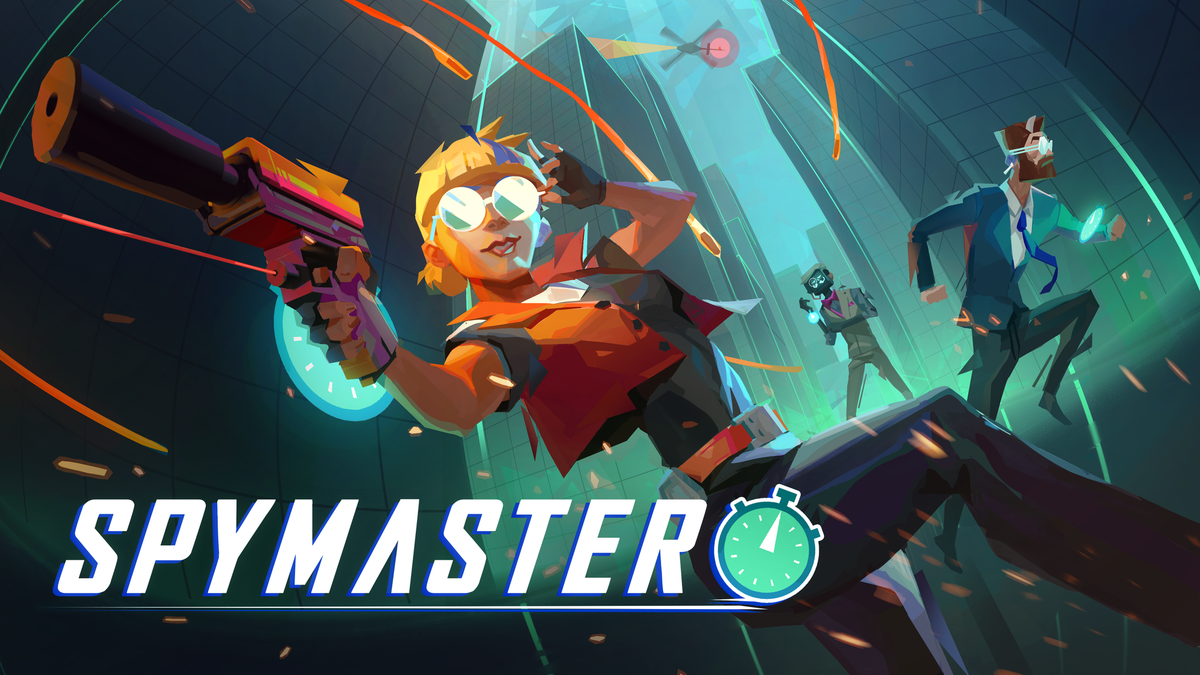
Spymaster is a VR-exclusive title that places players in the shoes of a handler commanding multiple field agents simultaneously. The core loop involves navigating treacherous environments, completing objectives, and reaching extraction points. However, unlike traditional stealth games where a single mistake leads to a "Game Over" screen, Spymaster utilizes a proprietary "wristwatch device" that allows players to rewind time, correcting errors in positioning, timing, or combat in real-time.
The full release on October 15 marks a transition from a polished "work-in-progress" to a complete narrative and mechanical experience. Key features of the 1.0 launch include:
- Platform Availability: Concurrent launch on the Meta Quest Store and SteamVR.
- New Content: The addition of three expansive missions, bringing the total campaign to its conclusion.
- Mechanical Evolution: A grand finale mission that requires the coordination of three separate agents, expanding upon the two-agent system found in the Early Access build.
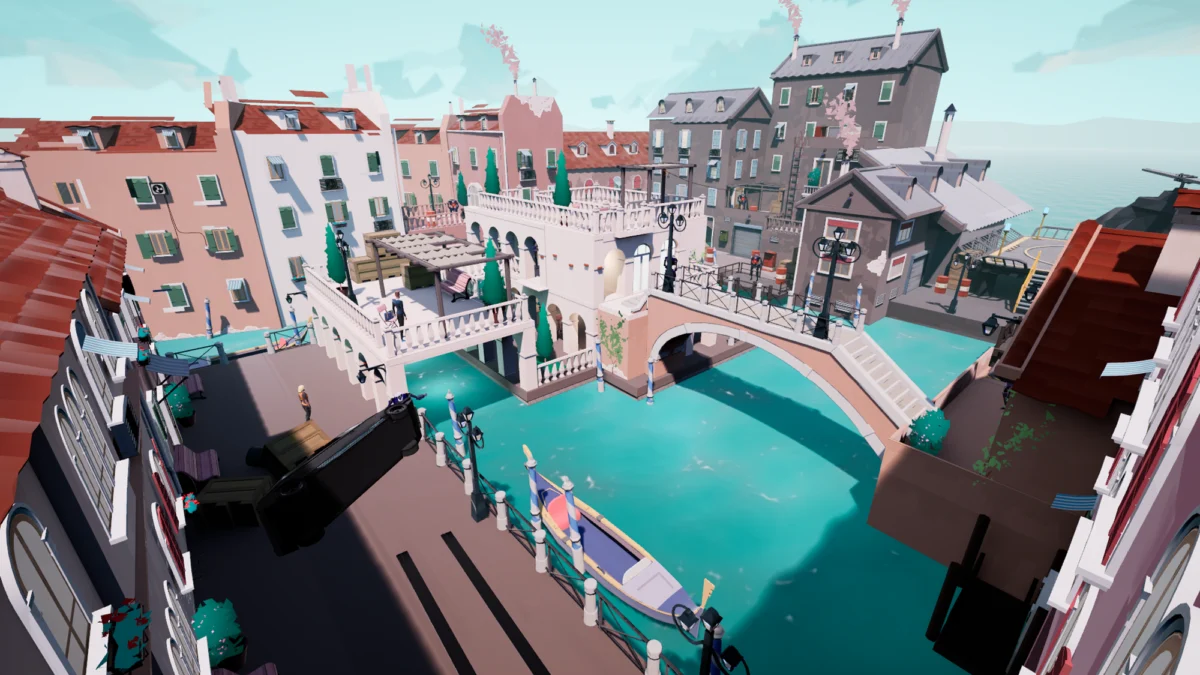
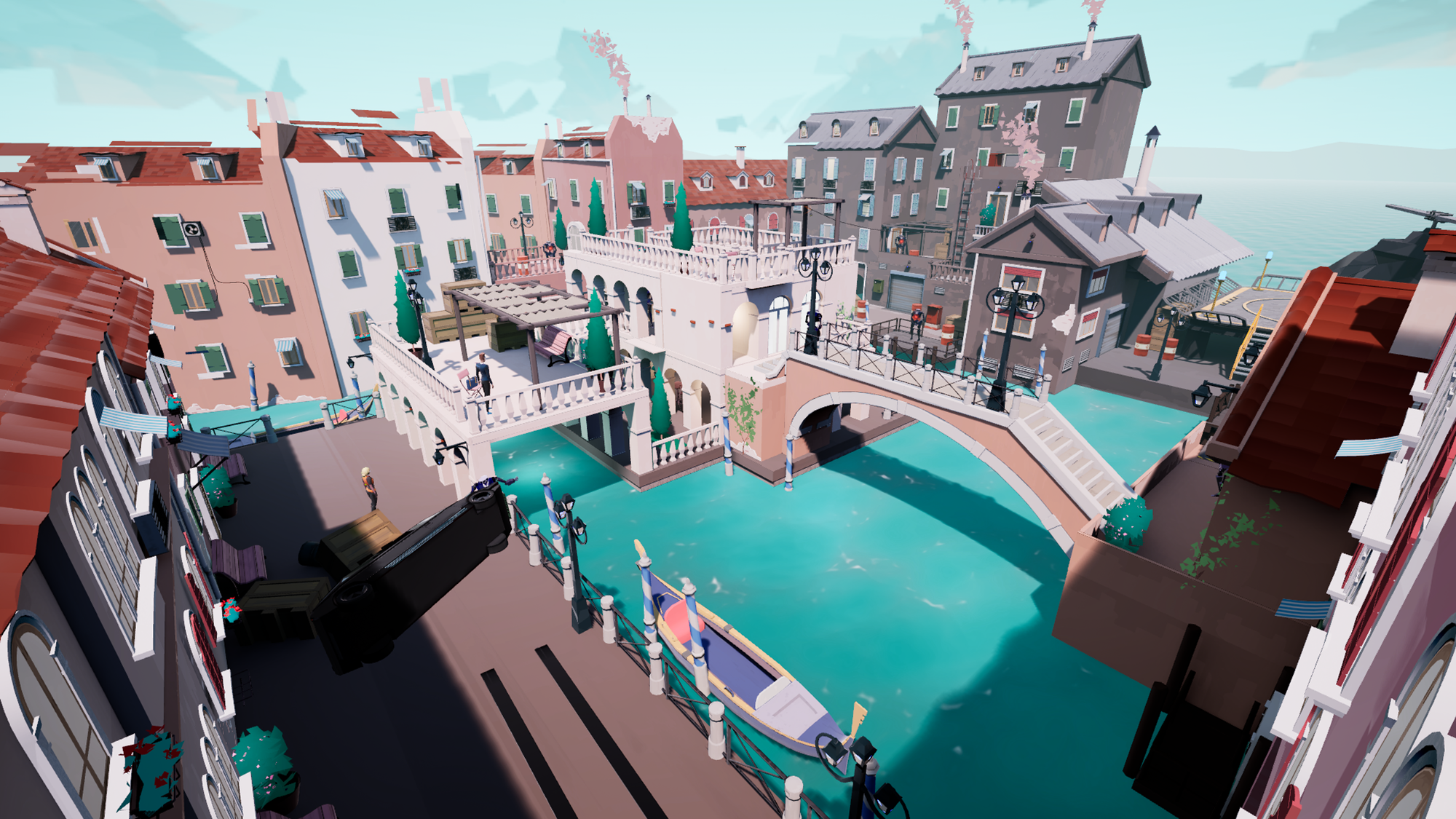
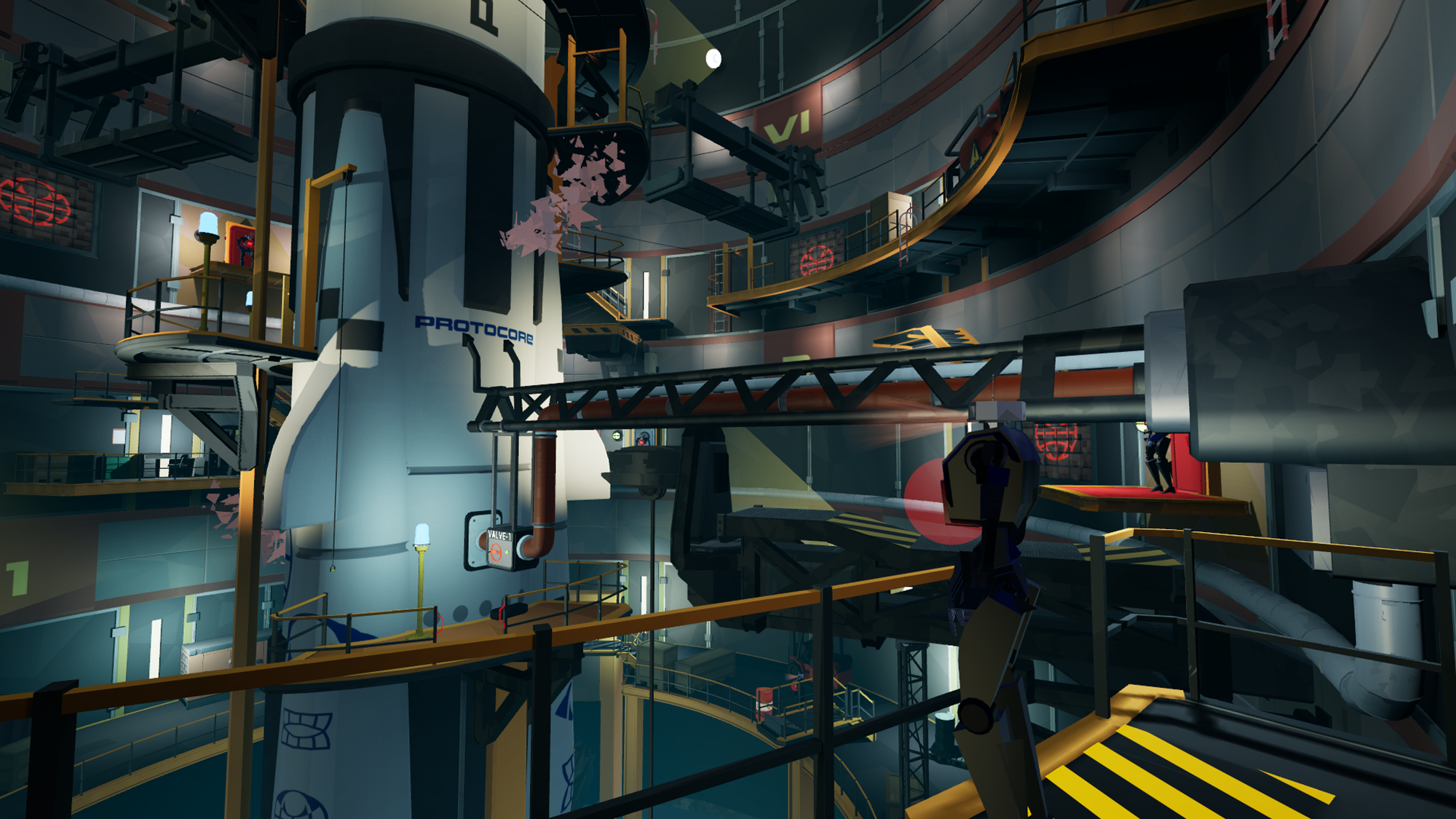
- Diverse Environments: Missions spanning iconic and hazardous locales, including the canals of Venice, high-security missile silos, and the frozen wastes of the Arctic.
Chronology: From Concept to Conclusion
The journey of Spymaster has been one of iterative refinement, a hallmark of Innerspace’s development philosophy. The studio first teased the concept as a departure from the whimsical, narrative-heavy puzzles of A Fisherman’s Tale, seeking to marry their expertise in spatial manipulation with more kinetic, action-oriented gameplay.
March: The GDC Debut
The gaming industry got its first hands-on look at Spymaster during the Game Developers Conference (GDC) in March. Early previews highlighted the game’s unique "hot-swapping" mechanic, where players could jump between agents to clear paths or provide overwatch. The reception was positive, with critics noting that the game felt like a "tactical ballet."
May: Early Access Launch
Following the GDC showcase, Spymaster entered Early Access on both Quest and Steam. This period was crucial for the developers to balance the difficulty of the time-rewind mechanic. During these five months, Innerspace focused on optimizing the UI for the wristwatch device and ensuring that the "perfectionist" loop—where players replay segments to achieve a "ghost-like" efficiency—felt rewarding rather than tedious.
October 15: The Full Launch
The upcoming release signifies the completion of the story arc and the ultimate test of the player’s mastery over the game’s mechanics. By introducing a third agent in the finale, Innerspace is doubling down on the complexity that defined the Early Access period.
Supporting Data: Analyzing the "Spymaster" Loop
The success of Spymaster lies in its ability to circumvent a common issue in the puzzle-stealth genre: the "one-and-done" problem. In many puzzle games, once a solution is discovered, the replay value diminishes significantly. Innerspace has addressed this through a combination of "extraction-like" scenarios and optional objectives.
The Mechanics of Temporal Coordination
In a typical mission, the player controls Agent A to disable a security gate, then rewinds time to control Agent B, who can now pass through that gate simultaneously. This creates a "temporal ghost" effect where the player is essentially playing co-op with their own past actions.
Data from the Early Access period suggests that players spend an average of 30% more time in levels than required for a basic completion, specifically to chase "Perfect Run" medals. These medals are awarded for avoiding detection, minimizing rewinds, and securing all secondary intel.
Technical Performance and Environments
The 1.0 release introduces three distinct environments that showcase Innerspace’s artistic range:
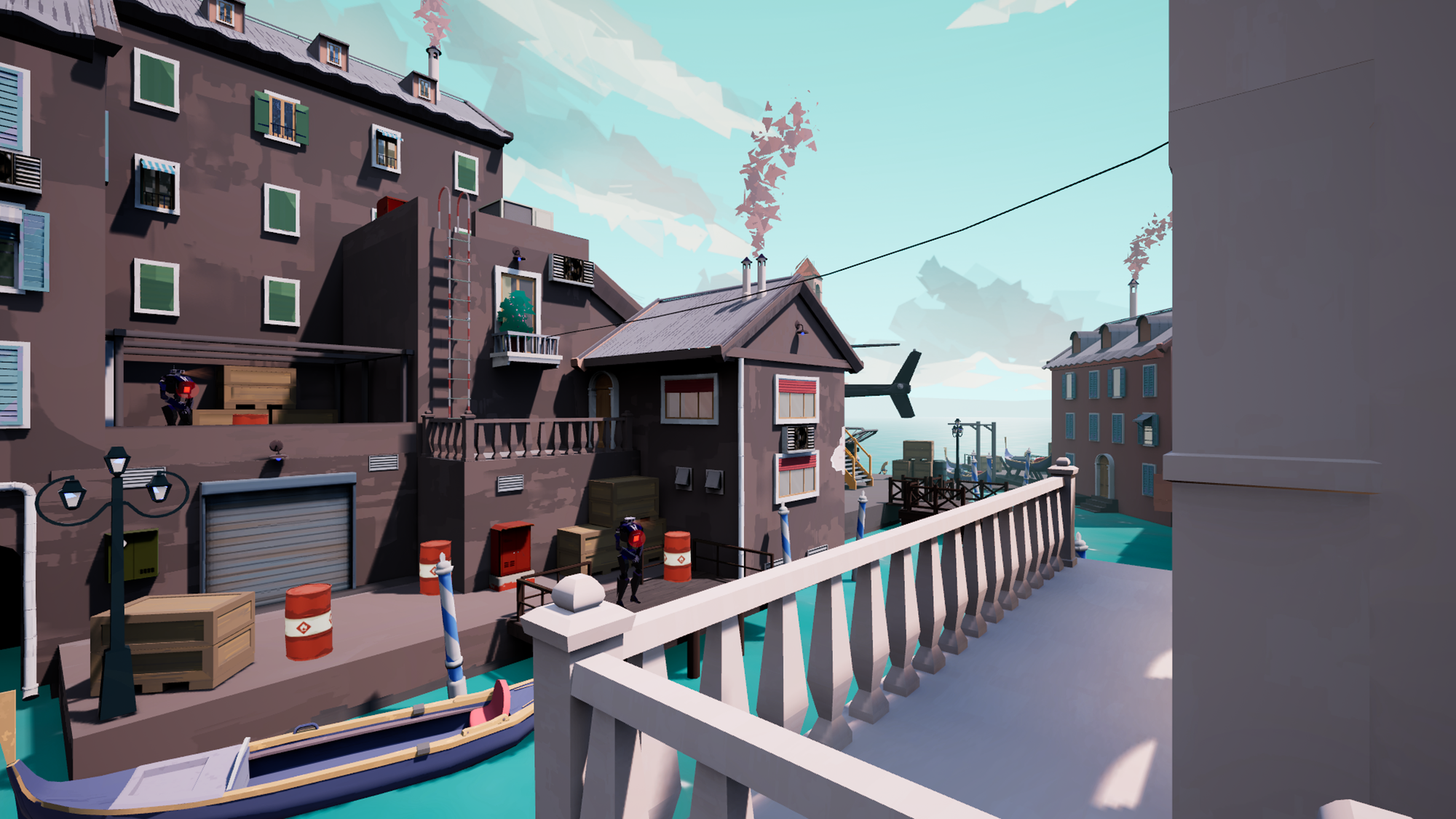
- Venice: A vertical playground utilizing ziplines and gondolas, emphasizing mobility and long-range coordination.
- The Silo: A claustrophobic, multi-level facility that tests the player’s ability to manage line-of-sight in tight corridors.
- The Arctic: An expansive outdoor map where environmental hazards and long-distance sniping come into play.
On the Meta Quest 3, the game utilizes the hardware’s increased processing power to maintain stable frame rates during complex rewind sequences, where the engine must track and reverse the physics of multiple entities simultaneously.
Official Responses and Developer Intent
While Innerspace has remained focused on the technical execution of the launch, their design philosophy has been clear throughout the development cycle. Representatives from the studio have frequently cited the "Signature Innerspace Charm" as a guiding light. This charm refers to the quirky, slightly surrealist approach to VR interactions—making the act of turning a dial or pulling a lever feel tactile and satisfying.
In previous statements regarding the Early Access phase, the development team emphasized that Spymaster was designed for the "inner perfectionist." The goal was not just to finish a level, but to finish it with the elegance of a choreographed action sequence.
"We wanted to create a game where the player feels like the director of a high-octane spy movie," a spokesperson noted during the GDC preview. "The rewind mechanic isn’t just a safety net; it’s a creative tool. It allows you to orchestrate moments that would be impossible to execute in real-time on a first attempt."
The transition to a three-agent finale is, according to the developers, the "logical conclusion" of the game’s complexity curve. It represents the ultimate expression of the player’s ability to multitask across different points in the timeline.
Implications: The Evolution of VR Stealth and Puzzle Genres
The full release of Spymaster carries broader implications for the VR industry and the evolution of the stealth-action genre.
1. The Maturity of the "Early Access" Model in VR
Spymaster’s successful transition from a five-month Early Access period to a full release serves as a blueprint for mid-sized VR studios. By using the community to stress-test the time-manipulation physics, Innerspace has been able to deliver a more stable and balanced product than a direct-to-market release might have allowed. This suggests that the "live development" model is becoming increasingly viable for premium VR experiences.
2. Redefining "Extraction" Gameplay
While the "extraction" sub-genre (popularized by titles like Escape from Tarkov) is usually associated with high-stakes multiplayer combat, Spymaster reinterprets these stakes for a single-player, puzzle-oriented audience. It proves that the tension of "getting out alive" can be successfully married to slow-paced, thoughtful tactical planning.

3. The Quest vs. PCVR Parity
By launching simultaneously and with feature parity on both Quest and Steam, Spymaster reinforces the trend of "platform-agnostic" VR development. Players on standalone headsets are no longer receiving "lite" versions of complex PCVR titles; they are getting the full, uncompromised vision of the developers.
4. Legacy of Innerspace
For Innerspace, Spymaster solidifies their reputation as masters of spatial and temporal puzzles. While A Fisherman’s Tale dealt with recursive space (a world within a world), Spymaster deals with recursive time. This thematic consistency positions the studio as one of the few developers consistently pushing the boundaries of how we perceive logic and physics within a virtual space.
Conclusion
As October 15 approaches, the VR community is looking at Spymaster not just as another addition to the library, but as a potential benchmark for tactical gameplay. Whether players are drawn by the allure of being a secret agent, the challenge of the new three-agent finale, or the sheer satisfaction of a perfectly timed rewind, Spymaster promises a level of depth and charm that is rare in the medium. In the world of international espionage, timing is everything—and for Innerspace, the time for their most ambitious project yet has finally arrived.