AI in Game Development: A Heated Debate Erupts Over "Rideshare Stimulator"
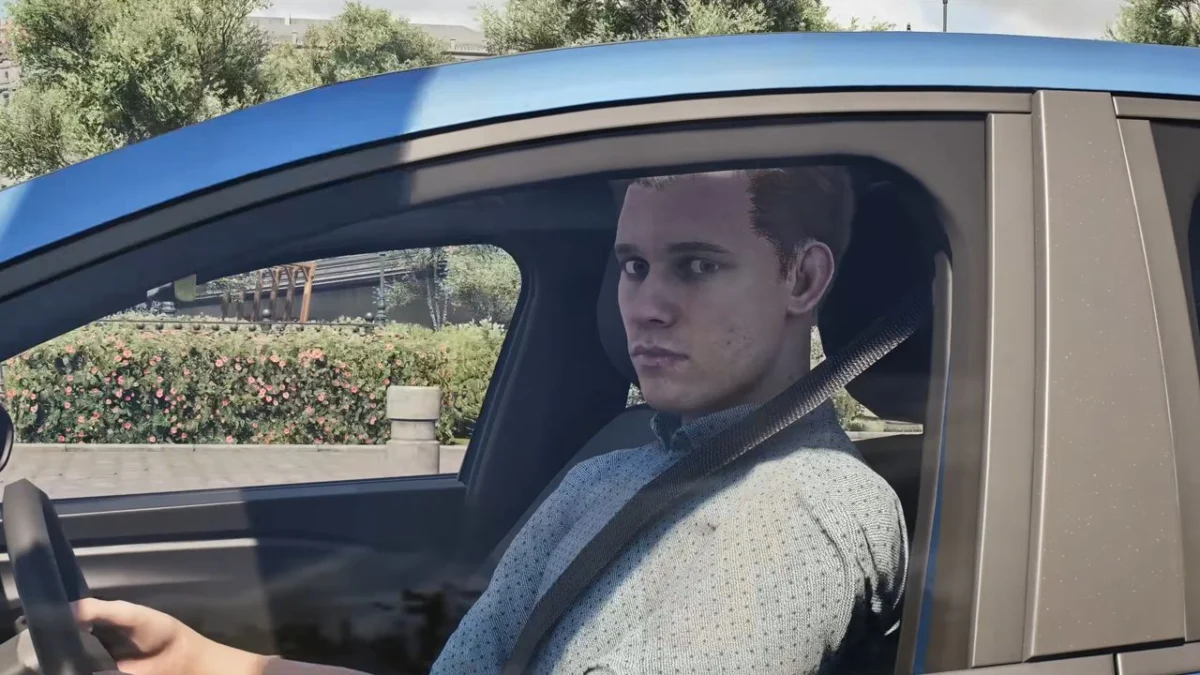
A public dispute between a former Saber Interactive writer and the company’s CEO has ignited a fervent discussion surrounding the role and transparency of artificial intelligence in video game development. The controversy, centered on the upcoming title "Rideshare Stimulator," highlights the growing tension between innovative AI integration and player concerns about creative integrity and ethical disclosure.
The Genesis of the Conflict: Claims of AI Replacement
The controversy first surfaced when Stella Sacco, a former writer at Saber Interactive, publicly claimed that her role on "Rideshare Stimulator" was effectively replaced by AI, specifically ChatGPT, in 2023. Sacco’s allegations, disseminated across social media platforms, suggested a disturbing trend of developers opting for AI over human talent to fulfill creative roles.
Sacco’s assertion painted a picture of a project where her contributions were deemed surplus to requirements in favor of generative AI tools. This claim immediately resonated with a gaming community already grappling with the burgeoning presence of AI in creative fields. The fear of AI supplanting human artists, writers, and designers is a palpable concern, and Sacco’s experience appeared to validate these anxieties.
A CEO’s Combative Response and Shifting Narratives
The response from Saber Interactive’s CEO, Matt Karch, was notably sharp and dismissive. In a statement provided to This Week in Videogames, Karch expressed outright surprise at Sacco’s claims, famously asking, "Stella who?" He admitted to needing to consult an AI, Claude, to even identify her, suggesting a lack of personal engagement or recognition of her specific role.
Karch asserted that Saber Interactive had "already said we are using AI for certain parts of the game and will update the Steam page once we have finalized the feature set." This statement implied that the company’s use of AI was not a secret but rather an ongoing development process. He further alleged that Sacco had violated a confidentiality clause by revealing this information prematurely, before Saber Interactive was "ready" to make a formal announcement.
This counter-narrative shifted the focus, suggesting that Sacco’s public outcry was not a whistleblower exposing unethical practices but rather an individual breaching contractual agreements. Karch’s tone was perceived by many as combative, with Sacco herself describing the statement as "remarkably pathetic for the CEO of any company to be making."
The Chronology of a Brewing Storm
The timeline of events leading to this public clash is crucial for understanding the unfolding situation:
- 2023: Stella Sacco claims her role as a writer on "Rideshare Stimulator" was replaced by ChatGPT.
- Recent Weeks: Sacco’s allegations gain traction online, sparking discussion and concern within the gaming community.
- Subsequent to Sacco’s Claims: Saber Interactive CEO Matt Karch issues a combative statement to This Week in Videogames, denying Sacco’s characterization and accusing her of violating confidentiality.
- Around the Same Time: Reports emerge that "Rideshare Stimulator" was initially listed on Steam without an AI disclaimer, despite its use of AI technologies. This omission further fueled accusations of a lack of transparency.
- Following Media Scrutiny: Saber Interactive appears to be pressured into adding an AI disclaimer to the game’s Steam store page. The disclaimer now acknowledges the use of AI-generated dialogue and music.
- Current Status: The debate continues, with the gaming community and media outlets dissecting the implications of AI in game development and the communication strategies of developers.
Supporting Data and Official Statements
The core of the dispute revolves around the extent and disclosure of AI’s involvement in "Rideshare Stimulator." While Sacco’s initial claims were vague, subsequent statements and actions from Saber Interactive have provided more concrete, albeit contested, details.
Matt Karch’s statements to various media outlets, including IGN, offer further insight into the company’s perspective:
- AI as an "Unrelated Experimental Mode": Karch described the AI integration in "Rideshare Stimulator" as an "unrelated experimental mode" rather than a core component of the game. This framing attempts to downplay the significance of AI in the overall player experience.
- Resource Intensive AI Implementation: He claimed that integrating these AI features required the addition of "two writers and multiple coders" to work with AI tools, implying that the process was not as simple as a direct AI takeover and incurred significant costs. "The net cost of incorporating these features was significantly higher than leaving them out," Karch stated, suggesting that the decision to use AI was driven by experimentation rather than cost-saving.
- Future Transparency: Karch reiterated the company’s intention to "update the Steam page once we have finalized the feature set." This commitment, however, was perceived by many as reactive rather than proactive, especially given the initial absence of any AI disclosure.
- AI-Generated Music: The Steam disclaimer explicitly mentions "a mix of radio stations featuring human-made music and AI-generated music. Stations containing AI-generated music are clearly labeled as such in the game." This indicates a more nuanced application of AI, involving both creative content generation and a commitment to labeling its output.
The addition of the AI disclaimer on the Steam page, though belated, serves as a tangible piece of evidence supporting the claim that AI is indeed being used in the game. However, the timing of its appearance, after the controversy erupted, raises questions about the company’s initial intentions regarding transparency.
The Broader Implications for the Gaming Industry
This public spat extends far beyond a single game or studio; it encapsulates a broader, more significant debate about the future of AI in the gaming industry. Several key implications emerge from this controversy:
- Transparency and Trust: The core issue for many players is transparency. When AI is used to generate content that was previously the domain of human creators, players expect to be informed. The initial lack of disclosure by Saber Interactive, even if attributed to an "experimental mode," eroded trust. This incident underscores the growing demand for clear labeling and honest communication from developers regarding AI integration.
- Ethical Considerations and Job Security: Sacco’s claim, regardless of its precise factual accuracy in terms of her specific replacement, taps into a widespread fear among creative professionals. The potential for AI to displace writers, artists, musicians, and other roles is a serious concern. While AI can be a powerful tool for augmentation, its use as a direct replacement for human talent raises ethical questions about fair compensation, creative ownership, and the future of creative careers in gaming.
- The "AI Stigma": Karch’s comment about his "PR team always terrified by even broaching the subject" suggests that there is a significant "AI stigma" within the gaming industry. This fear likely stems from anticipated negative reactions from a vocal segment of the player base who are skeptical or outright opposed to AI in creative roles. This hesitancy to openly discuss AI integration might be contributing to the very lack of transparency that fuels player distrust.
- Defining "AI Use": The controversy also highlights the challenge of defining what constitutes "AI use" in game development. Is it using AI to generate dialogue for background characters? Is it using AI to assist in level design? Or is it replacing a core creative role entirely? The spectrum of AI application is vast, and a clear understanding and communication of where a game falls on this spectrum are essential.
- The "Publicity Stunt" Accusation: Karch’s accusation that Sacco’s actions were a "publicity stunt" and that he might have "Stella to thank" for any publicity is a provocative claim. While it could be an attempt to deflect criticism, it also points to the complex interplay between developer intent, public perception, and media coverage in the modern gaming landscape.
The "Rideshare Stimulator" incident serves as a critical case study, forcing the industry to confront the complexities of AI integration. As AI technology continues to advance, the dialogue around its ethical implementation, transparency, and impact on human creativity will only intensify. The gaming community’s vigilance and the industry’s willingness to engage in open and honest conversations will be paramount in shaping a future where AI can enhance, rather than alienate, the art of game development.