Fauci’s Diary, Joe Rogan, and the Magic Boom in Fiction
Publishing Industry Navigates Shifting Sands: Agent Ethics, Legal Battles, and the Supernatural Surge
For the Week Ending July 31, 2026
The publishing landscape is undergoing a seismic shift, marked by evolving ethical guidelines for literary agents, protracted legal disputes within niche communities, and an unexpected boom in supernatural fiction fueled by a growing distrust in established institutions. This week’s developments highlight a dynamic industry grappling with technological advancements, changing author-publisher relationships, and a societal re-evaluation of truth and authority.
Agents Gain New Avenues for Revenue Amidst Ethical Scrutiny
New AALA Canon of Ethics Redefines Agent-Author Relationships
In a move that has sent ripples through the literary world, the Association of American Literary Agents (AALA) has officially sanctioned new ethical guidelines allowing its members to charge authors for services beyond traditional representation. Effective September 1, 2026, the revised AALA Canon of Ethics signals a significant departure from previous standards, granting agents expanded opportunities to generate revenue from authors, including those whose work may not be deemed commercially viable for traditional publication.
Key Provisions and Emerging Concerns
The updated Canon, detailed on aalitagents.org, introduces several key changes:
- Paid Services for Clients and Non-Clients: Section 10 now explicitly permits agents and their agencies to offer and charge fees for marketing, promotion, web design, and other services to their clients. Crucially, representation cannot be contingent on purchasing these services, and authors must be informed of their freedom to seek these services elsewhere. Section 11 extends this permission to offer editorial and non-editorial services to writers who are not currently clients, provided clear disclaimers are issued.
- Shift Towards Fee-Based Income: While AALA President Regina Brooks frames these changes as a necessary adaptation to the modern author’s role in marketing and a transparent way for agents to earn a living, critics express significant concern. Jane Friedman, a prominent voice in the publishing industry, warns that this formalizes a move towards fee-based income, potentially creating a conflict of interest. With a substantial percentage of AALA agents reporting annual incomes below $50,000 from traditional commissions, the temptation to steer authors toward higher-margin services will be considerable. Writer Beware highlights the inherent power imbalance, suggesting that "voluntary" service purchases may be difficult for authors to refuse in practice.
- Editorial Fees and Reimbursement: A significant alteration in Section 11 addresses the reimbursement of editorial fees. Previously, agents were required to fully refund non-client editorial fees if the writer later became a client. The new rules leave the treatment of these fees to mutual agreement, a change that critics argue weakens author protections and lowers the financial barrier for agents to convert service customers into clients without returning prior payments.
- Agents as Publishers: Section 12 introduces a new allowance for agents to act as publishers for their clients, provided a specific "Consent Regarding Publication" agreement is executed. This removes a prior outright ban, acknowledging the rise of hybrid and agent-assisted publishing models. However, industry watchdogs like Friedman and Writer Beware point to the inherent conflict of interest, where an agent’s divided loyalties could impact decisions on advances, royalties, and marketing spend.
Industry Reaction and Author Implications
Industry commentators like Thomas and Jonathan of Author Media have voiced strong opposition, characterizing the changes as a "disaster" that fundamentally alters the meaning of literary representation. They argue that agents may now prioritize signing authors with financial means to purchase services over those with commercially promising manuscripts, effectively transforming the agent’s role from champion to service provider. The implications for authors are stark: a greater need to scrutinize an agent’s income streams beyond their sales record and a heightened awareness of potential conflicts of interest. The effective date of September 1, 2026, places a new onus on authors seeking representation to understand the evolving dynamics of the agent-author contract.
Christian Fantasy Community Faces Lengthy Defamation Battle
Realm Makers Leaders Break Silence on 18-Month Legal Fight
The Christian speculative fiction community is reeling from revelations by leaders of the Realm Makers conference regarding an 18-month defamation lawsuit that has significantly drained resources and cast a shadow over the organization. Scott and Becky Minor, the conference leaders, have publicly addressed the protracted legal battle, shedding light on the accusations and their impact.
Chronology of Accusations and Legal Action

According to a detailed timeline provided by Realm Makers, the dispute originated with David Solomon, an individual who has reportedly used multiple aliases and has been making accusations against Christian authors since at least 2012. In October 2024, Solomon contacted Scott Minor with allegations of child trafficking against author Bryan Davis. After reviewing the provided materials and finding no supporting evidence, Minor banned Solomon from the RealmSphere community platform for misuse.
By March 2025, the accusations escalated to include Scott Minor and Realm Makers itself. The "Voices for Voices" podcast, hosted by Justin Alan Hayes, amplified these claims across numerous episodes and videos. In response, Realm Makers and the Minors filed a civil defamation lawsuit in late spring 2025, asserting that the accusations are baseless and lack verifiable evidence.
The Cost of the Fight and Community Support
In a statement to the community, the Minors described the sustained attacks as damaging to their reputations and their ability to serve Christian writers. They characterized the campaign as targeting a widening circle of authors within the Christian fantasy genre for over a decade. The decision to break their near-total public silence was prompted by the unsustainable financial and emotional toll of the legal proceedings. A GiveSendGo crowdfunding campaign has been launched to raise $50,000 for legal fees, with initial contributions showing significant community support. Any surplus funds are designated for Realm Makers’ services and scholarships.
Implications for Niche Creative Communities
The ongoing legal conflict highlights the vulnerability of smaller, faith-based creative communities to persistent online defamation campaigns. While traditional publishers and larger organizations may face similar challenges, the intensity and personal nature of these attacks can disproportionately impact niche groups. The outcome of this lawsuit is poised to shape how similar organizations and writers within the Christian speculative fiction space respond to future accusations and reputational risks. The Realm Makers conference, which has seen significant growth in recent years, continues to operate, but the legal battle underscores the potential for external factors to disrupt even thriving creative ecosystems.

Zeitgeist: Declining Trust in Science Fuels Supernatural Fiction Boom
Fauci Hearings and the Erosion of Scientific Authority
Recent congressional hearings involving Dr. Anthony Fauci, coupled with revelations from his private diary, have intensified public scrutiny and contributed to a discernible decline in trust towards scientific institutions. The questioning surrounding his handling of the COVID-19 pandemic and the apparent divergence between public statements and private notes have fueled a narrative of opportunism and a lack of transparency.
Shifting Perceptions of Truth-Seeking
Historically, the Enlightenment era saw science emerge as the preeminent authority for truth-seeking, supplanting the clergy. However, the COVID-19 pandemic and subsequent events have exposed perceived inconsistencies and potential biases within the scientific community. This erosion of trust is particularly pronounced among younger demographics, who are increasingly turning to anecdotal experiences and alternative belief systems for validation.
Memes and popular media narratives, including fictional works like "The Torment Nexus," "Resident Evil," and "Doom," increasingly explore themes of scientific corruption and corporatization. Dr. Fauci’s invocation of the Fifth Amendment before Congress, repeatedly citing "on the advice of counsel," has been widely interpreted as an admission of guilt by critics and has further solidified public skepticism.
Pew Research Center data corroborate this trend, indicating a stabilization but not a reversal of declining confidence in scientists acting in the public interest. This waning trust in established scientific authority is creating a cultural vacuum, which is increasingly being filled by a renewed interest in the supernatural.

The Rise of Supernatural Narratives
The declining faith in materialistic explanations and scientific dogma has created fertile ground for supernatural themes in fiction. Circana BookScan data reveal sustained strength in genres like romantasy, dark fantasy, and horror, with the supernatural/horror subcategory showing gains even as overall Young Adult fiction units soften.
Joe Rogan, as a prominent podcaster, has played a significant role in normalizing conversations around the unexplained, featuring discussions on Bigfoot, aliens, and interdimensional beings. This platform has provided a mainstream voice for exploring these subjects, resonating particularly with younger male audiences who may find traditional scientific pronouncements less compelling.
Authors are finding a commercially viable market for stories that incorporate magic, ghosts, angels, and unexplained forces. Genres that previously relied heavily on scientific explanations are seeing a resurgence when infused with supernatural elements. This shift reflects a broader cultural appetite for narratives that acknowledge possibilities beyond the purely material, a departure from the strong materialistic emphasis of the 20th century.
Implications for Authors and the Creative Landscape
The growing distrust in scientific authority and the subsequent embrace of supernatural themes present both challenges and opportunities for authors. While the foundations of traditional science fiction may be shifting, the demand for imaginative storytelling that explores the unknown remains strong. Authors who can skillfully weave elements of wonder, magic, and the uncanny into their narratives are well-positioned to connect with contemporary readers. This cultural recalibration suggests that the pursuit of truth may increasingly be found not just in empirical data, but also in the exploration of the human psyche and the enduring mysteries of existence.

Author Alerts and Technological Advancements
Ukrainian Publishers Face Devastating Losses Amidst War
The ongoing conflict in Ukraine has had a direct and devastating impact on the nation’s publishing industry. In July alone, Russian attacks destroyed an estimated 1.5 million Ukrainian books and textbooks. Strikes on warehouses and printing facilities, such as the BookChef warehouse in Kyiv and Knyholav, have resulted in the loss of millions of copies and significant damage to printing infrastructure. This stark reality underscores the fragility of physical print supply chains and highlights the critical importance of digital distribution and diversified storage in times of crisis.
Anthropic Invests Heavily in AI Regulation
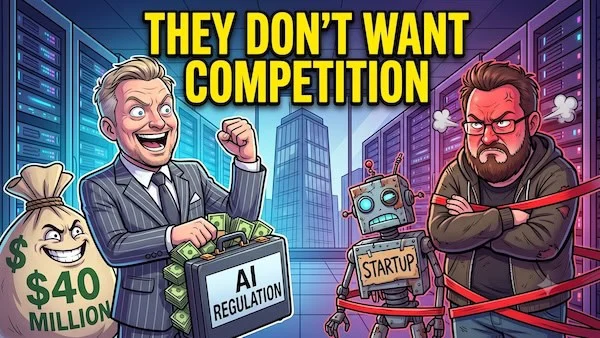
AI company Anthropic has announced a further $20 million investment in Public First Action, a nonprofit advocating for stricter AI safeguards. This brings their total support to $40 million, signaling a significant commitment to influencing AI policy ahead of the 2026 midterms. While Anthropic frames this as a push for transparency and risk mitigation, critics argue that such efforts often benefit large corporations by creating regulatory barriers that stifle competition. Authors who utilize AI tools in their creative process should monitor these developments, as increased regulation could impact the accessibility and functionality of AI technologies.
Kit Introduces AI-Powered Landing Page Builder
The creator platform Kit has launched a new AI landing page builder, allowing users to generate and edit conversion-focused pages using AI assistants like Claude or ChatGPT. This feature promises to streamline the process of creating promotional materials for book launches, lead magnets, and newsletter funnels, enabling authors to generate ready-to-publish pages through simple text prompts.

Publishing Lagging in AI Adoption
Despite advancements in AI, the publishing industry lags significantly in its adoption of generative AI for creative workflows, reporting only 6% usage according to the Creative Access 2026 Thrive Report. This cautious approach is attributed to ongoing concerns surrounding copyright and authorship. In contrast, other creative sectors like film, TV, and marketing show much higher adoption rates. The report also highlights a significant training gap, with a majority of creative professionals receiving no AI training, impacting confidence and ethical considerations.
Substack’s AI Detection Tool Sparks Controversy
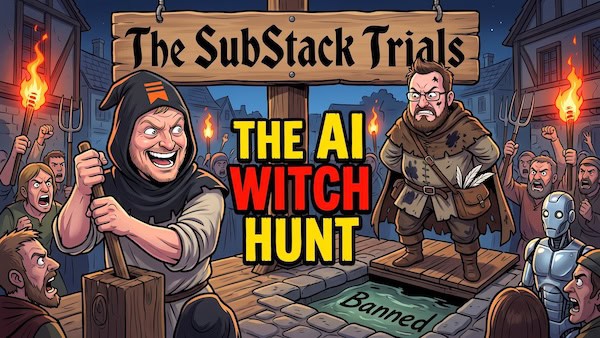
The newsletter platform Substack has introduced a new AI detection tool, developed in partnership with Pangram. The feature provides an estimated percentage of human-written content in posts, notes, and comments. While Substack emphasizes transparency and claims the tool does not penalize AI use, it has faced criticism for potential inaccuracies and the risk of false positives. Authors, particularly non-native English speakers or those with unique writing styles, fear reputational damage and potential subscriber loss if their work is misidentified as AI-generated. This development raises legal questions regarding defamation, as false accusations of AI authorship could lead to significant financial harm for creators.
New Dictation App Caters to Fiction Writers
A new dictation app, Fictate, has launched its beta program, specifically designed to address the needs of fiction authors. Developed by historical fiction author Sarah Elisabeth Sawyer, Fictate aims to overcome the limitations of generic dictation tools that struggle with character names, invented terms, and dialogue. Its standout feature is a custom dictionary that ensures accurate transcription of unique vocabulary, promising cleaner first drafts and reduced post-dictation editing time. The app’s availability across multiple platforms and its focus on user-driven development through the beta program offer a promising new tool for fiction writers seeking to enhance their productivity.
The Supernatural Boom: A Cultural Shift
Science’s Authority Questioned, Superstition Rises
The perceived shortcomings of scientific institutions, particularly highlighted during the COVID-19 pandemic and through figures like Dr. Anthony Fauci, have contributed to a growing skepticism towards established scientific authority. This decline in trust has coincided with a resurgence in interest in the supernatural, paranormal, and alternative belief systems. The once-dominant narrative of scientific materialism is being challenged by a populace seeking meaning and answers beyond purely empirical explanations.
The "Joe Rogan Effect" and Normalizing Curiosity
Podcaster Joe Rogan has become a significant cultural figure in this shift, providing a platform for serious discussions on topics previously dismissed by mainstream science. His openness to exploring the unexplained has normalized curiosity about the supernatural for millions of listeners, particularly younger men. As trust in traditional scientific institutions wanes, Rogan’s approach offers a counterweight, encouraging a more open-minded engagement with phenomena that lie beyond conventional materialistic frameworks.
Implications for the Publishing Market
This cultural shift is directly impacting the publishing market, with a notable increase in the popularity of genres that embrace supernatural elements. Authors who tap into this growing demand by incorporating magic, ghosts, demons, and other paranormal themes into their work are finding increased commercial success. The demand for stories that explore the unseen, the mysterious, and the wondrous reflects a desire for narratives that offer meaning and escape in a world where established certainties are increasingly being questioned. The success of authors like Brandon Sanderson, whose intricate magic systems mimic scientific rigor, and the enduring appeal of genres like romantasy and dark fantasy, underscore this trend.

The publishing industry is at a crossroads, navigating technological disruption, evolving professional ethics, and a profound societal re-evaluation of truth and authority. The coming months will undoubtedly reveal how these forces continue to shape the creation and consumption of literature.