The Next Frontier of Virtual Warfare: XREAL Games Unveils ‘COVR’ at the 2026 VR Games Showcase
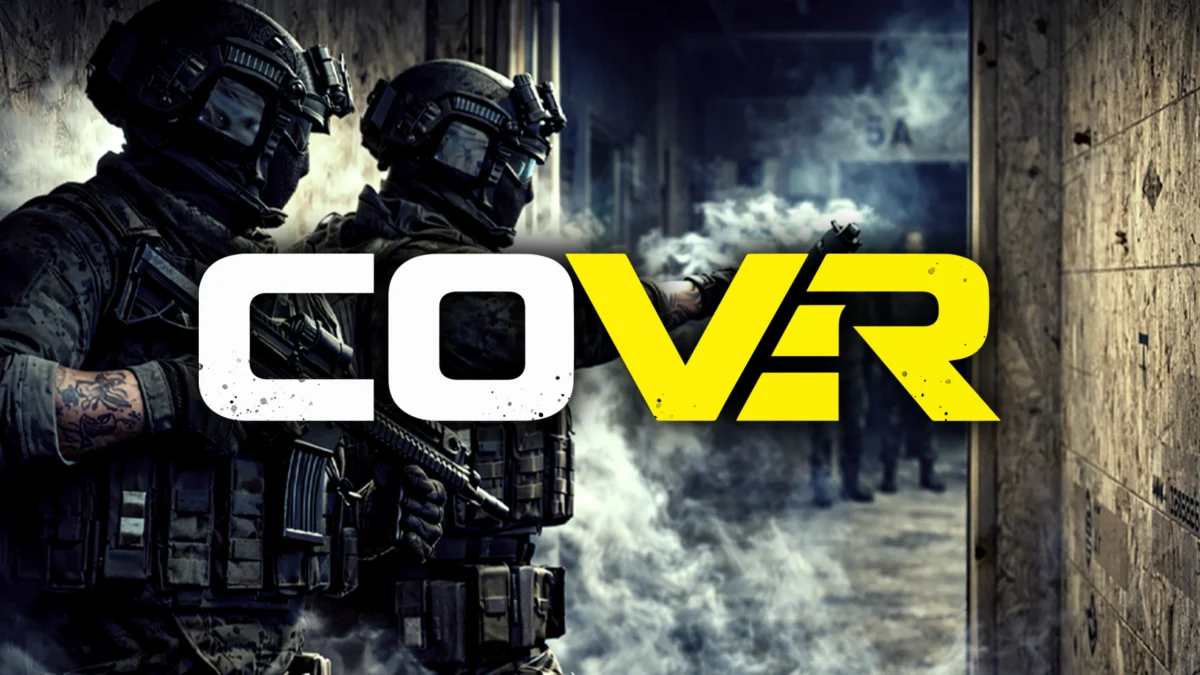
The landscape of virtual reality gaming is poised for a seismic shift as XREAL Games, the veteran studio behind the acclaimed Zero Caliber franchise, officially pulled back the curtain on its most ambitious project to date: COVR. Revealed during the highly anticipated August 2026 VR Games Showcase, COVR is being positioned not merely as another entry into the crowded tactical shooter genre, but as a "next-generation" benchmark for realism, immersion, and technical prowess on both PC VR and standalone Meta Quest platforms.
Scheduled for a 2026 release, COVR represents a multi-year effort by XREAL to bridge the gap between high-fidelity PC experiences and the accessibility of mobile VR hardware. With a focus on "uncompromising realism" and high-stakes tactical gameplay, the title aims to capture a market of enthusiasts who demand more than just arcade-style shooting, seeking instead a simulator-grade experience that rewards patience, planning, and precision.
Main Facts: A New Standard for Tactical Immersion
At its core, COVR is a first-person tactical shooter designed from the ground up for virtual reality. Unlike many contemporary shooters that lean into fast-paced "run-and-gun" mechanics, XREAL Games is doubling down on a "tense, physical, and unforgiving" gameplay loop.
Key Features and Specifications:
- Developer: XREAL Games (Independent Studio).
- Platforms: PC VR (SteamVR) and Meta Quest (Standalone).
- Release Window: Late 2026.
- Game Modes: Solo play and Cooperative multiplayer.
- Core Philosophy: "Next-gen" visuals, high-stakes tactical realism, and platform-specific optimization.
- Gameplay Pillars: Communication, precision ballistics, and physical interaction.
The debut trailer, showcased during the August event, highlighted the game’s atmospheric environments and intricate weapon handling. According to the developers, the title is built on a foundation of "decisive action," where a single mistake can lead to mission failure. This "high-stakes" approach is intended to foster a deep sense of presence, forcing players to treat their virtual lives with the same caution they would in a real-world tactical operation.
Chronology: From Zero Caliber to COVR
To understand the significance of COVR, one must look at the trajectory of XREAL Games over the last decade. The studio first made waves in the VR community with the release of Zero Caliber: VR in 2018. At the time, it was praised for its weapon customization and "climb-anything" movement system, setting a high bar for indie VR shooters.
- 2018–2022: XREAL Games establishes itself as a leader in VR combat, refining the Zero Caliber experience and expanding to standalone hardware with Zero Caliber: Reloaded.
- 2023–2024: Following the success of their initial titles, the studio began internal prototyping for a "next-gen" tactical project. Rumors circulated about a sequel, but the team eventually pivoted toward an entirely new IP—COVR—designed to utilize the advanced processing power of mid-2020s VR hardware.
- Early 2026: Internal testing and closed-door demos suggested XREAL was working on a project that pushed visual boundaries, particularly on standalone headsets.
- August 2026: COVR is officially announced at the VR Games Showcase. The reveal included a 48-second teaser trailer that focused on the game’s lighting engine and "uncompromising" asset quality.
- Late 2026 (Projected): The anticipated launch of COVR on SteamVR and the Meta Quest ecosystem.
Supporting Data: Pushing the Boundaries of Standalone Hardware
One of the most striking aspects of the COVR announcement is the developer’s insistence that the standalone version (Meta Quest) will not be a "watered-down" port of the PC version. In the VR industry, a "parity gap" has often existed where mobile-chipset games sacrifice lighting, texture resolution, and physics to maintain performance. XREAL Games claims to be shattering this trend.
Visual Fidelity and Rendering
The developers have emphasized that the game’s visuals are a "central pillar" of development. By utilizing advanced rendering techniques—likely involving foveated rendering and custom shaders optimized for the latest mobile XR chipsets—XREAL aims to deliver "highly detailed and atmospheric presentations."
Industry analysts suggest that by 2026, the baseline for standalone VR hardware will have reached a point where sophisticated global illumination and high-polygon models are feasible. COVR appears to be one of the first titles to fully exploit this hardware leap. The teaser trailer showcased realistic shadows, volumetric smoke, and high-resolution weapon textures that rivaled mid-range PC VR titles from just a few years prior.
The Physics of Realism
Beyond the visuals, the "supporting data" of COVR’s realism lies in its physics engine. Tactical shooters in VR rely heavily on "physicality"—the way a player’s hands interact with a weapon, the way a door swings open, or the way a grenade bounces. XREAL has integrated a physics-heavy system where:
- Weapon Weight: Heavier firearms have more virtual inertia, discouraging "jittery" movement.
- Manual Interaction: Every action, from checking a magazine to toggling a safety or adjusting a scope, requires deliberate physical movement.
- Environmental Destruction: The "atmospheric presentation" includes destructible cover, forcing players to constantly reassess their tactical position.
Official Responses: The Developer’s Vision
In statements following the showcase, the team at XREAL Games clarified their design goals, addressing both the hardcore tactical community and the growing standalone audience.
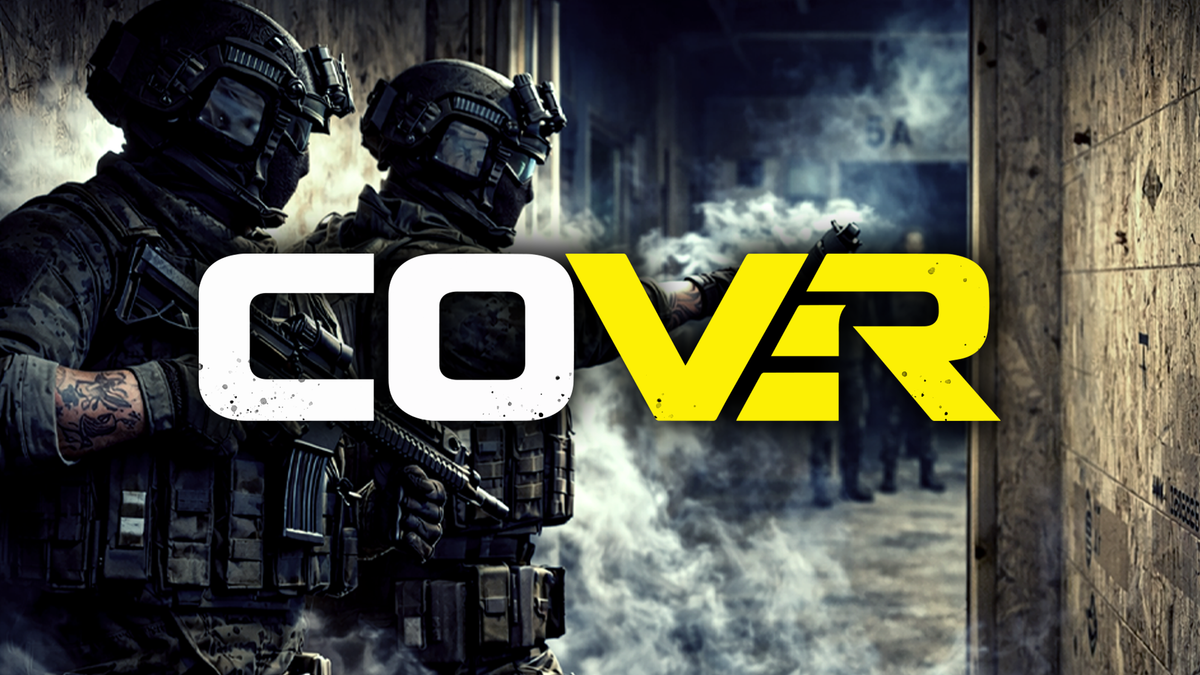
"COVR is the culmination of everything we’ve learned about VR combat over the last eight years," a lead developer stated during a post-showcase interview. "We didn’t want to just make another shooter; we wanted to make a game where the environment feels as dangerous as the enemies. Every corner you turn in COVR should feel like a life-or-death decision."
Addressing the concerns of PC VR enthusiasts who often feel neglected in favor of the mobile market, the studio was firm: "Standalone VR has not been an afterthought. We are focused on pushing each platform as far as possible. If you’re on a high-end PC, you’re going to see the absolute peak of what VR can do. If you’re on a Quest, you’re going to see a level of fidelity you didn’t think was possible on a mobile chip."
This dual-focus strategy is a bold move. It requires two distinct optimization pipelines, but if successful, it could position COVR as the definitive cross-platform tactical shooter of the era.
Implications: A New Era for the VR Tactical Genre
The announcement of COVR carries significant implications for the VR gaming industry and the tactical shooter sub-genre.
1. The Death of the "Mobile Port" Stigma
For years, the VR community has been divided between "PCVR purists" and "Standalone enthusiasts." If COVR delivers on its promise of next-gen visuals on the Quest, it could signal the end of the era where standalone games are viewed as visually inferior. This would encourage other developers to invest more heavily in high-fidelity assets for mobile VR, raising the bar for the entire industry.
2. Competition in the Tactical Space
The tactical shooter market is currently dominated by titles like Onward, Pavlov, and Ghosts of Tabor. However, many of these titles were built on older engines or designed for older hardware. COVR’s arrival in 2026 represents a "generational leap" that could force existing titles to undergo massive overhauls or risk losing their player base to XREAL’s more immersive offering.
3. The Rise of "Physical" Gameplay
By emphasizing "physical and unforgiving" gameplay, COVR is leaning into the "hardcore" segment of the market. This suggests a shift away from the "gamified" mechanics of early VR (floating menus, teleportation, simplified reloads) toward a future where "VR" and "Simulation" are synonymous. This could attract a wider audience of military simulation (MilSim) fans who have previously stayed away from VR due to a lack of depth.
4. Cooperative Dynamics and Social Play
The emphasis on communication and planning suggests that COVR will be a highly social experience. In an era where online toxicity is a common complaint, a game that requires cooperative planning and precise communication to survive may foster a more disciplined and mature community of players.
Conclusion
As we look toward the 2026 release of COVR, the expectations are undeniably high. XREAL Games has set a daunting challenge for itself: to deliver a game that is visually stunning, mechanically deep, and perfectly optimized for vastly different hardware tiers.
If the August showcase was any indication, COVR is more than just a game—it is a statement of intent. It signifies that the "experimental" phase of VR shooters is over, and the era of true, high-stakes tactical simulation has begun. For players who have been waiting for a reason to put their headsets back on, COVR might just be the "killer app" that defines the next generation of virtual warfare.