The Animated Advantage: Why Superheroes are Finding New Life on the Small Screen While Blockbusters Falter
The year 2026 has proven to be a watershed moment for the superhero genre, though perhaps not in the way Hollywood executives originally envisioned. As the dust settles on the summer movie season, a stark contrast has emerged between the struggling giants of the silver screen and the vibrant, creatively liberated world of televised animation. While James Gunn’s burgeoning DC Universe (DCU) faced its first significant hurdle with the lackluster performance of the live-action Supergirl, three distinct animated series—My Adventures With Superman, Batman: Caped Crusader, and X-Men ’97—have demonstrated that the true heart of comic book storytelling may have moved permanently to the small screen.
Main Facts: A Tale of Two Mediums
The most significant cinematic event of the summer was the release of Supergirl, the second feature film in James Gunn’s rebooted DCU. Despite being an adaptation of Tom King and Bilquis Evely’s critically acclaimed comic series Woman of Tomorrow, the film has been labeled one of the biggest box office disappointments of 2026. Critics and audiences alike have pointed to a disconnect between the source material’s "stunningly bright" visual language and the film’s "murky, brown-tinted" aesthetic.
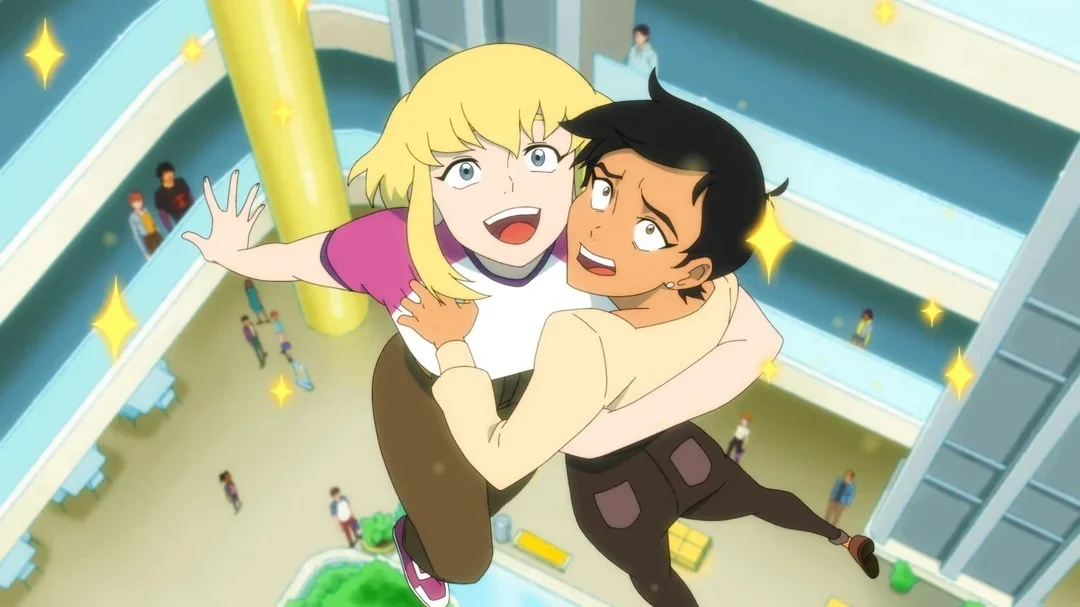
In contrast, the animated landscape has flourished. Adult Swim’s My Adventures With Superman is currently concluding its third season, having successfully integrated Kara Zor-El (voiced by Kiana Madeira) into its optimistic, anime-inspired universe. Simultaneously, Amazon Prime Video released the second season of Batman: Caped Crusader, a noir-heavy reimagining of the Dark Knight’s early years, while Disney+ wrapped the second season of the nostalgic yet mature X-Men ’97.
The data suggests a growing trend: while live-action "event" films struggle with "superhero fatigue" and generic visual palettes, serialized animation is capturing the nuance, character depth, and stylistic variety that originally made comic books a dominant cultural force.
Chronology of the 2026 Superhero Summer
The trajectory of the genre over the last several months illustrates a shift in consumer preference toward serialized, stylistically distinct storytelling.

- May 2026: X-Men ’97 Season 2 concludes on Disney+. Despite behind-the-scenes turmoil involving the departure of head writer Beau DeMayo, the season maintained high viewership, particularly for its ability to balance a massive ensemble cast—a feat the previous live-action film iterations often failed to achieve.
- June 2026: Supergirl premieres in theaters globally. Despite a strong lead performance by Milly Alcock, the film fails to gain traction. Opening weekend numbers fall 30% below industry projections, and word-of-mouth centers on the film’s "microscopically small" sci-fi universe and generic secondary characters.
- July 2026: Batman: Caped Crusader Season 2 debuts on Amazon Prime. The series, developed by Bruce Timm, doubles down on its 1940s period setting. By late July, it is the most-streamed program on the platform, praised for its "detective-first" approach to the Batman mythos.
- August 2026: My Adventures With Superman approaches its Season 3 finale. The introduction of Supergirl as a former intergalactic conqueror seeking atonement provides a sharp contrast to the live-action version of the character, leading to a surge in social media engagement and critical reappraisal of the character’s potential.
Supporting Data: The Success of Serialized Storytelling
The disparity between the live-action Supergirl and its animated counterparts can be analyzed through three primary lenses: visual identity, character development, and narrative scale.
Visual Identity and Art Direction
One of the primary criticisms of the 2026 Supergirl film was its visual "sameness." Critics noted that the movie suffered from the "quippy characters and excess spectacle" that have become hallmarks of the genre since the mid-2010s. Conversely, the three major animated shows of 2026 each possess a radical, distinct art direction:
- My Adventures With Superman: Utilizes a zippy, lighthearted aesthetic heavily inspired by early 2000s anime (such as Dragon Ball Z and Sailor Moon).
- Batman: Caped Crusader: Employs a dark-hued, film noir palette that evokes the 1940s pulp origins of the character.
- X-Men ’97: Maintains a "garish" 1990s fidelity, making it feel like a literal comic book come to life.
Character Depth and Atonement Arcs
The animated My Adventures With Superman has used its 30-episode run to meticulously build the character of Kara. By reimagining her as a brainwashed conqueror, the show creates a "meaty arc" regarding her grief and anger. The live-action film, constrained by a two-hour runtime, was accused of "only scratching the surface" of these themes, leaving Kara’s emotional journey feeling rushed and unearned.
The Ensemble Advantage
X-Men ’97 has provided a blueprint for handling large casts. While live-action X-Men movies were often criticized for becoming "Wolverine and Friends," the animated series has revitalized the reputations of characters like Cyclops. By utilizing an episodic format, the show grants each mutant the screen time necessary to establish their internal motivations, a luxury not afforded to the "third-rate archetypes" seen in the Supergirl film.
Official Responses and Production Hurdles
The transition of these characters to the small screen has not been without controversy. The production of X-Men ’97 Season 2 was reportedly marred by the firing of head writer Beau DeMayo. Following allegations of sexual harassment, DeMayo was removed from the project, leading to what some critics described as an "unfocused" second half of the season. Despite this, Disney+ officials have remained committed to the animated format, noting that the "PR value" of the series for the X-Men brand is immeasurable as they prepare for a live-action reboot.

On the DC side, James Gunn has remained defensive of the DCU’s direction. While acknowledging the box office struggles of Supergirl, Gunn has emphasized that the "Woman of Tomorrow" adaptation was intended to be a tonal experiment. However, internal reports from Warner Bros. Discovery suggest a pivot may be coming, with more emphasis being placed on "Elseworlds" animated projects that don’t require the massive overhead of a $200 million live-action blockbuster.
Implications: The Future of the Genre
The events of 2026 suggest three major implications for the future of superhero media:
1. The Death of the "Generic" Blockbuster
The failure of Supergirl—a film based on a high-quality comic—proves that a recognizable brand and a good lead actor are no longer enough to guarantee success. Audiences are increasingly rejecting the "murky" visual style of modern CG-heavy films in favor of the vibrant, intentional art direction found in animation.
2. Animation as the "Prestige" Medium
For decades, animation was viewed as a "kids’ medium" or a secondary market. In 2026, the opposite is true. Shows like Batman: Caped Crusader and X-Men ’97 are pitched to "teenage-up" audiences and adults, offering sophisticated detective stories and complex political allegories that live-action films often simplify for a global four-quadrant audience.
3. The Shift to Serialized Consumption
Comic books were always designed as serialized installments. The 2026 television season has proven that these characters thrive when they have room to breathe. The "day-to-day struggles" of Clark Kent and Lois Lane in My Adventures With Superman create a level of audience investment that a standalone film struggles to replicate.

As Marvel allegedly prepares to debut its new team of MCU X-Men at the upcoming D23 convention, the industry is at a crossroads. The success of the "Summer of Animation" has provided a clear alternative to the struggling blockbuster model. If the live-action adaptations continue to feel "microscopically small" in their creative ambition, fans may find that the true "Woman of Tomorrow"—and the true future of the genre—is already playing on their television screens.
“My Adventures With Superman” is currently streaming on HBO Max. “Batman: Caped Crusader” is currently streaming on Amazon Prime. “X-Men ’97” is currently streaming on Disney+.