The Erosion of Chivalry: Why House of the Dragon’s New Knights Signal a Dark Turn for Westeros
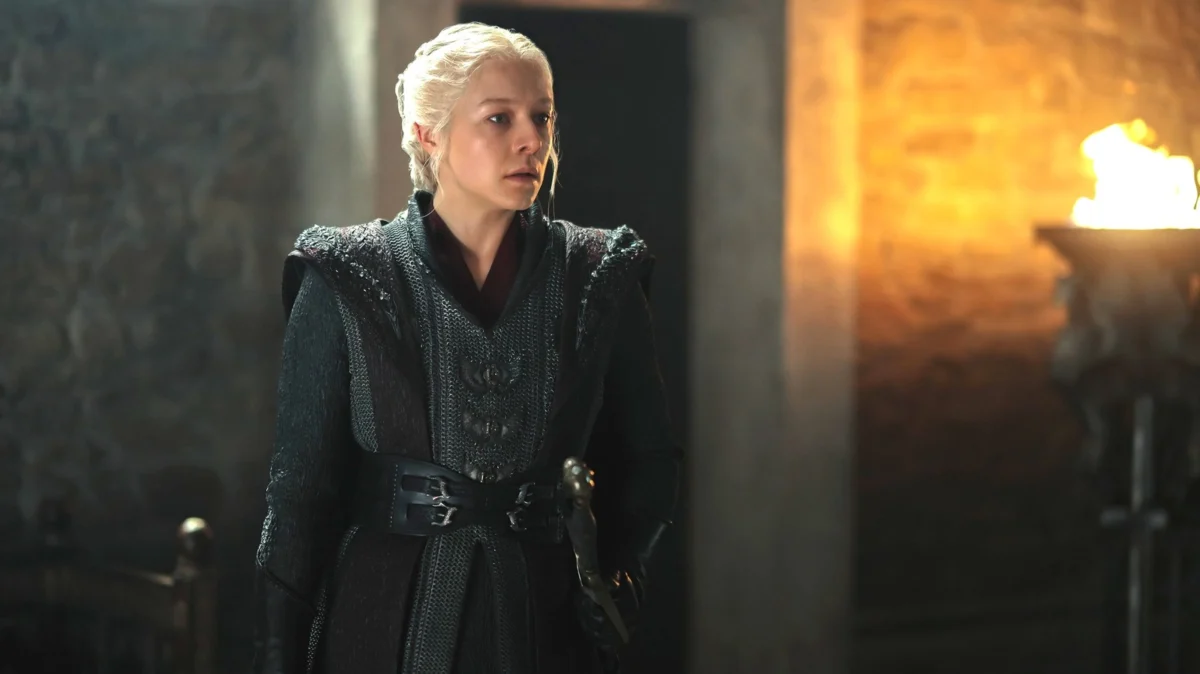
The third season of HBO’s House of the Dragon has arrived with a tonal shift that is as jarring as it is deliberate. Following a premiere that many critics noted felt like the displaced climax of Season 2, the series has settled into the grim reality of Queen Rhaenyra Targaryen’s occupation of King’s Landing. While the shifting of power is a staple of the George R.R. Martin mythos, Episode 3 introduces a specific moment of cultural decay that has left fans of the franchise reeling—not because of a bloody execution, but because of a simple ceremony.
The knighting of the "Dragonseeds"—the low-born Targaryen bastards recruited to tip the scales of dragon warfare—serves as a stark juxtaposition to the upcoming spin-off A Knight of the Seven Kingdoms. By examining the hollowed-out ritual performed by Daemon Targaryen, the series highlights the accelerating rot within the Seven Kingdoms, suggesting that the "Golden Age" of the Targaryens was already tarnished long before the Mad King ever took the throne.
Main Facts: The Desecration of the Knightly Oath
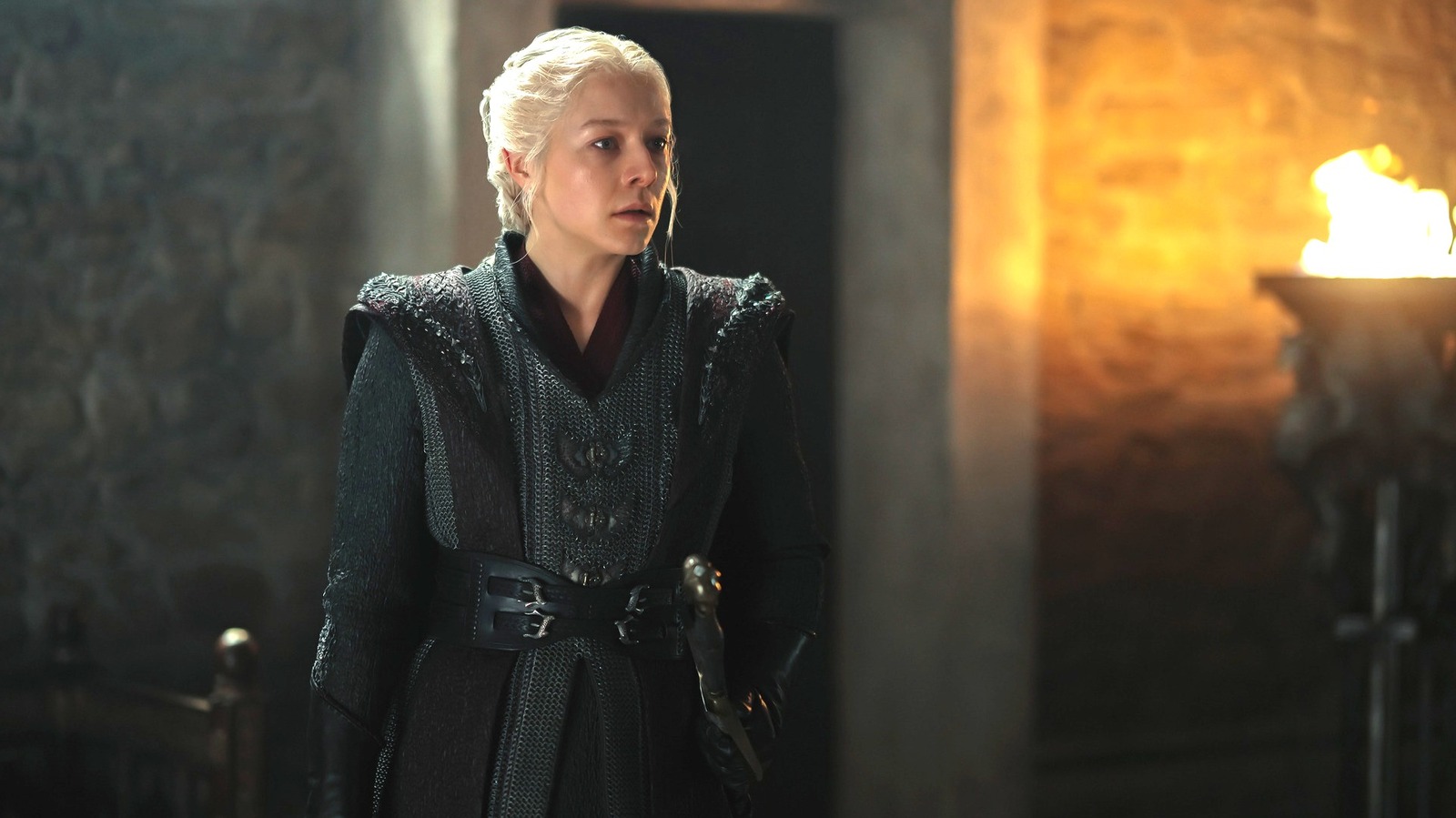
In the latest installment of House of the Dragon, Queen Rhaenyra (Emma D’Arcy) finds herself presiding over a city that is as much a cage as it is a prize. Her most volatile assets are the Dragonseeds: Ulf the White (Tom Bennett), Hugh Hammer (Kieran Bew), and Addam of Hull (Clinton Liberty). These men, once commoners, now wield the nuclear equivalent of military power—dragons. To formalize their status, Rhaenyra commands Prince Daemon (Matt Smith) to dub them knights of the realm.
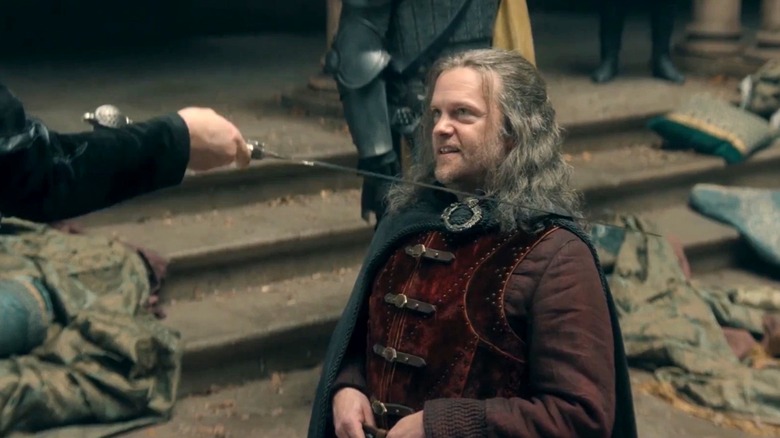
The ceremony is a masterclass in cinematic discomfort. Unlike the reverent knighting of Brienne of Tarth in Game of Thrones or the upcoming legendary tales of Ser Duncan the Tall, this event feels like a transactional necessity. Daemon, a man who has always held the common folk in contempt, recites the sacred vows with a sneer. The men receiving the honor are equally disconnected:
- Ulf the White displays an arrogance that borders on treason, demanding the Targaryen name rather than the knighthood he views as a mere formality.
- Hugh Hammer remains stoic but clearly indifferent to the chivalric code, focused instead on the tangible power of his dragon, Vermithor.
- Addam of Hull is the only candidate who exhibits a sense of duty, yet he is denied the one thing he truly craves—legitimacy from his father, Corlys Velaryon.
This scene serves as a narrative pivot, signaling that the institutions of Westeros are being sacrificed at the altar of political expediency.
Chronology: From the Gullet to the Red Keep
To understand the weight of this moment, one must look at the sequence of events leading into Season 3.
- The Missing Finale: Season 3 began by resolving the cliffhanger of the previous year. The Battle of the Gullet, a massive naval and aerial engagement, served as the catalyst for Rhaenyra’s final push into the capital.
- The Occupation of King’s Landing: Following the battle, the Greens (the faction supporting Aegon II) were forced to retreat, leaving the Red Keep in Rhaenyra’s hands.
- The Stabilization Crisis: Episode 2 of the current season focused on the immediate fallout—starvation, riots, and the realization that holding a city is harder than taking it.
- The Dragonseed Integration: By Episode 3, the "new normal" is established. Rhaenyra must reward the men who won her the throne, but doing so creates a new class of "nobility" that the established lords find repulsive. This leads directly to the knighting ceremony, an attempt to wrap low-born power in a cloak of traditional respectability.
Supporting Data: A Tale of Two Knightings
The frustration many viewers feel regarding the Dragonseeds’ knighthood stems from the contrast with A Knight of the Seven Kingdoms, the forthcoming adaptation of the Dunk and Egg novellas. In that era—set roughly 70 to 80 years after the events of House of the Dragon—the concept of knighthood is explored through the lens of Raymun Fossoway and Duncan the Tall.
| Feature | House of the Dragon (Dragonseeds) | A Knight of the Seven Kingdoms (Raymun Fossoway) |
|---|---|---|
| Performer of Ceremony | Daemon Targaryen (Cynical/Arrogant) | Ser Lyonel Baratheon (Honorable/Earnest) |
| Recipient’s Motivation | Wealth, Status, and Power | Honor, Justice, and Protecting the Weak |
| Atmosphere | Dark, tense, and transactional | Hopeful, emotional, and sacred |
| Thematic Goal | To show the corruption of power | To show the resilience of the human spirit |
The Dragonseeds represent the "debasement" of the title. In Game of Thrones, we saw Bronn of the Blackwater eventually become the Lord of Highgarden and Master of Coin—a trajectory that many fans found absurdly cynical. House of the Dragon suggests that this cynicism didn’t start with Cersei or Robert Baratheon; it was baked into the system by the Targaryens themselves when they began handing out titles to "lowlifes" simply because they had the "blood of the dragon."
Official Context: The Showrunners’ Vision of Decline
While HBO has not issued a formal "defense" of the scene, showrunner Ryan Condal and the writing staff have frequently discussed the "Fall of Rome" parallels in the series. In behind-the-scenes features, the production team has emphasized that the Dance of the Dragons is the moment where the "magic" of the Targaryen dynasty begins to evaporate.
The inclusion of the Dragonseeds is meant to be a "sacrilegious" act in the eyes of the Westerosi elite. By allowing bastards and commoners to ride dragons and hold the title of "Ser," Rhaenyra is dismantling the very myth of Targaryen exceptionalism. Official commentary from the writers suggests that Ulf’s arrogance is a deliberate character choice designed to make the audience uncomfortable. He is the personification of "unearned power," a recurring theme in Martin’s work.
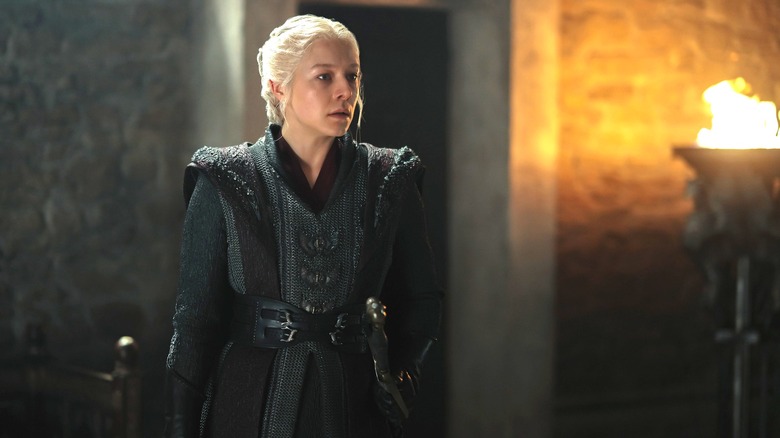
Furthermore, the casting of Tom Bennett as Ulf brings a comedic yet oily quality to the character, reinforcing the idea that the "defenders of the realm" are now little more than "drunkards and brawlers" who happened to find a dragon in a cave.
Implications: The Long Shadow Over Westeros
The implications of this "disgraceful" knighting ceremony extend far beyond the immediate politics of the Dance of the Dragons. It sets a precedent for the eventual collapse of the feudal order that we see in the original Game of Thrones series.
1. The Dilution of Chivalry
When Daemon recites the oath—"In the name of the Warrior I charge you to be brave; in the name of the Father I charge you to be just"—it rings hollow. This dilution of the oath explains why, by the time of Ned Stark, "true knights" are so rare. The institution was broken by the very people meant to uphold it.
2. The Rise of the "Common" Dragon Rider
The Dragonseeds prove that dragon riding is not a divine right of the "pure" Targaryen line. This realization is dangerous. If any bastard with a drop of Valyrian blood can claim a dragon, then the Targaryens are not gods; they are simply people with better weapons. This existential threat is what eventually leads the dynasty to turn on itself, fearing that their power is too easily replicated.
3. The Moral Redemption of Brienne and Dunk
Paradoxically, watching the Dragonseeds "drag knighthood through the mud" makes the stories of Ser Duncan the Tall and Brienne of Tarth more poignant. These characters are "true knights" who were never officially recognized for much of their lives (or in Dunk’s case, perhaps never truly knighted at all). Their adherence to the ideals of knighthood, in the face of a system that rewards people like Ulf, becomes an act of rebellion.
4. The Inevitable Tragedy
The arrogance of Ulf and the indifference of Hugh Hammer foreshadow the "Betrayals at Tumbleton," a pivotal event in the source material (Fire & Blood). By giving these men titles and power without instilling in them any sense of the "knight’s duty," Rhaenyra is effectively building her house on sand.
Conclusion
House of the Dragon Season 3 is not interested in providing the audience with heroes to cheer for. Instead, it is a clinical study of how an empire rots from the inside out. The knighting of the Dragonseeds is a pivotal moment in that decay. While it may make viewers "angry" to see the sacred traditions of Westeros treated with such apathy, that anger is the point.
As we look forward to the more idealistic (though still tragic) journey of Ser Duncan the Tall in A Knight of the Seven Kingdoms, we are reminded that honor is not something granted by a king’s sword or a dragon’s flame. It is something earned through sacrifice—a concept that the knights of Rhaenyra’s court have yet to learn, and likely never will. The "New Normal" in King’s Landing is not just a change in leadership; it is the death of an ideal.