The Art of the Hook and the Soul of the Story: Mastering the Pitch for Literary Success
In the hyper-competitive landscape of publishing, authors face a daunting challenge: how to encapsulate the essence of their narrative in a way that immediately captivates potential readers and industry gatekeepers alike. The ability to distill a sprawling novel into a compelling, concise pitch—often within the span of a minute—is not merely a marketing tactic; it is a fundamental skill that can determine a book’s trajectory from manuscript to bestseller. This crucial art hinges on a nuanced understanding of two distinct, yet interconnected, elements: the story’s "hook" and its "heart."
Unpacking the Distinction: Hook vs. Heart
At its core, a story’s hook is the magnetic force that draws a reader in. It’s the tantalizing premise, the unique twist, or the intriguing question that sparks curiosity and compels someone to pick up the book. It’s the initial spark that ignites interest. In contrast, the heart of the story is its deeper, intrinsic meaning—the core themes, the emotional resonance, and the underlying message that makes the narrative matter long after the initial curiosity has been satisfied. It’s the soul of the story, the reason it resonates and endures.
While often conflated, these two elements serve different purposes. The hook is designed for immediate impact, to overcome reader inertia and stand out amidst a sea of choices. The heart, however, is what provides lasting satisfaction and significance. Recognizing this distinction is not just an exercise in crafting effective pitches; it is a foundational principle that should inform every stage of the writing process, from initial concept to final revision.
Identifying Your Story’s Heart: The Deeper Essence
The heart of a story is its fundamental truth, its raison d’être. It’s what the narrative is truly about, beneath the surface plot and genre conventions. To identify this core, authors must engage in introspection and honest self-assessment.

Question #1: Why Are You Writing This Story?
The initial impulse behind writing a story often provides a crucial clue to its heart. Is it a deep-seated passion for exploring a particular genre, like romance or speculative fiction? Is it a desire to evoke a specific emotional response, such as suspense or wonder? Or perhaps it’s a burning need to address a social issue or to offer a unique perspective on the human condition.
For instance, an author might say, "I love writing stories about found families." While this is a good starting point, digging deeper is essential. Why found families? What about them resonates so profoundly? Is it the exploration of belonging, the forging of bonds independent of blood, or the triumph over isolation? Similarly, a desire to "make a difference in young people’s lives" needs further refinement. What specific difference? Through what lens?
Question #2: What Is the Story Really About?
This question probes the thematic core. When pressed for a brief summary, what is the central conflict or transformative journey that defines the narrative? This isn’t about listing plot points; it’s about identifying the overarching idea or message.
Consider the YA novel Rikers High by Paul Volponi. A succinct description might be: "A story about a young person who ends up in the prison on Rikers Island, where they are inspired to turn their life around, thanks to the educational programs offered there." This summary, while brief, captures the essential trajectory and the underlying theme of redemption and the power of opportunity, even in the most challenging environments. This is the heart of the story.

Illustrative Examples of Story Hearts:
- Reflex by Steven Gould: The heart lies in the exploration of an individual with extraordinary abilities navigating a world that seeks to exploit him, forcing him to confront his own humanity and the ethics of power.
- Light of Eidon by Karen Hancock: The core essence revolves around a protagonist’s journey of faith and self-discovery, transforming from a weakling into a warrior while grappling with profound spiritual questions.
- Wide Sargasso Sea by Jean Rhys: This novel delves into the psychological torment and marginalization of a woman trapped in a loveless marriage and societal constraints, revealing the often-unseen consequences of patriarchal structures.
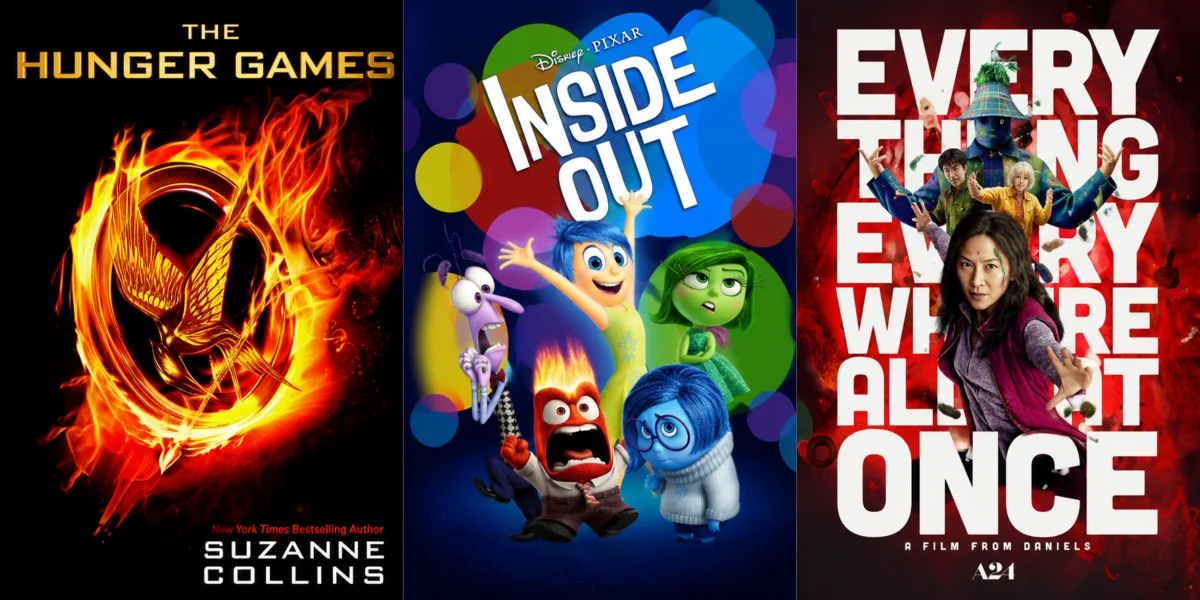
- The Hunger Games by Suzanne Collins: Beyond the survival aspect, the heart of this story beats with a critique of oppressive regimes, the dehumanizing effects of spectacle, and the struggle to maintain one’s humanity in the face of systemic brutality.
- Inside Out (Film): The film’s emotional core lies in the universal experience of navigating adolescence and the crucial, often overlooked, importance of sadness as a necessary emotion for growth and understanding.
- Everything Everywhere All at Once (Film): While the multiverse provides a spectacular hook, the heart of this film lies in the deeply relatable struggles of fractured family relationships, intergenerational misunderstandings, and the search for meaning amidst chaos.
These examples demonstrate how the "heart" focuses on the fundamental thematic concerns and emotional journeys, stripping away extraneous plot details and subplots to reveal the story’s core message.
Discovering Your Story’s Hook: The Element of Intrigue
The story’s hook is the element that makes readers lean in, ask questions, and feel an irresistible urge to know more. It’s the unique selling proposition that differentiates your narrative from countless others.
Question #1: Why Should Audiences Care About This Story?
In a crowded marketplace, a story cannot rely on its genre alone to attract attention. The hook answers the implicit question: "Why this story, now?" It highlights what makes the narrative fresh, unexpected, or compellingly different from similar tales.

For example, while "star-crossed lovers" might describe the heart of Romeo and Juliet, the hook is the specific, dramatic escalation: "two star-crossed teenagers fall in love and, when their families object, end up committing double suicide." This heightened tragedy and the specific circumstances elevate the familiar trope into something that grabs attention.
Question #2: What Is the Single Most Interesting and Unique Element in This Story?
Authors often fall in love with the heart of their story, the emotional resonance and thematic depth. However, the hook often lies in a more surprising or unconventional aspect. It requires looking beyond the familiar and identifying the element that sparks genuine curiosity.
Consider what compelled you to write this particular story. Was it a bizarre "what if" scenario, an unusual character dynamic, a novel premise, or a surprising juxtaposition of elements? These are often the seeds of a powerful hook.
Illustrative Examples of Story Hooks:

- Reflex: The hook is the unique ability of the protagonist to "jump" through space, coupled with the fact that this isn’t a typical superhero narrative but rather a story of survival and evasion.
- Light of Eidon: The hook lies in the intriguing combination of a weakling prince sold into slavery and forced to become a gladiator, a mashup of familiar tropes that creates immediate curiosity.
- Wide Sargasso Sea: The inherent hook is its direct connection to a literary classic, Jane Eyre, by offering a prequel told from the perspective of the enigmatic "mad wife in the attic," providing a compelling reinterpretation of a known story.
- The Hunger Games: The hook is the chilling premise of children forced to fight to the death in a televised spectacle, a uniquely dystopian and provocative concept that immediately raises questions about survival, morality, and societal control.
- Inside Out: The high-concept hook is the literalization of emotions as characters within a young girl’s mind, creating a visually engaging and conceptually novel framework for exploring complex psychological themes.
- Everything Everywhere All at Once: The hook is the mind-bending concept of an ordinary laundromat owner who discovers she can access the skills and memories of infinite alternate selves across the multiverse, a wildly imaginative premise that promises an extraordinary adventure.
These hooks are often characterized by their specificity and their ability to evoke a sense of wonder, danger, or a unique perspective that sets the story apart.
The Synergy: Combining Hook and Heart in a Novel Pitch
The ultimate goal of understanding the distinction between hook and heart is to effectively weave them together into a compelling pitch. This is where the practical application of these concepts comes into play, whether for a query letter, back-cover copy, or a verbal pitch to an agent.
The Hook Takes Center Stage
In any pitch, the hook must always come first. It’s the initial handshake, the first impression that determines whether a reader or agent will invest further. Without a captivating hook, the deepest, most profound heart of a story may never be discovered. Present the most intriguing and unique aspect of your narrative upfront to immediately capture attention.
Anchoring with the Heart
While the hook reels the audience in, the heart provides the substance and meaning that will keep them engaged. Even if space is limited, the heart should inform the pitch, providing context and demonstrating the story’s deeper purpose. When possible, the heart should be presented in a way that also has a hook-like quality.

For example, the heart of Everything Everywhere All at Once is the fractured family dynamic. While the multiverse is the hook, framing the heart as "a fractured family struggling to connect finds an unlikely bridge through the chaos of the multiverse" adds a layer of emotional depth and intrigue.
Strategic Integration
The ideal pitch seamlessly integrates the hook and the heart. The hook draws the reader in with its unique premise, and the heart offers a glimpse into the story’s thematic resonance and emotional weight. This synergy creates a complete picture of the narrative, promising both intellectual stimulation and emotional satisfaction.
Examples of Combined Hook and Heart Pitches:
- Romeo and Juliet: "In the heart of Verona, where ancient feuds simmer, two teenagers from warring families fall passionately in love. Their forbidden romance ignites a tragic spiral of violence and despair, culminating in a double suicide that ultimately ends their families’ bitter rivalry." (Hook: Forbidden love leading to double suicide; Heart: The destructive nature of hatred and the power of sacrifice.)
- The Hunger Games: "In the dystopian nation of Panem, where the Capitol maintains control through brutal oppression, a teenage girl is thrust into a televised gladiatorial game where children are forced to fight to the death. Her defiance in the face of this barbaric spectacle ignites a spark of rebellion that threatens to overthrow a corrupt regime, forcing her to confront the true cost of survival and humanity." (Hook: Children forced to fight to the death in a televised game; Heart: The struggle for survival, the critique of totalitarianism, and the preservation of humanity.)
Implications for the Writing Process
Understanding the distinction between hook and heart is not merely a pre-writing exercise; it’s a continuous thread that should run through the entire writing process.

- Early Identification: Pinpointing the hook and heart before drafting can provide a strong foundation, ensuring that the story has both immediate appeal and lasting thematic depth.
- Focused Revision: During revision, authors can assess whether the hook is sharp enough and whether the heart is effectively conveyed. This might involve strengthening plot points that support the hook or deepening thematic explorations that illuminate the heart.
- Targeted Marketing: Ultimately, a clear understanding of these elements is crucial for all marketing efforts, from back-cover copy to social media promotion, ensuring that the story’s most compelling aspects are effectively communicated to potential readers.
In the competitive world of publishing, the ability to articulate both the immediate allure and the enduring significance of a story is paramount. By mastering the art of the hook and understanding the soul of the heart, authors can craft pitches that not only capture attention but also resonate deeply, leading to a more engaged readership and a more impactful literary career. The journey from manuscript to reader is paved with compelling narratives, and the skillful interplay of hook and heart is the compass that guides that journey to success.