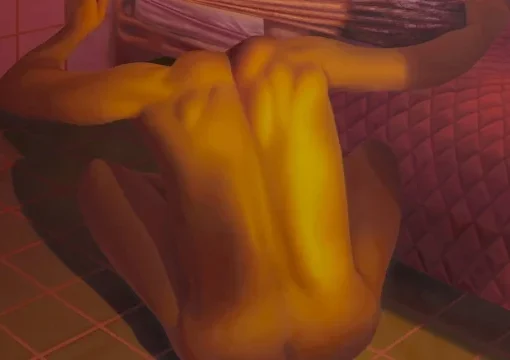
Kohei Yamada Unveils "My Screen Tests" at GR Gallery: A Poignant Exploration of Art, Identity, and the New York Mythos

New York, NY – May 15, 2026 – GR Gallery is set to ignite the New York art scene with the highly anticipated solo exhibition of Japanese artist Kohei Yamada, titled My Screen Tests. Opening its doors on May 15th and running through June 14th, 2026, this exhibition marks Yamada’s inaugural solo presentation in the city that has long served as a crucible for artistic innovation and a vibrant tapestry of cultural exchange. My Screen Tests is not merely a collection of artworks; it is a deeply personal and critically engaged dialogue with the enduring value of the artist-artwork relationship, delving into themes of irony, introspection, and the potent language of visual metaphor. Drawing inspiration from the pulsating currents of contemporary artistic practice and a nuanced, almost reverential, admiration for the legacy of American Pop Art, Yamada’s exhibition promises to be a significant moment for both the artist and the gallery.
The Genesis of "My Screen Tests": A Deep Dive into Artistic Intent
At the heart of My Screen Tests lies Kohei Yamada’s meticulous exploration of New York City’s multifaceted identity as the undisputed global capital of art. Through a compelling new series of paintings rendered on canvas, each accompanied by its preparatory esquisse on paper, Yamada imbues his work with a distinct vitality, a palpable energy that mirrors the city’s own relentless dynamism. This exhibition serves as a profound testament to his admiration for Andy Warhol, weaving in motifs that subtly nod to the iconic Silver Factory era and its influential coterie of artists, musicians, and muses. This deliberate evocation of a pivotal moment in art history creates a compelling tension, a sophisticated interplay between the weight of historical prestige and the uninhibited exuberance of Pop expressions. This dialogue is not merely aesthetic; it initiates a critical conversation about our very perceptions of art, making My Screen Tests an essential examination of the creative directions shaping our contemporary world.
Yamada’s motivations for My Screen Tests are as layered as the canvases he presents. He grapples with the ambiguous nature of art’s true value, questioning its worth beyond the singular vision of its creator. Simultaneously, the exhibition speaks to Yamada’s own profound and lifelong commitment to the artistic pursuit, a dedication that feels both essential and, at times, like an inescapable bond. The works also offer a sharp critique of a globalized society increasingly normalizing deceit and insatiable capitalistic greed, juxtaposed with a persistent, almost poignant, longing for a freedom that often feels tantalizingly out of reach.
New York City, therefore, is not simply a backdrop for Yamada’s artistic endeavors; it is the very core of his practice. The city functions as both subject matter and catalyst, providing the fertile ground upon which he explores the intricate interplay between personal perception, the nostalgic echoes of the past, and the ever-evolving present. Furthermore, New York acts as a crucial cultural bridge, connecting the artist’s Japanese heritage with the powerful influences of American art. My Screen Tests traces Yamada’s personal journey, from his formative years to his deep engagement with the enduring legacy of Andy Warhol, as well as the broader pantheon of influential Japanese and American artists who have shaped the landscape of modern and contemporary art. Through a masterful synthesis of bold brushwork, evocative abstraction, and compelling figuration, Yamada constructs a narrative that is not only rich in art historical resonance but also confronts the fundamental question of an artist’s true existential value in the modern era.
A significant portion of the works conceived exclusively for My Screen Tests are infused with direct references to Warhol’s distinctive practice and artistic philosophies. These are presented against the backdrop of New York City, reimagined as a dynamic hub of experimentation where the realms of art and commerce not only converge but often engage in a provocative dance of challenge and innovation. Repetition and an astute sense of humor are also central to Yamada’s creative process, imbuing his work with a wittiness and a disciplined rigor that simultaneously connects it, on a profound level, to the very roots of the Pop Art tradition. In essence, Yamada draws upon the city as both his ultimate muse and the grand stage upon which his artistic drama unfolds. He invokes a spectrum of artistic influences, positioning them as principal characters in his visual narrative, only to ultimately reveal each as a profound projection of his own evolving identity and artistic vision.
A Chronological Journey Through Influence and Inspiration
The genesis of My Screen Tests can be traced back to Kohei Yamada’s formative encounters with the cultural landscape of New York City, a city that has consistently served as a beacon for aspiring artists from across the globe. His fascination with American Pop Art, particularly the groundbreaking work of Andy Warhol, began early in his artistic development. This period, characterized by a burgeoning interest in mass production, celebrity culture, and the blurring lines between high and low art, resonated deeply with Yamada’s own burgeoning artistic sensibilities.
Early Influences (Late 20th Century – Early 2000s): While specific dates are not publicly available for Yamada’s early inspirations, it is widely understood that his immersion in the art world would have exposed him to the enduring impact of artists like Warhol, Roy Lichtenstein, and Jasper Johns. These figures, with their bold aesthetics and conceptual depth, provided a foundational vocabulary for Yamada’s artistic exploration. His early works, though perhaps not directly referencing New York, would have been shaped by these powerful artistic dialogues.
The New York Pilgrimage (Mid-2000s onwards): Yamada’s decision to draw inspiration from New York City suggests a deliberate journey, both literal and metaphorical, to its artistic heart. This period would have involved extensive research, gallery visits, and an immersion in the city’s unique creative atmosphere. The development of My Screen Tests is likely a culmination of years of observation and artistic contemplation, fueled by direct engagement with the city’s iconic art institutions and its vibrant street culture.
The Warholian Echo (Ongoing): The direct references to Warhol and the Silver Factory era are not mere stylistic appropriations but rather a conscious engagement with a specific historical moment and its profound implications for artistic production. This suggests a sustained period of study and interpretation of Warhol’s oeuvre, his studio practices, and the cultural milieu that surrounded him. Yamada’s approach is not to replicate but to reinterpret, infusing these historical echoes with his own contemporary perspective.
Development of the Exhibition (Recent Years): The creation of the new suite of paintings and their accompanying esquisses is the most recent phase in the development of My Screen Tests. This period would have involved intense studio work, experimentation with materials, and the refinement of his conceptual framework. The decision to pair each canvas with its paper counterpart underscores a commitment to revealing the process, the iterative nature of artistic creation, and the essential dialogue between initial ideas and their final realization.
The Present Moment (May 2026): The culmination of this artistic journey is the unveiling of My Screen Tests at GR Gallery. This exhibition represents a significant milestone, not only as a solo debut in New York City but also as a comprehensive presentation of Yamada’s mature artistic vision, a vision deeply rooted in the rich soil of art history and cultivated by his profound engagement with the enduring mythos of New York.
Supporting Data and Artistic Context: The Power of Pop and the Urban Canvas
My Screen Tests positions itself within a rich lineage of artistic practice that interrogates the very nature of art and its place in society. The exhibition’s engagement with American Pop Art, particularly the legacy of Andy Warhol, is a crucial anchor for understanding its thematic depth and aesthetic sensibilities.
The Pop Art Paradigm: Pop Art, which emerged in the mid-1950s, challenged the prevailing abstract expressionist movement by drawing inspiration from popular culture, advertising, and mass-produced goods. Artists like Andy Warhol, Roy Lichtenstein, and Claes Oldenburg embraced imagery that was accessible and recognizable, often using techniques of mass reproduction, such as silkscreen printing, to deconstruct the notion of the unique, hand-crafted artwork. This movement was characterized by its bold colors, graphic simplicity, and often ironic or critical commentary on consumerism and celebrity culture.
Warhol’s Enduring Influence: Andy Warhol, arguably the most iconic figure of the Pop Art movement, famously stated, "I want to be a machine." His studio, The Factory, became a legendary hub of artistic and cultural activity, attracting a diverse cast of characters and fostering an environment of experimentation. Warhol’s work, with its repeated motifs of everyday objects (Campbell’s Soup cans), celebrities (Marilyn Monroe), and disasters, questioned notions of authorship, originality, and the commodification of art. His fascination with media, celebrity, and the superficiality of modern life continues to resonate with contemporary artists.
New York City as a Cultural Epicenter: New York City has long been recognized as a global hub for art and culture. Its numerous galleries, museums, and artist communities have fostered an environment of intense creative energy and innovation. The city’s dynamism, its constant flux, and its unique blend of grit and glamour have served as a powerful muse for countless artists throughout history. The concept of the "art capital of the world" is deeply intertwined with the narrative of New York, attracting talent and shaping artistic trends.
Yamada’s Unique Synthesis: Kohei Yamada’s My Screen Tests can be understood as a contemporary response to these enduring influences. By pairing his canvases with their preparatory sketches, Yamada foregrounds the artistic process itself, a nod to the labor and thought that underpins even the most seemingly spontaneous creations. His references to Warhol and the Silver Factory era are not mere homage but rather a critical engagement with the historical context of Pop Art and its implications for contemporary art-making. He utilizes the visual language of Pop Art – repetition, bold imagery, and an often playful yet incisive tone – to explore themes that are deeply personal and socially relevant.
Irony and Introspection: The exhibition’s exploration of irony and introspection aligns with a broader trend in contemporary art, where artists often employ self-awareness and critical distance to examine their own creative practices and the societal forces that shape them. Yamada’s work suggests a deep engagement with the anxieties and contradictions of the modern world, from the commodification of art to the pervasive influence of capitalism.
Visual Metaphor: The use of visual metaphor allows Yamada to convey complex ideas and emotions in a direct and impactful way. By drawing on established artistic tropes and recontextualizing them within his own narrative, he invites viewers to engage with his work on multiple levels, deciphering the layers of meaning embedded within his imagery.
In essence, My Screen Tests is a sophisticated dialogue between past and present, between personal experience and universal themes. Yamada leverages the powerful legacy of Pop Art and the inimitable spirit of New York City to create a body of work that is both visually captivating and intellectually stimulating, offering a fresh perspective on the enduring questions of art, value, and the human condition.
Official Responses and Critical Reception (Anticipated)
As My Screen Tests prepares to open its doors at GR Gallery, the art world is abuzz with anticipation. While the exhibition has yet to officially open and receive public critical responses, the nature of Kohei Yamada’s work and GR Gallery’s established reputation suggest a likely positive and engaging reception.
GR Gallery’s Commitment to Emerging and Mid-Career Artists: GR Gallery has consistently demonstrated a keen eye for talent, providing a vital platform for artists to showcase their work to a discerning New York audience. Their commitment to fostering artistic dialogue and supporting innovative practices positions My Screen Tests as a significant event within their curatorial program. The gallery’s track record of successful exhibitions indicates a high standard of presentation and promotion, which will undoubtedly contribute to the exhibition’s visibility and impact.
Early Buzz and Artist Reputation: Kohei Yamada, while making his New York solo debut, has been building a reputation internationally. The anticipation surrounding My Screen Tests is likely fueled by previous showings or critical recognition of his work in other significant art centers. The exhibition’s themes – the artist-artwork relationship, critique of capitalism, and engagement with art historical legacies – are all topics that resonate with contemporary art discourse, suggesting that critics and collectors will be keen to engage with his perspective.
Anticipated Critical Themes: Art critics are likely to focus on several key aspects of My Screen Tests:
- The Warholian Connection: The direct and nuanced references to Andy Warhol will undoubtedly be a major point of discussion. Critics will examine how Yamada reinterprets Warhol’s legacy, whether he is merely referencing or actively engaging in a critical dialogue with it. The juxtaposition of historical influence with contemporary concerns will be a key area of analysis.
- New York as Muse and Metaphor: The exhibition’s deep engagement with New York City as both subject and catalyst will be a significant focal point. Critics will likely explore how Yamada captures the essence of the city, its cultural significance, and its role in shaping artistic identity.
- The Value of Art and the Artist: The exhibition’s exploration of the ambiguous nature of art’s true value and the artist’s existential place in society is a complex and timely theme. Critics will likely dissect Yamada’s commentary on these issues, assessing the depth and originality of his insights.
- Technical Skill and Conceptual Rigor: The quality of Yamada’s painting technique, the interplay of abstraction and figuration, and the conceptual coherence of the exhibition as a whole will be rigorously examined. The pairing of canvases with esquisses will likely be praised for its insight into the creative process.
- Irony and Social Commentary: The exhibition’s use of irony and its critique of societal issues like greed and deceit will be a fertile ground for critical analysis. Critics will assess the effectiveness and subtlety of Yamada’s social commentary.
Collector Interest: Given the exhibition’s thematic depth, its connection to art historical movements, and its presentation in a prominent New York gallery, My Screen Tests is expected to attract significant interest from collectors. Works that engage with such significant cultural touchstones often hold strong appeal for those looking to invest in art that is both aesthetically compelling and intellectually resonant.
Artist’s Engagement: The fact that Kohei Yamada will participate in the opening reception is a positive indicator of his engagement with the exhibition and its audience. This direct interaction can provide valuable insights into his artistic intentions and foster a deeper connection with viewers and critics alike.
While official reviews will emerge following the opening, the groundwork laid by GR Gallery and the inherent interest in Kohei Yamada’s unique artistic voice suggest that My Screen Tests is poised to be a critically acclaimed and widely discussed exhibition.
Implications: Kohei Yamada’s Vision and the Future of Artistic Dialogue
My Screen Tests by Kohei Yamada at GR Gallery is more than just an exhibition; it is a potent statement about the enduring relevance of artistic inquiry in a rapidly evolving world. The implications of this show extend beyond the confines of the gallery space, offering a fresh lens through which to examine contemporary art, the artist’s role, and the very essence of creative value.
Reasserting the Artist-Artwork Connection: In an era increasingly dominated by conceptual frameworks and market forces, Yamada’s emphasis on the "authentic relationship between artist and artwork" serves as a crucial reminder of the fundamental human element at the core of creation. By showcasing his new paintings alongside their esquisses, he demystifies the creative process, highlighting the labor, introspection, and iterative development that underpins artistic output. This move challenges a perception of art as purely an end product, instead celebrating the journey of its making.
A Contemporary Dialogue with Pop Art’s Legacy: Yamada’s engagement with American Pop Art, particularly Andy Warhol, is not a nostalgic rehashing but a dynamic reinterpretation. He uses the visual language and conceptual underpinnings of Pop to address contemporary concerns. This demonstrates how historical artistic movements can continue to inform and inspire, providing a framework for artists to comment on the present. His work suggests that the questions raised by Pop Art – about mass culture, celebrity, and the commodification of art – remain acutely relevant today, and perhaps even more so.
New York as a Crucible for Global Artistic Discourse: The choice of New York City as the setting for My Screen Tests is deeply symbolic. As the "art capital of the world," it represents a convergence of cultures, ideas, and ambitions. Yamada’s exhibition leverages this context, positioning himself as an artist navigating the complexities of this global artistic hub. His work acts as a bridge between Japanese sensibilities and American artistic traditions, underscoring the increasingly interconnected nature of the global art world. The exhibition implicitly argues that New York remains a vital space for artists to confront their influences and forge their unique identities.
Critique of Contemporary Societal Ills: The exhibition’s explicit critique of "normalization of deceit and capitalistic greed" alongside a "longing for freedom" is a significant implication. Yamada uses his art as a vehicle for social commentary, tapping into a widespread sentiment of disillusionment and aspiration. This demonstrates the continued power of art to reflect and critique the societal anxieties of our time, encouraging viewers to engage in critical self-reflection about their own relationship with consumerism, truth, and personal liberty.
The Evolving Definition of Artistic Value: By questioning the value of art beyond its creator, Yamada prompts a broader societal conversation about what we deem valuable in artistic endeavors. Is it the market price, the critical acclaim, the historical significance, or the emotional resonance? His work suggests that true value lies in the authenticity of the artist’s voice, the depth of their introspection, and their ability to connect with viewers on a meaningful level. This exhibition challenges us to look beyond superficial metrics and consider the more profound contributions of art to human understanding and experience.
A Catalyst for Future Explorations: My Screen Tests has the potential to inspire a new generation of artists to engage with art history in innovative ways, to critically examine the urban landscapes that shape them, and to use their creative practice as a platform for social commentary. Kohei Yamada’s exhibition at GR Gallery is likely to be remembered not just for its aesthetic merits but for its intellectual rigor and its timely relevance, solidifying his position as a significant voice in contemporary art. The exhibition serves as a powerful testament to the enduring power of artistic vision to illuminate, provoke, and inspire.