The Chaos of the Marsh: An In-Depth Look at the Release and Mechanics of ‘Frog Sqwad’
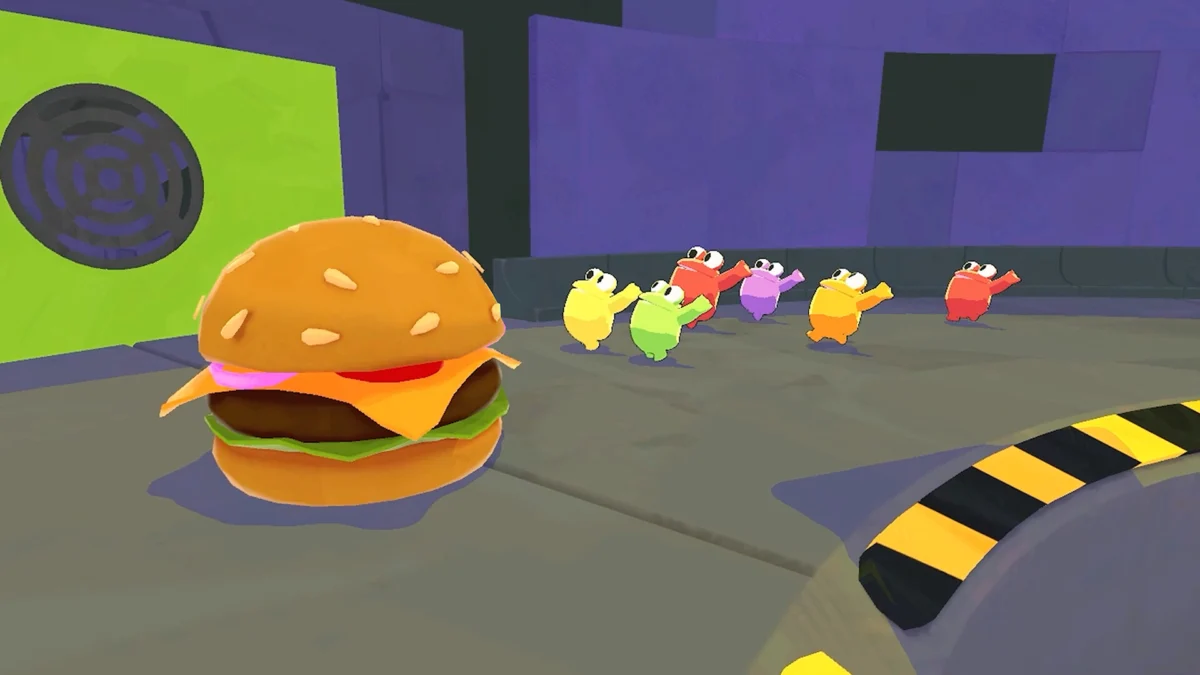
The landscape of independent cooperative gaming has seen a significant shift toward physics-based "party chaos" in recent years. Joining the ranks of titles like Overcooked, Gang Beasts, and Moving Out is the latest offering from the indie scene: Frog Sqwad. Developed with a focus on high-energy, frantic multiplayer interaction, the game tasks players—quite literally—with feeding a gluttonous monarch known as the Swamp King. Following its recent showcase at London’s New Game Plus event, the title has officially transitioned to a full release on Steam, bringing its unique brand of tongue-swinging mayhem to a global audience.
Main Facts: A New Contender in the Co-Op Arena
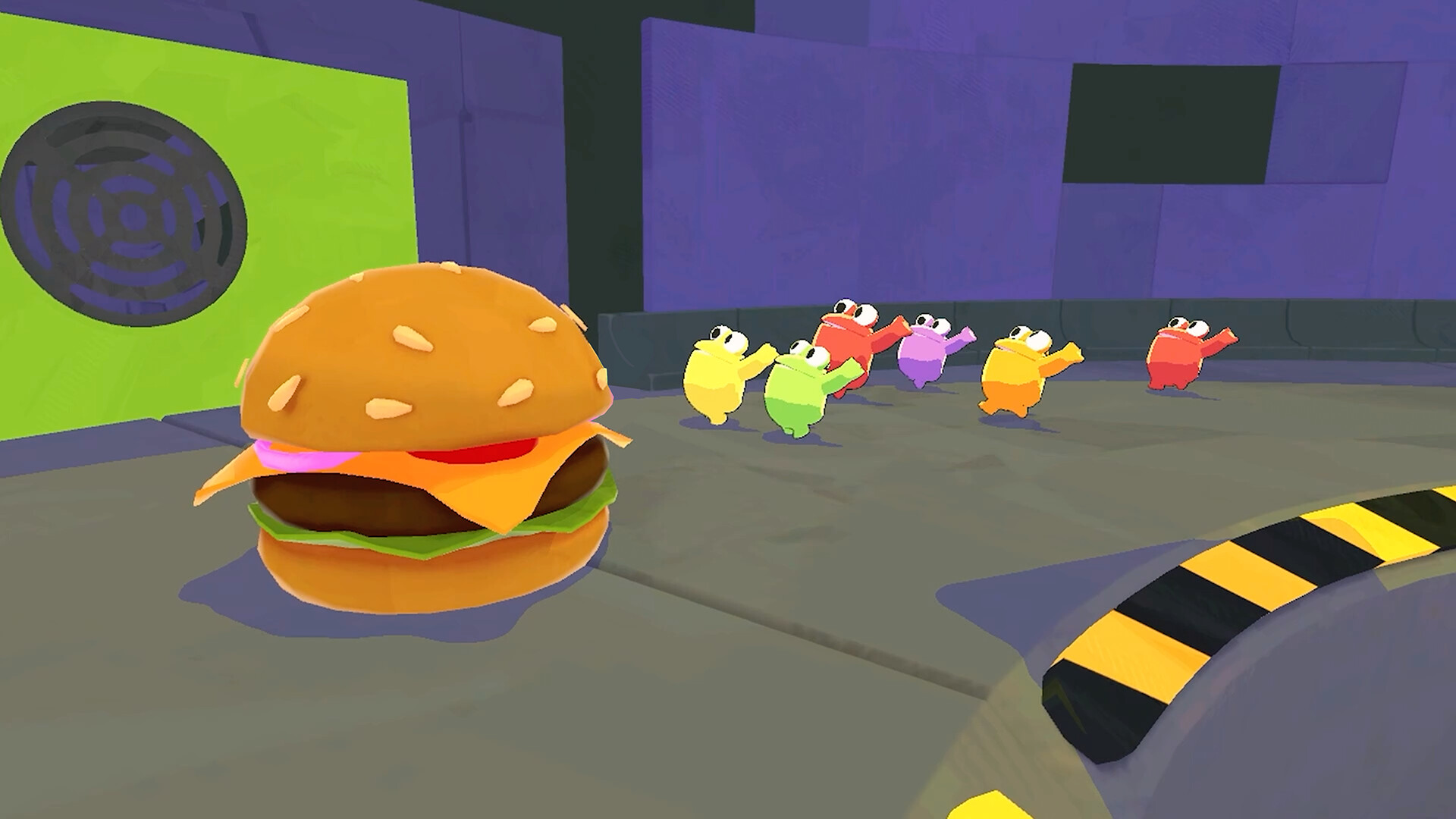
Frog Sqwad is a physics-driven, cooperative party game designed for 1 to 8 players. The premise is deceptively simple: players inhabit the roles of small, colorful frogs tasked with navigating "wacky" and hazardous levels to collect food for the Swamp King. However, the execution involves a complex interplay of momentum, tongue-based grappling, and environmental puzzles that elevate it beyond a simple fetch quest.
Core Gameplay Pillars
The game’s primary hook is the "sticky froggy tongue." This mechanic serves as both a tool for traversal and a means of interaction. Players use their tongues to swing across gaps, pull themselves toward objects, and—most importantly—grab food items to deposit them into a central collection bowl. The game operates on a "daily quota" system, requiring teams to meet specific delivery targets to progress.
Player Scaling and Transformation
One of the most distinct features of Frog Sqwad is its growth mechanic. While larger items like giant eggs and apples must be dragged manually, smaller food items such as fries and hamburgers can be consumed by the player characters. This serves a dual purpose:
- Health Regeneration: Eating replenishes the frog’s health, which is vital given the myriad of hazards present in each level.
- Physical Transformation: As a player consumes more food, their frog grows in size. Eventually, the player can transform into a "giant ball." In this state, the frog loses its agility but gains the ability to roll through obstacles and break down walls, adding a layer of environmental destruction and strategy to the gameplay.
Chronology: From Development Demo to Steam Launch
The journey of Frog Sqwad to the public market has been marked by a focus on community feedback and hands-on testing.
The London New Game Plus Showcase
A pivotal moment in the game’s pre-release phase occurred at the "New Game Plus" event in London. This showcase allowed industry professionals and the public to test the game in a live, high-pressure environment. It was here that the game’s "floaty" physics were first widely noted. Critics observed that the movement was less about precision and more about managing momentum—a design choice that polarizes players but fits the "chaotic" genre aesthetic.
Procedural Implementation
During the mid-stages of development, the team shifted toward a procedurally generated map system. This was a strategic move to ensure that the game remained fresh for repeat players. By randomizing the layout of hazards—such as spikes, toxic ooze, and slime monsters—the developers forced players to rely on their mastery of the mechanics rather than memorization of the level layout.
Official Release
Following the refinement of its multiplayer networking (allowing for the ambitious 8-player cap), Frog Sqwad officially launched on Steam. The transition from a demo-only build to a commercial product included the addition of more diverse food types, ranging from standard fruits to "human food" like burgers, each with varying weight and "breakability" stats.
Supporting Data: Mechanics, Hazards, and Level Design
To understand why Frog Sqwad stands out, one must look at the data governing its physics and environmental design. The game is not merely a platformer; it is a resource management simulator wrapped in a chaotic skin.
The Physics of the Tongue
The tongue mechanic is governed by a tether-physics engine. When a player latches onto a surface, the game calculates the tension and the frog’s current mass. This becomes particularly complex when a frog has eaten enough to increase its size class. A larger frog has more "pulling power" for heavy objects like giant eggs but suffers from reduced swing speed and higher fall damage potential.
Environmental Hazard Analysis
The procedurally generated maps are populated with several distinct types of obstacles:
- Static Hazards: Spikes and toxic ooze represent instant-death or high-damage zones that require precise jumping—a challenge given the "floaty" nature of the controls.
- Dynamic Hazards: Slime monsters act as mobile predators that can consume the player frogs, forcing teams to coordinate to distract or bypass these enemies.
- Interactive Puzzles: Buttons and pressure plates are scattered throughout the levels. Often, these require multiple frogs to activate simultaneously, or they may require a "Giant Ball" frog to provide enough weight to trigger the mechanism.
The Quota System
Success in Frog Sqwad is measured by the bowl’s contents at the end of a round. Items have different values:
- Fragile Items (e.g., Giant Eggs): High value but can break if dropped from heights or hit by hazards.
- Resilient Items (e.g., Apples): Lower value but easier to transport through dangerous terrain.
- Consumables: These provide no value to the Swamp King but are necessary for player survival and the "Giant Ball" transformation.
Official Responses: The Developer Vision
While the developers have maintained the humble posture typical of indie studios, their design philosophy is evident in the game’s structure. The focus was clearly on "emergent gameplay"—situations where the game’s systems interact in ways the developers didn’t explicitly program.
In discussions surrounding the "New Game Plus" demo, the consensus from the development side was that the "floatiness" of the movement was an intentional design lever. By making the frogs feel slightly out of control, the game forces players to communicate and compensate for each other’s mistakes. This is the "magic" of the multiplayer experience: the fun is found in the failure as much as the success.
The developers have also emphasized the importance of the 8-player cap. While the game is playable in single-player mode, the official stance is that the game is "built for the squad." The synergy between different player sizes—where smaller, nimble frogs scout ahead while larger, "ball-form" frogs clear paths—is the intended way to experience the marsh.
Implications: The Future of the "Physics-Party" Genre
The release of Frog Sqwad carries several implications for the indie gaming market and the party game genre as a whole.
1. The Resurgence of Large-Scale Local and Online Co-Op
Most co-op games cap at four players. By pushing the limit to eight, Frog Sqwad enters a niche market currently occupied by very few titles. This makes it an attractive option for larger social gatherings and streamers who frequently collaborate in large groups. The technical hurdle of maintaining physics synchronization across eight clients is significant, and if Frog Sqwad maintains stability, it could set a new standard for indie multiplayer infrastructure.
2. Accessibility vs. High Skill Ceilings
The critique of the "floaty" movement highlights a recurring debate in game design. Is a game better if it is precise, or if it is intentionally difficult to control? For Frog Sqwad, the "floatiness" acts as a leveling field. It prevents a single "pro" player from carrying the entire team, as the physics remain unpredictable enough to cause errors for everyone. This reinforces the "party" aspect of the game, where the spectacle of chaos is more important than a perfect run.
3. Procedural Generation as a Longevity Tool
Many party games suffer from a "content wall" where players grow bored of the same maps after a few hours. By utilizing procedural generation, Frog Sqwad theoretically offers infinite replayability. However, the implication for future updates is that the developers must continue to add new "modules" and hazard types to the generator to keep the experience from feeling repetitive.
4. The "Swamp King" Narrative Hook
While the story is minimal, the presence of the Swamp King provides a central motivation that many physics games lack. It creates a sense of "work" (meeting the quota) that contrasts hilariously with the "play" (swinging around as a frog). This tonal dissonance is a hallmark of successful indie titles and likely contributes to the game’s charm.
Conclusion
Frog Sqwad is more than a simple game about amphibians and food. It is a calculated experiment in physics-based cooperation and environmental navigation. With its high player count, unique growth mechanics, and the constant pressure of the Swamp King’s hunger, it offers a robust experience for those looking to engage in high-stakes, low-gravity chaos. As it settles into its release on Steam, the game stands as a testament to the enduring appeal of games that aren’t afraid to be a little bit "wacky" and a lot bit frantic. Whether players are dodging slime monsters or rolling through walls as a giant frog-ball, the marsh is open, and the King is waiting to be fed.