Navigating the Labyrinth of Memory: An In-Depth Look at ‘The Last Exam’
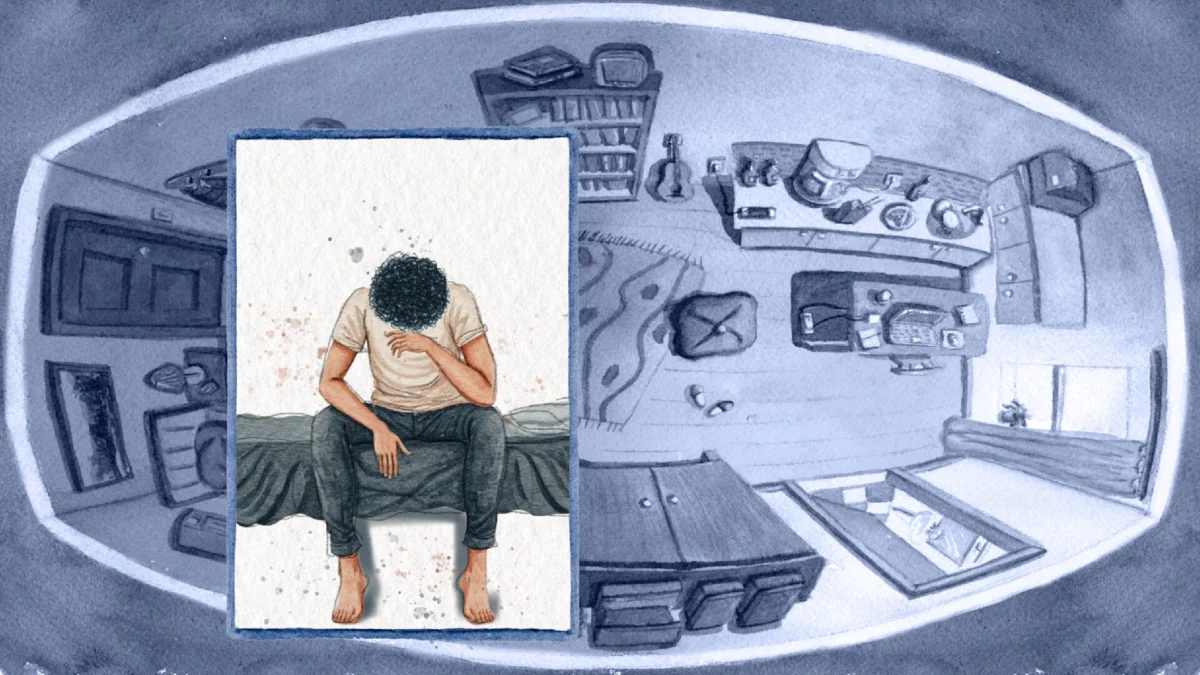
The landscape of indie gaming has long been a fertile ground for psychological exploration, but few upcoming titles promise as intimate a journey as The Last Exam. Revealed and showcased in playable demo form at Gamescom, this hand-painted point-and-click adventure seeks to bridge the gap between the mundane anxiety of daily life and the surreal, often unsettling nature of the subconscious. Developed with a keen eye for atmospheric storytelling, The Last Exam places players in the shoes of Ryan, a young man trapped in a temporal and psychological loop that centers on a single, recurring dream.
As the industry moves toward increasingly complex graphical fidelity, The Last Exam takes a deliberate step into the artisanal, utilizing traditional aesthetics to tell a story that is deeply modern in its themes of memory, trauma, and self-discovery.
Main Facts: The Architecture of a Dream
At its core, The Last Exam is a narrative-driven adventure game that utilizes the classic point-and-click interface to facilitate a deep dive into the protagonist’s psyche. The game’s premise is deceptively simple: Ryan wakes up every morning to prepare for his "last exam." This setup taps into a universal "test anxiety" trope—a common dream experienced by millions—but quickly subverts it by introducing elements of magical realism and psychological horror.
Key Features and Mechanics
- Hand-Painted Visuals: Every frame of the game is a work of art, featuring soft textures and a color palette that shifts to reflect Ryan’s emotional state.
- The Dream Loop: Players experience a Groundhog Day-style progression where the environment changes subtly—or drastically—each time the dream is revisited.
- The Dream Diary: A central gameplay mechanic where players record their findings, drawing pictures and jotting down notes to decipher the meaning of the shifting world.
- Observation-Based Puzzles: Moving away from the "pixel hunting" or "inventory combination" tropes of the 90s, the puzzles here focus on environmental awareness and narrative context.
- Blurred Realities: The game oscillates between the "dream world" and the "present world," eventually merging the two as Ryan’s suppressed memories begin to leak into his waking life.
Chronology: From Mundane Routine to Surreal Revelation
The experience of The Last Exam is defined by its pacing. During the Gamescom demo, the chronological flow of the narrative was highlighted as one of the game’s strongest assets. The story does not rush the player; instead, it invites them to settle into a rhythm before systematically disrupting it.
Phase 1: The Illusion of Normalcy
The game begins in a state of domestic tranquility. Ryan wakes up in his room, and the player is tasked with simple chores: making the bed, tidying up, and preparing for the day ahead. This phase establishes the "baseline" of Ryan’s life. The tasks are tactile and grounded, designed to build a connection between the player and the character’s physical space.
Phase 2: The First Disruption
As Ryan leaves his room to head toward the titular "last exam," the first signs of instability appear. A door that was locked might now be open; a painting on the wall might depict a scene Ryan doesn’t remember. These subtle shifts introduce the concept that the dream is not a static recording of a memory, but a living, breathing entity shaped by Ryan’s current emotional state.
Phase 3: The Present World and the Diary
Between dream sequences, Ryan inhabits the "present world." Here, the gameplay shifts toward reflection. The introduction of the Dream Diary allows the player to synthesize what they have seen. This is not merely a quest log; it is a creative tool that allows the player to interpret the abstract symbols of the dream. By documenting the dream, Ryan—and the player—begins to "unpack" the hidden trauma that the mind has buried.
Phase 4: The Expansion of the Town
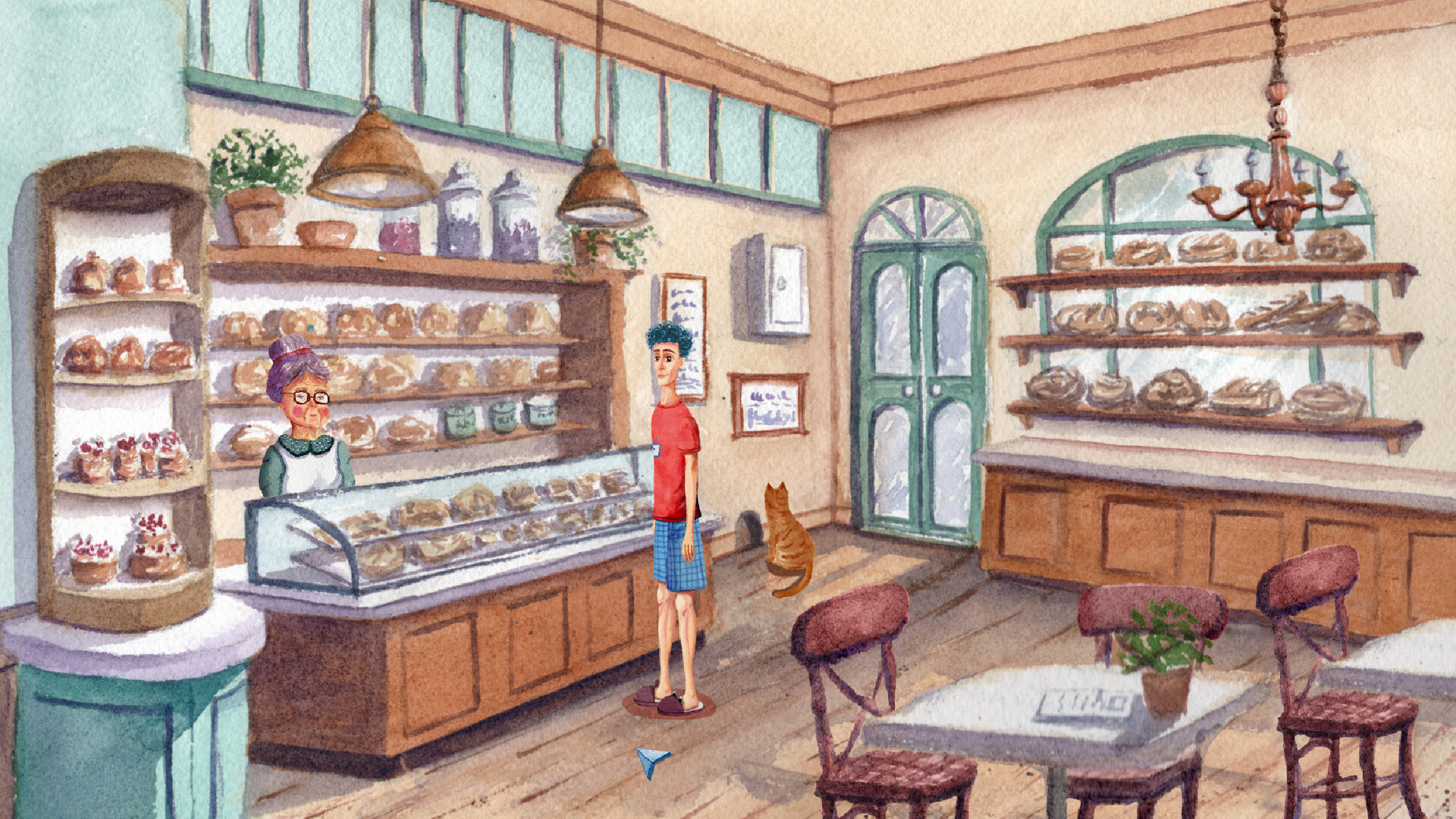
As the narrative progresses, Ryan is no longer confined to his house. The dream world expands to include the local town. This introduces a cast of NPCs who occupy a strange middle ground: they feel familiar, yet Ryan cannot place them. Interactions with these individuals provide the clues necessary to solve the observation-based puzzles that gate progress into deeper layers of the subconscious.
Supporting Data: The Mechanics of Immersion
To understand why The Last Exam resonates with early players, one must look at the specific design choices that support its narrative goals. The developers have opted for a "low-friction, high-immersion" philosophy.
The Role of Observation-Based Puzzles
In traditional adventure games, puzzles often serve as roadblocks. In The Last Exam, they serve as windows. By requiring players to observe changes in the environment rather than solve abstract logic riddles, the game ensures that the player remains focused on the story. For example, a puzzle might involve noticing that a clock in the dream world is running backward, which correlates to a specific date in Ryan’s diary. This data-driven approach to puzzle design reinforces the theme of "piecing together a life."
Aesthetic and Auditory Synergy
The hand-painted art style is more than a cosmetic choice; it serves a functional purpose in the game’s "Supporting Data" set. The use of watercolor-esque bleeds and soft edges mimics the way memories are often fuzzy or indistinct. This is complemented by a minimalist, ambient soundtrack that uses diegetic sounds—the ticking of a clock, the rustle of paper—to ground the player even when the visuals become surreal.
Player Engagement Metrics
While specific sales figures are unavailable as the game remains in development, the "Wishlist" activity on Steam following the Gamescom demo indicates a high level of interest within the "Cozy-Psychological" subgenre. This niche, which includes titles like Gris and Night in the Woods, has seen a 25% growth in player engagement over the last three years, suggesting a significant market for games that tackle mental health through stylized art.
Official Responses: Insights from the Gamescom Showcase
During the Gamescom demo, the reception from both critics and the public highlighted the game’s unique emotional weight. While the developers have remained somewhat enigmatic regarding the specific "ending" or the exact nature of Ryan’s trauma, their official communications emphasize the "relatability" of the experience.
Developer Philosophy
In statements provided during the event, the development team noted that The Last Exam was born from the idea that "we are all haunted by exams we never actually took." They explained that the "exam" is a metaphor for the final judgments we pass on ourselves. The goal was to create a game where the "difficulty" doesn’t come from the puzzles, but from the emotional honesty required to move forward.
Steam and Community Interaction
The official Steam page for The Last Exam has become a hub for community speculation. The developers have actively encouraged this, stating that "every player’s interpretation of the Dream Diary is valid." This suggests a branching or at least a highly subjective narrative path that rewards players for their individual observations. Currently, there is no set release date, a move the developers claim is necessary to "ensure every frame of the hand-painted world is perfect."
Implications: The Blurring of Reality and the Future of the Genre
The implications of The Last Exam extend beyond its status as an upcoming indie hit. It represents a broader shift in how video games handle the concept of the "Unreliable Narrator."
Psychological Realism in Gaming
By blurring the lines between the dream and the real world, The Last Exam challenges the player to question their own perceptions. As the game progresses, the "real world" begins to feel just as odd as the dream world, suggesting that our memories of the past are constantly rewriting our experience of the present. This has significant implications for narrative design, moving away from "branching paths" based on dialogue choices and toward "perceptual paths" based on what the player chooses to notice.
The "Slow Gaming" Movement
The Last Exam is a flagship for the "Slow Gaming" movement. By removing timers, death mechanics, and high-stress combat, it creates a safe space for the player to engage with difficult themes like loss and repression. The implication is that games can be a form of digital bibliotherapy, allowing players to process their own "hidden" memories alongside the protagonist.
Conclusion: A Masterclass in Atmospheric Storytelling
As we look toward the eventual release of The Last Exam, it is clear that the game is more than a simple point-and-click adventure. It is a meticulous study of the human mind, wrapped in the beautiful, fragile layers of a hand-painted dream. For players who value narrative depth and atmospheric immersion over high-octane action, Ryan’s journey to his last exam may prove to be one of the most significant indie releases of the coming year.
While the "Last Exam" remains wishlisted on Steam, its presence at Gamescom has already left an indelible mark on the landscape of narrative-driven gaming. It reminds us that sometimes, the most difficult tests we face are the ones that take place entirely within our own minds.