The Evolution of the Digital CCG: Silberheim and the Rise of the ‘Evolving Card Game’ Paradigm
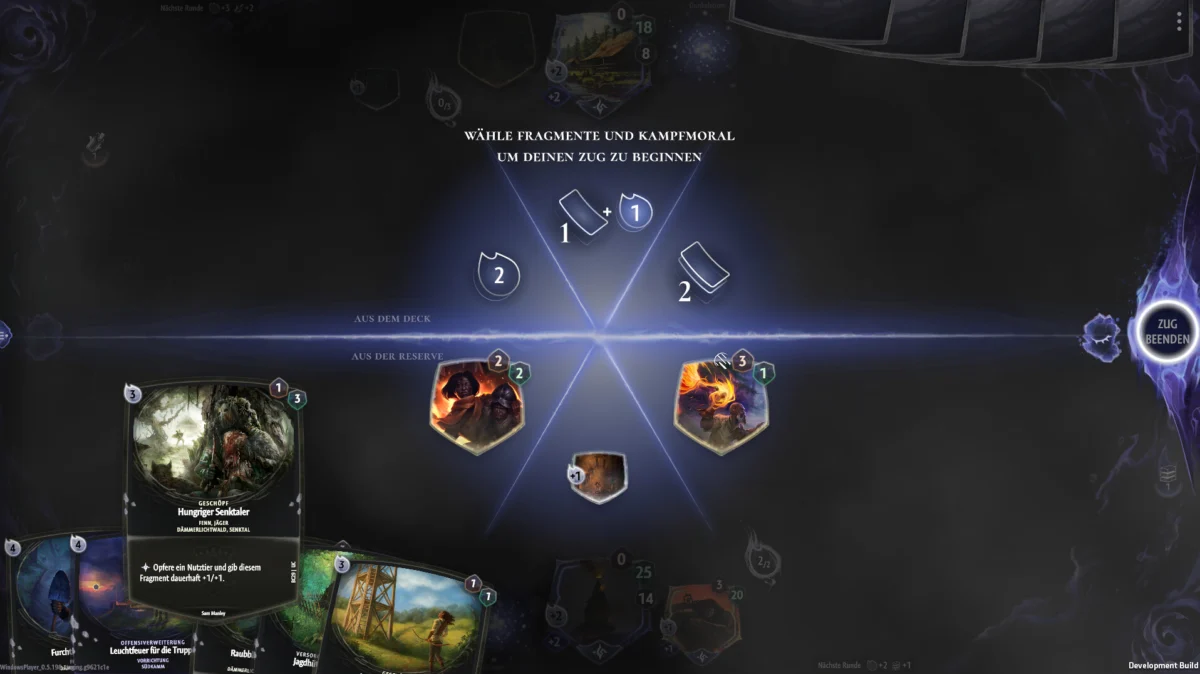
The landscape of digital collectible card games (CCGs) has long been dominated by established giants and rigid mechanics. However, a new contender emerging from the German indie scene is seeking to disrupt the status quo. Silberheim Evolving Card Game (ECG), developed by Beyond Worlds GmbH, represents a significant departure from traditional genre conventions. By introducing a system where cards, lore, and player accounts undergo permanent, individualized transformations based on user behavior, the title aims to redefine what it means to "own" a digital deck.
Recently spotlighted at the Summer Game Fest 2026 as a centerpiece of the German Indie Showcase, Silberheim has moved from a niche project into the global spotlight. With a Steam release scheduled for later this year and a robust beta currently underway, the game is positioning itself as a "Play-to-Win" alternative to the microtransaction-heavy models that have come to define the genre.
Main Facts: A New Architecture for Strategy
At its core, Silberheim ECG is built upon the concept of consequence. Unlike traditional CCGs where every player’s "Black Dragon" or "Knight" card possesses the exact same stats and abilities, Silberheim introduces the "Evolving" mechanic. This system ensures that no two player accounts—and eventually, no two decks—remain identical over time.
Key Pillars of Silberheim ECG:
- Individualized Evolution: Cards do not merely level up in a linear fashion. Instead, they evolve based on the player’s specific actions, victories, and strategic preferences. This process is non-uniform, meaning the evolution path for one player may differ entirely from another, even if they start with the same base card.
- The "Play-to-Win" Philosophy: In a direct challenge to the "Pay-to-Win" (P2W) models prevalent in the industry, Beyond Worlds GmbH has opted for a one-time purchase model. There are no booster packs to buy with real-world currency and no in-game advantages accessible via a credit card.
- Two-Phase Combat System: Matches are not decided by a simple life-point reduction. Gameplay is split into a "Fortress Phase" and a "Hero Phase," requiring players to adapt their strategies mid-match.
- Narrative Integration: The game is set within the richly detailed world of Midoa. Player actions in the game influence the overarching lore, creating a feedback loop between competitive play and world-building.
Chronology: From Concept to Summer Game Fest 2026
The journey of Silberheim began with Beyond Worlds GmbH’s vision to bridge the gap between deep RPG storytelling and competitive card mechanics. The development timeline reflects a steady progression toward a more interactive form of digital entertainment.
Phase 1: World Building and Core Mechanics
Before the first card was coded, the developers invested heavily in the lore of Isdraia, a continent on the planet Midoa. This included the drafting of a novel and various spin-off materials to ensure the game felt like a part of a living breathing world rather than a standalone product.
Phase 2: The Beta Launch
The current beta phase was launched to test the stability of the evolving mechanics. During this period, the developers invited players to experience the "Chamber of Souls," the game’s thematic starting point. This phase was crucial for calibrating the "Defiance" mechanic—a system designed to prevent early-game "snowballing" and ensure that matches remain competitive until the final turn.
Phase 3: Summer Game Fest 2026
The most significant milestone to date occurred during the Summer Game Fest 2026. As part of the German Indie Showcase, Beyond Worlds GmbH revealed a major content update for the beta. This showcase introduced the global gaming community to the warlike humans of Morgathal and the mysterious "Fenn" race, showcasing the visual and strategic diversity of the factions.
Phase 4: The Road to Steam Release
Following the success of the Summer Game Fest, the team is currently in the final stages of polish. The Steam release, slated for late 2026, will mark the transition from a community-tested beta to a full commercial product, incorporating the feedback gathered from thousands of early adopters.
Supporting Data: Mechanics and Lore Depth
To understand why Silberheim is being labeled an "ECG" rather than a "CCG," one must look at the data-driven mechanics that govern the game’s world.
The Evolution Mystery
The exact algorithms governing card evolution remain one of the game’s most guarded secrets. What is known is that evolution is "tailored to playstyle." For example, a player who uses a specific unit primarily for defensive maneuvers may find that card evolving to grant armor or health buffs. Conversely, an aggressive player using the same card might see it evolve to include "piercing" damage or "haste." This creates a meta-game where players are not just collecting cards, but "cultivating" them.
Tactical Complexity: The Two-Phase System
The match structure of Silberheim provides a layer of complexity rarely seen in digital card games:
- The Fortress Phase: Players must first navigate the defenses of their opponent. This involves resource management and tactical positioning to breach the enemy’s stronghold.
- The Hero Phase: Once the fortress falls, the "Hero" enters the battlefield. These are high-impact units that possess game-changing abilities. The shift from a siege-style game to a hero-focused duel requires a deck that is versatile enough to handle both scenarios.
The World of Midoa
The setting of Silberheim is not merely window dressing. The planet Midoa and the land of Isdraia are populated by distinct factions:
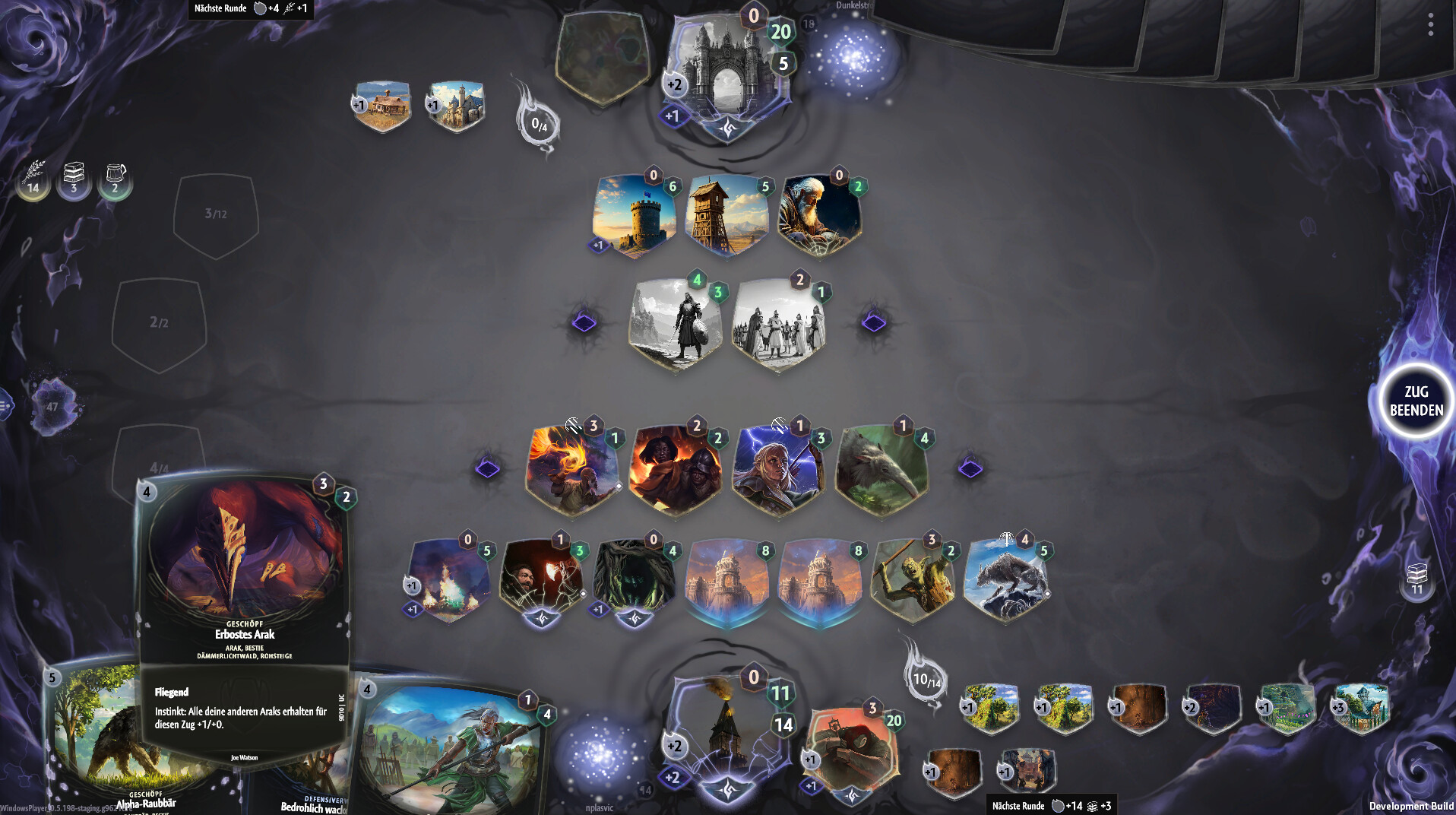
- The Morgathal: A human faction characterized by martial prowess and aggressive expansion.
- The Fenn: A race shrouded in mystery with mechanics likely tied to the more ethereal aspects of the game.
- Goblins and Beasts: Factions that utilize swarm tactics and raw power.
The player’s journey begins in the Chamber of Souls. Thematically, players are disembodied spirits fighting for the right to be reborn. The cards themselves are "memory fragments" of past lives, a narrative justification for the evolution mechanic—as the soul "remembers" more of its past through combat, the fragments (cards) become more defined and powerful.
Official Responses: The Developer’s Philosophy
Beyond Worlds GmbH has been vocal about its desire to foster a healthy, community-centric environment. In official statements following the Summer Game Fest, the developers emphasized that Silberheim is a reaction to the current state of the gaming industry.
"We believe that the bond between a player and their deck has been lost in the era of ‘net-decking’ and microtransactions," a spokesperson for Beyond Worlds stated. "By making the evolution of cards individual and tied to the player’s account history, we are giving that sense of ownership back to the community. You aren’t just playing a deck that someone else designed; you are playing a deck that has grown with you."
The studio has also addressed the "Play-to-Win" model, confirming that their revenue strategy relies on the quality of the base game rather than exploitative monetization. "Our goal is to create a great game first. By removing the ability to buy power, we ensure that the competitive integrity of Silberheim remains intact. Victory should be a result of skill and the unique evolution of your cards, not the size of your wallet."
The emphasis on community feedback is evident in the frequency of beta updates. The developers maintain active channels on Discord and Steam, frequently implementing balance changes and feature requests suggested by the player base.
Implications: A Shift in the CCG Landscape
The release of Silberheim ECG could signal a broader shift in the digital card game market. For years, the "freemium" model has been the standard, but it has led to significant player fatigue regarding "power creep" and the high cost of entry for competitive play.
Impact on Competitive Integrity
By removing the "Pay-to-Win" element, Silberheim sets a precedent for competitive integrity. If the game succeeds commercially, it may encourage other indie—and perhaps even mid-tier—studios to abandon the booster-pack model in favor of one-time purchases or cosmetic-only monetization.
The Rise of the "Living" Game
The concept of a game world that evolves based on player actions is the "holy grail" of game design. While many titles claim to offer this, Silberheim’s integration of evolution into the very cards players use is a tangible execution of this promise. This could lead to a new sub-genre of "Living Card Games" where the "meta" is not just shifted by developers releasing new sets, but by the players themselves through their collective actions.
Strengthening the Indie Ecosystem
The success of Silberheim at the Summer Game Fest also highlights the growing strength of the German indie scene. Supported by showcases and a dedicated community, smaller studios are proving they can innovate in genres previously thought to be "locked down" by AAA corporations.
Conclusion
As Silberheim Evolving Card Game moves toward its late 2026 launch, it carries the expectations of a community looking for something deeper than a standard card battler. With its unique evolution mechanics, "Play-to-Win" ethos, and a rich narrative foundation, Beyond Worlds GmbH is not just releasing a game; they are launching a challenge to the industry. Whether Silberheim can topple the giants remains to be seen, but its "evolving" nature ensures that the journey will be unlike anything the genre has seen before.
Players interested in participating in the final stages of development can currently access the beta for free on Steam, providing a firsthand look at the future of digital strategy.