The Enduring Power of Heroism: Why Our Stories Need More Courageous Souls
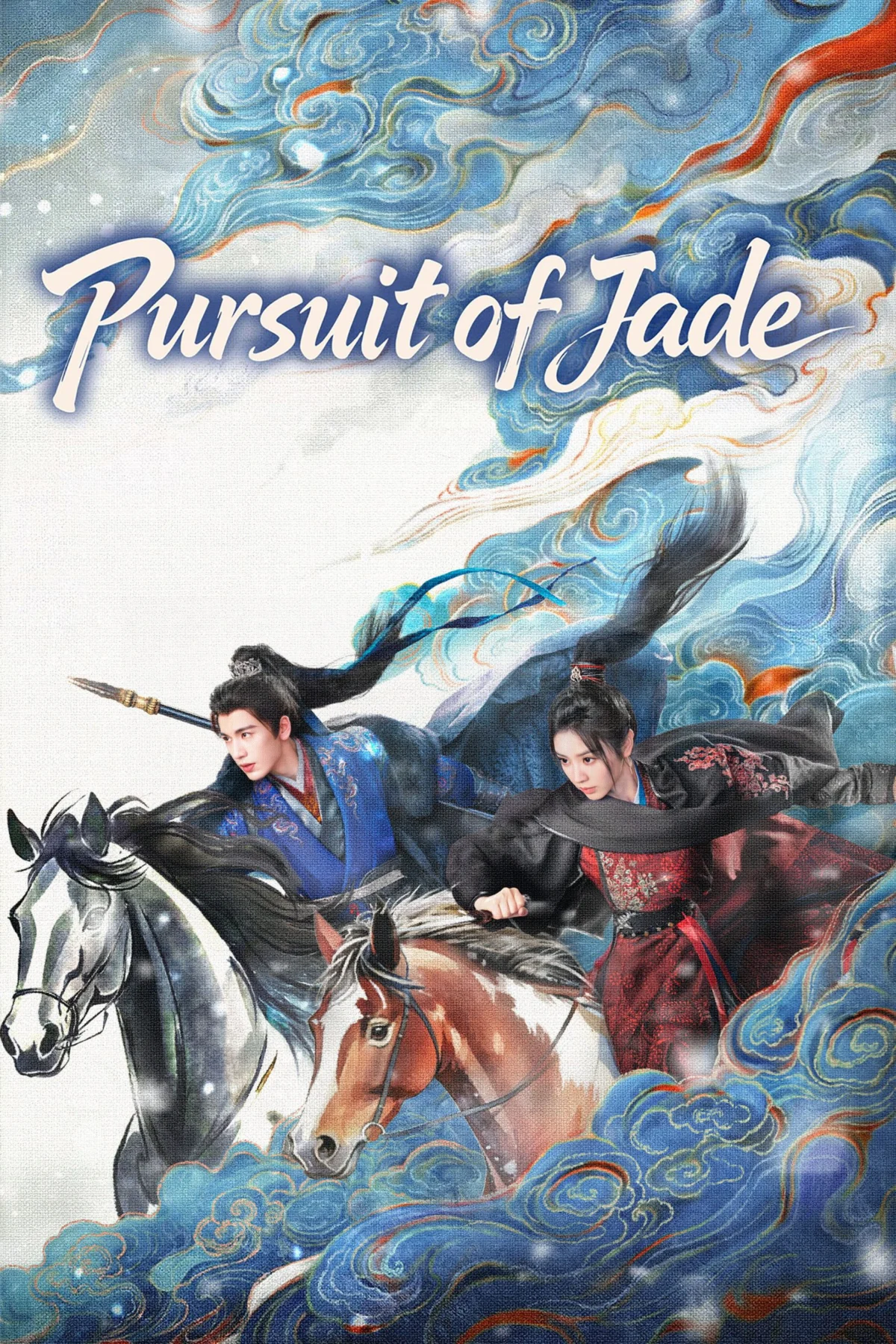
In an era increasingly drawn to shades of moral ambiguity and the complexities of flawed characters, a fundamental question arises: do we still need heroic stories? The author of this piece argues a resounding "yes," positing that while explorations of the "morally gray" are valuable, the archetype of the hero—defined not merely as a protagonist but as a beacon of courage and virtue—remains an essential element in the human narrative. This perspective is vividly illustrated through a personal anecdote involving a recent brush with a wildfire, underscoring how fictional heroism can forge real-world resilience.
The Nuance Between Protagonist and Hero
The distinction between a "protagonist" and a "hero" is crucial. A protagonist is the central figure driving the plot, facing obstacles, and navigating the narrative’s trajectory. This role, however, carries no inherent moral imperative. Antagonists serve as structural impediments, and the protagonist’s journey can be one of villainy, anti-heroism, or simple survival. In contemporary storytelling, the appeal of "morally complex" characters, those operating in shades of gray, is undeniable. These narratives offer a mirror to the often-conflicting aspects of human nature and provide catharsis through their exploration of life’s shadows and tragedies.

However, the author contends that in our pursuit of sophisticated storytelling, we risk devaluing the profound impact of genuine heroism. Genre fiction, often associated with predictable "happily ever afters" and dismissed as less artistically significant, actually embodies a deeper, inherent heroism in its very structure. The archetypal story arc, a journey through trials to emerge transformed, mirrors the mythical death and rebirth cycle, offering a powerful symbolic framework for personal growth and resilience. When this cycle is allowed to complete, stories can ignite hope and courage, showcasing what is possible when individuals face adversity with fortitude.
A Personal Encounter with Heroism: The "Pursuit of Jade" and a Wildfire’s Embrace
The author’s reflection is deeply personal, sparked by two seemingly disparate events: the discovery of the popular Chinese historical drama "Pursuit of Jade" and a terrifying night of encroaching wildfires.

The Allure of "Pursuit of Jade":
The author confesses to a recent and enthusiastic immersion in Asian dramas, specifically "Pursuit of Jade." Set in a fantastical medieval China, the series centers on Fan Changyu, a young woman burdened by her parents’ murder and the responsibility of caring for her younger sister. Her quiet life is disrupted when she discovers and nurses a grievously wounded stranger, Xie Zheng. Unbeknownst to her, Xie Zheng is a powerful general and nobleman. He agrees to a nominal marriage to protect her family’s home from a rapacious uncle, a pact that blossoms into a deep and enduring love.
The narrative unfolds with epic scope: a forced separation, the descent of war, Changyu’s own quest for heroic stature, a dramatic reunion, and a joint effort to uncover a conspiracy and save the empire. The author praises the series for its stunning visuals, evocative soundtrack, humor, charm, slow-burn romance, and grand wartime drama, noting it provided a "story high" unmatched in years. Despite some pacing issues in its latter half, "Pursuit of Jade" served as a powerful reminder of why such stories are more than mere entertainment.

The Night the Flames Drew Near:
Mere hours after finishing the series, the author received a frantic call from her father: "You’ve got fires around you." Living on the edge of a high-risk wildfire zone in Nebraska, already grappling with an extreme drought exacerbated by a dry winter, the threat was immediate and palpable. The state had already endured devastating fires in the past year, with nearly a million acres burned.
The author recounts the chilling details: the fire was just two miles away, flames towering over nearby structures, fanned by strong winds on a "Red Flag Day." The wind, however, unexpectedly shifted and died down for a crucial hour, allowing neighbors and firefighters to contain the blaze before it reached her neighborhood. The author, despite the relief, chose to stay with her parents for the night, a prudent decision given her lifelong fear of fire, amplified by the current drought conditions.

The Unseen Power of Fictional Courage
During that tense night, as the author calmly enacted her emergency "go plan," the narrative of "Pursuit of Jade" was her constant companion. She realized that her mind was steeped in the show’s imagery, its characters’ courage and steadfastness in the face of hardship. She felt a profound sense of gratitude that this story, with its archetypes of heroism, was what she was carrying into the uncertainty.
"The images, the emotions, and the archetypes it gave me that night were a portal to my own courage and steadfastness," she writes. The story offered a vision of overcoming hardship, imprinting a promise that such trials are survivable. This experience solidified her belief in the power of mythic storytelling – narratives that bypass the rational mind to connect with a deeper, unconscious, archetypal layer of human experience.

Drawing on Jungian psychology, the author emphasizes that the power of these symbols lies not in their conscious invention but in their spontaneous ability to resonate with something pre-existing within us. The courage she felt was not derived from a rational analysis of the show but from an archetypal recognition, a "tuning fork" resonating with her own inner capacity for heroism.
Crafting Resonance: Six Principles for Writing Heroic Stories
The author outlines six key principles for writers aiming to create stories that tap into this potent wellspring of courage and inspiration:

1. Channel Heroism Before You Write Heroic Characters
The ability to imbue stories with archetypal resonance begins with the author’s own connection to these forces. This connection is often discovered organically through the creative process—daydreaming, outlining, drafting, and editing. It’s not always a conscious endeavor but rather an act of becoming an "empty vessel" ready to be filled with inspiration.
2. Write Heroic Archetypes, Not Just Heroic Actions
True heroism in storytelling transcends mere heroic deeds. It lies in embodying heroic archetypes. While actions can be compelling, characters who are Heroes, rather than simply performing heroic acts, resonate on a deeper level. "Pursuit of Jade," despite its adherence to tropes, felt authentic because it embodied its heroic elements with sincerity, returning them to their archetypal roots.

3. Remember Heroic Characters Come in Many Archetypal Forms
Heroism isn’t confined to the traditional "Hero" archetype. The author points to her own work, "Writing Archetypal Character Arcs," which explores six central transformation archetypes (Maiden, Hero, Queen, King, Crone, Mage) and six steadfast archetypes (Child, Lover, Parent, Ruler, Elder, Mentor). Each of these, when deeply explored, requires and demonstrates immense courage. Even seemingly "dreadful" archetypes like the Tyrant or Tempter, when integral to the story’s arc, can evoke powerful and valuable responses.
4. Focus on the Feeling Readers Carry Away
Heroic stories don’t always require happy endings or definitive answers. Their truth lies in the lasting emotional impact on the reader. Echoing Aristotle’s concept of catharsis, the author highlights how stories can initiate profound internal shifts. While many stories offer fleeting entertainment, others—like "Lord of the Rings" or "Children of Men"—leave an indelible mark, altering our internal landscape. The author uses the poignant ending of "Children of Men" as an example of how sacrifice and the glimmer of hope in the face of overwhelming despair can resonate universally.

5. Take Readers Through Death to Reach New Life
The fundamental structure of story is a cycle of life, death, and rebirth. Truly heroic narratives confront and integrate the concept of "death"—whether literal or metaphorical—within the character and the narrative. Heroism emerges from despair and the facing of mortality. The darker the pit, the greater the heroism, and the starker the archetype becomes.
6. Let Goodness Be Genuinely Good
While complexity is often lauded, the author suggests that sometimes, simplicity in goodness is profoundly impactful. This isn’t to advocate for one-dimensional characters, but rather to recognize the power of seeing a fundamentally good person make the right choices despite severe consequences. Archetypes, by their nature, can be simple. Witnessing sincerity, goodheartedness, and devotion tested by harsh realities and ultimately prevailing offers a powerful and uplifting experience.

Conclusion: Story as a Language of the Soul
The author’s experience with "Pursuit of Jade" and the wildfire served as a profound reminder that stories are more than just entertainment; they are a fundamental language through which we communicate, encourage, and connect with something deeper within ourselves and others. When we tell stories, one archetypal imagination speaks to another, fostering transformation that can transcend prediction. In a world that often feels chaotic and uncertain, the enduring power of heroic narratives lies in their ability to equip us with courage, hope, and resilience, reminding us of the enduring strength of the human spirit.