The Visual Architecture of Imagination: Analyzing the Evolution of Industry-Leading Concept Art and the Protective Future of Digital Creativity
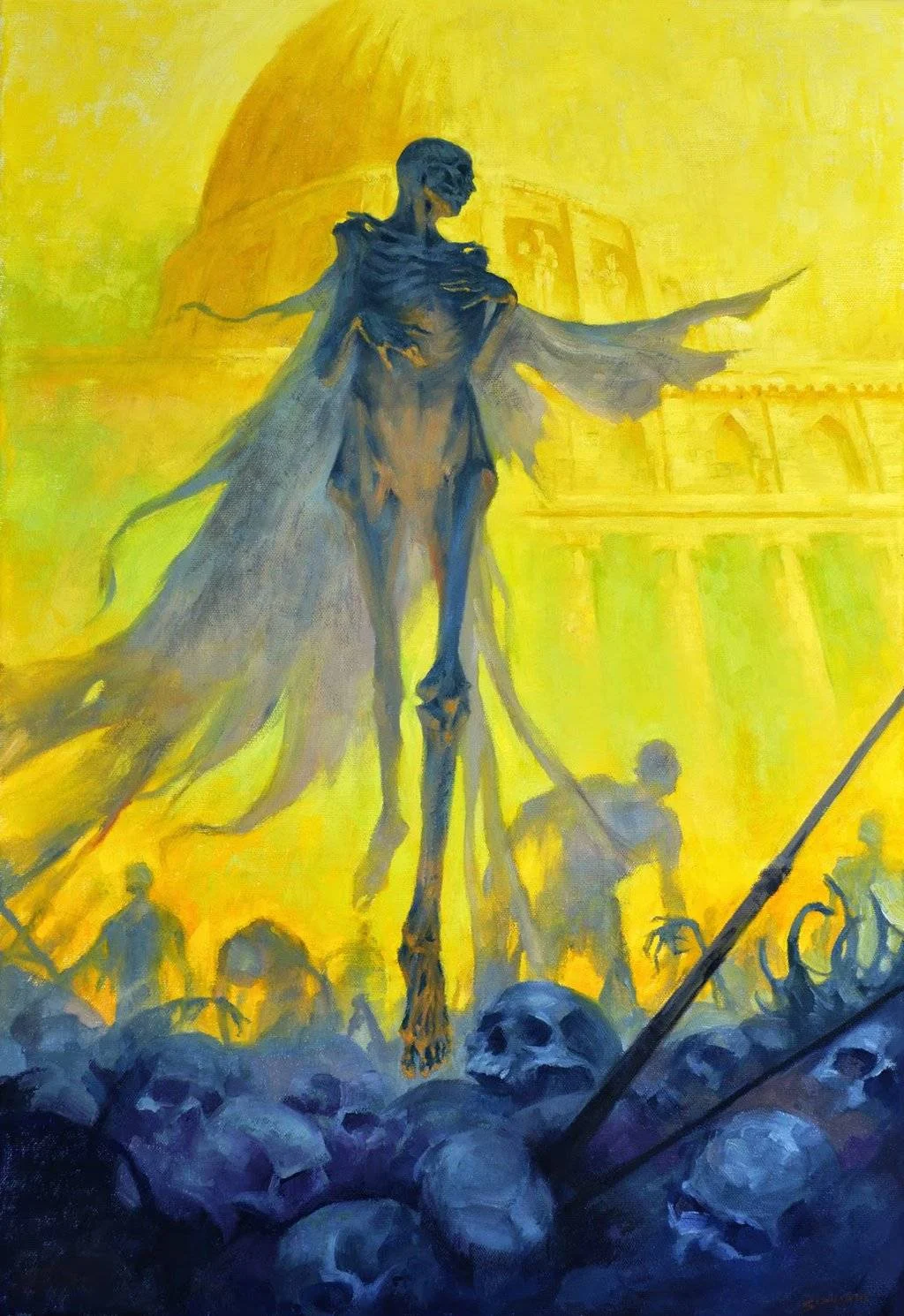
In the modern entertainment landscape, where the boundaries between reality and digital artifice are increasingly blurred, the role of the concept artist has moved from the peripheral "pre-production" phase to the very center of the creative zeitgeist. Leading industry hub Concept Art World (CAW) continues to serve as the definitive archive and showcase for this evolution. Recent spotlights on the platform—ranging from the mechanical intricacies of Framestore’s X-Men Sentinels to the painterly grandeur of Ulrich Zeidler’s 300: Rise of an Empire—provide a masterclass in how visual development dictates the success of multi-billion dollar franchises.
However, as the industry celebrates these aesthetic milestones, it simultaneously faces an existential pivot. With a newly reinforced stance against the unauthorized use of creative content for artificial intelligence (AI) training, Concept Art World is positioning itself not just as a gallery, but as a digital fortress for intellectual property.
Main Facts: A Convergence of Technical Mastery and Creative Sovereignty
The recent updates from Concept Art World highlight several key pillars of the industry. At the forefront is the work of Meinert Hansen, a veteran whose career spans decades of film and game design, representing the "old guard" of artists who transitioned from traditional media to digital excellence. Alongside Hansen, the platform has unveiled deep dives into the technical pipelines of major VFX houses and independent studios.
Key highlights include:
- Framestore’s Sentinel Designs: A comprehensive look at the iterative process behind the iconic antagonists of X-Men: Days of Future Past. This includes the transition from the "retro" 1970s versions to the terrifying, shape-shifting "Future" Sentinels.
- Ulrich Zeidler’s World-Building: An exploration of the visual language used in 300: Rise of an Empire, focusing on the "graphic novel" aesthetic that defines the franchise.
- Atomhawk Design’s "The Realm": A showcase of how independent IP development is flourishing, moving beyond service work for others to create original, lushly realized worlds.
- Strict Anti-AI Policy: A significant administrative update to CAW’s terms of service, explicitly prohibiting the training of AI systems on any artwork hosted on the platform.
Chronology: From Sketchbooks to Shape-Shifting Sentinels
The history of concept art is a history of technological breakthroughs. To understand the significance of the work currently featured on Concept Art World, one must look at the timeline of visual development’s integration into the Hollywood machine.
The Foundation: The Era of Meinert Hansen
In the early 1990s and 2000s, artists like Meinert Hansen were instrumental in defining the "lived-in" aesthetic of science fiction and fantasy. Hansen’s work on projects like The Secret Adventures of Jules Verne and Batman: Arkham Origins represents a bridge between 20th-century illustration and 21st-century digital painting. This era established the "blueprints" that directors now rely on to secure studio funding.
The 2014 Paradigm Shift: X-Men and 300
The mid-2010s marked a peak in "High Concept" design. In 2014, X-Men: Days of Future Past required a dual-timeline design philosophy. Framestore was tasked with creating a bridge between the clunky, mechanical aesthetic of the 1970s and a terrifying, bio-mechanical future. Simultaneously, Ulrich Zeidler was pushing the limits of the "painterly" style in 300: Rise of an Empire, proving that concept art wasn’t just about designing a prop; it was about designing the very atmosphere and color palette of a film.
2023–2026: The Protectionist Turn
Following the explosion of generative AI in 2022, the creative industry entered a period of defensive consolidation. By 2024, platforms like Concept Art World began implementing rigorous "No-AI" metadata and legal disclaimers. The 2026 mandate from CAW represents the culmination of this trend—a firm line in the sand designed to protect the "humanity" of the craft from algorithmic exploitation.
Supporting Data: The Technical Depth of Featured Work
The complexity of the art featured on Concept Art World is best understood through the lens of the specific challenges faced by the artists.
Framestore and the Sentinel Challenge
The "Future Sentinels" in X-Men were not merely 3D models; they were conceptual puzzles. Based on the designs seen on CAW, the challenge was to create a creature that could mimic the powers of any mutant. Framestore’s concept artists had to envision a surface made of thousands of shifting plates. This required a deep understanding of anatomy, materials, and light—skills that take years to master and cannot yet be replicated with precision by automated systems.
Ulrich Zeidler’s Historical Stylization
For 300: Rise of an Empire, Zeidler’s task was to maintain the "Snyder-esque" high-contrast look while moving the action to the sea. The supporting concept art reveals a focus on "Themistocles’ Navy" and the "Immortal" army, using a desaturated palette with bursts of crimson. Data from production archives suggests that over 3,000 pieces of concept art were generated for the film to ensure that every frame looked like a moving painting.
Atomhawk and the Rise of "The Realm"
Atomhawk Design, based in the UK and Canada, represents the shift toward independent IP. The Realm is a project that blends "nature-reclaiming-civilization" tropes with a distinct, hopeful color palette. This project is significant because it shows that concept art is no longer just a tool for film—it is the foundation for video games, VR experiences, and standalone art books.
Official Responses: The Battle for Creative Integrity
The most striking aspect of the recent Concept Art World update is not just the art itself, but the official stance taken by the organization regarding the future of the industry.
In an official statement within their "About Us" documentation, the platform clarifies its role:
"Concept Art World is a leading online resource dedicated to showcasing the best in concept art… CAW is a trusted resource for creative professionals… All images are © by the artist(s) or their respective copyright holders. Any training of AI systems using this content is strictly prohibited."
This response is a direct reaction to the "scraping" of art portfolios by companies like Midjourney and Stable Diffusion. By explicitly forbidding AI training, CAW is acting as a legal vanguard for its contributors. This move has been met with widespread support from the professional community, who argue that the "visual development" industry relies on the unique, intentional choices of human artists—choices that are diluted when fed into a machine-learning model.
Industry analysts suggest that this "Opt-Out" movement is becoming the standard for high-end creative repositories. The message is clear: the industry values the "process" as much as the "product," and that process is a proprietary human endeavor.
Implications: The Future of the Concept Art Industry
The enrichment of the Concept Art World platform and its simultaneous defensive posture have several long-term implications for the entertainment industry.
1. The Premium on "Human-Made"
As AI-generated imagery becomes more ubiquitous, "Human-Made" concept art will likely become a premium commodity. Studios may soon require "chain of custody" documentation for visual designs to ensure that no copyrighted material was used in the generation process, thereby avoiding legal entanglements. Platforms like CAW will serve as the "verified" source for this human-led creativity.
2. The Professionalization of "Visual Development"
The distinction between "Illustration" and "Visual Development" is becoming sharper. The work of artists like Meinert Hansen and Ulrich Zeidler isn’t just about a pretty picture; it’s about solving narrative problems. As the industry moves forward, the demand for artists who can think through the functionality of a design—how a Sentinel moves, how a Greek ship stays afloat—will remain high, as AI still struggles with consistent structural logic.
3. A New Legal Frontier
The prohibition of AI training on CAW marks the beginning of a new era of copyright law. If platforms can successfully block AI crawlers, it will force AI companies to license data directly from artists, potentially creating a new revenue stream for the creators featured on these sites.
4. The Resilience of Original IP
Projects like Atomhawk’s The Realm suggest that the future of the industry lies in original world-building. By showcasing these projects, Concept Art World is encouraging artists to become "authors" rather than just "hired guns." This shift could lead to a more diverse and creatively rich media landscape, moving away from the "sequel-itis" that has dominated Hollywood for the last decade.
Conclusion
Concept Art World remains an essential barometer for the health of the visual arts. Through its showcases of veteran talent like Meinert Hansen and the technical wizardry of studios like Framestore, it reminds us of the sheer scale of human imagination required to build the worlds we love. However, its most important contribution in 2026 may not be the art it displays, but the protection it offers. By standing firm against the unauthorized use of digital art for AI training, CAW is ensuring that the next generation of concept artists has a world worth building—and a career worth pursuing.
As we look at the intricate plates of a Sentinel or the blood-soaked waves of the Aegean Sea, we are seeing more than just pixels; we are seeing the culmination of decades of human craft, a craft that Concept Art World is determined to preserve for the future.