The Evolution of Tactical Realism: XREAL Games Unveils ‘COVR’ for 2026 Release
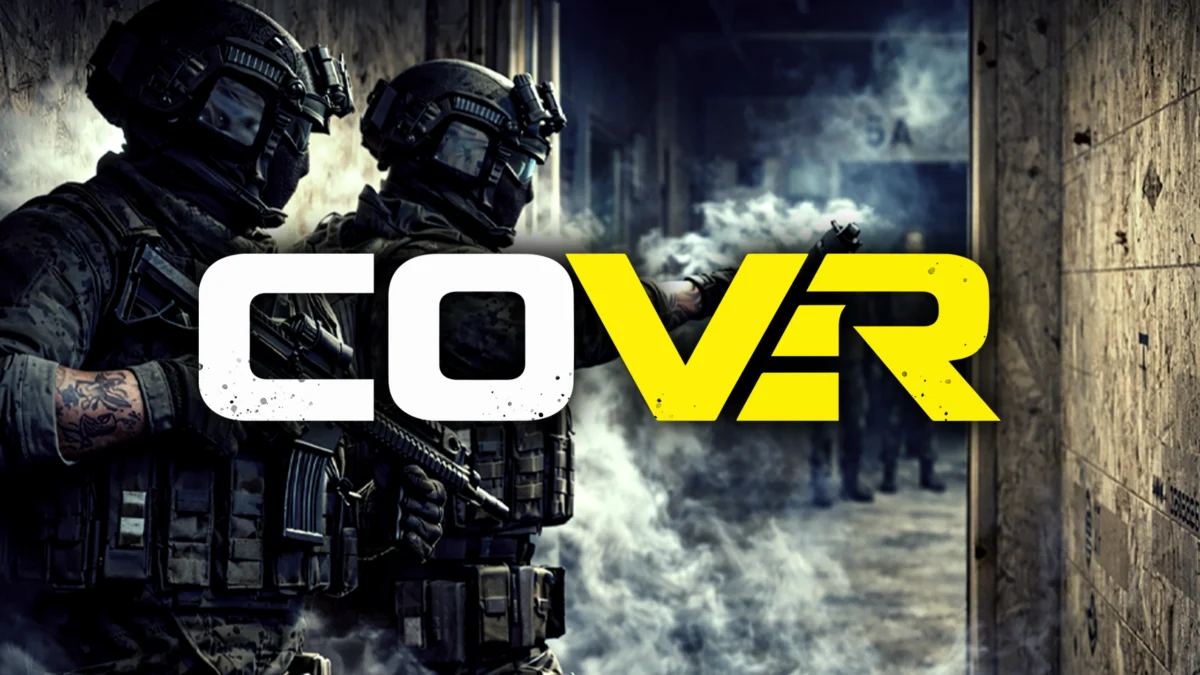
The virtual reality landscape is poised for a significant shift in the tactical shooter genre as XREAL Games, the veteran studio behind the acclaimed Zero Caliber franchise, pulls back the curtain on its most ambitious project to date. During the highly anticipated August 2026 VR Games Showcase, the developer provided an extensive first look at COVR, a high-stakes tactical shooter designed to push the boundaries of "next-gen" visuals and "uncompromising realism."
Scheduled for a 2026 release on both PC VR (via Steam) and Meta Quest platforms, COVR represents a paradigm shift for the studio. Moving away from the more arcade-leaning elements of previous titles, XREAL is doubling down on a gritty, atmospheric experience that emphasizes the physical and psychological weight of modern combat.
Main Facts: A New Benchmark for VR Mil-Sims
COVR is not merely another entry into the crowded military simulation (Mil-Sim) market; it is being positioned as a technical showcase for the current and upcoming generation of VR hardware. The core pillars of the game revolve around three specific areas: visual fidelity, tactical depth, and platform-agnostic optimization.
Key Features and Specifications:
- Release Window: Late 2026.
- Platforms: Meta Quest (Standalone), SteamVR (PC).
- Genre: Tactical First-Person Shooter (FPS).
- Game Modes: Solo campaign and Cooperative multiplayer.
- Core Mechanics: High-stakes gunplay, physics-based interactions, and team-oriented communication.
- Visual Engine: A proprietary evolution of XREAL’s rendering pipeline, focusing on dynamic lighting and high-resolution textures.
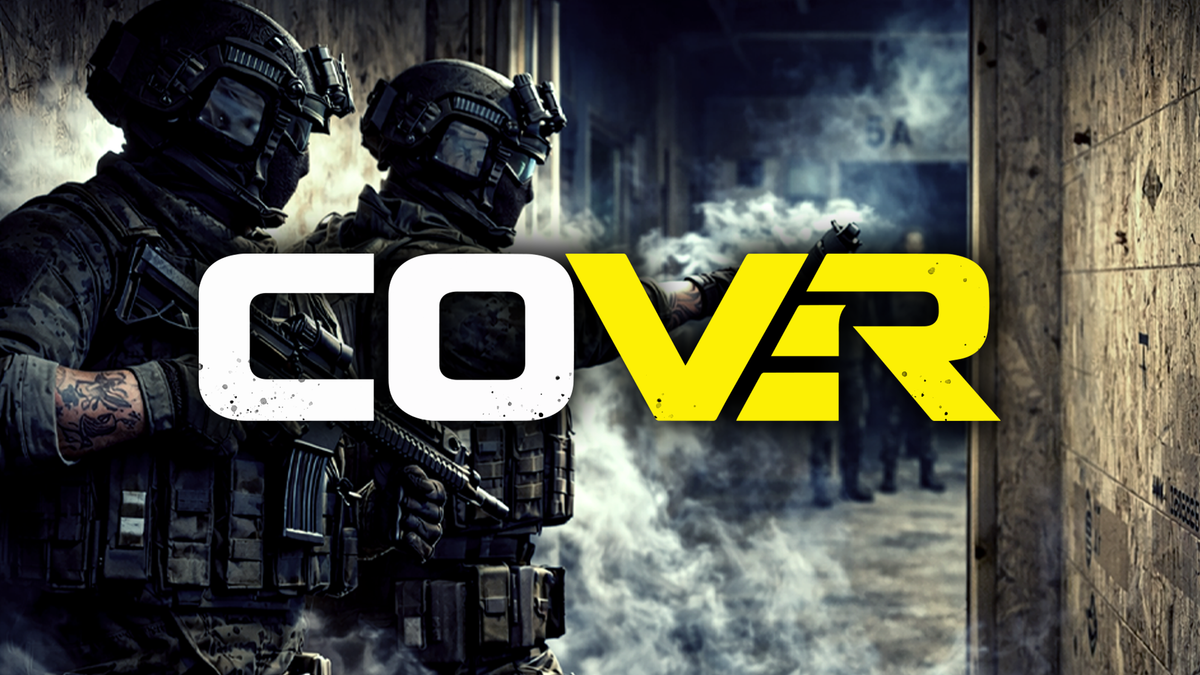
The announcement trailer, which debuted during the Showcase, highlighted a stark departure from the vibrant colors of XREAL’s previous work. Instead, COVR presents a desaturated, high-contrast world where environmental storytelling and lighting play a crucial role in gameplay. The studio’s goal is to move beyond the "plastic" look often associated with standalone VR titles, aiming for a presentation that rivals mid-to-high-end PC experiences.
Chronology: From Zero Caliber to COVR
To understand the significance of COVR, one must look at the trajectory of XREAL Games over the last decade. The studio first gained prominence with the release of Zero Caliber VR in late 2018. At the time, it was one of the few titles to offer a full-scale campaign with weapon customization that felt intuitive in VR.
The Development Timeline:
- 2018–2021: The Zero Caliber Era. XREAL established itself as a leader in VR weapon mechanics. They successfully ported the experience to the original Meta Quest, proving that large-scale shooters could work on mobile chipsets.
- 2022–2024: Research and Development. Following the release of Zero Caliber: Reloaded and the experimental Gambit!, the studio began quiet work on a new engine iteration. The goal was to solve the "visual gap" between PC and standalone headsets.
- August 2026: The Reveal. XREAL chooses the VR Games Showcase to announce COVR, signaling that the game is in a late-alpha state and ready for public scrutiny.
The transition from the 2024-era VR titles to COVR marks a shift in philosophy. While earlier titles focused on "fun-first" accessibility, COVR is being marketed to the enthusiast crowd—players who demand that their virtual firearms behave, sound, and feel like their real-world counterparts.
Supporting Data: The Mechanics of "Uncompromising Realism"
The term "realism" is often used as a buzzword in the gaming industry, but XREAL Games has provided specific data points to support their claims for COVR. The studio is focusing on "tense, physical, and unforgiving" gameplay, which translates into several concrete mechanical systems.
1. The Physics of Combat
In COVR, every object has a physical presence. Unlike many shooters where hands can clip through walls or weapons feel weightless, COVR utilizes a physics-based skeletal system. If a player attempts to swing a long-barreled rifle in a tight corridor, the barrel will collide with the environment, affecting the player’s aim. This forces players to consider their loadout based on the mission environment—bringing a compact SMG for indoor "Close Quarters Battle" (CQB) versus a sniper rifle for open-field engagements.
2. Tactical Communication and AI
The game’s cooperative mode is built around a "No HUD" (Heads-Up Display) philosophy. Players must rely on spatial audio to locate teammates and use hand signals or voice chat to coordinate movements. The enemy AI has also seen a significant overhaul. According to early technical briefs, the AI in COVR utilizes a "flanking and suppression" logic, meaning enemies will hold a player’s position with suppressive fire while another unit attempts to maneuver behind them.
3. Visual Fidelity on Standalone Hardware
Perhaps the most impressive data point shared is the studio’s commitment to the Meta Quest platform. XREAL claims that COVR utilizes advanced "Foveated Rendering" and custom shaders to achieve a level of detail previously thought impossible on mobile processors.
- Texture Resolution: 2K textures on weapon models for standalone.
- Lighting: Real-time shadows for primary light sources.
- Particle Effects: Volumetric smoke and debris that react to wind and player movement.
Official Responses: The Developer’s Vision
XREAL Games has been vocal about their desire to bridge the gap between different VR communities. In statements following the Showcase, the development team emphasized that the "Quest-first" approach of the past few years would not result in a watered-down PC version.
"We didn’t want standalone VR to be an afterthought," a lead developer stated during a post-showcase Q&A. "We are focused on pushing each platform as far as possible. For the Quest, that means squeezing every ounce of power out of the chipset to provide an atmospheric experience. For PC VR, it means utilizing the latest GPU architectures to provide a cinematic, ultra-realistic simulation."
The team further clarified that the "high-stakes" nature of the game is intended to create a sense of "presence." By making the gameplay unforgiving—where a single well-placed shot can end a mission—they hope to induce the physiological responses associated with actual tactical operations, such as increased heart rate and heightened sensory awareness.
Implications: The Future of the VR Tactical Genre
The announcement of COVR carries significant implications for the VR industry and the tactical shooter sub-genre. As we move toward 2027, the expectations for VR content are evolving.
1. The Death of the "Tech Demo"
For years, VR shooters were criticized for being glorified tech demos with little depth. COVR represents the "Third Wave" of VR gaming, where the novelty of the medium is replaced by deep, systems-driven gameplay that can stand alongside traditional "flat" AAA titles.
2. The Hardware Arms Race
By targeting "next-gen" visuals, XREAL is essentially setting a new bar for other developers. If COVR succeeds in delivering high-fidelity graphics on standalone hardware, it will pressure other studios to move away from the "low-poly" aesthetic that has dominated the Quest store for years. This could accelerate the adoption of more powerful mobile chipsets and more efficient rendering techniques across the industry.
3. The Rise of "Hardcore" VR
The success of titles like Ghosts of Tabor has proven there is a massive appetite for "extraction" and "hardcore" shooters in VR. COVR is tapping into this trend but focusing on a more polished, narrative-driven tactical experience. This suggests a diversification of the market where "tactical realism" is no longer a niche but a primary driver of VR software sales.
4. Cross-Platform Parity
XREAL’s insistence on not treating standalone as an afterthought is a crucial signal to the consumer base. One of the primary complaints from the PC VR community has been the "downgrading" of games to fit mobile hardware. If COVR can maintain its visual identity across both platforms, it may provide a blueprint for how developers can satisfy both the mobile and enthusiast markets simultaneously.
Conclusion
COVR is shaping up to be a pivotal release for 2026. By combining the tactical DNA of XREAL’s previous successes with a renewed focus on technical excellence and "unforgiving" realism, the studio is aiming to capture the hearts of the Mil-Sim community. As the line between virtual and reality continues to blur, COVR stands as a testament to how far VR technology has come—and how much further it is prepared to go.
For players, the message is clear: start practicing your room clearing and communication drills now. In the world of COVR, precision isn’t just a goal; it’s a requirement for survival. With its release on the horizon, the VR community will be watching closely to see if XREAL can deliver on the promise of a truly "next-gen" tactical experience.