The Digital Renaissance: How Concept Art World is Mapping the Future of Visual Storytelling
The landscape of modern entertainment—spanning the cinematic universes of Marvel to the sprawling digital frontiers of AAA gaming—is built upon a foundation of unseen labor: concept art. In an era where visual fidelity defines the success of multi-billion dollar franchises, platforms like Concept Art World (CAW) have transitioned from niche galleries to essential industry archives. Recently, the spotlight has fallen on a diverse array of projects and creators, including George Hull’s work on Guardians of the Galaxy Vol. 2, Alex Figini’s contributions to Anthem, and the rising influence of artists like Will Coyner.
As the industry grapples with the dual forces of technological advancement and the preservation of human creativity, these showcases provide more than just aesthetic pleasure; they offer a blueprint for the evolution of visual development (VisDev).
Main Facts: The Pillars of Modern Visual Development
Concept Art World has recently curated a series of showcases that highlight the breadth of the industry. At the forefront is the release of George Hull’s concept art for Marvel Studios’ Guardians of the Galaxy Vol. 2. Hull, a veteran whose credits include The Matrix and Blade Runner 2049, provided the psychedelic, grand-scale environmental designs that defined the look of "Ego the Living Planet."
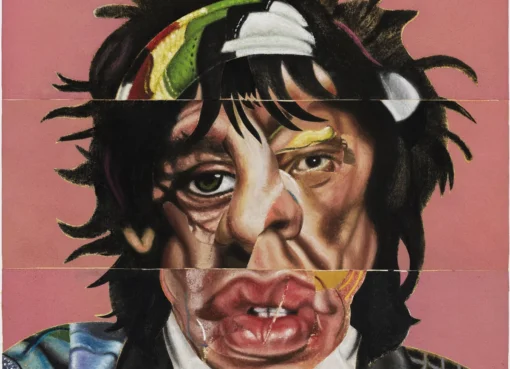
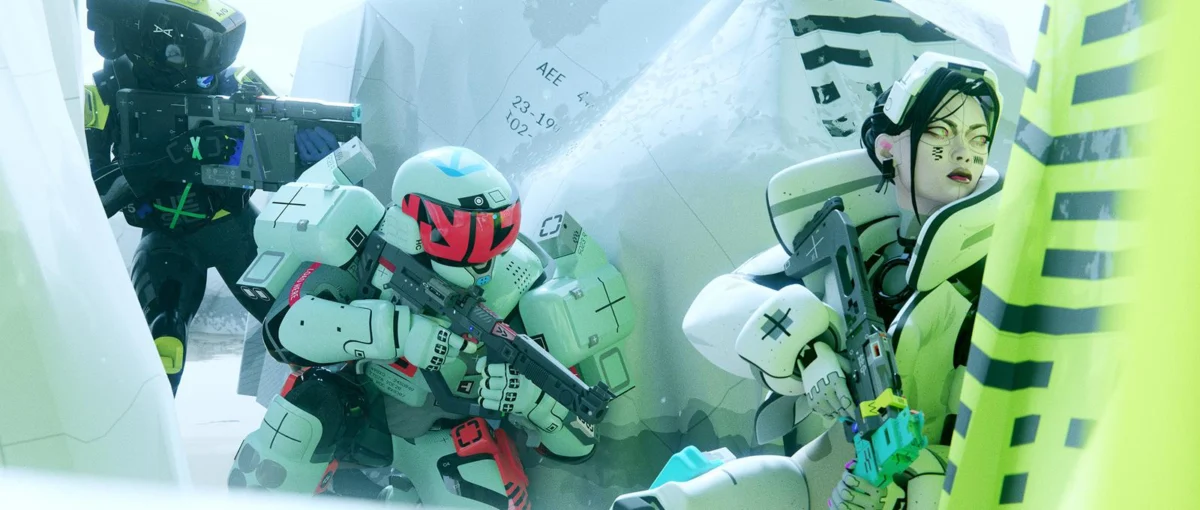
Simultaneously, the platform has highlighted the work of Alex Figini on BioWare’s Anthem. Despite the game’s tumultuous commercial history, Figini’s work remains a gold standard for "hard-surface" design and exo-suit aesthetics, blending organic shapes with futuristic machinery. Complementing these high-profile film and game projects is the spotlight on Will Coyner, an artist whose character-driven work represents the next generation of digital illustrators focusing on narrative depth through costume and anatomy.
Beyond individual portfolios, the industry’s educational arm continues to expand with the publication of Sketching from the Imagination: Fantasy. This volume serves as a critical resource for aspiring artists, emphasizing that even in a digital-first world, the fundamentals of sketching and "imagination-led" design remain the bedrock of the craft.
Chronology: From Sketchbook to Global Screen
The evolution of concept art as a public-facing discipline has followed a distinct timeline over the last two decades:
- The Pre-Digital Era (Pre-1990s): Concept art was largely confined to physical "production paintings" and storyboards. Artists like Ralph McQuarrie (Star Wars) worked in gouache and acrylic, with their work rarely seen by the public until years after a film’s release.
- The Digital Shift (2000–2010): The advent of Wacom tablets and Adobe Photoshop transformed the speed of iteration. This era saw the rise of the "Art Of" book, where fans began to appreciate the developmental stages of films like The Lord of the Rings.
- The Franchise Boom (2011–2019): The Marvel Cinematic Universe (MCU) and the expansion of open-world gaming necessitated a massive increase in visual development. George Hull’s work on Guardians of the Galaxy Vol. 2 (2017) represents the peak of this era, where concept artists were tasked with designing entire planets and ecosystems.
- The Transmedia Era (2020–Present): Today, concept art is a marketing tool and a standalone art form. Platforms like Concept Art World serve as the primary gallery for this work. This period is also defined by the "AI Contention," where the industry is moving to protect the intellectual property of artists against unauthorized machine learning training.
Supporting Data: The Economics of Aesthetic
The demand for high-level concept art is driven by the sheer scale of the global entertainment market. According to industry reports, the global animation, VFX, and video game markets were valued at approximately $400 billion in 2023. A significant portion of "pre-production" budgets—often ranging from 5% to 15% of a total film or game budget—is allocated specifically to visual development.
For a project like Guardians of the Galaxy Vol. 2, the visual development team consists of dozens of artists working for years before a single frame is shot. George Hull’s contributions were instrumental in translating director James Gunn’s "space opera" vision into a tangible guide for VFX houses like Framestore and Weta Digital.
In the gaming sector, the importance of concept art is even more pronounced. Anthem, despite its flaws, was praised for its visual identity. Alex Figini’s designs for the "Javelin" suits were not just artistic expressions; they were functional blueprints that informed the game’s flight mechanics, hit-boxes, and customization systems. The longevity of a game’s brand often rests on the strength of this initial visual "hook."
Official Responses: The Stance Against Generative AI
A critical development in the concept art community is the formalization of protective measures against Artificial Intelligence. Concept Art World has taken a definitive stance, stating: "Any training of AI systems using this content is strictly prohibited."
This response is a direct reaction to the emergence of generative AI models like Midjourney and Stable Diffusion, which have been criticized for scraping artist portfolios without consent or compensation. The industry’s "official" response—from individual artists like Will Coyner to major platforms—has been one of cautious defiance.
Legal experts suggest that the next five years will be defined by copyright litigation regarding "style" and "training data." Organizations like the Concept Art Association (CAA) have been lobbying for federal protections for human artists, arguing that the "concept" in concept art requires a level of intentionality and narrative understanding that algorithms cannot currently replicate.
Implications: The Future of the Creative Professional
The highlights featured on Concept Art World suggest several major implications for the future of the industry:
1. The Professionalization of "The Artist Brand"
Artists like Alex Figini and George Hull are no longer anonymous cogs in a corporate machine. They are "visual auteurs" with following and influence. This shift allows artists to command higher fees and retain greater control over their intellectual property. For the aspiring artist, the career path now involves building a personal brand through platforms like Instagram, ArtStation, and CAW.
2. The Return to Foundational Skills
The popularity of Sketching from the Imagination: Fantasy indicates a counter-cultural movement within the art world. As AI makes "perfect" rendering easier, the value of the "sketch"—the raw, messy expression of an idea—increases. The industry is placing a premium on artists who can think and solve problems on paper, rather than those who simply know how to use software.
3. Visual Development as a Standalone Product
We are seeing the "decoupling" of concept art from the final product. Fans are often more interested in the "lost" designs of a cancelled game or the early iterations of a superhero costume than the final version. This has created a secondary market for art books, limited edition prints, and digital galleries, providing artists with diverse revenue streams.
4. The Ethical Imperative
The "No AI" notice on CAW’s footer is a harbinger of a broader industry schism. We are likely to see a "Human-Made" certification become a standard in the credits of major films and games. For studios, the implication is clear: to maintain the loyalty of the creative community and the quality of their world-building, they must invest in human talent and respect the boundaries of digital copyright.
Conclusion
The recent updates from Concept Art World—from the cosmic vistas of George Hull to the intricate character designs of Will Coyner—underscore a vital truth: the "concept" is the most valuable asset in the entertainment industry. While technology provides the tools to render these visions, the spark of imagination and the years of technical mastery exhibited by these artists remain irreplaceable. As the industry moves into an uncertain digital future, the commitment to showcasing and protecting human creativity will be the defining battle of the next decade. Concept Art World stands not just as a gallery, but as a guardian of that creative flame.