Brewing Community: An In-Depth Look at ‘Kitch Witch,’ the Latest Entry in the Wholesome Life-Sim Genre
The landscape of independent gaming has undergone a seismic shift over the last decade, moving away from high-octane violence toward "wholesome" experiences that prioritize empathy, community, and domestic tranquility. The latest title to emerge from this burgeoning movement is Kitch Witch, a cozy life-simulator with deep RPG elements that places players in the role of a local apothecary and community healer. Recently previewed at Game Con Canada, Kitch Witch promises to blend the tactical resource management of titles like Recettear with the pastoral charm of Stardew Valley and the tactile crafting of Potion Permit.
Main Facts: A New Kind of Magic
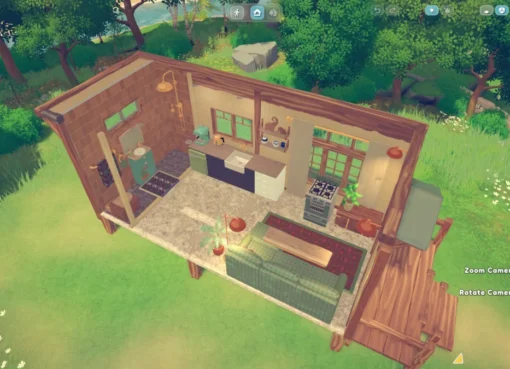
At its core, Kitch Witch is a narrative-driven simulation game that eschews traditional combat in favor of social problem-solving and artisanal crafting. Players inhabit the life of a friendly witch who operates a cottage-core apothecary. Unlike many RPGs where magic is a tool for destruction, magic in Kitch Witch is a medium for restoration.
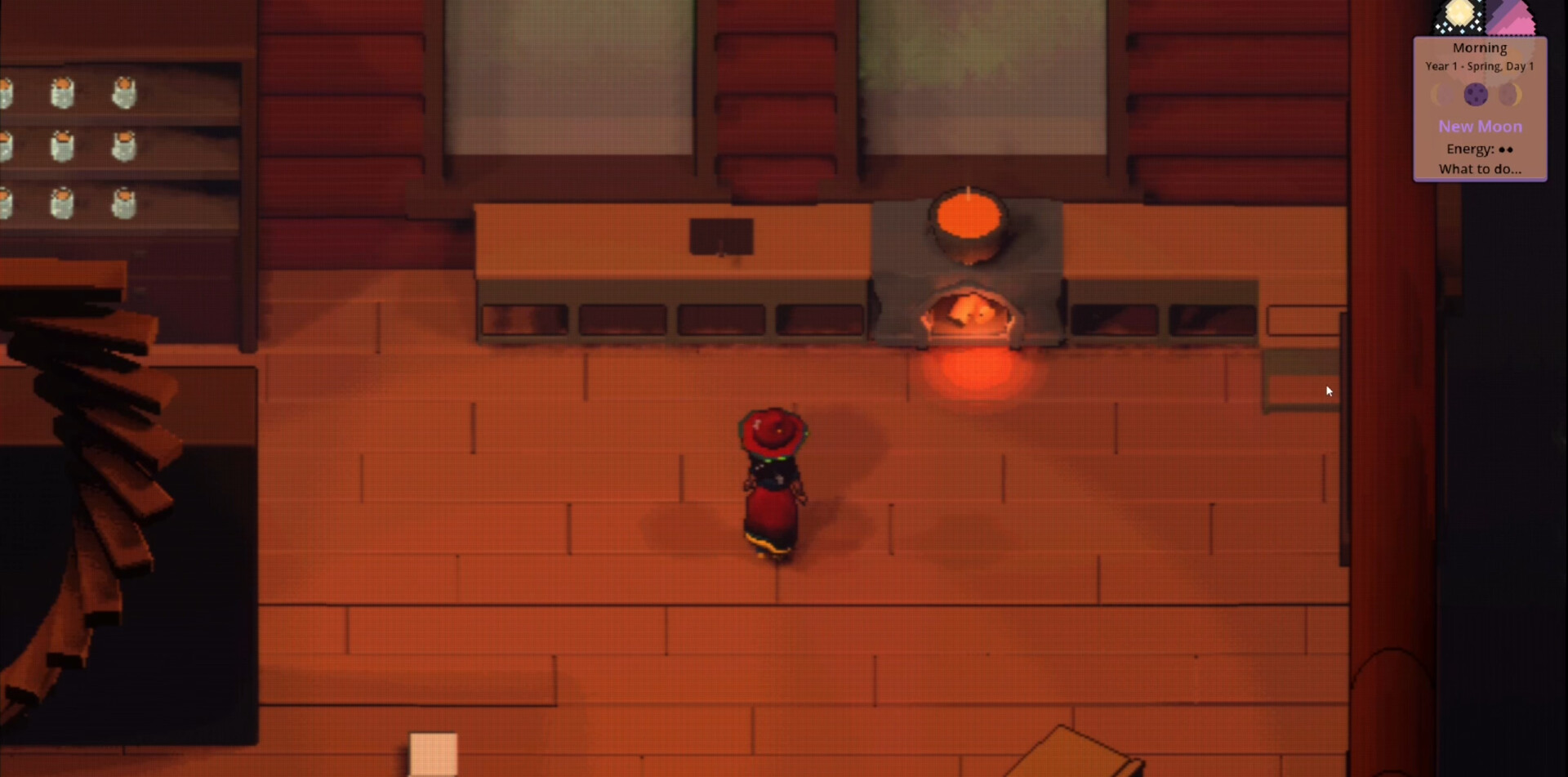
The game’s primary loop revolves around three pillars: Diagnosis, Crafting, and Foraging. Customers enter the shop with vague ailments, and it is the player’s responsibility to interpret their symptoms, consult ancient recipe books, and manufacture the correct remedy. This process is complicated by a scarcity of resources and a moral economy that challenges players to decide who to help when supplies run low.
While the game is currently in its pre-alpha stage, the demonstration at Game Con Canada highlighted a polished visual style characterized by warm lighting, hand-drawn textures, and an interface designed to minimize player stress while maximizing engagement with the game’s internal logic.
Chronology: From Concept to Game Con Canada
The development of Kitch Witch follows a timeline typical of ambitious indie projects, prioritizing community feedback and iterative design.
- Conceptualization and Early Development: The project began with the goal of creating a "non-violent RPG" that focused on the labor of care. The developers sought to move away from the "chosen one" trope, instead focusing on the "community pillar" trope—someone who is essential to a town not because they can kill dragons, but because they can cure the common cold.
- The Pre-Alpha Trailer Release: In mid-2024, the developers released a pre-alpha trailer that showcased the core mechanics: the chopping of ingredients, the stirring of the cauldron, and the day-night cycle. The trailer immediately garnered attention within the "Wholesome Games" community, leading to a surge in Steam wishlists.
- The Game Con Canada Debut: The first public hands-on opportunity occurred at Game Con Canada. This event allowed players to experience the diagnostic phase of the game—a mechanic where players must talk to NPCs to uncover their hidden needs. The feedback from this event emphasized the game’s "tactile satisfaction," particularly in the ingredient processing mini-games.
- Future Milestones: Currently, Kitch Witch remains in active development without a confirmed release date. The developers are focusing on expanding the foraging maps and deepening the relationship system with townspeople.
Supporting Data: The Mechanics of Care
To understand the depth of Kitch Witch, one must look at the data-driven systems that govern its world. The game is not merely a "click-and-wait" simulator; it utilizes complex interlocking systems to maintain a sense of challenge.
The Diagnostic System
In most crafting games, the player is given a shopping list. In Kitch Witch, the "shopping list" is obscured by narrative. An NPC might complain of "heavy eyes and a clouded mind," requiring the player to cross-reference these symptoms with the Grimoire of Remedies. Choosing the wrong potion doesn’t just waste ingredients; it can affect the player’s reputation within the town.
Resource Scarcity and Foraging
The game employs a strict inventory limit. Unlike the infinite chests of other sims, the witch’s pantry is small. This forces a daily cycle of foraging. Data from the pre-alpha build suggests a 60/40 split between shop management and exploration. The world outside the shop is divided into biomes that change based on a day-night cycle:
- Daytime: Yields common herbs, mushrooms, and sunlight-dependent flowers.
- Nighttime: Reveals rare bioluminescent fungi and nocturnal ingredients essential for high-level "Dream" or "Rest" potions.
The Economic Model
The "Moral Economy" is a standout feature. Some customers arrive with a surplus of gold, while others—vulnerable members of the community—may have nothing to offer but gratitude or a trade in information. The game tracks the player’s "Community Standing," a metric that influences which rare ingredients the townspeople might share or which secret locations they might reveal.
Official Responses and Developer Philosophy
While the development team remains small, their public communications at Game Con Canada and via their Steam updates provide insight into the game’s design philosophy.
A spokesperson for the development team noted during a panel: "We wanted to create a game where the ‘grind’ felt like a meditation. In many games, you chop wood to build a bigger house to store more wood. In Kitch Witch, you chop a mushroom because that specific mushroom is going to make the local blacksmith feel better so he can return to his family. The motivation is always human connection."
Early playtesters have praised the game for its lack of "fail states." If a player brews the wrong potion, the game doesn’t end; instead, the story branches. This design choice has been an intentional effort to cater to the "cozy gaming" demographic, which often seeks an escape from the high-pressure environments of competitive gaming.
Implications: The Growth of the "Cozy-RPG"
The emergence of Kitch Witch is more than just the release of another indie title; it is a symptom of a larger shift in the gaming industry.
1. The Institutionalization of Wholesome Games
For years, "cozy games" were considered a niche sub-genre. However, the success of titles like Animal Crossing: New Horizons and Stardew Valley proved that there is a massive, underserved market for non-combative play. Kitch Witch represents the next evolution of this, adding layers of "Life-Sim" complexity (like resource management and ethical dilemmas) to the established "Cozy" aesthetic.
2. The Focus on Tactile Interactivity
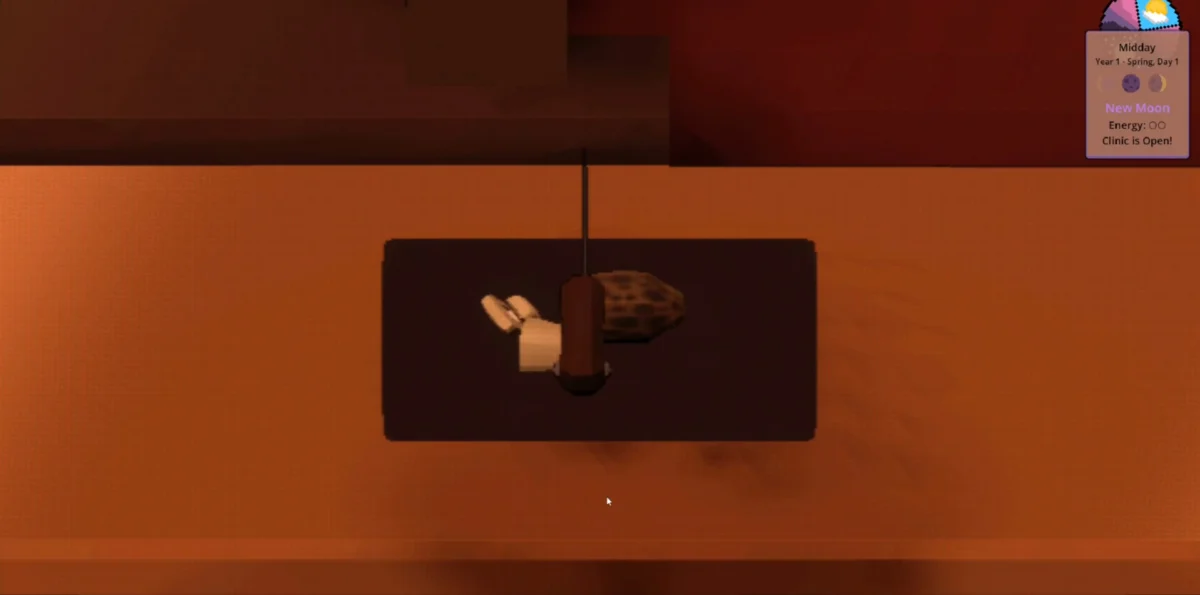
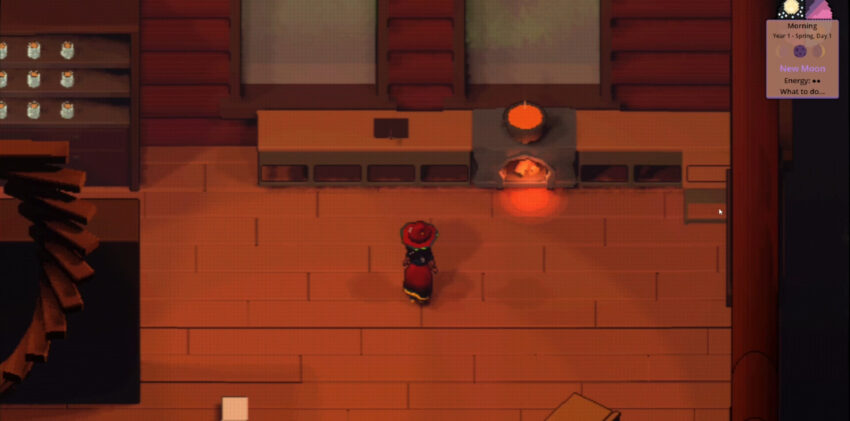
Kitch Witch moves away from menu-based crafting. By requiring players to manually process ingredients—chopping, grinding, and stirring—the game taps into the "ASMR" (Autonomous Sensory Meridian Response) trend. This focus on the process rather than just the result is becoming a hallmark of high-quality indie simulators.
3. Ethical Simulation
By introducing characters who cannot pay, Kitch Witch explores the concept of mutual aid. This adds a layer of social commentary rarely seen in the genre. It asks the player: Is your magic a business or a service? This tension between sustainability (buying more seeds) and altruism (helping the poor) provides a sophisticated narrative hook that elevates the game above a simple "shop-keeper" sim.
4. The "Steam Wishlist" Economy
The developers’ strategy of releasing a pre-alpha trailer and attending conventions before announcing a release date reflects the modern reality of indie publishing. For a game like Kitch Witch, "Wishlist" numbers are the primary currency used to secure publishing deals or funding for the final stages of development. The positive reception at Game Con Canada suggests that the game has successfully captured the "aesthetic" market that drives discovery on platforms like TikTok and Instagram.
Conclusion
Kitch Witch is shaping up to be a significant entry in the 2025/2026 indie calendar. By focusing on the quiet, methodical work of a village witch, it offers a compelling alternative to the fast-paced nature of modern gaming. It treats the act of making a potion not as a chore, but as a craft, and treats the NPCs not as quest-givers, but as neighbors.
As the game moves toward its next phase of development, the industry will be watching closely to see if it can balance its cozy vibes with the mechanical depth promised in its pre-alpha build. For now, interested players can follow the development journey and add the title to their Steam Wishlists, awaiting the day they can finally step into the kitchen and begin their magical practice.