Reimagining the Village Sim: Littlehaven and the Evolution of the Cozy Genre
The landscape of independent gaming has undergone a seismic shift over the last decade. Where high-octane action and competitive shooters once dominated the spotlight, a quieter, more reflective movement has taken root: the "cozy game." Defined by low-stress environments, community-building mechanics, and aesthetic satisfaction, this genre has found its latest champion in Littlehaven.
Showcased at Gamescom 2024, Littlehaven is more than just a decoration simulator; it is a profound exploration of community agency and the emotional impact of urban design. Developed with a focus on creative freedom and narrative depth, the game invites players to step into the shoes of a village designer tasked with transforming a humble settlement into a thriving, personalized sanctuary.
Main Facts: The Core Architecture of Littlehaven
At its heart, Littlehaven is a village management and decoration simulator that eschews the traditional pressures of resource management in favor of creative expression. Players arrive in a small town as a "handy person," but their role quickly evolves into that of a visionary architect for the entire community.
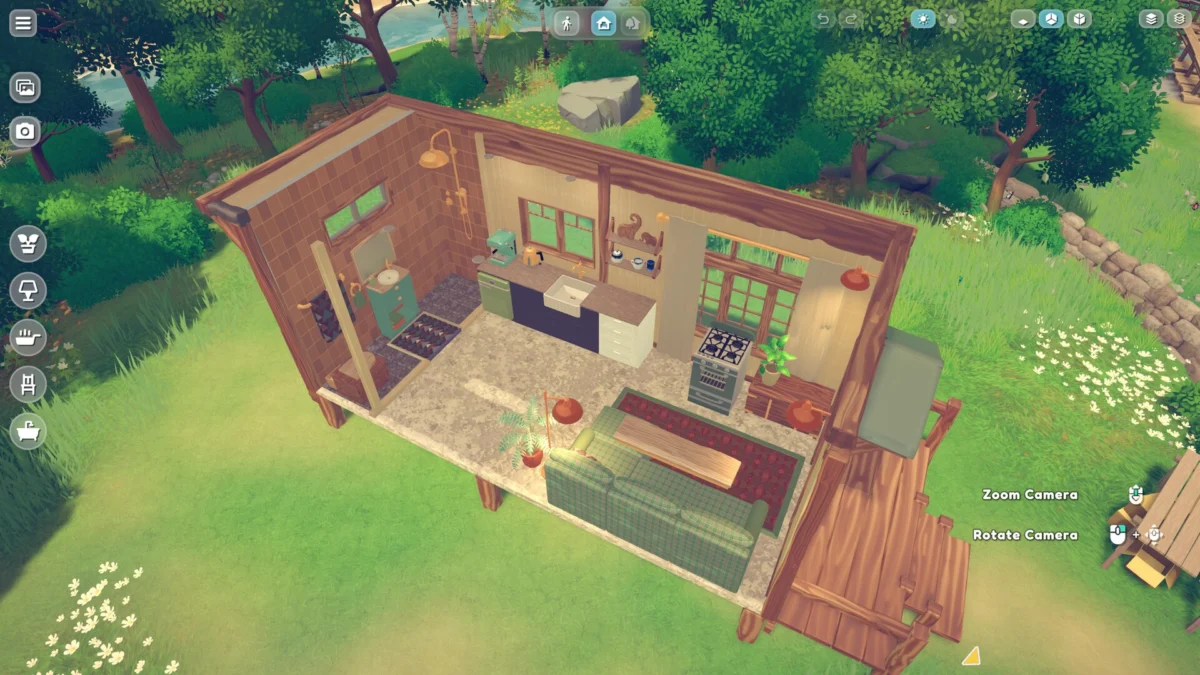
The game’s primary USP (Unique Selling Proposition) lies in its rejection of the "grid system" that has historically constrained building simulators. In titles like The Sims or Animal Crossing, objects are often restricted to specific tiles or axes. Littlehaven breaks these chains, allowing players to rotate, scale, and recolor every piece of furniture and environmental asset. This level of granular control ensures that no two villages look alike, fostering a sense of ownership rarely seen in the genre.
Key features revealed include:
- Grid-Free Placement: Total freedom to position objects anywhere, allowing for organic, cluttered, or minimalist designs.
- Scaling and Customization: The ability to resize items and tweak color palettes to fit specific themes.
- Dynamic Community Growth: As the village’s aesthetic and utility improve, new residents arrive, each bringing their own backstories and requests.
- Narrative Discovery: A hidden history woven into the environment, waiting to be uncovered through interaction and exploration.
Chronology: From Concept to Gamescom Showcase
The journey of Littlehaven reflects the broader maturation of the indie development scene. While the "cozy" movement gained mainstream momentum during the 2020 pandemic—led by the cultural phenomenon of Animal Crossing: New Horizons—the developers of Littlehaven sought to address the limitations players often felt in those titles.
The Development Phase
Early development focused on the engine’s physics and placement logic. The goal was to create a "tactile" feel where moving a chair or planting a tree felt intuitive rather than technical. By mid-2023, the focus shifted to the narrative layer—ensuring that the village wasn’t just a dollhouse, but a living entity with residents who reacted to the player’s choices.
The Gamescom 2024 Reveal
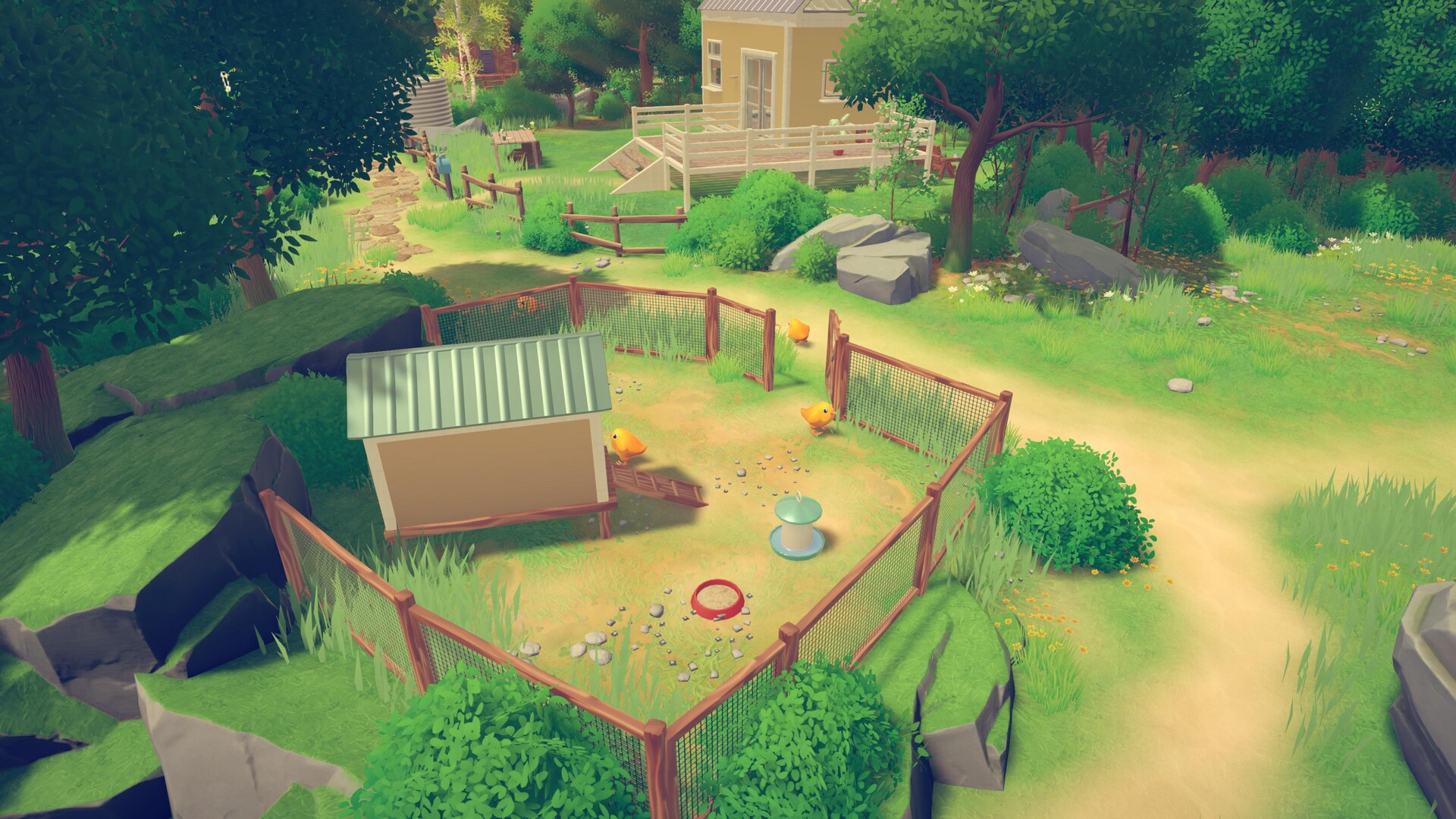
The game’s presence at Gamescom served as its formal introduction to the global stage. Unlike many titles that rely on cinematic trailers, the Littlehaven booth emphasized hands-on gameplay. Journalists and attendees were given the freedom to experiment with the decoration tools, witnessing firsthand how the "vibe" of a town shifts as more community-focused areas—such as parks, reading nooks, and communal gardens—are added.
The Future Roadmap
Currently, Littlehaven is in its final polishing stages. While a definitive release date has yet to be announced, the developers have opened the Steam wishlist, signaling that the game is entering the final stretch of its production cycle.
Supporting Data: The Mechanics of Creative Freedom
To understand why Littlehaven is generating buzz among simulation enthusiasts, one must look at the technical data supporting its gameplay loop. The game operates on three primary pillars: The Toolset, The Social Feedback Loop, and The Narrative Progression.
The Toolset: Beyond the Preset
In traditional sims, "customization" often means choosing between three different colors of a sofa. In Littlehaven, the recoloring tool utilizes a more expansive palette, and the scaling tool allows a single asset—say, a potted plant—to serve as either a tiny desk accessory or a massive foyer centerpiece. This reduces "asset fatigue" and encourages players to use their imagination to repurpose items.
The Social Feedback Loop
The game tracks "Community Satisfaction" through the placement of specific zones. Data suggests that players are more engaged when their designs serve a functional purpose. In Littlehaven, listening to a resident’s request for a "quiet place to read" and building a custom library area triggers unique dialogue and unlocks new items. This creates a symbiotic relationship between the player’s creativity and the NPCs’ happiness.
Narrative Progression
Unlike "sandbox" games that lack an end goal, Littlehaven incorporates a lore system. As players expand the town’s borders and renovate old structures, they find journals, artifacts, and environmental cues that explain the town’s origins. This provides a compelling reason to keep building beyond mere aesthetics.
Official Responses: The Developer’s Vision for "Slow Gaming"
During the Gamescom showcase, the sentiment from the development team was clear: Littlehaven is designed to be an antidote to the "gamification of stress."
"We wanted to create a space where the player’s only ‘deadline’ is their own inspiration," one representative noted during a press briefing. "The idea of a ‘Village Designer’ is someone who facilitates joy. In the real world, urban planning is often about efficiency and bureaucracy. In Littlehaven, it’s about what makes a community feel like home."
Critics who played the demo noted the game’s "emotional intelligence." The NPCs do not merely exist as quest-givers; they inhabit the spaces the player creates. If you build a bench overlooking the river, you will eventually find a resident sitting there, watching the sunset. This "official" design philosophy focuses on the psychological rewards of caretaking—a core tenet of the "Slow Gaming" movement.
The developers also addressed the "grid-free" mechanics, stating that it was the most difficult technical hurdle to overcome. "Ensuring that objects don’t clip in a way that breaks the game’s beauty was a priority. We wanted ‘messy’ to look intentional and ‘ordered’ to look professional."
Implications: Littlehaven’s Place in the Modern Market
The emergence of Littlehaven carries significant implications for the gaming industry and the "cozy" subculture.
1. The Death of the Grid
Littlehaven sets a new standard for the genre. As players become more accustomed to the freedom of rotation and scaling, older titles that rely on rigid tile systems may begin to feel dated. We are likely to see a shift in future simulation titles toward this "free-form" style of building, prioritizing player expression over technical simplicity.
2. The Rise of "Kindness Mechanics"
The game reinforces a growing trend where "winning" is defined by community well-being rather than conquest. This has broader implications for the demographic of gaming, attracting older players, non-traditional gamers, and those seeking mental health outlets through digital media.
3. The Indie Influence on Urban Design
There is a fascinating parallel between games like Littlehaven and real-world movements in "Tactical Urbanism." By allowing players to experiment with community spaces, these games foster an appreciation for how physical environments dictate social interaction. It raises the question: could the next generation of real-world architects be inspired by the low-stress, community-first logic of village sims?
4. Economic Viability of the Niche
The success of Littlehaven’s wishlist campaign on Steam proves that there is a massive, underserved market for games that offer depth without violence. For publishers, this signals a shift in where R&D budgets should be allocated—away from "bigger and louder" and toward "deeper and more personal."
Conclusion: A Dream of a Town
Littlehaven represents a sophisticated evolution of the village sim. By stripping away the stress of survival and replacing it with the joy of creation, it taps into a fundamental human desire: to build something meaningful for others.
As we look toward its eventual release, the game stands as a testament to the power of the "cozy" genre to provide more than just a distraction. It provides a canvas. Whether you are meticulously placing a single candle on a bedside table or redesigning the entire town square to better suit the needs of your digital neighbors, Littlehaven reminds us that the best games aren’t always about the destination—they are about the beauty of the village we build along the way.
For those eager to start their journey as a village designer, Littlehaven remains available for wishlisting on Steam, promising a peaceful retreat into a world of your own making.