The Architect of Fear: How ‘Myth of Valderit’ is Redefining Adaptive Psychological Horror
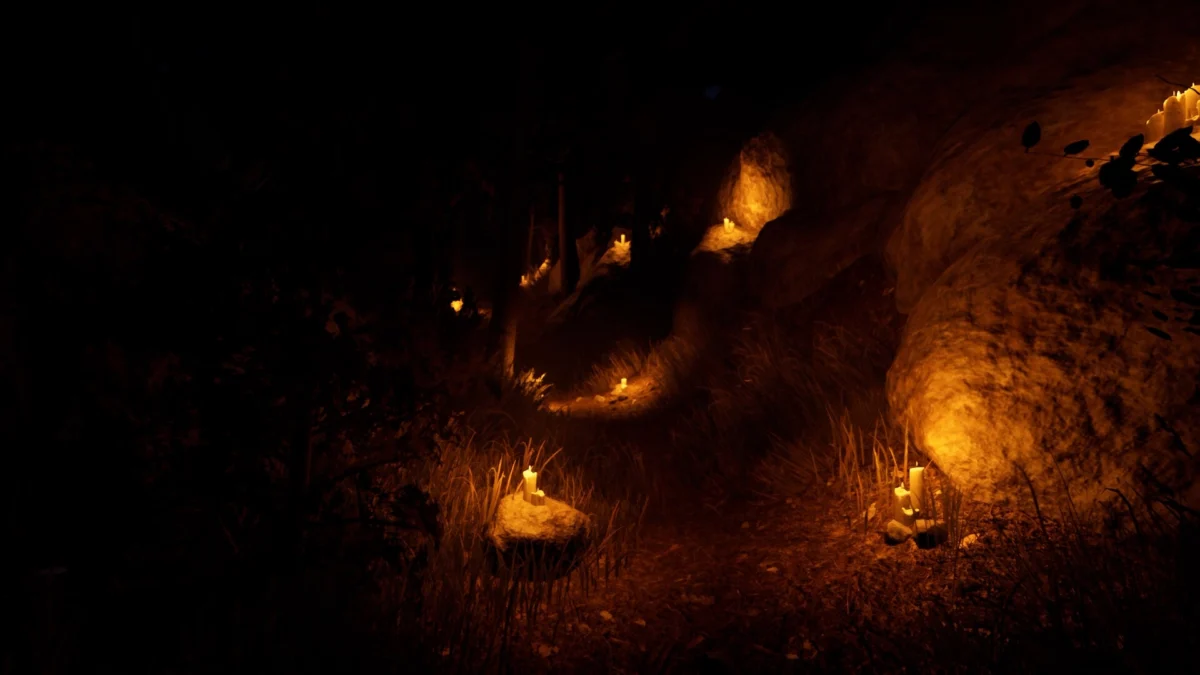
The landscape of psychological horror in gaming is undergoing a seismic shift. No longer content with scripted jump scares and static environments, modern developers are seeking ways to peer directly into the player’s psyche. Standing at the forefront of this evolution is Myth of Valderit, a title that promises to transform the player’s own anxieties into a weapon used against them. Revealed through a chilling demonstration at Pocket Gamer Connects Barcelona, Myth of Valderit introduces a world where the environment is alive, the music is reactive, and an omniscient presence known as "The Writer" scripts a personalized nightmare for every individual who dares to enter its borders.
Main Facts: A Village That Only Exists in the Shadows
Myth of Valderit is an upcoming psychological horror experience that places players in the shoes of Nil, an ordinary individual whose recent string of misfortune culminates in a terrifying supernatural event. While camping in a dense forest with friends, Nil stumbles upon the village of Valderit—a place steeped in local folklore and cursed by a temporal anomaly. According to the myth, the village only manifests under the light of a full moon, existing as a ghost in the landscape during all other times.
The core narrative hook involves Nil’s desperate search for his missing companions, who disappeared shortly after the group entered the village’s proximity. However, the game’s primary innovation lies not in its plot, but in its delivery. The game utilizes an "Adaptive Horror System" governed by an entity called The Writer. This AI-driven mechanic monitors player behavior in real-time, analyzing everything from movement patterns to the time spent staring at specific objects. It then procedurally alters the level design, soundscapes, and atmospheric triggers to exploit the player’s perceived vulnerabilities.
Inspired by the real-life abandoned village of La Mussara in Catalonia, Spain, the game emphasizes exploration, environmental storytelling, and intricate puzzle-solving. Currently developed for PC, the title is available for wishlisting on Steam, with a release window slated for later this year.
Chronology: From Catalan Folklore to Global Recognition
The journey of Myth of Valderit is one rooted in both cultural heritage and technological ambition. To understand the game’s development, one must look at the timeline of its conceptualization and its rise through the indie horror circuit.
Phase 1: The Inspiration of La Mussara
The project began with a focus on regional legends. The developers were captivated by La Mussara, a village in the Tarragona province of Spain that was abandoned in the mid-20th century. Local legends speak of a "Villa del Seis," a portal to another dimension, and a history of unexplained disappearances. This real-world foundation provided the atmospheric blueprint for Valderit, ensuring that the game’s setting felt grounded in a tangible, albeit terrifying, reality.
Phase 2: The Development of "The Writer"
Throughout the mid-development phase, the team shifted focus toward the "Adaptive Horror System." The goal was to move away from the "one-size-fits-all" approach of traditional horror games like Resident Evil or Silent Hill. By integrating a system that could analyze player hesitation, curiosity, and panic, the developers aimed to create a "living" script that evolves as the player progresses.
Phase 3: The Barcelona Reveal
In early 2024, Myth of Valderit was showcased at Pocket Gamer Connects Barcelona. This event served as a critical litmus test for the game’s psychological mechanics. Attendees reported an "on-edge" experience, noting that the game’s dark atmosphere felt uniquely oppressive. The demonstration highlighted how the village’s layout could subtly shift, making the player feel as though the world itself was gaslighting them.
Phase 4: Steam Integration and Playtesting
Following the success at PGC Barcelona, the developers officially opened the Steam page, allowing the community to wishlist the title. To fine-tune the Adaptive Horror System, a request-based playtest was launched, inviting horror enthusiasts to provide data that would help "The Writer" become even more proficient at identifying human fear.
Supporting Data: The Mechanics of Adaptive Terror
What separates Myth of Valderit from its peers is the technical sophistication of its internal systems. To achieve a 1,200-word depth of understanding, we must examine the three pillars of its gameplay: The Writer, Environmental Storytelling, and Psychological Profiling.
The Writer: An Omniscient AI
The Writer is not merely a narrative device; it is the game’s engine. It operates on a feedback loop:
- Observation: The system tracks player telemetry—where they look, how long they stay in lighted areas, and their reaction speed to sudden noises.
- Analysis: The AI categorizes the player’s "fear profile." Does the player fear the unknown (darkness), or are they more unsettled by physical pursuit?
- Execution: The game alters the environment. If a player shows a preference for staying in well-lit rooms, The Writer might slowly dim the light sources or place subtle, unsettling visual cues in the shadows to force the player back into the dark.
Environmental Design and Audio
The game’s aesthetic is built on "Liminal Horror"—the feeling of being in a place that should be occupied but is eerily empty. Using high-fidelity assets to recreate the crumbling stone architecture of Catalan villages, the developers have created a visual style that feels heavy and damp. The audio design is equally adaptive; the soundtrack isn’t just a loop but a generative score that swells and deconstructs based on the tension levels identified by The Writer.
Puzzle-Solving as a Survival Tactic
Unlike "walking simulators," Myth of Valderit requires active engagement. Players must find items that tell the story of the village’s original inhabitants to solve puzzles that unlock new areas. These puzzles are often tied to the lunar cycle mechanic, requiring players to manage their time and resources before the "full moon" phase ends and the village—along with the player—potentially vanishes.
Official Responses: The Vision Behind the Veil
While the developers have remained somewhat enigmatic to preserve the game’s mystery, their presentations at PGC Barcelona and various devlogs offer insight into their philosophy.
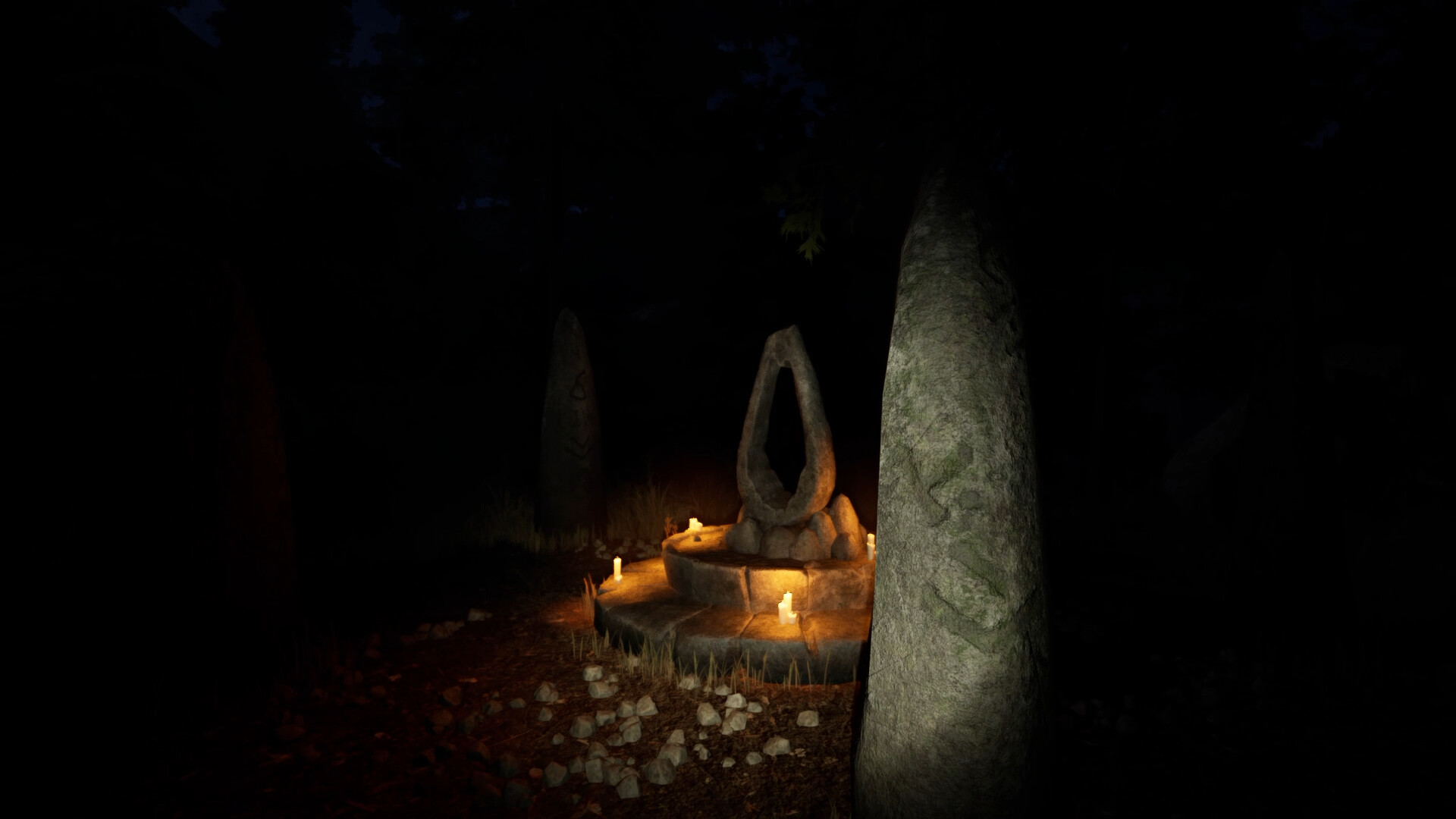
In a statement regarding the game’s inspiration, the design team emphasized the importance of place:
"We wanted Valderit to feel like a character in its own right. By using La Mussara as a reference, we aren’t just making a scary map; we are inviting players into a piece of history that has been reclaimed by shadows. The goal is to make the player feel like an intruder in a world that has its own rules."
Regarding the AI system, the lead programmer noted:
"The Writer is meant to be a mirror. If you find the game becoming increasingly unbearable, it is because the system has found what you are trying to hide. We are moving toward a future where horror is no longer a static experience, but a conversation between the game and the player’s subconscious."
Industry analysts who previewed the game have praised its "restrained" approach to horror. Rather than relying on loud noises, the game focuses on "micro-adjustments" to the environment—a door that was closed is now slightly ajar; a painting that was on the left is now on the right. These subtle changes, driven by The Writer, create a persistent sense of dread that is often more effective than traditional scares.
Implications: The Future of the Genre
The release of Myth of Valderit carries significant implications for the indie gaming industry and the horror genre at large.
1. The Democratization of AI in Game Design
Myth of Valderit demonstrates that sophisticated, reactive AI isn’t exclusive to AAA studios with massive budgets. By focusing AI on psychological profiling rather than just combat maneuvers, indie developers can create highly replayable and deeply personal experiences that rival the production value of larger titles.
2. Personalized Media
As we move further into the decade, the concept of "Personalized Horror" could become a standard. Much like how social media algorithms curate content to keep users engaged, horror algorithms like The Writer curate fear to keep players immersed. This raises interesting ethical and artistic questions about the limits of "tailored" entertainment.
3. Cultural Preservation Through Horror
By utilizing the legend of La Mussara, the developers are participating in a form of "digital folklore preservation." They are taking localized, oral traditions and translating them into a medium that can be experienced globally. This suggests a burgeoning trend where horror games serve as interactive archives for the world’s most unsettling regional myths.
4. Psychological Resilience
On a more experimental level, games like Myth of Valderit serve as a form of exposure therapy or psychological testing. They challenge players to confront their own behavioral patterns in high-stress environments. The data gathered from "The Writer" could, in theory, provide insights into human behavior and fear responses that extend beyond the realm of entertainment.
Conclusion: Preparing for the Full Moon
As the release date for Myth of Valderit approaches, the buzz within the horror community continues to grow. It is a game that promises to be as much a psychological study as it is a survival challenge. For players like Nil, the village of Valderit is a trap born of bad luck and ancient curses. For the player behind the screen, however, it is a playground of the mind, orchestrated by a "Writer" who knows them better than they know themselves.
Whether you are a fan of traditional ghost stories or a tech enthusiast interested in the next frontier of AI, Myth of Valderit is a title to watch. It reminds us that the most terrifying things aren’t necessarily the monsters lurking in the woods, but the fears we carry with us—and the systems that know exactly how to bring them to light.
Availability: Myth of Valderit is currently available for wishlisting on Steam. Interested players can also apply for the ongoing playtest to experience the Adaptive Horror System firsthand before the official launch later this year.