The Architect of Fear: How ‘Myth of Valderit’ is Redefining Psychological Horror Through Adaptive AI
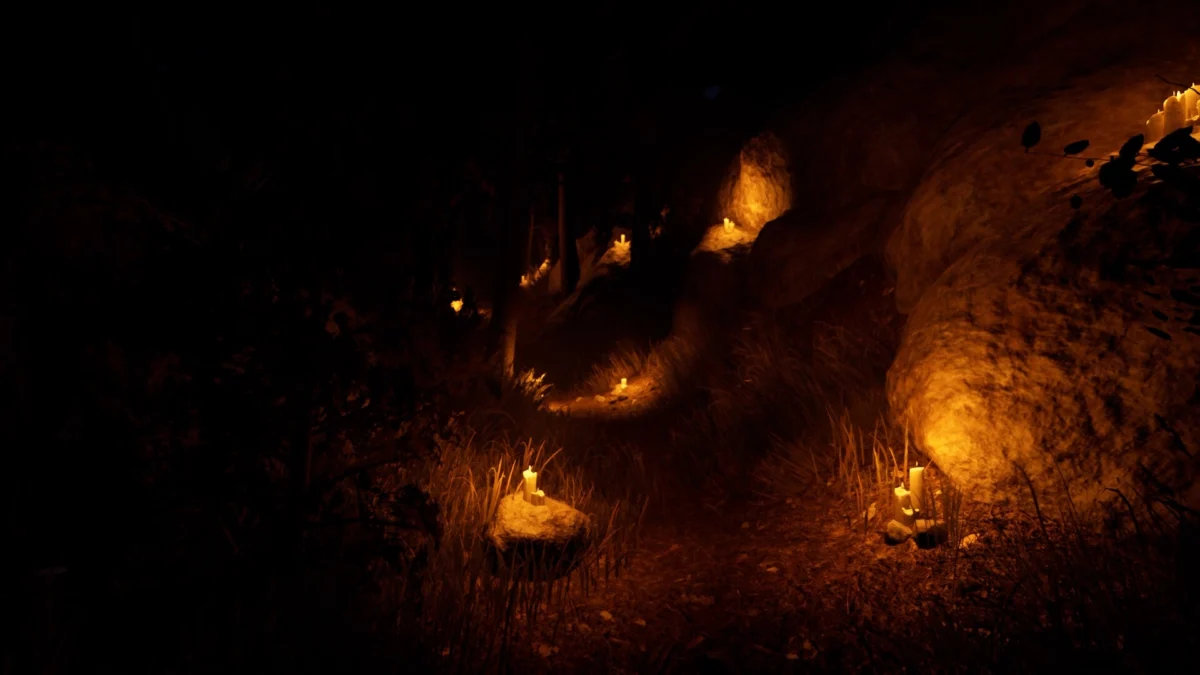
The landscape of independent horror gaming is currently undergoing a paradigm shift, moving away from scripted jump-scares and toward a more insidious, personalized form of terror. At the forefront of this evolution is Myth of Valderit, a psychological horror title that promises to do more than just startle the player—it seeks to understand them. Developed with a focus on atmosphere and player-specific reactivity, the game introduces an omniscient antagonist known as "The Writer," an AI-driven system designed to dismantle the player’s sense of security by analyzing their every move.
Based on recent previews at industry events like Pocket Gamer Connects Barcelona, Myth of Valderit is positioning itself as a landmark title for 2024 and beyond. By blending real-world folklore with cutting-edge adaptive systems, the game challenges the traditional boundaries between the player and the digital environment.
Main Facts: A Village That Only Appears Under the Full Moon
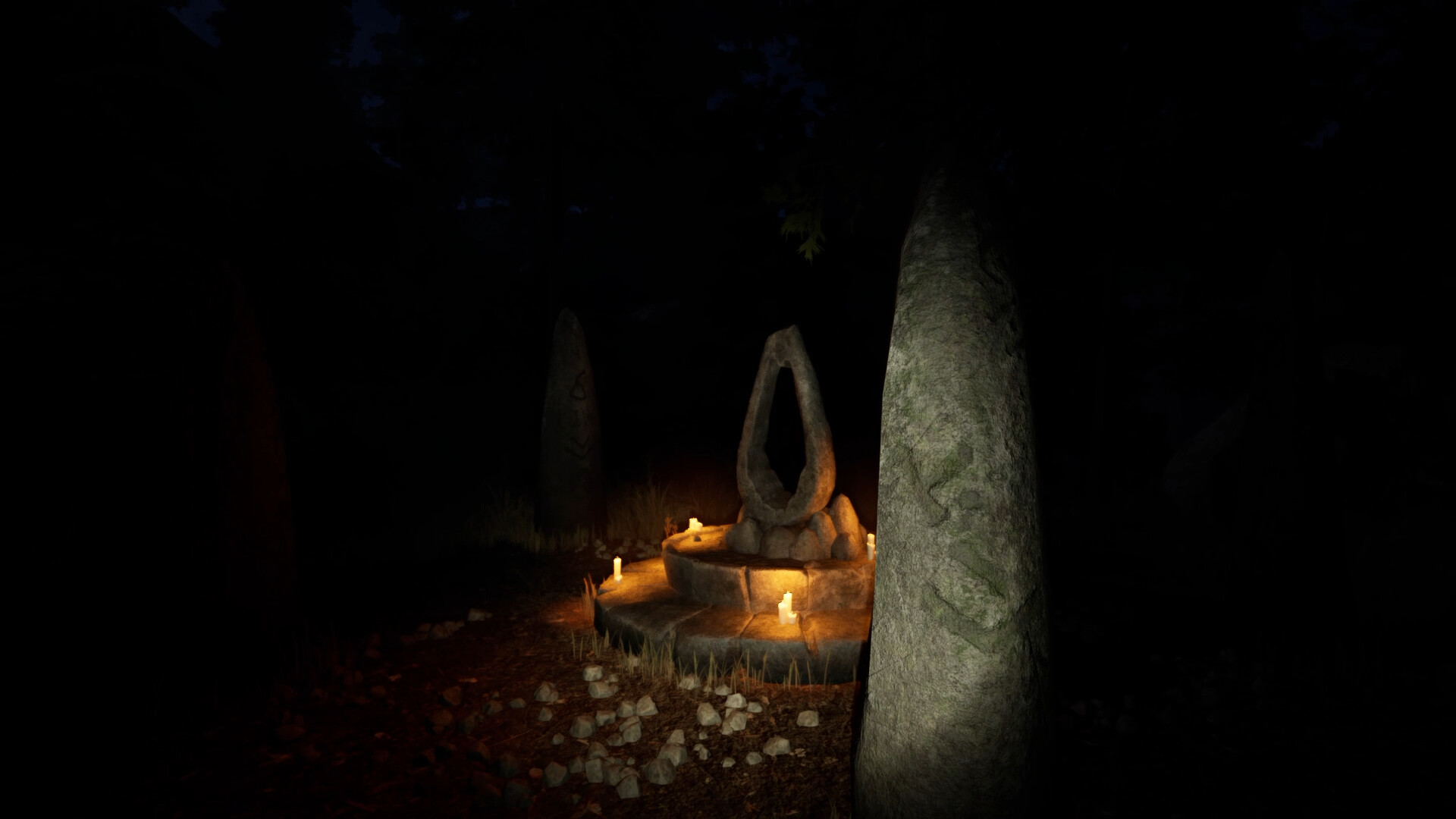
Myth of Valderit places players in the role of Nil, an ordinary individual whose life has been plagued by a streak of misfortune. This narrative setup culminates in a camping trip that goes horribly wrong. While venturing into the woods with a group of friends, Nil discovers that they have inadvertently crossed the threshold into Valderit—a cursed village that, according to local legend, only manifests physically under the light of a full moon.
The core of the game’s tension lies in the disappearance of Nil’s companions. Players are tasked with navigating the decaying streets and spectral architecture of Valderit to locate their missing friends. However, the village is far from empty. The primary antagonist is not a physical monster in the traditional sense, but "The Writer," an omniscient presence that monitors the player’s interactions, movement patterns, and even their hesitation.
Key Features at a Glance:
- Adaptive Horror System: An AI-driven engine that alters level design, music, and atmosphere based on player behavior.
- Real-World Inspiration: The setting is heavily influenced by the abandoned village of La Mussara in Catalonia, Spain.
- Psychological Depth: Focuses on atmospheric dread and puzzle-solving rather than high-action combat.
- Platform and Availability: Currently available for wishlisting on Steam, with active playtests being conducted ahead of its late-year release.
Chronology: From Catalan Legend to Digital Nightmare
The development of Myth of Valderit is rooted in a fascination with "liminal spaces" and European folklore. The project began as an exploration of the psychological impact of isolation, eventually drawing direct inspiration from the real-life mystery of La Mussara.
The Legend of La Mussara
Located in the Tarragona province of Spain, La Mussara has been a ghost town since the 1950s. It is a place steeped in paranormal lore, with hikers frequently reporting disorienting fogs and "time slips." The developers of Myth of Valderit leveraged this historical backdrop to create a setting that feels grounded in reality yet untethered from the laws of physics.
Development Milestones
- Conceptualization (2022-2023): The team focused on building the "Adaptive Horror System," prioritizing the backend AI over visual assets to ensure the game’s core hook—personalized fear—was functional.
- Public Reveal (Early 2024): The first trailers highlighted the "Full Moon" mechanic, where the environment shifts between a standard forest and the cursed village.
- Pocket Gamer Connects Barcelona (August 2024): A playable build was showcased to industry professionals and journalists. This demo emphasized the game’s ability to "read" the player, with many attendees reporting that no two playthroughs felt identical in terms of atmospheric cues.
- Playtest Phase (Current): The developers have opened sign-ups for Steam playtesting, allowing the AI to gather data from a wider variety of playstyles to refine the "The Writer" mechanic.
Supporting Data: The Mechanics of the "Adaptive Horror System"
What differentiates Myth of Valderit from contemporary horror titles like Resident Evil or Silent Hill is its lack of a fixed "scare script." Instead, it utilizes a sophisticated feedback loop that the developers call the Adaptive Horror System.
How "The Writer" Functions
The AI, personified as The Writer, acts as a digital dungeon master. It tracks several metrics in real-time:
- Dwell Time: How long a player stares at specific objects or lingers in certain rooms.
- Navigation Patterns: Does the player hug the walls, or do they walk confidently through the center of a room?
- Interaction Frequency: How often the player checks their inventory or interacts with light sources like candles.
- Auditory Triggers: The system monitors which types of sound effects cause the player to rotate their camera or stop moving.
Environmental Manipulation
Once the AI identifies a player’s "stress triggers," it modifies the game world dynamically. If a player shows a fear of tight spaces (claustrophobia), the level design may subtly shift to narrow the hallways. If a player relies heavily on light, the AI might increase the rate at which candles flicker out or introduce shadows that move just outside the peripheral vision.
The music is also procedural. Rather than looping a standard track, the score reacts to the player’s proximity to "The Writer’s" focus points, layering dissonant tones or rhythmic pulses that mimic a rising heartbeat.
Official Responses: The Creative Vision Behind the Fear
While the developers have maintained a degree of mystery surrounding the full plot, their public statements at PG Connects Barcelona shed light on the philosophical underpinnings of the project.
A lead designer for the project stated: "We didn’t want to create a game that players could ‘solve.’ In many horror games, once you understand the enemy’s AI pathing, the fear evaporates. With ‘The Writer,’ the enemy is essentially the player’s own subconscious. By changing the atmosphere and the level layout based on how you play, we ensure that the village of Valderit remains an unpredictable, living entity."
The team also emphasized the importance of the Catalan setting. By using La Mussara as a blueprint, they aimed to honor the "cultural DNA" of Spanish ghost stories. "There is a specific kind of loneliness found in abandoned Mediterranean villages—the sun-bleached stone, the silence of the mountains. We wanted to capture that and then twist it into something nightmarish when the moon rises."
Implications: The Future of AI in the Horror Genre
The release of Myth of Valderit comes at a pivotal moment for the gaming industry, as developers increasingly look toward Artificial Intelligence to enhance player immersion. The implications of this technology are twofold:
1. The End of the "Walkthrough" Culture
Traditionally, horror games lose their potency once "Let’s Play" videos and walkthroughs saturate the internet. However, with an adaptive system like Myth of Valderit’s, a guide can only provide the broad strokes of the puzzles. The actual experience—the scares, the lighting, and the psychological pressure—remains unique to the individual. This could lead to a resurgence in the "water cooler" effect, where players compare vastly different experiences of the same game.
2. Ethical and Psychological Engagement
As games become more adept at identifying and exploiting human fears, a new conversation regarding player well-being may emerge. Myth of Valderit pushes the envelope of "psychological" horror by making the player’s behavior the catalyst for the terror. This level of engagement creates a more profound sense of "presence," but it also requires a delicate balance from the developers to ensure the experience remains "fun" rather than genuinely traumatic.
3. A New Standard for Indie Developers
The success of Myth of Valderit could signal a shift in how indie studios compete with AAA titles. Rather than competing on graphical fidelity alone, indie developers are finding success through mechanical innovation. By focusing on a "smart" environment rather than a "large" one, the creators of Myth of Valderit are demonstrating that a focused, highly reactive experience can be more impactful than a sprawling, static open world.
Conclusion: Preparing for the Full Moon
Myth of Valderit represents a sophisticated convergence of folklore and technology. By placing the player in the crosshairs of an omniscient "Writer," the game transforms the act of play into a dialogue between the user and their own anxieties. As the release date approaches later this year, the horror community remains eager to see if the game can deliver on its promise of a truly personalized nightmare.
For those brave enough to enter the cursed village early, the Steam playtest offers a glimpse into the shadows of Valderit. For everyone else, the full moon is rising, and Nil’s journey is just beginning. In a world where the game is watching you as closely as you are watching it, the only question that remains is: what will The Writer discover about you?
Release Information:
- Myth of Valderit
- Genre: Psychological Horror / Adventure
- Developer: [Studio Name – Pending Official Confirmation]
- Platform: PC (Steam)
- Release Window: Late 2024 / Early 2025