Speculative Fiction’s Late-Summer Surge: A Comprehensive Guide to the Week of August 25, 2026
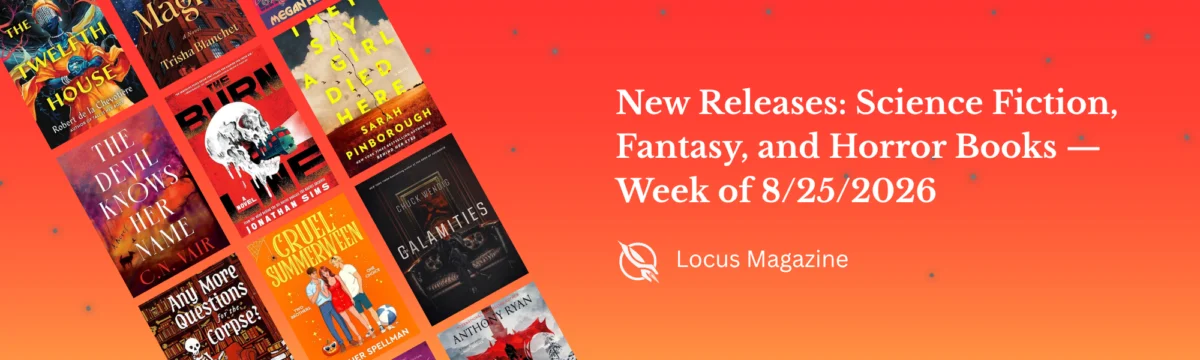
The final weeks of August 2026 have ushered in a significant wave of new releases across the speculative fiction landscape, marking one of the most diverse and high-volume periods for the genre this year. From the return of high-fantasy legends to the emergence of highly anticipated debuts in the "romantasy" and "eldritch horror" subgenres, the week of August 25, 2026, serves as a microcosm of the current state of publishing: a blend of established intellectual property and bold, experimental new voices.

As the industry pivots toward the autumn season, these releases—spanning horror, science fiction, and various shades of fantasy—highlight a growing trend toward cross-genre experimentation and the revitalization of classic tropes through modern, diverse lenses.

Main Facts: A Robust Slate for the Speculative Market
The release slate for August 25, 2026, includes nearly 30 major titles from a wide array of publishers, including "Big Five" imprints like Penguin Random House’s Del Rey and HarperCollins’ Greenwillow, as well as specialized genre houses such as Orbit, Tor/Bramble, and Titan Books.

The week is characterized by three distinct movements:

- The Return of Titans: Landmark entries from Terry Brooks, Anthony Ryan, and Chuck Wendig provide a foundation for epic fantasy and horror fans.
- The Debut Boom: An unusually high number of first novels are hitting the shelves, particularly in the urban fantasy and dark romance sectors.
- Genre Hybridization: Titles such as Murder Like Magic (Urban Fantasy Mystery) and Demons and Diplomacy (Victorian Fantasy Romance) demonstrate the continuing market dominance of hybrid genres that appeal to multiple reader demographics simultaneously.
The formats remain varied, with a heavy emphasis on simultaneous releases across hardcover, ebook, and audiobook platforms, reflecting a consumer base that increasingly demands multi-modal access to new stories.

Chronology of Releases: A Genre-by-Genre Breakdown
The following titles represent the core of the August 25–27 release window, organized by their thematic contributions to the field.

Horror and Gothic Thrillers: From Folk Roots to Urban Nightmares
Leading the horror charge is Jake Arnott’s Netherwood (Titan Books UK), a folk-horror exploration set in Hastings. The narrative centers on the discovery of a "witch bottle" linked to blood magic—a classic occult trope revitalized through Arnott’s atmospheric prose.

In a more contemporary setting, Jonathan Sims (of The Magnus Archives fame) releases The Burn Line (Poisoned Pen). Sims continues his exploration of psychological and communal trauma, focusing on five strangers trapped in a London tube car who become witnesses to an unspeakable event they cannot remember.

Sarah Pinborough adds to the gothic horror landscape with They Say a Girl Died Here (Flatiron/Pine & Cedar), a rural thriller involving a town haunted by a killer known as "the farmhandman." Additionally, C.N. Vair makes a notable debut with The Devil Knows Her Name (Berkley), a dark fantasy-horror hybrid set in Appalachia that explores the price of immortality and a deal with the devil.

Epic and High Fantasy: Legacy and New Foundations
For fans of traditional epic fantasy, the week is anchored by Terry Brooks’ Brona (Del Rey). As the second book in The First Druids of Shannara series, Brooks continues to expand the foundational lore of his long-running Shannara universe, focusing on the rise of a sorcerer more powerful than any previously seen in the Four Lands.

Anthony Ryan also returns with Upon the Forge of Battle (Orbit), the second installment in his Age of Wrath series. Ryan’s work remains a cornerstone of the "grimdark" evolution, focusing on Queen Thera Blackspear and the divine weapons required to protect her realm.

In a more whimsical yet high-stakes vein, S. Hati’s The Carousel of Forgotten Places (Angry Robot) introduces an immortal timekeeper managing a fair at the edge of time, dealing with the existential threat of "time rot."

The "Romantasy" and YA Expansion
The "Romantasy" (Romance/Fantasy) phenomenon continues to show no signs of slowing down. T. Kingfisher (Ursula Vernon) releases Daggerbound (Tor/Bramble), a story of a scholar and an immortal warrior that blends Kingfisher’s signature wit with a high-stakes romantic plot.

Stephanie Binx debuts with Hellbound (The Quick Brown Fox/Alcove), a dark romantasy where demons offer humans money to retrieve artifacts from hell. Meanwhile, Rae Carson offers a young-adult entry with Monster, Monarch, Maiden (Greenwillow), a survival story involving a mountain raid and a mysterious rescue quest.

Science Fiction: Societal Speculation
The science fiction offerings this week lean toward the sociological. Ian Patterson’s The Fruits of Our Labor (Shiraki Press) presents a provocative near-future (2049) where asexual reproduction has become the legal norm, leading to the functional obsolescence of men and subsequent national protests.

On a more interstellar scale, Katharine Kerr’s Zyon (Arc Manor/Caezik) deals with themes of exile, religious fanaticism, and planetary revenge, marking a return to the classic space opera format with a focus on political consequences.

Supporting Data: Pricing and Accessibility
The pricing structure for this week’s releases indicates a stabilizing market for hardcover and trade paperback editions. Hardcovers are largely holding at the $28.00 to $32.00 range (e.g., Chuck Wendig’s The Calamities at $32.00), while trade paperbacks have become the standard for many debuts and mid-list titles, typically priced between $18.99 and $20.00.

Digital accessibility remains a priority, with nearly 100% of the listed titles offering simultaneous ebook and audiobook releases. This reflects the industry’s adaptation to "commuter consumption," where audiobooks now account for a significant percentage of first-week revenue for speculative fiction.

Furthermore, many of these titles—such as Sylvie Cathrall’s The Art of Charming a Changeling and Anthony Ryan’s Upon the Forge of Battle—are seeing simultaneous releases in both the US and UK markets, a strategy designed to combat digital piracy and maximize global marketing campaigns.

Official Responses and Industry Trends
While major publishers have not issued formal "press releases" for the collective week, the curation of these titles by Locus Magazine and their placement on platforms like Bookshop.org suggest a concerted effort by the industry to support independent bookstores.

Industry analysts note that the high volume of debuts this week (including those by Trisha Blanchet, Robert de la Chevotière, Victor Ladis Schultz, and Kate Shay) signals a "talent refresh" within the genre. Publishers are moving away from a reliance solely on established names and are instead investing in "own voices" narratives and mythologies that have been historically underrepresented.

For instance, Robert de la Chevotière’s The Twelfth House (Erewhon) is being hailed by early reviewers for its integration of West African mythology into a historical magical realism framework. Similarly, Victor Ladis Schultz’s The Book of the Jaguar (Fairwood Press) brings Latin American fantasy tropes to the forefront of the epic fantasy conversation.

Implications: The Future of Speculative Fiction
The implications of this week’s release slate are twofold. First, it confirms that the "Cozy Fantasy" trend—exemplified by Kat Hillis and Rosiee Thor’s Summer Coven and Mai Mochizuki’s Dreamers of the Full Moon Coffee Shop—is no longer a niche fad but a permanent sub-category of the market. These stories, which prioritize character relationships and low-stakes mysteries over world-ending wars, provide a necessary counterbalance to the "grimdark" and horror titles released in the same window.

Second, the week highlights the blurring of the line between "literary" and "genre" fiction. Titles like Donyae Coles’ The Sunken, the Adored—a historical eldritch horror set in Venice—use genre elements (horror, the supernatural) to explore deep-seated themes of enslavement, class, and friendship.

As we move toward 2027, the speculative fiction market appears to be bifurcating: on one side, we have the massive, 500+ page epics like Jennifer Delaney’s Tales of a Treacherous Fate and Chuck Wendig’s The Calamities; on the other, we have the tight, focused novellas and short novels like Ian Patterson’s The Fruits of Our Labor. This variety ensures that the genre remains accessible to both the "binge reader" and the casual fan, securing speculative fiction’s place as the most vibrant sector of modern publishing.

About Locus: Locus Magazine remains a vital resource for the science fiction and fantasy community. As a non-profit entity, it relies on reader support and donations to maintain its extensive coverage of the field without the use of paywalls. Readers are encouraged to support their local bookstores via platforms like Bookshop.org when purchasing the titles mentioned in this report.