Speculative Fiction Flourishes: A Deep Dive into the Latest Releases Shaping the Genre
The speculative fiction landscape is experiencing a vibrant resurgence, with an impressive array of new and forthcoming releases poised to captivate readers throughout 2026. From near-future utopias fraught with unsettling secrets to multi-dimensional mysteries, Southern gothic horrors, and poignant end-of-world narratives, the genre continues to demonstrate its remarkable versatility and capacity for profound exploration. This year’s lineup, featuring works from both celebrated authors and emerging voices, promises a rich tapestry of stories that challenge perceptions, ignite imagination, and reflect on the complexities of human and artificial existence.
Main Facts: A Diverse Harvest of Imagined Worlds
The literary calendar for 2026 is punctuated by a steady stream of releases spanning science fiction, fantasy, and horror, each bringing a unique perspective to the speculative canon. This wave of publications underscores a dynamic period for the genre, characterized by intricate world-building, compelling character arcs, and a willingness to confront pressing societal questions through imaginative lenses. Readers can anticipate delving into narratives that explore the ethical dimensions of AI and utopian societies, unravel mysteries that transcend time and space, brave the chilling depths of historical horror, and embark on deeply personal journeys against apocalyptic backdrops. The sheer breadth of these offerings highlights speculative fiction’s enduring appeal as a mirror to our anxieties and aspirations, as well as a window into boundless possibilities.
Chronology of Anticipated Releases: A Year in Speculative Fiction
The releases scheduled for 2026 are strategically spread across the year, ensuring a continuous stream of fresh narratives for enthusiasts. Each month brings new worlds to discover and new perspectives to ponder, showcasing the genre’s robust health and the prolific output of its authors.

March 2026: Foundations of Reality and Southern Shadows
March kicks off with two compelling titles that establish a thematic contrast for the year. Mahbod & Mahyar A. Amouzegar’s Tomorrow Brings Joy: Elysium (University of New Orleans Press) plunges readers into a seemingly perfect near-future where humans and androids coexist. The narrative, however, swiftly introduces an undercurrent of unease as protagonists Dolores and her android companion KR stumble upon the "Walled City," a parallel social experiment that threatens to unravel the carefully constructed facade of Elysium’s origins. This work promises a timely examination of artificial intelligence, societal control, and the often-fragile nature of perceived utopias.
In stark contrast, T. Kingfisher’s Wolf Worm (Nightfire) transports readers to a chilling 1899 North Carolina. This Southern gothic horror novel introduces Sonia Wilson, a scientific illustrator whose commission to document a reclusive scientist’s insect collection quickly descends into a nightmarish discovery. Kingfisher, known for her unique blend of folklore, horror, and dark humor, is set to deliver a suspenseful tale that leverages historical settings to amplify its terrifying revelations.

April 2026: Minds, Mysteries, and Morphing Worlds
April continues the genre’s rich offerings with titles that push the boundaries of perception and reality. S.L. Huang’s The Language of Liars (Tordotcom) presents a fascinating SF novella centered on body-jumping, linguistics, and espionage. Reo, a member of an empathic species, undertakes a perilous mission: to infiltrate the minds of the Star Eaters, an enigmatic species whose dying out poses an existential threat to interstellar travel. Huang’s work delves into the profound implications of communication, identity, and the dark secrets that can underpin galactic stability.
Also in April, Cameron Reed’s What We Are Seeking (Tor) offers an SF mystery/adventure novel set on the enigmatic planet Scythia. Abandoned and forced to adapt, protagonist John Maraintha navigates a world where "survival means transformation," encountering bizarre flora, predatory creatures, and a peculiar social custom called "marriage." Reed’s novel promises a journey of discovery and adaptation, questioning the nature of identity and belonging in an alien environment.

May 2026: Galactic Politics, Post-Apocalyptic Resilience, and Interdimensional Whimsy
May emerges as a particularly prolific month, showcasing the genre’s diverse range. Andrea Hairston’s The Redemption Center Is Closed on Sundays (Tor) delivers a multi-dimensional SF mystery novel. Set in a small town grappling with the murder of a local celebrity and a mysterious building where time and dimensions converge, the story features an unlikely detective: Oona, an inter-dimensional traveling St. Berdoodle. Hairston’s narrative is expected to be a playful yet poignant exploration of community, eccentricity, and the hidden forces that shape our realities.
Ann Leckie expands her acclaimed Imperial Radch universe with Radiant Star (Orbit US), a standalone SF novel. Set in a world where the Temporal Location of the Radiant Star holds ancient religious significance, the narrative explores the complications that arise when an individual is chosen to become a "living saint" among mummified bodies. Leckie’s signature intricate character work and nuanced societal commentary are anticipated to shine through in this exploration of faith, identity, and belonging.

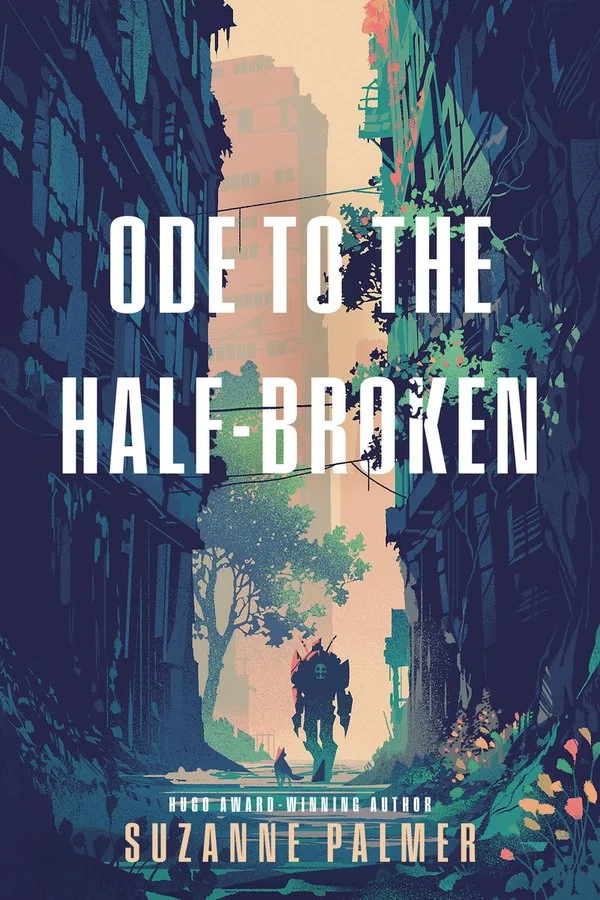
Suzanne Palmer’s Ode to the Half-Broken (DAW) offers a hopeful post-apocalyptic SF novel. The story centers on an old ex-assassin robot, who, after decades of hiding in the ruins of the New York Botanical Gardens, is forced to re-engage with the outside world. A quest to recover his stolen leg leads him to an unlikely alliance with a human mechanic and a chatty cyborg dog, promising a tale of resilience, unexpected friendships, and the enduring spirit of life amidst ruin.
Finally for May, Nghi Vo’s A Long and Speaking Silence (Tordotcom) returns to the beloved Singing Hills Cycle with a fantasy novella. This prequel delves into the earliest days of wandering cleric Chih and their hoopoe companion Almost Brilliant, as they navigate a refugee crisis and unravel a profound mystery. Vo’s evocative prose and intricate world-building continue to enchant, offering a deeper look into the lore of this acclaimed series.
June 2026: Conversations That Define a Genre

June introduces a different, yet equally vital, facet of speculative fiction with James Machell’s Human Voices, Alien Conversations (Space Cowboy). This non-fiction collection compiles 16 interviews on writing and SF, conducted by Machell. Featuring an intriguing mix of authors, artists, critics, and editors—from legends like Samuel R. Delany and John Clute to contemporary voices like Ken Liu and Ai Jiang—the book offers invaluable insights into the craft, philosophy, and evolution of the genre. It’s a meta-commentary that promises to enrich the understanding of both seasoned readers and aspiring creators.
Later 2026: Existential Road Trips and Digital Nightmares
Rounding out the year’s offerings are two powerful narratives that tackle existential themes. TJ Klune’s We Burned So Bright (Tor 2026) is a cozy end-of-the-world SF short novel. It follows two gay men, together for 40 years, who embark on a final road trip from Maine to Washington state as a wandering black hole approaches. Their journey to take care of unfinished business leads them through a "kaleidoscope of characters," promising a poignant, character-driven exploration of love, legacy, and the human spirit in the face of oblivion.

Paul Tremblay’s Dead but Dreaming of Electric Sheep (Publisher not specified in original, but implied to be a major publisher given his other works) presents a near-future SF horror novel with darkly humorous undertones. The story follows a female gamer who takes a temporary job piloting a comatose man across the country using a game-like controller. The man, whose brain houses advanced AI tech, is simultaneously tortured by surreal nightmares, blending psychological horror with a compelling near-future premise that echoes classic philosophical SF.
Supporting Data: Deep Dives into Narrative Innovation
The diversity of these releases is not merely in genre, but in the specific narrative innovations each author brings to the table.
Mahbod & Mahyar A. Amouzegar’s Tomorrow Brings Joy: Elysium directly confronts the increasingly relevant discourse around artificial intelligence and the promise—or peril—of technologically advanced societies. The concept of Elysium as a "utopian society where humans and androids coexist" immediately sets up a dramatic tension that the discovery of the "Walled City" is designed to exploit. This structure allows the authors to explore the ethical dilemmas inherent in controlling societal narratives and the potential for hidden truths to destabilize even the most meticulously planned futures.

Andrea Hairston’s The Redemption Center Is Closed on Sundays stands out with its audacious premise, blending multi-dimensional travel with a small-town murder mystery. The inclusion of an "inter-dimensional traveling St. Berdoodle named Oona" as the sole witness adds a layer of whimsical charm to what could otherwise be a somber tale. As Maya C. James notes, the book’s "playful premise" is secondary to "misfits, local personalities, and nosy neighbors [being] the beating heart of the book." This suggests a strong focus on community and character, using speculative elements to amplify human drama rather than overshadow it.
S.L. Huang’s The Language of Liars delves into the intersection of science fiction and linguistics, a rich but often underexplored territory. The concept of "body jumping" combined with empathic abilities and the critical need to understand the dying Star Eaters for FTL travel creates a high-stakes espionage thriller. Vanessa Fogg’s description of it as a "tautly plotted spy-thriller-mystery" highlights its genre-bending appeal, offering intellectual depth alongside thrilling action. The novella format itself is a testament to focused storytelling, delivering complex ideas efficiently.
T. Kingfisher’s Wolf Worm continues her tradition of infusing classic horror tropes with contemporary sensibilities. Setting the story in 1899 North Carolina, a Southern gothic backdrop, immediately evokes a sense of dread and isolation. The premise of a scientific illustrator uncovering disturbing truths about a reclusive scientist’s research suggests a slow-burn horror that ratchets up the tension. Gary K. Wolfe’s comment that "Once the pace accelerates and the true nature of [the scientist’s] research becomes clear, those who came for the horror won’t be disappointed" assures readers of a payoff in genuine terror.

TJ Klune’s We Burned So Bright offers a distinctive "cozy end-of-the-world" narrative, a subgenre that finds solace and humanity amidst catastrophe. The focus on a long-term gay couple embarking on a final journey speaks to themes of love, companionship, and finding meaning in the face of inevitable destruction. Klune’s previous works are often characterized by heartfelt emotion and quirky characters, suggesting this novel will use the grand scale of an apocalypse to illuminate intimate human connections.
Ann Leckie’s Radiant Star is significant as a standalone novel set in the beloved Imperial Radch world. This allows new readers to enter her universe without prior knowledge, while offering existing fans a fresh perspective. The premise of a "living saint" in an antiquated religious site, leading to "complications," suggests an exploration of belief systems, power structures, and individual agency within a complex society. Russell Letson’s insight that the book is about "where the various characters land in their attempts to find where they belong, where they can be themselves, where they can be at home" points to a deeply character-driven narrative beneath the sci-fi trappings.
James Machell’s Human Voices, Alien Conversations serves as an essential companion piece to the fiction released this year. By offering "16 interviews on writing and SF," it provides a crucial meta-narrative, allowing readers to peer behind the curtain of creation. The impressive roster of interviewees, spanning multiple generations and disciplines within the SFF community, ensures a rich and varied discussion on the craft, inspirations, and critical reception of speculative fiction. This collection not only celebrates the genre but also fosters a deeper understanding of its practitioners.

Suzanne Palmer’s Ode to the Half-Broken crafts a post-apocalyptic world imbued with a sense of hope and quirky charm. The protagonist, an "old ex-assassin robot" seeking his stolen leg with the help of a "human mechanic and a chatty cyborg dog," creates an endearing and unlikely trio. Paul Di Filippo praises it as a "masterclass in how to write near-future SF that features both an old-school wisdom and charms and a totally contemporary vibe," suggesting a blend of classic sci-fi sensibilities with modern narrative techniques and thematic concerns.
Cameron Reed’s What We Are Seeking builds a truly alien world in Scythia, where "survival means transformation." The concept of plants giving birth to insects, killer trees, and artificial monsters paints a vivid and dangerous ecosystem. The "barbaric custom called marriage" hints at a society with norms radically different from our own, forcing both the protagonist and the reader to re-evaluate familiar concepts. Niall Harrison’s quote, "’Things that are changing are beautiful’ is a recurring phrase… Talking to each other is how we understand this, how we make sure we are fitting the categories to the people, not the people to the categories," suggests a philosophical undercurrent about adaptation, perception, and the fluidity of identity.
Paul Tremblay’s Dead but Dreaming of Electric Sheep ventures into near-future SF horror, a genre that often explores the psychological impact of technology. The premise of a gamer piloting a comatose man whose brain is filled with AI tech and surreal nightmares is a chilling update to classic dystopian themes. Di Filippo’s comparison to "Phildickian ego-unease" and "I Have No Mouth, and I Must Scream"-style mental captivity points to a work that will delve into profound existential dread and the fragility of the human mind in a technologically advanced world.

Nghi Vo’s A Long and Speaking Silence continues the acclaimed Singing Hills Cycle, a series celebrated for its lyrical prose and rich world-building. As a prequel, it offers a fresh entry point while deepening the lore for existing fans. The focus on Chih’s earliest days and a refugee crisis grounds the fantasy in poignant, real-world issues, while the unraveling of a mystery ensures narrative tension. Gary K. Wolfe’s assertion that it "continues to be the most rewarding cycle of novellas I’ve seen in recent years" solidifies its place as a must-read for fantasy enthusiasts.
Official Responses: Critical Acclaim and Genre Impact
The early critical reception for these forthcoming titles paints a picture of a genre not only thriving but also pushing its own boundaries. Reviewers consistently highlight the innovative premises, deep thematic explorations, and compelling characterizations present in this year’s lineup. The consensus emerging from these professional assessments points to a collective effort by authors to engage with complex ideas—from the ethics of AI and utopian societies to the psychological toll of advanced technology and the search for identity in alien or apocalyptic landscapes.
Critics are particularly drawn to the skillful blending of genres, noting how works like Hairston’s The Redemption Center Is Closed on Sundays seamlessly fuse multi-dimensional science fiction with mystery, or how Kingfisher’s Wolf Worm reanimates Southern gothic horror with a fresh, unsettling vision. The ability of authors like Huang to craft "tautly plotted spy-thriller-mystery" within a linguistic SF framework demonstrates the genre’s capacity for intellectual rigor alongside thrilling narrative.

Furthermore, the appreciation for character-driven stories, even amidst grand speculative concepts, is evident. The emphasis on "misfits, local personalities, and nosy neighbors" in Hairston’s work, or the journey of an "old ex-assassin robot" in Palmer’s Ode to the Half-Broken, underscores a critical trend: speculative fiction’s power to illuminate the human (or sentient) condition through extraordinary circumstances. Leckie’s Radiant Star is praised for its exploration of belonging, reinforcing the idea that even in vast galactic empires, individual journeys for self-discovery resonate deeply.
The inclusion of Machell’s non-fiction collection, Human Voices, Alien Conversations, among these releases is itself a significant "official response" from the genre’s internal discourse. It signifies a period of introspection and celebration, allowing the voices that shape speculative fiction to articulate their processes, inspirations, and visions directly. This self-awareness contributes to the genre’s ongoing evolution and critical engagement.
Implications: The Evolving Landscape of Speculative Fiction
The sheer volume and thematic diversity of the 2026 speculative fiction releases carry significant implications for the genre’s future trajectory. Firstly, it underscores the genre’s robust health and its continued relevance as a vehicle for exploring contemporary anxieties and future possibilities. From the ethical quagmires of advanced AI in Tomorrow Brings Joy: Elysium and Dead but Dreaming of Electric Sheep to the environmental and societal transformations depicted in Ode to the Half-Broken and What We Are Seeking, these narratives directly engage with the challenges and questions facing humanity.

Secondly, the blend of established masters like Ann Leckie and T. Kingfisher with highly regarded voices like TJ Klune, S.L. Huang, and Nghi Vo, along with potentially newer talents like the Amouzegars and Cameron Reed, suggests a vibrant ecosystem. This mix ensures both the continuation of beloved series and universes, and the infusion of fresh perspectives and innovative storytelling. The genre is not merely resting on its laurels but actively expanding its creative frontiers.
Thirdly, the thematic threads running through these books—identity, belonging, the nature of consciousness, societal control, and the resilience of the human (and non-human) spirit—demonstrate speculative fiction’s capacity for profound philosophical inquiry. Whether through a "cozy end-of-the-world" road trip or a multi-dimensional murder mystery, these authors are using imaginative premises to delve into universal human experiences. The increasing prominence of works that blend horror, mystery, and fantasy with traditional science fiction also points to a loosening of genre boundaries, fostering more complex and nuanced narratives.
Finally, the critical attention and the insightful commentary provided by publications like Locus Magazine, which originally highlighted these releases, play a crucial role in shaping the discourse around speculative fiction. By offering early insights and critical context, they help readers navigate the vast sea of new publications and identify works that are not only entertaining but also thought-provoking and culturally significant. The 2026 lineup, therefore, is not just a collection of books; it is a testament to the enduring power of imagination and the ever-evolving conversation between creators, critics, and readers within the speculative fiction community. As these new worlds unfold, they promise to enrich our understanding of ourselves and the myriad futures that might await.