The Wiliest Survivor: The Turbulent Journey and Triumphant Release of ‘Coyote vs. Acme’
In an industry often defined by the cold calculus of balance sheets, few stories in recent Hollywood history have been as surreal or as metaphorically resonant as the saga of Coyote vs. Acme. Directed by Dave Green, the film is a live-action and animated hybrid that serves as both a love letter to the golden age of Looney Tunes and a sharp, contemporary satire of corporate negligence. However, for nearly a year, the film’s greatest antagonist wasn’t a defective rocket-powered pogo stick or a giant magnet, but the very studio that commissioned it.
The irony is almost too heavy-handed for a cartoon: a movie about a scrappy underdog suing a heartless, multibillion-dollar conglomerate for prioritizing profit over quality was nearly erased from existence by a multibillion-dollar conglomerate seeking a tax write-off. After a protracted public battle and a near-death experience in the Warner Bros. Discovery archives, Coyote vs. Acme has been rescued by Ketchup Entertainment. As the film prepares for its theatrical debut on August 28, it stands not just as a piece of entertainment, but as a symbol of creative resistance in the age of "content" optimization.
Main Facts: A Legal Battle for the Ages
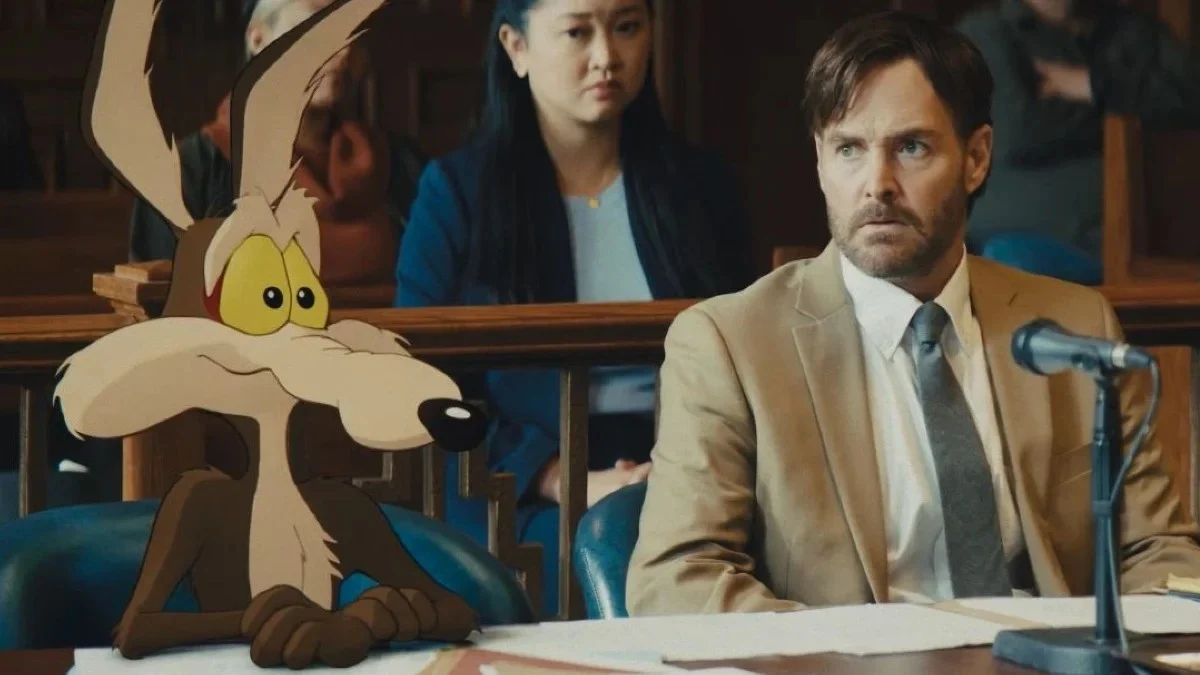
At its core, Coyote vs. Acme is a high-concept legal comedy inspired by Ian Frazier’s 1990 satirical essay published in The New Yorker. The premise is deceptively simple: Wile E. Coyote, the long-suffering predator of the American Southwest, has finally reached his breaking point. After decades of sustaining horrific injuries due to the catastrophic failure of Acme Corporation products, he decides to take the company to court.
The film stars Will Forte as Kevin Avery, a down-on-his-luck, "ambulance-chasing" attorney who operates out of Albuquerque, New Mexico—a setting that cleverly nods to the legal drama Better Call Saul. Forte’s character is a specialist in small-claims cases against Acme, usually settling for meager sums. However, when Wile E. Coyote walks into his office (communicating, as always, via hand-painted signs), the stakes escalate from "small potatoes" to a landmark class-action lawsuit.
Opposing them is Buddy Crane, portrayed with villainous charisma by John Cena. Crane is the lead counsel for the Acme Corporation, a man whose physical stature and corporate ruthlessness represent the "deep-pocketed baddies" the protagonists must overcome. The cast is rounded out by Lana Condor as Paige, Kevin’s niece and a tech-savvy ally in the legal fight.

Produced with a budget estimated at $70 million, the film utilizes a sophisticated blend of live-action cinematography and animation. Unlike the purely CGI approach of many modern hybrids, Green employed puppeteer Dave Barclay to play Wile E. Coyote on set, using specially designed costumes with interchangeable limbs to provide the human actors with a physical presence to interact with. The final animation is a curated mix of 2D and 3D styles, designed to evoke the classic aesthetic of the original Chuck Jones shorts while grounding the characters in a realistic, three-dimensional world.
Chronology: From Greenlight to the Brink of Deletion
The development of Coyote vs. Acme began in earnest in 2018, with Warner Bros. seeking to revitalize the Looney Tunes brand following the mixed reception of Space Jam: A New Legacy. The project gained significant momentum when James Gunn (now co-CEO of DC Studios) joined as a producer and co-writer of the story alongside Jeremy Slater. Samy Burch, the Academy Award-nominated screenwriter of May December, was brought on to pen the script, ensuring the humor would be as sharp as it was silly.
Production proceeded smoothly, and by early 2023, the film was essentially complete. Test screenings reportedly yielded high scores, with audiences praising its wit, its emotional core, and its faithful adherence to the Looney Tunes spirit. However, the internal landscape at Warner Bros. Discovery was shifting. Under the leadership of CEO David Zaslav, the company began a rigorous campaign of cost-cutting and "strategic realignments."
In November 2023, Warner Bros. made the shocking announcement that it would not release Coyote vs. Acme. Instead, the studio intended to "delete" the film entirely to claim a tax write-off of approximately $30 million. This followed the precedent set by the shelving of Batgirl and Scoob! Holiday Haunt, marking a controversial trend where completed creative works were treated as liabilities rather than assets.
The backlash was immediate and fierce. Filmmakers, animators, and fans took to social media to protest the move, arguing that the "tax-loss" strategy was anti-competitive and disrespectful to the hundreds of artists who had spent years on the project. Under immense pressure and the threat of a talent exodus, Warner Bros. pivoted, allowing director Dave Green to shop the film to other distributors. After months of negotiations with major players like Netflix, Amazon, and Paramount, a deal was finally struck with Ketchup Entertainment, an independent distributor known for taking bold swings on unique projects.

Supporting Data: The Mechanics of the "Write-Off" Strategy
The financial logic behind shelving Coyote vs. Acme was rooted in the 2022 merger of Warner Media and Discovery Inc. Under federal tax law, companies can write off the value of "abandoned" assets to offset taxable income. For Warner Bros. Discovery, which was saddled with billions in debt following the merger, a $30 million immediate tax benefit was seen by the "book-cooking brass" as more valuable than the uncertain theatrical or streaming revenue of a $70 million family film.
However, industry analysts pointed out several flaws in this logic:
- Talent Relations: The decision alienated high-profile creators. James Gunn, a key architect of the film, is also the head of the studio’s most important division (DC). Shelving his project created a significant internal conflict of interest.
- Brand Value: The Looney Tunes are among the most valuable intellectual properties in history. Erasing a well-received entry in the franchise was viewed as a "short-term gain for long-term brand erosion."
- The "Insider" Influence: Ironically, the film’s press notes cite The Insider (1999)—Michael Mann’s drama about a tobacco industry whistleblower—as a key influence. The film’s narrative focus on corporate malfeasance made the real-world attempt to suppress it look like a case of life imitating art.
Official Responses: A Quiet Retreat
Warner Bros. Discovery has remained largely tight-lipped regarding the specific internal metrics that led to the initial shelving. In general statements, the studio has emphasized its commitment to "theatrical excellence" and the need to make "tough decisions" to ensure the company’s long-term financial health.
In contrast, director Dave Green has been vocal about his relief and gratitude. Following the news of the Ketchup Entertainment acquisition, Green stated that the film was intended to be "seen on the big screen with an audience," and expressed his profound thanks to the community of fans who refused to let the movie disappear into a "black hole."
Ketchup Entertainment’s CEO, Gareth West, framed the acquisition as a victory for cinema. "We believe in the power of original storytelling and the enduring appeal of these characters," West noted in a press release. "To be the ones to finally bring Wile E. Coyote’s day in court to the public is an honor."

Implications: A New Precedent for Hollywood
The survival of Coyote vs. Acme carries significant implications for the future of the film industry. Firstly, it serves as a warning to studios that the "tax write-off" strategy is no longer a quiet, consequence-free accounting trick. The public outcry demonstrated that audiences and creators alike view the destruction of completed art as a moral and cultural failure.
Secondly, the film’s release via Ketchup Entertainment highlights the growing importance of independent distributors in an era of "mega-mergers." As major studios become more risk-averse and focused on quarterly earnings, smaller entities are stepping in to rescue high-quality projects that don’t fit into a corporate spreadsheet.
Critically, the film itself (graded a "B" by early reviewers) proves that there is still room for "clever, snappy, and fresh" takes on legacy IP. By blending classic Looney Tunes gags—like the "carrot festival" cameos and the inevitable failure of gravity—with contemporary legal satire, Coyote vs. Acme avoids the trap of mere nostalgia. It addresses themes of resilience and the struggle of the individual against the machine, themes that are particularly poignant given the film’s own history.
As Wile E. Coyote prepares to face the Acme Corporation in theaters this August, his victory is already half-won. He survived the ultimate corporate trap: a "delete" key. In the ongoing war between creative integrity and financial optimization, Coyote vs. Acme stands as a rare and necessary win for the wiliest of characters. That’s not all, folks—it’s just the beginning of a new chapter in the preservation of cinematic art.