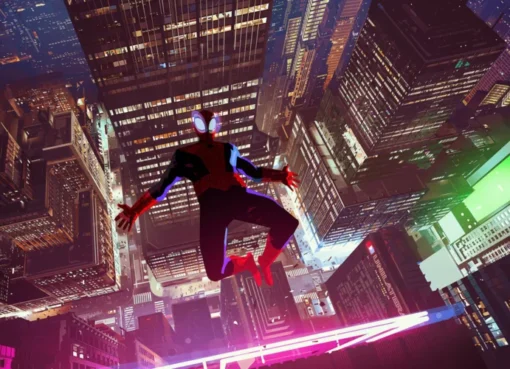
Humankind 2 Unveiled: A Visceral Return to History, Amidst the Specter of AI
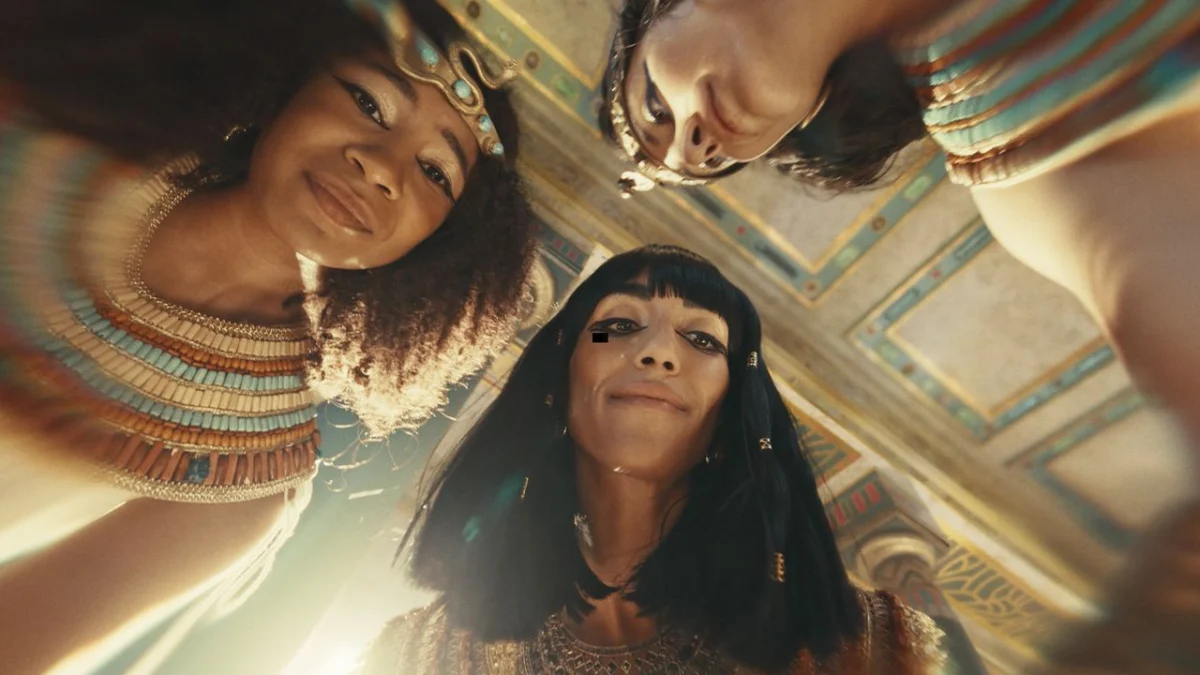
Paris, France – The highly anticipated sequel to Amplitude’s acclaimed historical strategy game, Humankind 2, has finally broken cover. Revealed during the electrifying Opening Night Live presentation at Gamescom, the announcement trailer has ignited a fervent discussion amongst gamers and industry observers alike, not for its gameplay innovations, but for a pervasive question that now haunts creative endeavors: "Was this made with AI?" While the striking visual aesthetic of the trailer might bear a superficial resemblance to contemporary AI-generated content, Amplitude has issued a clear and resounding denial, asserting that the trailer is a testament to tangible craftsmanship, utilizing real actors, meticulously constructed practical sets, and bespoke props.
The Genesis of a Question: A Trailer That Defies Expectation
The reveal trailer for Humankind 2 is a whirlwind tour through the annals of human history. It masterfully stitches together vignettes depicting pivotal moments and eras, presented with a dynamic, almost hyperreal energy. The rapid-fire edits, coupled with a distinct visual quality that some have come to associate with AI-generated media, immediately prompted speculation. This uncanny valley effect, where realism borders on the artificial, has become a familiar quandary in the digital age. However, the studio’s swift and unequivocal response seeks to set the record straight, emphasizing a commitment to traditional filmmaking techniques.
A Formal Declaration: The Truth Behind the Visuals
Amplitude Studios took to its official X (formerly Twitter) account to formally address the burgeoning speculation. In a statement, the studio declared: "The HUMANKIND 2’s live-action announcement trailer was filmed at Nu Boyana Film Studios in Sofia using real actors, practical sets, and custom-made props created specifically for the production. We will be sharing behind-the-scenes images from the shoot soon." This declaration not only refutes the AI allegations but also highlights a deliberate artistic choice to invest in a high-fidelity, tactile production. The promise of behind-the-scenes content further aims to demystify the process and showcase the human effort involved.
A Cinematic Journey Through Time: Deconstructing the Trailer’s Aesthetic
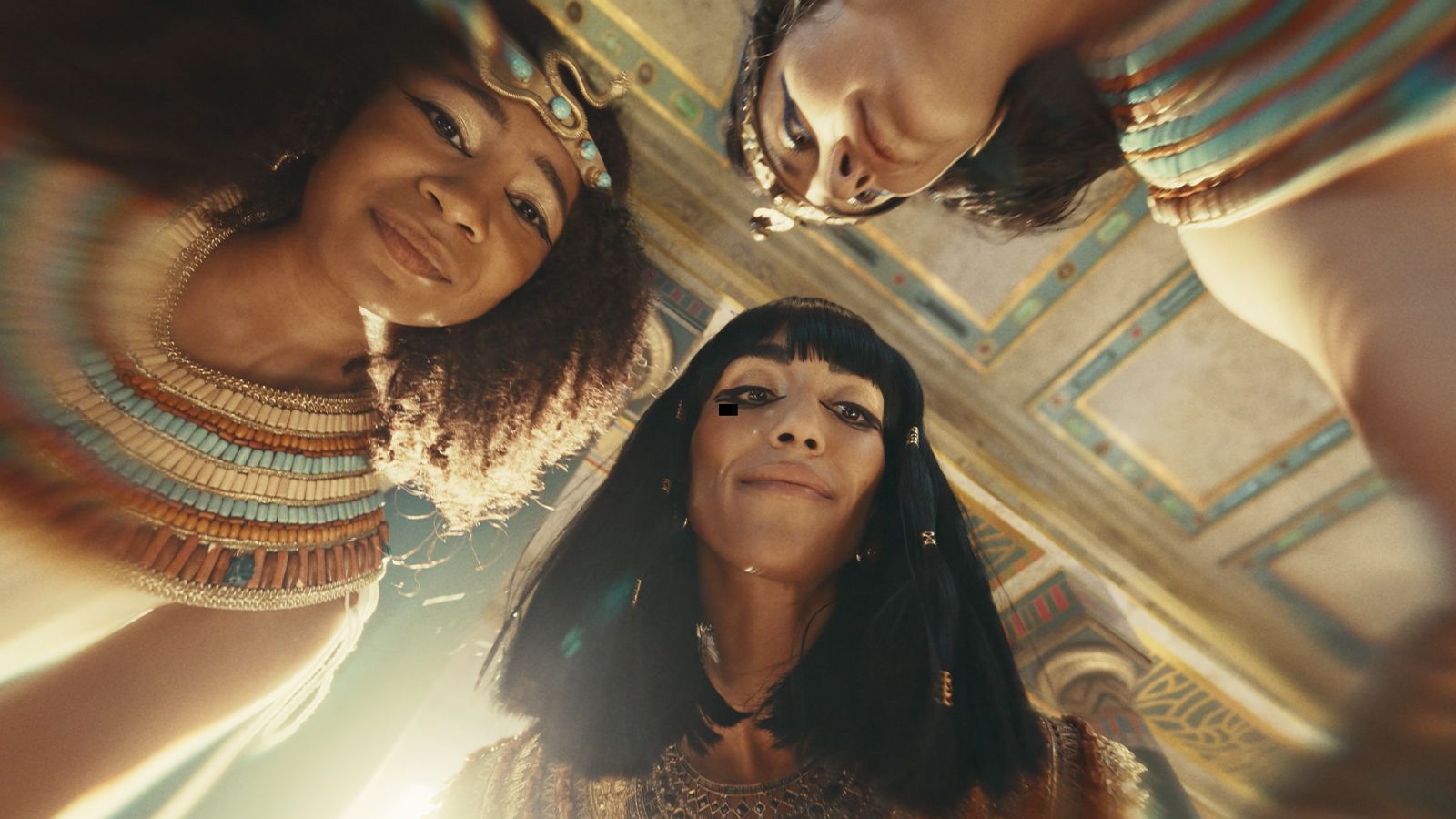
The Humankind 2 trailer eschews a traditional gameplay showcase for a more evocative, cinematic experience. It hurtles through diverse historical epochs, each scene meticulously curated with period-accurate costumes, compelling characters, and richly detailed environments. A key stylistic element that contributes to its unique, and perhaps divisive, look is the deliberate use of an exaggerated first-person perspective, often amplified by a fisheye lens. This technique warps the edges of the frame, stretching faces and distorting perspectives, imbuing the trailer with a surreal, dreamlike quality.
This stylistic choice, while visually arresting, has inadvertently fueled the AI debate. The inherent distortions and the sometimes-unsettling realism can be mistaken for the artifacts often found in AI-generated imagery. However, when viewed through the lens of practical filmmaking and intentional artistic direction, the fisheye effect becomes a deliberate tool to enhance the player’s immersion, simulating a subjective, historical viewpoint. The emphasis on custom-made props and sets further underscores a commitment to creating a tangible world, a stark contrast to the often-ephemeral nature of AI creations.
The Shifting Sands of Perception: Why AI Accusations are Becoming More Frequent
The recent surge in AI-generated content has fundamentally altered our visual landscape. AI tools have become remarkably adept at mimicking various artistic styles, leading to a recognizable visual language that is now deeply ingrained in our collective consciousness. This has, paradoxically, made it more challenging for genuine, human-created art to be distinguished from its artificial counterpart. Artists and filmmakers are increasingly finding themselves in the unenviable position of having to prove their work is not AI-generated, a testament to the rapid advancement and pervasive influence of artificial intelligence in creative fields.
This phenomenon is not unique to Humankind 2. Numerous artists and studios have faced similar accusations, often requiring them to provide extensive proof of their creative process. The very choices that might have once been lauded as innovative cinematography – unusual camera angles, distinct lighting, or stylized compositions – can now be misconstrued as AI artifacts. The "uncanny valley" effect, where something is almost, but not quite, human or real, is now being applied to visual media in a way that challenges our perception of authenticity.
A Calculated Risk or an Unfortunate Consequence?
The debate surrounding the Humankind 2 trailer raises a pertinent question: did Amplitude Studios inadvertently set themselves up for such scrutiny? Some online commentators have suggested that by leaning into a visual style that mirrors common AI tropes, even intentionally, they invited the very accusations they are now having to dispel. One X user, ‘centrist fan,’ commented, "you did kind of set yourself up there because I have seen ‘historical figures doing a selfie’ AI slop before, so making it the basis of your trailer was a decision." This perspective highlights the delicate balance developers must strike when crafting marketing material in an era where AI is a prevalent and often controversial tool.
However, the argument can also be made that Amplitude’s approach is a bold artistic statement. By embracing a visual language that intentionally plays with the boundaries of realism and stylization, they are pushing creative boundaries. The game itself, Humankind, has always been about the player’s ability to forge their own unique historical narrative, blending cultures and diverging from traditional timelines. The sequel promises to expand upon this core tenet with new cultures, intricate progression systems, and a refined user interface. In this context, a trailer that elicits a strong reaction and sparks conversation, even about the nature of its creation, could be seen as a strategic choice to align with the game’s thematic exploration of historical malleability and creative agency.
Thematic Resonance: Humankind 2 and the Essence of Human Creation
The thematic core of the Humankind series lies in its celebration of human ingenuity, cultural fusion, and the ability to shape destiny. Players are empowered to guide civilizations through millennia, making choices that redefine historical trajectories. The sequel, expected to launch on PC in 2027, aims to deepen this experience. The very controversy surrounding the trailer’s perceived AI influence ironically underscores the game’s central themes. If real, human-crafted visuals can be mistaken for AI, it begs the question of what truly defines authenticity and creativity in the digital age.
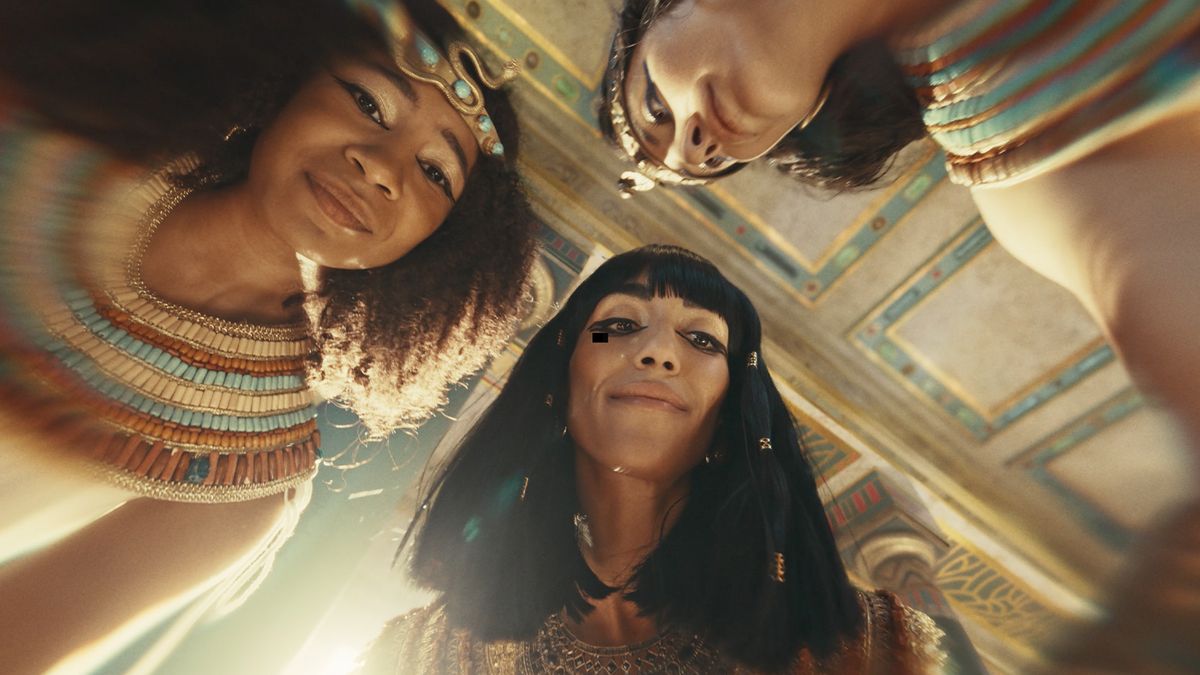
Amplitude’s commitment to a live-action trailer, despite the potential for misinterpretation, speaks volumes about their dedication to a tangible, grounded approach to world-building. It is a bold declaration in an era where AI offers seemingly effortless shortcuts. The choice to invest in real actors, practical sets, and custom props is a deliberate affirmation of the value of human artistry and craftsmanship.
Looking Ahead: The Future of Authentic Storytelling in Gaming
The Humankind 2 trailer incident serves as a crucial case study in the evolving landscape of digital content creation. As AI technology continues to advance at an unprecedented pace, the lines between human and artificial creation will only blur further. This necessitates a greater emphasis on transparency and a deeper appreciation for the tangible processes that underpin artistic endeavors.
Amplitude’s proactive response and their promise of behind-the-scenes content are commendable steps in fostering trust and educating their audience. The gaming industry, much like other creative sectors, is at a crossroads. The challenge lies in harnessing the power of new technologies while preserving the integrity and recognition of human creativity. Humankind 2, by its very existence and the discourse it has sparked, is already contributing to this vital conversation. Its eventual release will undoubtedly be keenly watched, not just for its gameplay, but for how it continues to embody the spirit of human endeavor it seeks to represent. The successful integration of meticulously crafted visuals, whether through traditional filmmaking or innovative digital art, will be key to its reception and its place in the pantheon of historical strategy games. The question of AI will likely persist, but the true measure of Humankind 2‘s success will lie in its ability to deliver a compelling and authentically human experience, a testament to the enduring power of our own stories.