Nvidia’s DLSS 5 Leaks: A Glimpse into the Future, Marred by Unsettling AI Artifacts
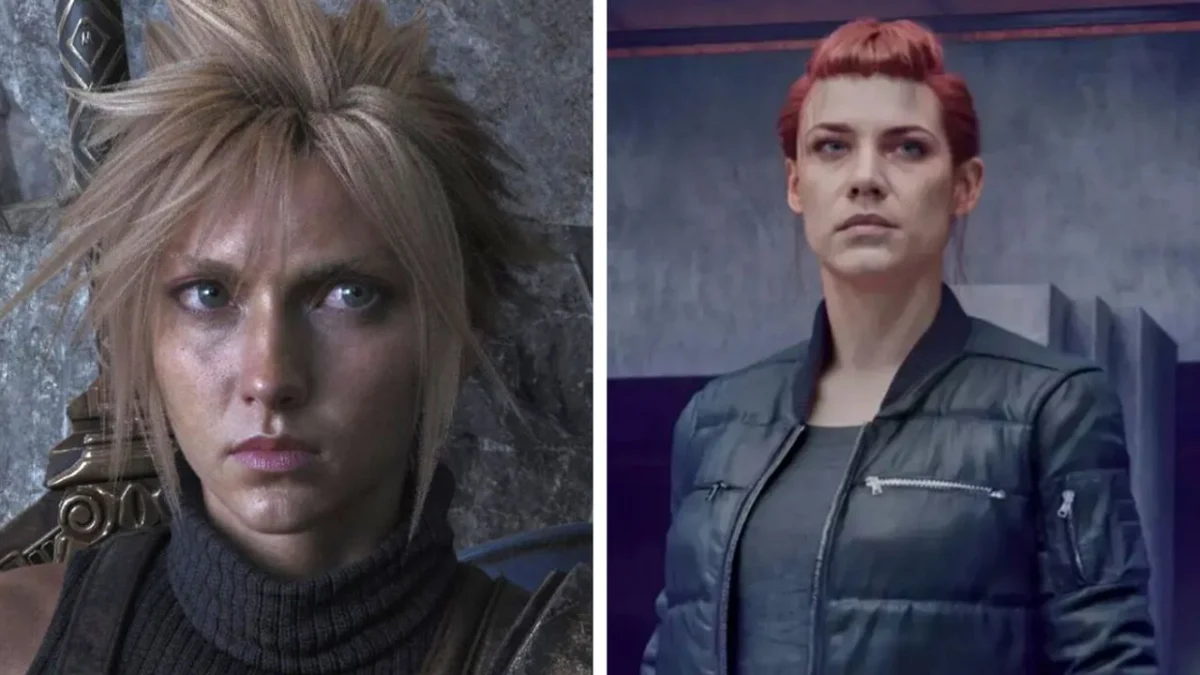
The premature release of Nvidia’s cutting-edge DLSS 5 technology to the PC modding community has provided an unprecedented, albeit controversial, early look at its capabilities. While showcasing the potential for AI-driven graphical enhancements, early user experiences reveal a deeply unsettling side effect: significant visual degradation and uncanny artifacts, particularly on character models. This leak has ignited a debate about the ethics and artistic implications of relying on AI for real-time rendering, even as Nvidia prepares for its official rollout.
The Unforeseen Debut of DLSS 5
Nvidia’s Deep Learning Super Sampling (DLSS) technology has long been a cornerstone of high-fidelity gaming on PC, leveraging artificial intelligence to upscale lower-resolution images, thereby boosting performance without a significant hit to visual quality. The highly anticipated DLSS 5, however, represents a more ambitious leap, introducing "Neural Rendering" – a system designed to use AI not just for upscaling, but also to enhance elements like lighting, reflections, and material textures in real-time. This promises a path towards more convincing photorealism without placing an overwhelming burden on traditional rendering pipelines.
However, before Nvidia could officially unveil and integrate DLSS 5 into its intended gaming ecosystem, the technology found its way into the hands of the enterprising PC modding community. The first whispers of this premature debut emerged from the early-access build of NBA 2K27, where files related to DLSS 5 Neural Rendering were reportedly discovered. This unexpected discovery provided curious players with a backdoor into Nvidia’s next-generation graphics technology, setting the stage for widespread experimentation.
A Cascade of Leaks and Unsettling Experiments
The discovery in NBA 2K27 quickly snowballed. Once the DLSS 5 files were extracted from their intended environment, they began to proliferate across the PC gaming landscape. Modders, driven by a potent blend of curiosity and technical prowess, wasted no time in attempting to integrate this unreleased AI rendering system into a wide array of existing games. This phenomenon, as reported by outlets like Video Games Chronicle (VGC), quickly led to DLSS 5 being applied to titles that were never designed with its specific functionalities in mind.
The initial reports from these modding endeavors painted a stark picture. Gaming forums, particularly ResetEra, became hubs for these early adopters to share their findings. The consensus, unfortunately, was overwhelmingly negative. Users described the visual results as "objectively horrendous," "uncanny crap," and even "horrifying." This stark contrast to Nvidia’s promised advancements immediately raised concerns about the technology’s real-world application and the potential pitfalls of its AI-driven approach.
Chronology of the DLSS 5 Leak and its Aftermath
- Early Discovery: Files related to Nvidia’s DLSS 5 Neural Rendering technology are reportedly found within an early-access build of NBA 2K27.
- File Leakage: The DLSS 5 Neural Rendering files are extracted from NBA 2K27 and begin to circulate within the PC modding community.
- Widespread Modding: Enthusiasts and modders start integrating DLSS 5 into various other games, including popular titles like Remedy’s Control and Square Enix’s Final Fantasy 7 Rebirth.
- Community Feedback: Early impressions and visual comparisons shared on forums like ResetEra highlight significant visual anomalies, leading to widespread criticism of the leaked implementation.
- Visual Artifacts Emerge: Users report disturbing graphical glitches, particularly concerning the rendering of character faces and bodies, with some comparing the results to uncanny valley effects.
- Nvidia’s Position: As of the original reporting, Nvidia has not officially released DLSS 5, and has not yet issued a formal statement regarding the leak and its implications.
Supporting Data: The Unsettling Visual Evidence
The most compelling evidence of the controversy surrounding the leaked DLSS 5 comes from the visual comparisons shared by modders. These images and videos offer a direct, albeit unofficial, demonstration of the technology’s impact on existing game engines. While the underlying intent of DLSS 5 is to enhance visual fidelity, the leaked implementations have often resulted in the opposite.
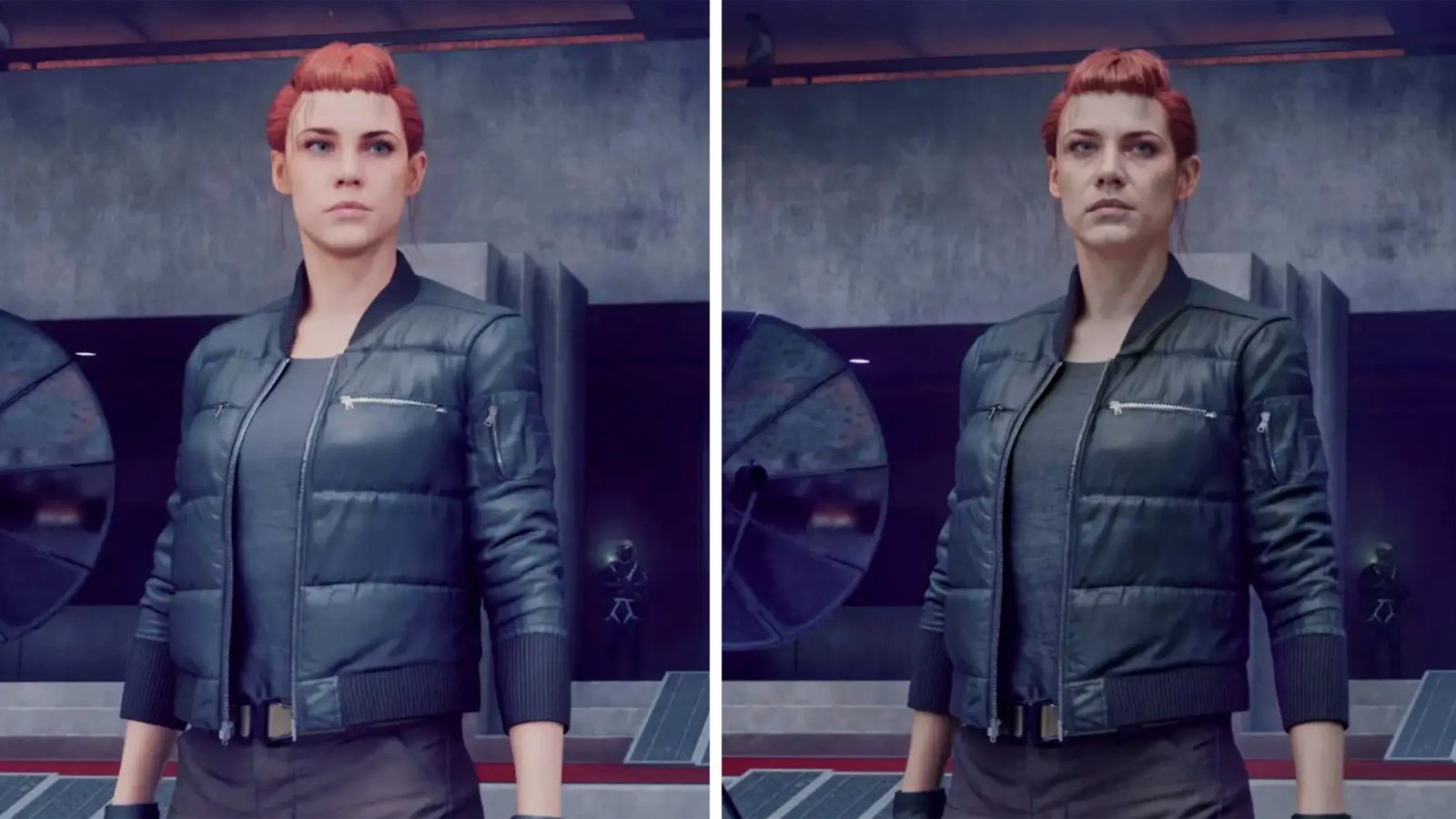
In titles like Control, players have observed that while certain elements, such as foliage and environmental textures, might show some improvement, the rendering of human characters becomes deeply problematic. Faces can appear distorted, skin textures unnaturally smooth or plasticky, and expressions can become vacant or unsettlingly artificial. The AI, attempting to "improve" pre-rendered assets, seems to struggle with the nuances of human anatomy and expression, leading to results that detract significantly from the intended artistic vision of the game.
One particularly striking observation from ResetEra users was how the AI processing could fundamentally alter the appearance of characters. In Final Fantasy 7 Rebirth, for instance, the iconic protagonist Cloud Strife was reportedly rendered with features that bore little resemblance to his established design, leading one user to describe the transformation as "one of the most unsettling things I’ve ever laid my eyes on in gaming."
However, it’s not entirely negative. Some users noted that DLSS 5, even in its leaked and unoptimized state, showed promise in specific areas. "It looks really good with foliage in particular," one gamer observed, suggesting that the AI’s strengths might lie in rendering natural environments. Another user tentatively suggested that it "will work pretty well with racing and sports games," where the focus might be on broader environmental details and less on hyper-realistic character rendering. This indicates that the technology’s effectiveness might be highly dependent on the type of content it’s applied to.
The Core of the Controversy: Neural Rendering and Unintended Consequences
At the heart of the DLSS 5 controversy lies its core technology: Neural Rendering. Nvidia’s vision for this system is to imbue the final rendering pass with AI intelligence. This means that after a game’s engine has performed its traditional rendering, DLSS 5 steps in to further refine and enhance elements such as lighting, reflections, and material properties. The goal is to achieve a level of photorealism that would be prohibitively expensive or complex to achieve through conventional means, thereby democratizing advanced visual fidelity.
The problem with the leaked implementation is that these games were not built with DLSS 5’s Neural Rendering in mind. Game developers dedicate significant time and resources to meticulously crafting every visual element. Artists spend months developing assets, technical artists fine-tune materials for optimal rendering, and lighting teams painstakingly design scenes to evoke specific moods and aesthetics. When an unvetted AI system like DLSS 5 is introduced, it essentially operates without these crucial artistic constraints and directorial inputs.
This lack of developer oversight means the AI is left to interpret and modify pre-existing assets in ways that might conflict with the original artistic intent. While it might succeed in enhancing certain aspects, such as adding more complex reflections or subtly adjusting lighting, it can also misinterpret subtle details, leading to the jarring and often disturbing artifacts observed. The AI is essentially an interpreter, and without proper guidance, its interpretations can be wildly inaccurate, especially when dealing with the intricate and often subjective nature of character design and emotional expression.
Implications for the Future of Gaming Graphics
The premature leak of DLSS 5, while problematic, offers invaluable insights into the potential trajectory of game graphics. It highlights both the incredible promise and the significant challenges associated with integrating advanced AI into the creative process.
Potential Benefits:
- Enhanced Visual Fidelity: When properly implemented, DLSS 5 has the potential to elevate the visual quality of games to new heights, offering more realistic lighting, textures, and reflections.
- Improved Performance: Like its predecessors, DLSS 5 is expected to boost frame rates, allowing for smoother gameplay and the utilization of more demanding graphical settings.
- Streamlined Development: For developers, Neural Rendering could offer a more efficient way to achieve high levels of visual polish, potentially reducing the time and cost associated with traditional asset creation and rendering.
Challenges and Concerns:
- Artistic Control: The primary concern is the potential erosion of artistic control. If AI is allowed to significantly alter rendered assets, it could lead to a homogenization of visual styles and a departure from the unique visions of game creators.
- The Uncanny Valley: As demonstrated by the leaked implementations, AI’s ability to render human faces and expressions is still a significant challenge. Over-reliance on AI in this area could lead to widespread uncanny valley effects, alienating players and diminishing immersion.
- Ethical Considerations: The increasing role of AI in creative fields raises ethical questions about authorship, originality, and the potential displacement of human artists.
- Developer Collaboration: The success of technologies like DLSS 5 hinges on close collaboration between AI developers and game creators. Without this partnership, the technology risks being perceived as a blunt instrument rather than a sophisticated creative tool.
Nvidia still has a considerable opportunity to demonstrate the intended power and artistic integrity of DLSS 5 during its official release. The current situation, however, serves as a stark reminder that groundbreaking technology, when prematurely introduced and misused, can reveal unintended and often unsettling consequences. The PC modding community, in its characteristic fashion, has provided an early, albeit flawed, preview of a future where AI plays an increasingly integral role in how we experience virtual worlds. The challenge now lies in harnessing this power responsibly, ensuring that AI enhances rather than detracts from the artistry and emotional impact of video games.