Virtual Serenity: An In-Depth Analysis of ‘Puzzles of the World’ on Meta Quest
The landscape of Virtual Reality (VR) is undergoing a significant tectonic shift. While the early years of the medium were defined by high-octane shooters, adrenaline-pumping rhythm games, and visceral horror experiences, a new sub-genre has begun to dominate the charts: "Cozy Gaming." This movement, characterized by low-stress environments, meditative mechanics, and aesthetic beauty, finds a new champion in Puzzles of the World. Developed by Astral Shores Games and recently graduated from Early Access to a full release on the Meta Quest platform, this title seeks to carve out a niche in the increasingly crowded "zen" market.
However, as the VR industry matures, players are demanding more than just "vibes"—they are looking for longevity and depth. In this comprehensive review and analysis, we examine whether Puzzles of the World provides a sustainable escape or merely a fleeting moment of peace.
I. Main Facts: The Core Architecture of the Experience
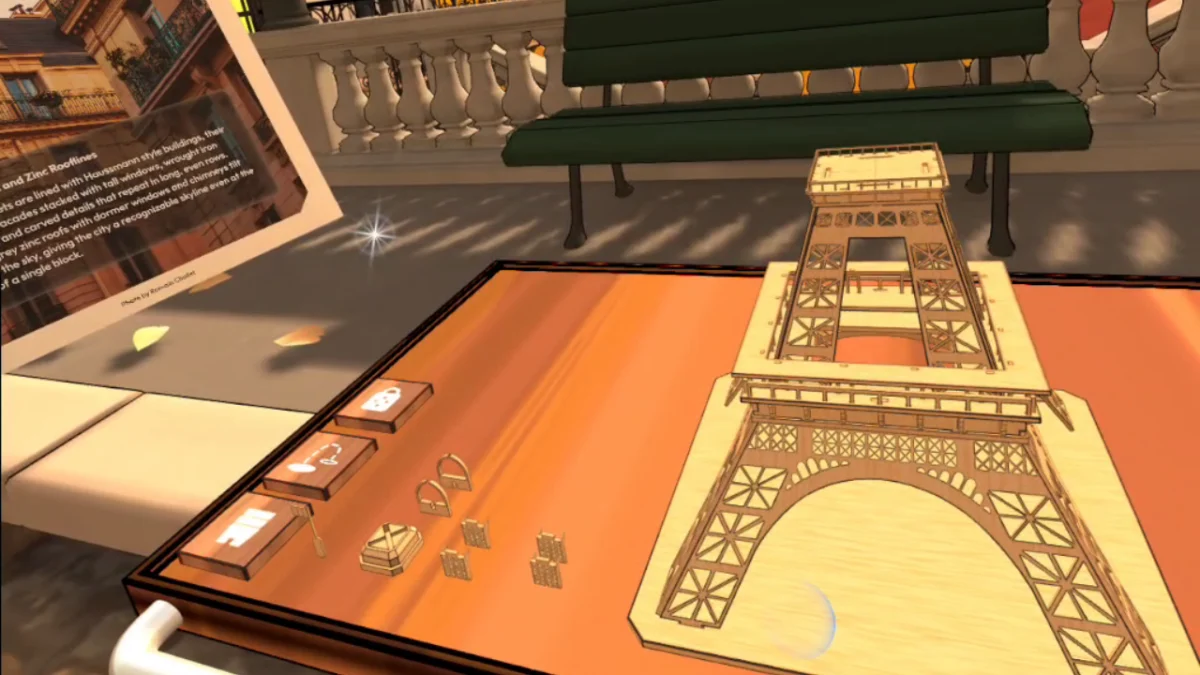
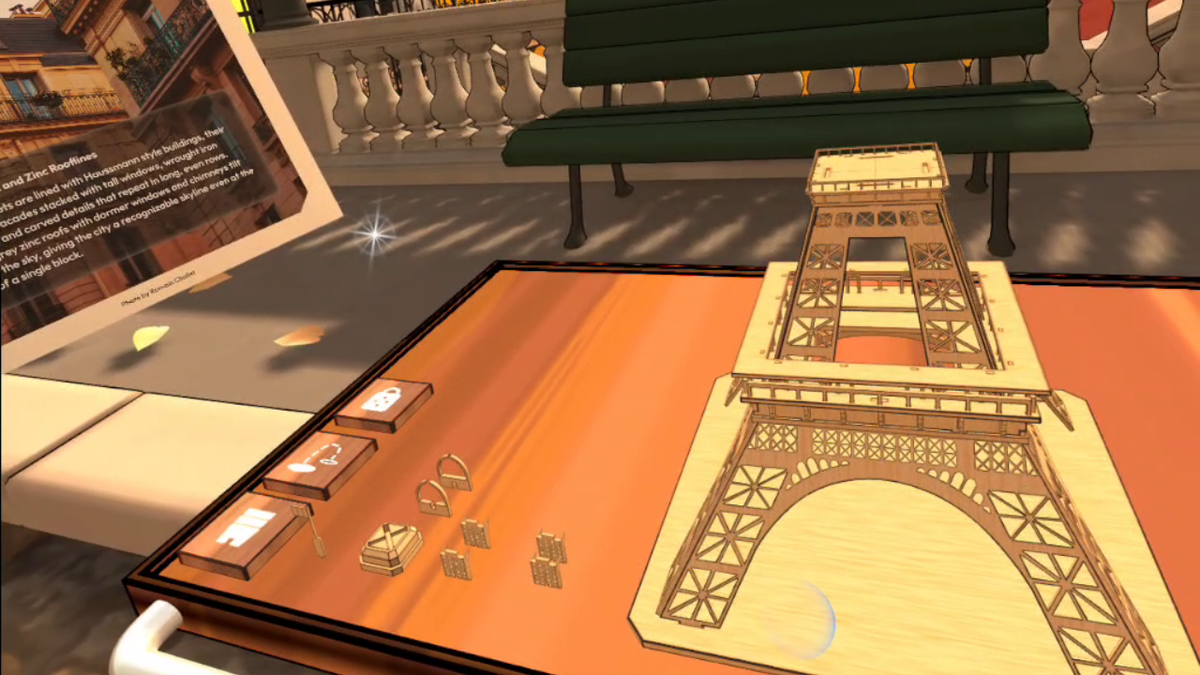
Puzzles of the World is a miniature-building simulator that blends the tactile satisfaction of physical model kits with the limitless environmental potential of VR. Unlike traditional 2D jigsaw puzzles, this title focuses on 3D wooden miniatures, tasking players with assembling iconic structures and cultural artifacts from across the globe.
Essential Specifications
- Puzzles of the World
- Developer: Astral Shores Games
- Platform: Meta Quest 3 and Meta Quest 3S (Optimized for Quest 3)
- Full Release Date: August 6, 2026
- Price Point: $14.99 USD
- Genre: Cozy Puzzle / Simulation
- Content Volume: 8 puzzles across 7 global locations
- Complexity Range: 48 pieces to 290 pieces
The game positions itself as a "stationary" experience, meaning it requires minimal physical movement, making it an ideal entry point for VR newcomers or those prone to motion sickness. By utilizing the Meta Quest 3’s advanced rendering capabilities, the game presents a stylized, cel-shaded world that prioritizes artistic charm over photorealistic grit.
II. Chronology: From Early Access to Full Launch
The journey of Puzzles of the World is a reflection of the evolving hardware standards of the Meta Quest ecosystem. The game’s development cycle was marked by a pivot in control schemes and a refinement of user accessibility.
The Early Access Phase
Initially launched in Early Access, Puzzles of the World was designed as a "hand-tracking first" experience. The developer, Astral Shores Games, aimed to capitalize on the "natural interaction" trend, where players use their bare hands to pinch, grab, and rotate pieces. This phase was crucial for testing the physics of the puzzle pieces and the sensitivity of the Quest’s cameras.
The Controller Integration
Feedback from the Early Access community suggested that while hand tracking was immersive, it lacked the precision and haptic feedback required for longer play sessions. In response, the developers integrated full controller support prior to the August 2026 launch. This addition allowed players to toggle between the organic feel of hand tracking and the tactile reliability of the Touch Plus controllers.
The Full Release (August 6, 2026)
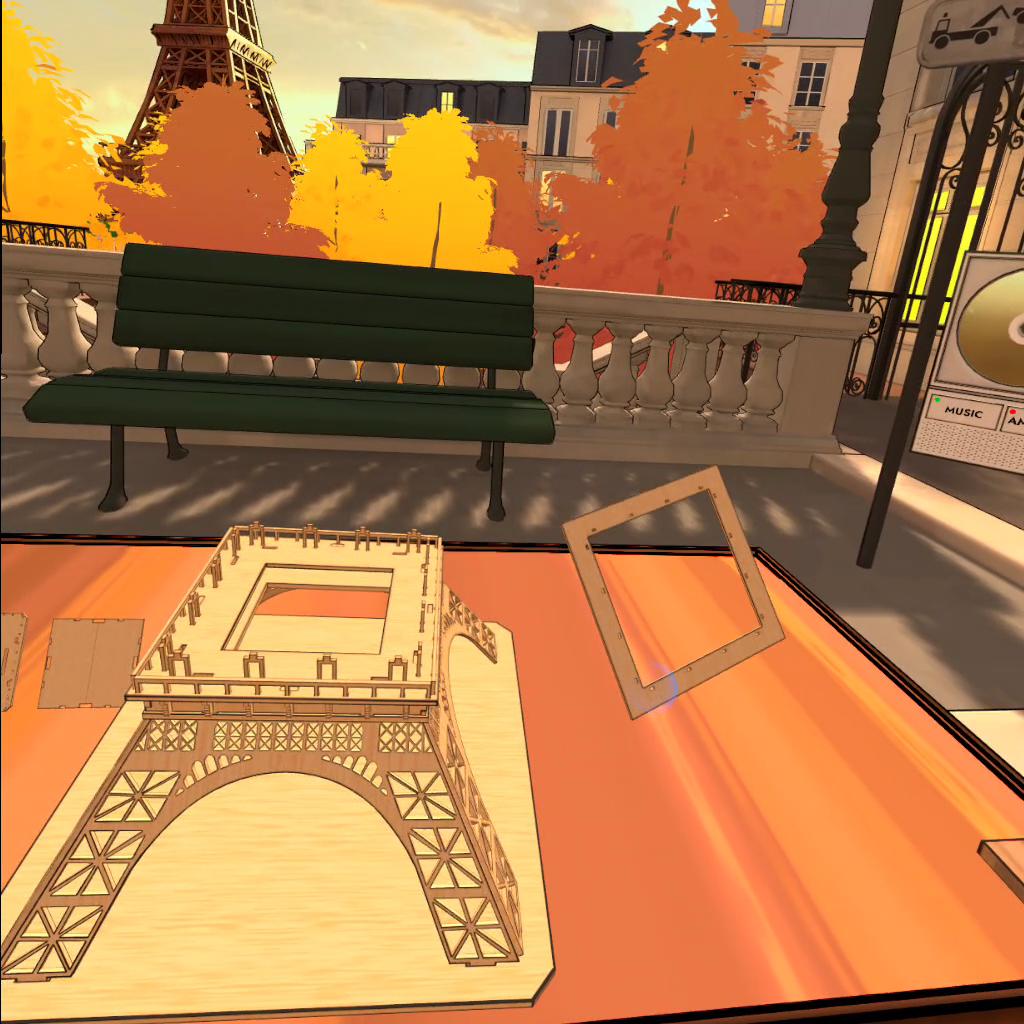
The transition to version 1.0 saw the introduction of more complex puzzles, such as the 290-piece French architectural set, and the implementation of a "Day/Night" cycle for each location. The full release also saw the refinement of the "phased building" system, which prevents the player from being overwhelmed by a "box" of hundreds of pieces at once, instead breaking the construction into manageable stages.
III. Supporting Data: Technical Performance and Gameplay Mechanics
To understand the value proposition of Puzzles of the World, one must look at the technical data regarding its visuals, audio, and user interface.
Visual Fidelity and Art Direction
The game employs a cel-shaded aesthetic with distinct "hard outlines." This is a strategic choice: cel-shading is less demanding on the Quest’s mobile processor than realistic textures, allowing the developers to maintain a high frame rate and crisp resolution.
- Day/Night Logic: Each of the seven locations features a default "Day" mode. Upon completion of a puzzle, the "Night" version is unlocked, providing a different lighting profile and atmosphere, effectively doubling the environmental variety.
- Hardware Limitation: One data point of note is the readability of text. On the Quest 3’s LCD panels, descriptive text placed over scenic backgrounds can suffer from slight legibility issues. While the headset’s resolution is high, the contrast between white text and bright, busy backgrounds remains a hurdle for some users.
Audio Engineering
The soundscape of Puzzles of the World is dynamic.
- Layered Melodies: The game uses a progressive audio system. As the player completes specific "phases" of a puzzle, the background track adds new layers of instrumentation. This provides a subtle, psychological reward for progress, reinforcing the "flow state" essential to cozy gaming.
- Tutorial Feedback: Data from user reviews suggests the initial tutorial loop may be too repetitive, leading some players to disable audio early on. However, the location-specific tracks (e.g., Parisian accordion or Italian strings) have been cited as high points of the experience.
The "Comfort" Metric
In VR journalism, the "Comfort" rating is paramount. Puzzles of the World achieves a "High" accessibility rating due to:
- Zero Artificial Locomotion: Players do not "walk" using a joystick, which is the primary cause of VR nausea.
- Flexible Navigation: Users can choose between "Snap Turning" or physical turning, and can "Teleport" between three predetermined viewing angles to see their work from different perspectives.
IV. Official Responses and Developer Philosophy
While Astral Shores Games has not released a formal post-launch white paper, their design philosophy can be inferred from the game’s structural choices and their communication during the Early Access period.
Design Goals: Vibes Over Competition
The developers have explicitly avoided the "gamification" of the puzzle experience. There are no global leaderboards, no ticking clocks to induce stress, and no "fail states." This is a deliberate response to the "Action VR" market. Astral Shores Games appears to be targeting the "Silver Snacker" demographic—older adults or casual users who use VR for relaxation and cognitive stimulation rather than competition.
Addressing the "Content Gap"
A recurring critique from the community—and one acknowledged by the developer’s frequent updates—is the game’s brevity. With a total playtime of approximately 120 to 150 minutes for a seasoned puzzler, the $14.99 price point has been scrutinized.
- Expected Roadmap: While no specific DLC has been announced, the framework of the game (a world map with "scenic pins") suggests a modular design intended for future expansions. Developers have hinted at "unlimited inspiration" from global landmarks, suggesting that the current eight puzzles are merely the foundation.
V. Implications: The Future of the Cozy VR Market
The release of Puzzles of the World carries several implications for the broader VR industry and the Meta Quest ecosystem.
The Challenge of Competition
The "Cozy Puzzle" space is currently dominated by Puzzling Places, a titan in the genre that uses photogrammetry to create hyper-realistic 3D puzzles. Puzzling Places offers thousands of pieces and years of DLC. To compete, Puzzles of the World must differentiate itself. Its "wooden miniature" aesthetic is its strongest asset—it feels more like a craft project than a traditional jigsaw. However, without a "Custom Puzzle Builder" (similar to Jigsaw Night), it may struggle with long-term player retention.
Hardware Synergy (Quest 3S)
The timing of this release is significant. With Meta pushing the Quest 3S as a budget-friendly entry point into VR, "stationary" and "cozy" games are the primary software used to sell the hardware to non-gamers. Puzzles of the World serves as an excellent "demo" title for showing friends and family what VR can be without the intimidation of complex controls.
The "Mars" Potential: Beyond Earth
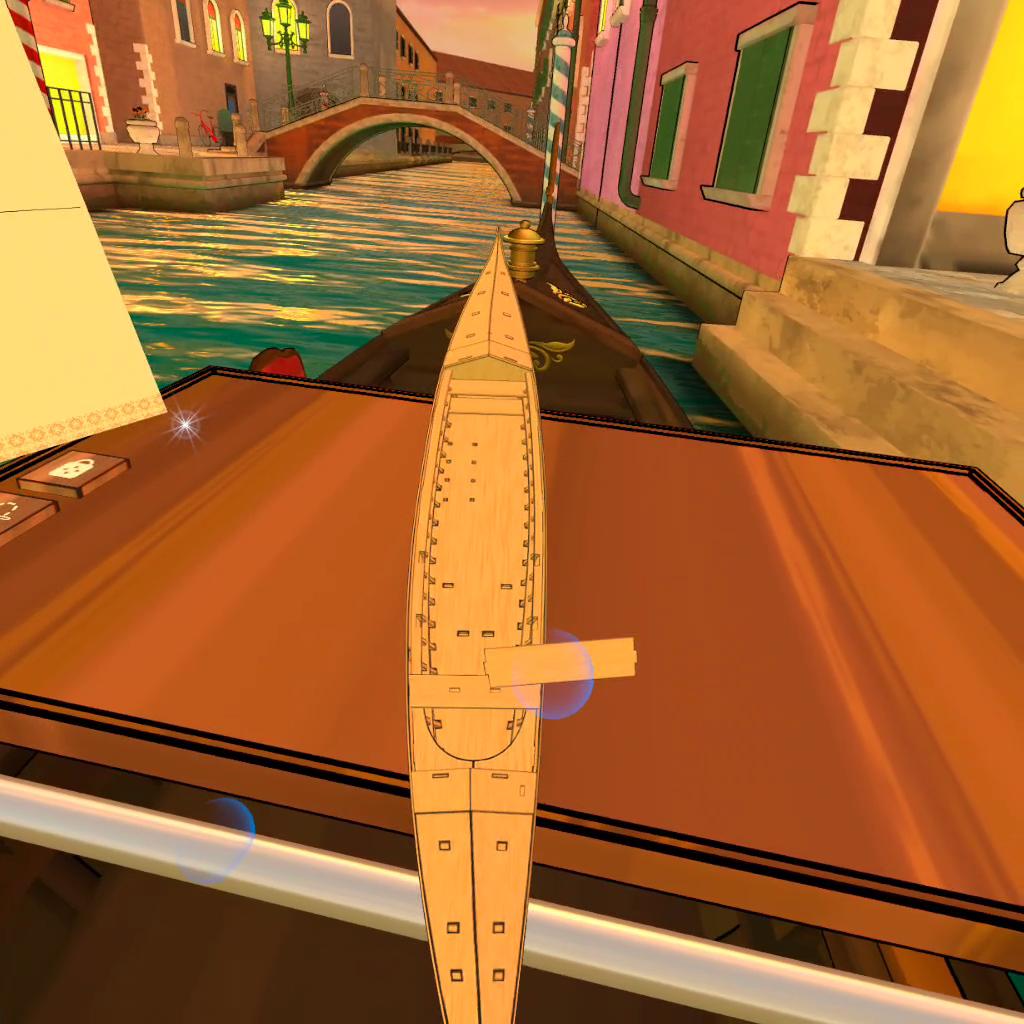
The game’s current focus is on Earth-based locations like Paris and Venice. However, the "Implications" of this tech extend further. The reviewer’s suggestion of a "Mars-based terra-dome" puzzle highlights a potential pivot for the developer: Sci-Fi cozy gaming. By moving beyond real-world geography, Astral Shores Games could tap into the "Speculative Cozy" market, which is currently underserved in VR.
Conclusion: A Solid Foundation in Need of Expansion
Puzzles of the World is a masterclass in atmosphere and accessibility. It successfully captures the tactile joy of building a model kit without the mess of glue or the frustration of lost pieces. Its art style is a breath of fresh air, and its comfort levels make it a gold standard for VR newcomers.
However, the "shortness" of the experience is a significant hurdle. In a digital economy where "hours-per-dollar" is a common metric for value, two hours of content for fifteen dollars is a precarious balance. For Puzzles of the World to move from a "charming distraction" to an "essential VR title," Astral Shores Games must commit to a robust pipeline of new content, bug fixes for instructional mismatches, and perhaps a creative mode that allows players to design their own scenic dioramas.
As it stands, Puzzles of the World is a beautiful, 3.5-star experience. It is a promise of what cozy VR can be—a promise that now needs to be fulfilled with more pieces, more locations, and more reasons to put the headset back on.