
Unearthing the Everyday Magic: Why Folklore is More Relevant Than Ever
London, UK – For many, the word "folklore" conjures images of arcane rituals performed by eccentric figures, like the antler-wearing men of Abbotts Bromley, or quaint historical curiosities such as wart charming. It’s often dismissed as mere "flim-flam," a collection of charming tales for children, convenient plot devices for fiction, or a marketing tool to "milk revenue from a fandom." Some might unconsciously dabble in its fringes, adorning Christmas trees, exchanging birthday cards, or debating the proper order of jam and cream on a scone. Yet, for a significant portion of the population, folklore remains an unconsidered, unseen thread in the fabric of daily existence. However, a growing movement seeks to illuminate a profound truth: folklore is not a relic of the past, but an ever-present, dynamic force shaping our lives, dictating rituals, traditions, and customs, right down to the unspoken rules of making a cup of tea.
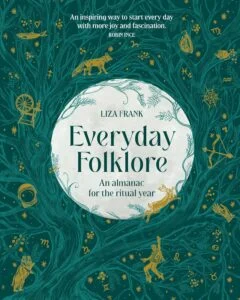
Leading this charge is author and folklorist Liza Frank, whose new book, Everyday Folklore: An Almanac for the Ritual Year, serves as a practical guide to engaging with these ancient and modern traditions. Born from Frank’s immersive year-long project, which saw her practice a ritual year folklore activity every single day between St Distaff’s Day 2020 and Twelfth Night 2021, the book argues for a conscious incorporation of folklore into contemporary life. Published by a respected imprint and already garnering attention on platforms like Folklore Thursday, Frank’s work posits that a deliberate embrace of folklore can enrich our understanding of time, foster joy, combat ennui, sharpen our intellect, and provide a wealth of personal narratives. This article delves into Frank’s compelling argument, offering five key reasons why everyone, from the casual observer to the dedicated enthusiast, should "feel the folklore fear and do it anyway."
The Genesis of a Modern Almanac: A Year of Living Folklorishly
Liza Frank’s journey into the heart of everyday folklore began as a personal challenge, an ambitious project she dubbed "The Everyday Lore Project." Commencing on St Distaff’s Day in January 2020 and meticulously documented through to Twelfth Night in January 2021, Frank committed to engaging with a distinct piece of folklore each day. This wasn’t merely academic observation; it was a deeply personal, experiential dive into the living traditions that punctuate the calendar year. From ancient agricultural rites to modern urban legends, from well-known festivals to obscure local customs, Frank explored the vast and varied landscape of the ritual year.
Her methodology was rigorous yet adaptable, involving research into the historical and cultural contexts of each tradition, followed by its practical application in her own life. This could range from preparing specific seasonal foods, observing particular omens, participating in local community events (where pandemic restrictions allowed), or performing small, personal rituals connected to the date. The goal was to understand not just what these traditions were, but how they felt to experience, and why they persisted. This immersive, hands-on approach provided the rich tapestry of experiences and insights that ultimately formed the backbone of Everyday Folklore: An Almanac for the Ritual Year. The book, therefore, is not a dry academic treatise, but a vibrant, accessible handbook, inviting readers to embark on their own journeys of discovery, armed with practical advice and a newfound appreciation for the lore that surrounds them. It is a testament to the idea that folklore is not static, but a dynamic, evolving practice, capable of being integrated into even the most modern of existences.
Unpacking the Benefits: Five Pillars of Folkloric Engagement
Frank’s research and personal experience have distilled the myriad benefits of engaging with folklore into five compelling points, each offering a unique pathway to a more enriched and mindful life.
1. Slowing the Relentless March of Time
In an era defined by accelerating pace and digital distractions, the passage of time often feels blurred, with days bleeding into weeks and weeks into months, leaving us lamenting the swiftness of the year. Folklore, Frank argues, offers a powerful antidote. While it cannot literally halt time, observing the ritual year cultivates a profound sense of presence, anchoring individuals more firmly in the cyclical rhythms of nature and culture.
By deliberately participating in practices tied to specific dates, months, or seasons, one develops a more acute awareness of the year’s progression. Consider the age-old tradition of wassailing in January, a practice designed to bless apple orchards for a bountiful harvest. Engaging in this ritual imbues the participant with a direct, personal stake in the agricultural cycle, transforming an abstract concept like "apple harvest" into a tangible, anticipated outcome. Similarly, the playful custom of counting fogs in August to predict winter snowfalls is more than just a superstition; it’s an invitation to observe the subtle shifts in the environment, fostering a deeper connection to the local climate. Beyond overt rituals, simple acts like experimenting with lunar plantings, observing the gradual transformation of hedgerows from barren branches to verdant abundance and back again, or noting the precise arrival of migratory birds, all serve to punctuate the year. These conscious acts of observation compel us to step out of the relentless rush, creating moments of deliberate engagement. The more time one dedicates to noticing the intricate dance of the world around them, the slower and more deliberate life’s pace becomes, fostering an openness to possibility, wonder, and a profound appreciation for the unfolding present. It is a form of practical mindfulness, woven into the very fabric of our shared heritage.
2. Cultivating a Calendar of Joy and Celebration
Beyond the established milestones of birthdays, anniversaries, religious festivals, and secular holidays, the ritual year offers an almost inexhaustible array of opportunities for celebration and communal joy. Folklore, Frank enthusiastically points out, provides an expansive canvas upon which to paint a life rich with markers of delight.
Whether one seeks to honor the natural world, human creativity, or even the whimsical absurdities of life, there is likely a folkloric tradition or designated day for it. Trees, for instance, are celebrated across numerous cultures and traditions throughout the year, from Arbor Day observances to ancient tree-dressing ceremonies. Even the humble belly button has inspired festivals dedicated to "innies and outies" during the summer months. For those who appreciate libations, the ritual year conveniently provides dedicated days to raise a glass to wine (August 19), gin (the second Saturday of June), and rum (July 31). Beyond tangible subjects, modern folklore has also embraced pop culture, yielding dedicated "Back to the Future Day," "Star Trek Day," and the ubiquitous "May the Fourth Be With You" for Star Wars enthusiasts. Folklore even allows for the celebration of non-events, such as the relief felt when it doesn’t rain on St Swithin’s Day, averting 40 days of downpour. Moreover, the completion of specific folkloric tasks can become a source of immense personal satisfaction and giddy anticipation, as exemplified by the tradition of counting seven stars on seven consecutive nights in hopes of a wish being granted. The ritual year, therefore, is not merely a chronological sequence but an endless repository of excuses for marking the passage of time with moments of collective and individual joy, transforming mundane days into opportunities for delight and shared experience.
3. A Potent Antidote to Boredom and Ennui
In an age where pervasive connectivity often paradoxically leads to feelings of disconnect and existential boredom, engaging with folklore offers a vibrant, hands-on remedy. Frank’s year-long immersion revealed a constant stream of captivating activities, demonstrating folklore’s power to stave off ennui.
Consider the humble leftover Christmas cake: instead of letting it languish, one could emulate the spirited citizens of Manitou Springs, Colorado, by staging a "Great Fruitcake Toss" in January, transforming a domestic leftover into a community spectacle. For culinary enthusiasts, the ritual year presents a delicious challenge to recreate historic recipes such as "Heg Peg Dumps," "Harvest Shot," or "knotting-sowins." A less adventurous but equally delightful pursuit might be baking a large batch of scones for National Cream Tea Day in June (though Frank cautions against the experimental "plum duffs" made with vegetarian suet and a favorite tea towel). For those with a flair for the dramatic, folklore offers ample opportunities for costumed revelry, from becoming "The King" for a weekend at Porthcawl’s Elvis Festival in September to embodying a badger to celebrate St Piran’s Day in March. Daredevils, too, will find their niche, whether it’s the exhilarating chase down Cooper’s Hill after a wheel of cheese in May or the athletic spectacle of the Dorking Wife Carrying Race in March. As Frank discovered during her "year of living folklorishly," the wellspring of folkloric engagement is boundless. Even in moments of quiet solitude, there are practices to explore, such as conducting a midnight exorcism by spitting black beans and walking backwards, as prescribed by the ancient Roman Lemuralia festival. Folklore provides not just entertainment, but a profound sense of purpose, challenging individuals to create, explore, and participate, transforming idle moments into meaningful experiences.
4. The Unexpected Dividend: Pub Quiz Prowess and Intellectual Curiosity
Beyond its practical and emotional benefits, folklore is a veritable treasure trove of peculiar and astonishing facts, making it an invaluable asset for winning pub quizzes and simply enriching one’s general knowledge. Frank highlights the sheer "weird and wonderful" nature of folkloric minutiae, often rooted in surprising scientific observations or historical events.
For instance, who would have thought that spiders exhibit a preference for classical music over techno? This fascinating tidbit, backed by research, suggests that an uptick in arachnid visitors around March might warrant a playlist change, depending on one’s affinity for these "eight-legged legends." Moreover, a traditional belief holds that indoor spiders in March augur rain, adding another layer of intrigue. The world of space exploration also boasts its own unique folklore: since the early 1970s, Baikonur cosmonauts have religiously watched The White Sun of the Desert, a 1970 Russian Civil War comedy, the day before their missions, believing it brings good luck. This isn’t just a quirky custom; it’s a profound insight into the human need for ritual even in the most technologically advanced endeavors. Bats, often maligned as the Devil’s messengers in folklore, reveal another surprising truth: they are primary pollinators of agave plants. Without these "winged wonders," the very existence of tequila would be jeopardized, forcing Margarita enthusiasts to reluctantly swap their cocktails for Manhattans. Delving into the folklore rabbit hole is an exercise in interdisciplinary discovery, connecting ancient beliefs to modern science, history, and cultural practices. It’s a continuous intellectual scavenger hunt, yielding countless "pub quiz nuggets" and fostering a deeper, more nuanced understanding of the world’s intricate tapestry of knowledge.
5. Crafting a Repertoire of Unforgettable Tales
Ultimately, one of the most enduring rewards of embracing folklore is the acquisition of unique, often utterly "bonkers," stories to tell. Frank emphasizes that while respecting the deeply held beliefs of others, the sheer eccentricity of some traditions provides unparalleled narrative fodder. "If on June 1st you’re stalking a churchyard in Leicestershire to see if St Wistan’s hair sprouts amongst the headstones," Frank quips, "you’re my kind of people."
Engaging with folklore inevitably leads to personal anecdotes that range from the whimsical to the truly bizarre. Imagine recounting the time you were a-nutting in September and thought you caught a faint whiff of demonic sulfur in the woods, or swearing that a persistent boil on your neck miraculously decreased after the application of a cabbage leaf, a classic folk remedy. Perhaps you attempted a divination ritual on St Luke’s Eve, slipping a sprig of rosemary and a crooked sixpence under your pillow, only to dream of your "one true love" – in Frank’s case, the iconic Mark Hamill (though she ruefully notes, "He’s not rung though"). These experiences, whether mundane or seemingly supernatural, become the personal lore that enriches one’s life story. They are conversations starters, icebreakers, and testaments to a life lived with open curiosity. A word to the wise, however: while discovering you failed to detect any vampire activity in your gardening implements might be fascinating to you, such esoteric anecdotes are perhaps best reserved for a second date, allowing for the establishment of a more conventional rapport first. Folklore provides not just facts and rituals, but a rich, experiential narrative, transforming participants into storytellers of their own unique adventures.
The Broader Tapestry: Folklore’s Enduring Cultural Resonance
Beyond the personal enrichment, the conscious engagement with folklore carries significant cultural and societal implications. Folklore is not merely a collection of quaint customs; it is the living archive of human experience, collective memory, and adaptive strategies. Academic folklorists view these traditions as vital expressions of identity, community, and worldview. They offer invaluable insights into historical practices, social structures, belief systems, and the psychological frameworks through which communities have navigated existence across millennia.
In an increasingly globalized world, the study and practice of local folklore can serve as a powerful tool for preserving cultural heritage and fostering a sense of rootedness. It allows communities to maintain unique identities while adapting to modern challenges. Moreover, folklore is inherently dynamic; it evolves, adapts, and regenerates, constantly incorporating new elements while retaining echoes of the past. This constant flux underscores its relevance, demonstrating that folklore is not static history but a living, breathing aspect of human culture that continues to inform and shape our present and future. By engaging with these traditions, individuals contribute to their continuation and evolution, ensuring that these rich narratives and practices endure for generations to come.
A Call to Action: Embrace the Lore, Live the Life
In summation, Liza Frank’s Everyday Folklore: An Almanac for the Ritual Year issues a potent and timely invitation: make a conscious New Year’s resolution to weave a little more folklore into the fabric of your daily life. Be more curious, experiment with new traditions, challenge preconceived notions, and dare to embrace the unconventional.
The beauty of folklore lies in its accessibility and its inherent flexibility. It doesn’t demand strict adherence to ancient dogma, but rather encourages personal interpretation, playful experimentation, and meaningful engagement. It offers a pathway to greater mindfulness, deeper connection to the natural world, enhanced social interaction, and a richer understanding of human culture. While the traditional January 19th might be notorious as the day resolutions often falter, Frank offers a comforting thought: given the ritual year’s multitude of "New Year’s Days" scattered throughout the calendar, there will always be ample opportunities for a fresh start, a do-over, or a renewed commitment to the enchanting world of folklore. Embrace the lore, and discover a more vibrant, stories-filled life.
Everyday Folklore: An Almanac for the Ritual Year by Liza Frank is available now.
[Image: Everyday Folklore: An Almanac for the Ritual Year book cover]


Leave a Comment