The Evolution of the Hidden Object Genre: A Deep Dive into the Monochromatic World of Twinkle Seek
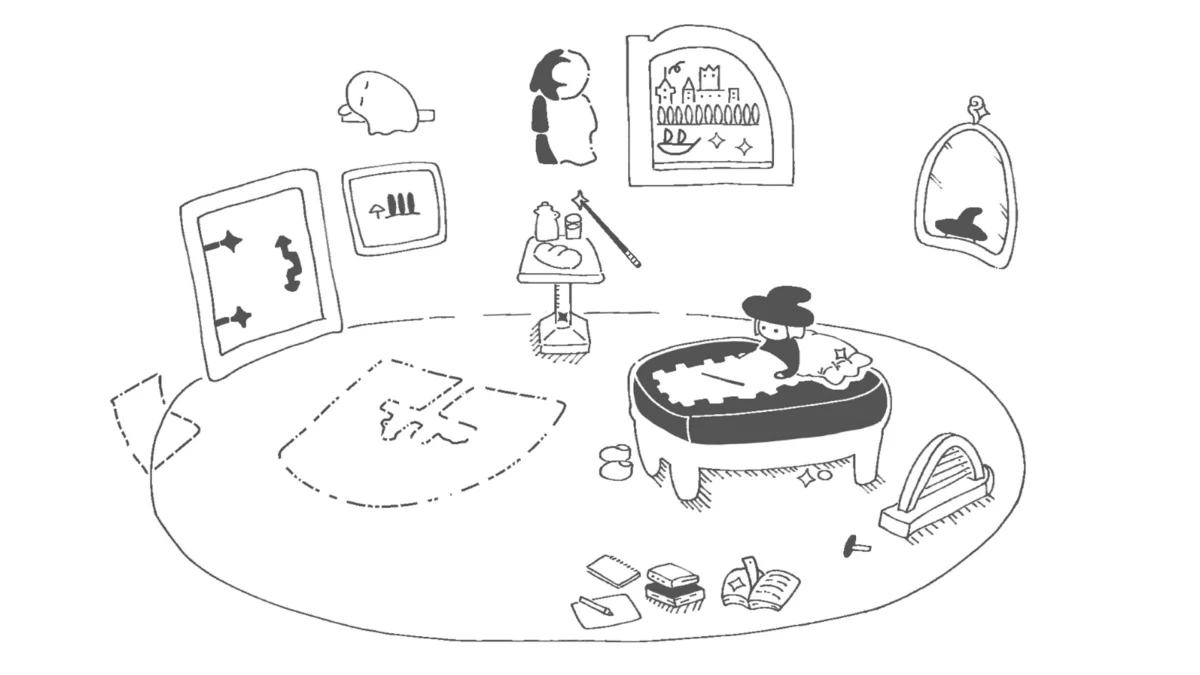
In the contemporary landscape of independent game development, the "Hidden Object Game" (HOG) genre has undergone a significant transformation. Once relegated to the fringes of "casual" gaming and often dismissed by the core gaming community, the genre has seen a creative renaissance. This resurgence is driven by titles that prioritize aesthetic innovation, meditative gameplay loops, and clever mechanical twists. One of the most promising upcoming entries in this space is Twinkle Seek, a monochromatic, witch-themed puzzle game that recently debuted its demo at the Hyper Japan festival. Developed by Gamflix, Twinkle Seek offers a sophisticated take on the genre, blending "spooky-cozy" aesthetics with a unique progressive world-building mechanic.
Main Facts: Redefining the Hidden Object Experience
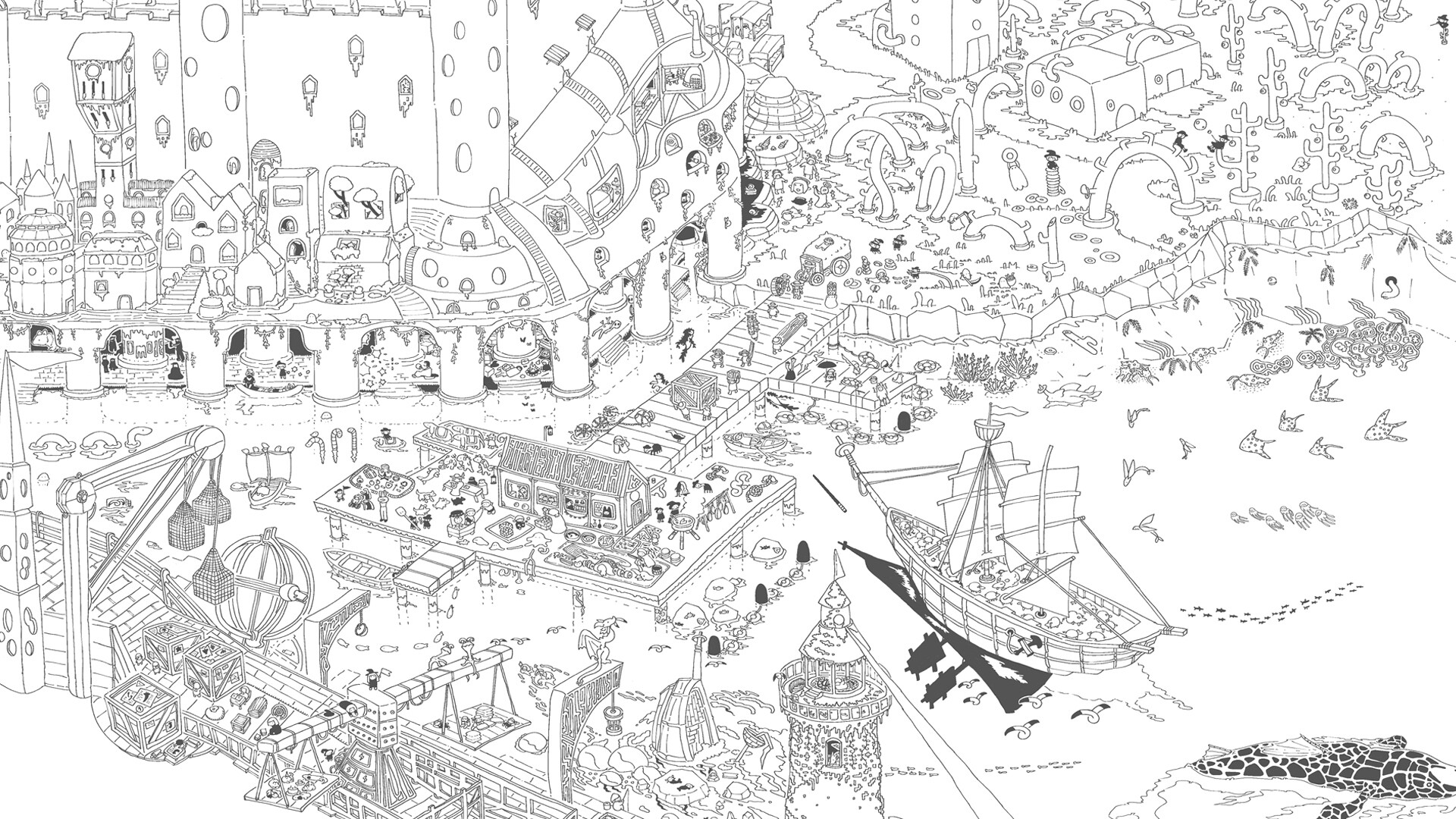
At its core, Twinkle Seek is a game about observation, but it distinguishes itself from its predecessors through its pacing and visual philosophy. While traditional HOGs often overwhelm the player with a cluttered list of disparate items to find in a static scene, Twinkle Seek utilizes a "sparkle" system. Players search for shimmering points of light—referred to as "twinkles"—within a meticulously hand-drawn environment.
The game’s primary hook is its adaptive map. Unlike the standard "one level, one screen" approach, Twinkle Seek begins in a confined, manageable area. As the player successfully identifies a set number of sparkles, the borders of the world expand, revealing new structures, characters, and environmental puzzles. This "recursive discovery" creates a sense of momentum and growth, making the player feel as though they are physically manifesting the world through their perception.
Key Features at a Glance:
- Monochromatic Art Style: High-contrast, black-and-white hand-drawn graphics that emphasize texture and line work.
- Thematic Depth: A "witch and ghost" aesthetic that leans into the "wholesome horror" or "spooky-cozy" trend.
- Progressive Unlocking: A dynamic world that grows larger as milestones are met.
- Accessibility Features: A "ghost friend" hint system designed to prevent player frustration without devaluing the challenge.
- Platform Availability: Currently available for wishlisting on Steam, with a release window targeted for later this year.
Chronology: From Concept to the Hyper Japan Debut
The development of Twinkle Seek follows a trajectory common among successful indie titles: a focus on a singular, polished mechanic refined through public testing. The game first garnered attention through social media teasers showcasing its distinct visual style—a stark departure from the neon-soaked or hyper-realistic palettes of modern AAA titles.
In July 2024, Twinkle Seek reached a major milestone by presenting a playable demo at Hyper Japan, the UK’s largest celebration of Japanese culture and indie creativity. This event served as the ultimate stress test for the game’s accessibility and appeal. Observations from the event noted a diverse demographic of players, ranging from seasoned puzzle enthusiasts to young children.
The chronological development can be summarized through its major phases:
- Prototyping (Pre-2024): Establishing the monochromatic art style and the "expanding world" engine.
- Visual Refinement: Moving from simple outlines to the highly detailed, textured environments seen in the current build, where sparkles are cleverly integrated into organic shapes like leaves and grass.
- Public Exhibition (July 2024): The Hyper Japan demo, which allowed the developers to gather real-time feedback on the difficulty curve and the effectiveness of the hint system.
- Final Polish (Current Phase): Refining the UI, expanding the number of levels, and preparing for the late 2024 launch.
Supporting Data: The Mechanics of Perception
What makes Twinkle Seek stand out in a crowded market is its sophisticated approach to "visual camouflage." Supporting data from player feedback during the demo phase suggests that the game’s difficulty is not derived from the size of the objects, but from their integration into the environment.
The developers have utilized several types of visual tricks to hide the "sparkles":
- Morphological Integration: Sparkles that take the shape of natural elements, such as the veins of a leaf or the silhouette of a blade of grass.
- Architectural Hiding: Objects tucked into the intricate line work of buildings, requiring the player to zoom in and examine the "ghostly" architecture.
- Counter-Intuitive Placement: Placing objects in areas the eye naturally skips over, such as the very edges of the screen or within the shadows of larger assets.
Furthermore, the game tracks player progress through a dedicated counter in the UI. This provides a clear objective: find "X" number of sparkles to unlock the next zone. However, data from playtests indicates a "completionist" trend; because the world is so visually rich, many players choose to stay in an unlocked area to find 100% of the sparkles before moving on, even if the game allows them to progress earlier. This speaks to the "zen-like" quality of the gameplay, where the act of looking is more rewarding than the act of finishing.
Official Responses and Developer Philosophy
While Gamflix has remained a lean, focused development team, their public communications and the design of Twinkle Seek reflect a clear philosophy: "Cozy gaming is for everyone." By including a "ghost friend" who can assist when a player is stuck, the developers have officially addressed the common pitfall of the genre—the "pixel hunt" frustration.
In statements regarding the game’s design, the focus has consistently been on the "tactile" feel of the world. Even though the game is digital, the hand-drawn nature of the assets is intended to evoke the feeling of a living coloring book. The decision to keep the game monochromatic was a deliberate choice to reduce cognitive load, allowing players to focus on shapes and patterns rather than being distracted by color theory.
The presence of the game at Hyper Japan also signaled an official intent to bridge the gap between Western indie game design and Eastern aesthetic sensibilities. The "witchy" vibe of the game draws inspiration from both European folklore and Japanese "kawaii" culture, creating a global appeal that resonated with the festival’s international audience.
Implications: The Future of ‘Spooky-Cozy’ Gaming
The success and reception of the Twinkle Seek demo have broader implications for the indie gaming industry.
1. The Rise of the ‘All-Ages’ Indie
The anecdote of a parent playing with their child (Robin) at Hyper Japan highlights a growing market for games that are mechanically simple enough for children but visually and atmospherically sophisticated enough for adults. Twinkle Seek bridges this gap, proving that "family-friendly" does not have to mean "juvenile."
2. Monochromatic Minimalism as a Trend
Following the success of titles like Hidden Folks, Twinkle Seek reinforces the idea that color is not a requirement for immersion. By stripping away the palette, developers can focus more resources on animation density and environmental detail. This trend is likely to continue as indie developers look for ways to create "signature" visual styles on limited budgets.
3. The ‘Wholesome Horror’ Sub-genre
By combining witches and ghosts with adorable graphics and low-stakes gameplay, Twinkle Seek sits at the forefront of the "Wholesome Horror" movement. This sub-genre takes traditionally "scary" tropes and recontextualizes them into comforting, safe environments. It is a powerful tool for stress relief and has become a staple of the "Cozy Gaming" community on platforms like TikTok and YouTube.
4. Accessibility as a Standard
The inclusion of the "ghost friend" hint system is an implication of the industry-wide move toward total accessibility. Developers are realizing that "hardcore" difficulty is a niche, and providing optional help allows a game to reach a much wider audience without alienating those who want a challenge.
Conclusion: A Bright Outlook for a Dark Palette
Twinkle Seek is more than just a hidden object game; it is a masterclass in atmospheric world-building and inclusive design. By taking a minimalist visual approach and pairing it with a rewarding, expansive gameplay loop, Gamflix has created a title that stands out in the increasingly crowded indie marketplace.
As the game nears its late 2024 release, the anticipation continues to build. For fans of the genre, it offers a fresh, meditative challenge. For the industry, it serves as a reminder that innovation often comes not from adding more features, but from refining a simple concept to its absolute essence. Twinkle Seek invites players to slow down, look closer, and find the magic hidden in the lines—a message that resonates far beyond the confines of the screen.
Players interested in experiencing this monochromatic journey can currently add Twinkle Seek to their Steam wishlists, ensuring they are notified the moment this charming, ghostly world opens its doors to the public.