Chronicles of the High Republic: Unveiling the Creative Genesis of ‘The Art of Star Wars: The Acolyte’
The Star Wars galaxy has always been as much a visual triumph as it is a narrative one. From the kit-bashed aesthetics of the original trilogy to the sleek, digital grandeur of the prequels, the look of a Star Wars project defines its place in the timeline. With the release of The Art of Star Wars: The Acolyte, fans and scholars of film production are granted an unprecedented look into the final days of the High Republic—a period of history previously confined to the pages of novels and comic books, now brought to vivid, live-action life.
This official production chronicle serves as a comprehensive archive of the Disney+ series created by Leslye Headland. Set roughly a century before the events of Episode I: The Phantom Menace, the series represents a bold departure from the Skywalker Saga, focusing on a burgeoning darkness during an era of perceived peace. The publication of this volume marks a significant milestone in the documentation of modern Lucasfilm productions, offering a meticulous breakdown of the artistic and technical labor required to visualize the Jedi at the height of their power.

Main Facts: A Definitive Visual Record
The Art of Star Wars: The Acolyte is more than a mere collection of pretty pictures; it is a technical manual of world-building. Published as the latest installment in the prestigious "Art of" series, the book compiles hundreds of pieces of concept art, character sketches, vehicle blueprints, and storyboards.
The volume focuses on the creative journey of the series, which follows a respected Jedi Master (played by Lee Jung-jae) as he investigates a shocking crime spree that pits him against a dangerous warrior from his past (Amandla Stenberg). Because The Acolyte is the first live-action exploration of the High Republic, the production team was tasked with "reverse-engineering" the Star Wars aesthetic. They had to create a world that looked older than the Prequel Trilogy yet more refined, reflecting a time when the Republic was expanding and the Jedi Order was not yet spread thin by galactic war.

Key highlights of the book include:
- Detailed Character Studies: From the twin protagonists Osha and Mae to the imposing presence of "The Stranger," the book details the evolution of costumes that blend traditional Jedi robes with Wuxia-inspired silhouettes.
- Environmental Concept Art: Deep dives into the aesthetics of new planets such as the lush, forested Khofar and the mysterious, coven-inhabited Brendok.
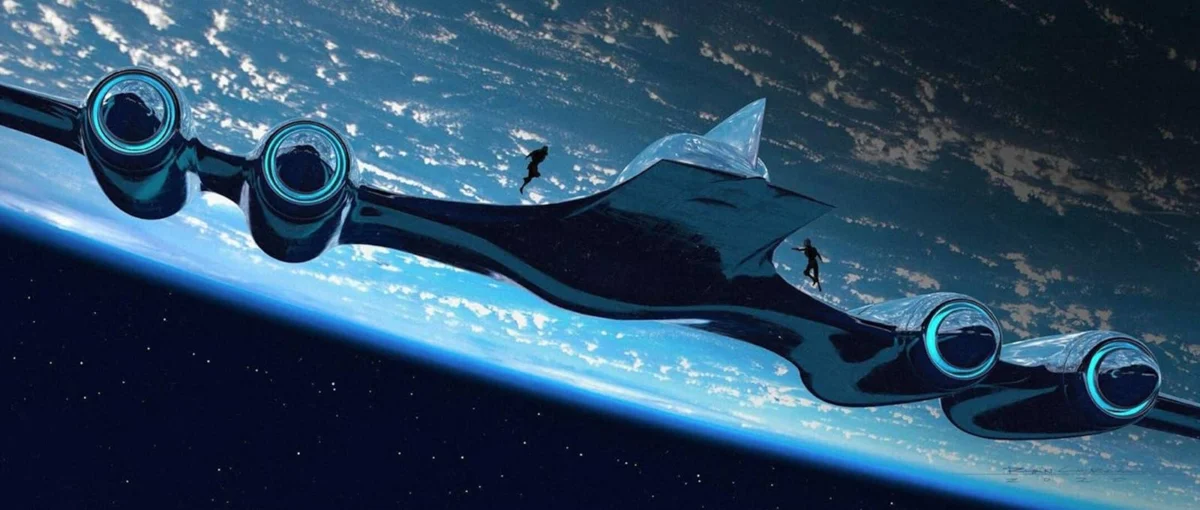
- Prop and Vehicle Design: Blueprints for a new generation of Jedi Starfighters and the intricate design of the "cortosis" helmet worn by the series’ antagonist.
- Cast and Crew Commentary: Exclusive interviews with showrunner Leslye Headland, stars Amandla Stenberg and Lee Jung-jae, and the visionary artists at Industrial Light & Magic (ILM).
Chronology: Mapping the High Republic’s Live-Action Debut
To understand the significance of this book, one must look at the timeline of the High Republic project itself. Launched in 2021 as "Project Luminous," the High Republic was an ambitious multimedia initiative spanning books, comics, and audio dramas. It was designed to explore the Jedi Order at its zenith—roughly 200 to 100 years before the films.

The Acolyte serves as the chronological "bridge" between this era of prosperity and the eventual decline seen in the Prequels. The production of the series, and the subsequent documentation in this art book, followed a specific trajectory:
- Pre-Production (2020–2022): Leslye Headland and her creative team began conceptualizing a "mystery-thriller" set in a time of peace. The art department, led by veteran Star Wars designers, had to define the "High Republic look," which utilized more gold, white, and ornate detailing than the utilitarian browns and greys of the later eras.
- Filming (Late 2022–2023): The series utilized a mix of massive practical sets in the UK and the cutting-edge "Volume" (StageCraft) technology. The Art of Star Wars: The Acolyte documents how concept art was translated into these digital and physical environments.
- Post-Production and Premiere (2024): As the series debuted on Disney+, the visual effects teams finalized the lightsaber combat sequences, which were designed to be more acrobatic and "martial arts-heavy" than previous iterations.
- Archival Publication (2025/2026): The release of the production chronicle serves as the final word on the show’s visual legacy, preserving the work of hundreds of artists regardless of the show’s future seasons.
Supporting Data: The Technical Artistry of the Jedi Golden Age
The book provides granular data on the specific artistic shifts that define The Acolyte. One of the most striking elements documented is the "Wuxia" influence. Headland famously cited martial arts films like Come Drink with Me and Touch of Zen as inspirations. The art book showcases how this translated into the "Force-fu" combat style, where concept artists had to design costumes that allowed for high-mobility stunts while maintaining the regal weight of the Jedi Order.

Costume and Color Theory
The book explores the deliberate use of color. In the High Republic, Jedi are often seen in "temple attire"—white and gold robes that signify their role as beacons of hope. As the series progresses into the "mission attire" (mustard yellows and browns), the art book tracks the transition from idealism to the practical reality of a galaxy beginning to see the shadows of the Dark Side.
Creature and Droid Design
A significant portion of the volume is dedicated to the new creatures and droids introduced. Pip, the handheld repair droid, underwent dozens of iterations to ensure he felt like a precursor to the droids of the Skywalker era but with a distinct, "analog" charm. Similarly, the design of the Tynnan Jedi, Bazil, required a balance between practical puppetry and digital enhancement, all of which is charted through early sketches and final renders.

Official Responses: Insights from the Creators
In the interviews featured within the book, the cast and crew reflect on the gravity of defining a new era.
Leslye Headland discusses the challenge of the "Sith perspective," noting that the art had to reflect a world that felt safe to the Jedi but claustrophobic to those in the shadows. "We wanted to show a version of the galaxy that was more vibrant and less lived-in than the original trilogy," Headland explains in the text. "It’s a time of expansion, and the art reflects that optimism."

Lee Jung-jae, who portrays Master Sol, speaks to the physical manifestation of his character. "The design of Sol’s robes and his lightsaber hilt were vital to how I moved," he notes. The book includes sketches that show how Sol’s look was tailored to reflect a man of deep emotion and traditional values, standing as a pillar of the Order.
Amandla Stenberg provides insight into the dual nature of her roles as Osha and Mae. The concept art highlights the subtle differences in their silhouettes—Osha’s look is more mechanical and grounded, reflecting her life as a "meknek," while Mae’s attire is fluid and predatory, designed for the shadows of the forest.

Implications: The Legacy of ‘The Acolyte’ and the Future of Star Wars
The release of The Art of Star Wars: The Acolyte comes at a pivotal time for the franchise. While the series itself faced a polarized reception and news regarding its continuation has been a subject of intense debate, the artistic merit of the production remains undisputed.
The implications of this book are threefold:

1. Preserving the High Republic’s Visual Language
By documenting the specific designs of this era, Lucasfilm has established a "visual Bible" for future High Republic projects. Whether in future live-action series, animation, or video games, the gold-hued halls of the Jedi Temples and the specific ship designs found in this book will serve as the foundation for the era’s aesthetic continuity.
2. The Value of Physical Media and Artistry
In an era of streaming where content can sometimes feel ephemeral, high-quality production chronicles like this serve as a testament to the thousands of hours of human labor involved in filmmaking. The book highlights the work of concept artists who often remain unsung, ensuring their contributions to the Star Wars mythos are etched in print.

3. A Bridge to the Prequels
The book’s final chapters hint at the encroaching darkness that eventually leads to the fall of the Republic. By showing the "before," the art helps fans better understand the "after." The subtle degradation of the Jedi’s visual splendor—moving from the bright whites of The Acolyte to the more muted tones of The Phantom Menace—is a narrative told through design, and this volume provides the key to decoding that story.
In conclusion, The Art of Star Wars: The Acolyte is an essential acquisition for those interested in the intersection of conceptual art and cinematic storytelling. It stands as a factual, beautifully rendered account of how a new chapter of the Star Wars timeline was realized, offering a rare glimpse into the "Golden Age" of the Jedi before the long night of the Empire began. For the collector, the student of film, or the dedicated fan, it is a definitive map of a galaxy far, far away, during one of its most fascinating epochs.