Impact Inked Unveils ‘Unlock The Vault’: A Strategic Initiative to Bolster the PlayStation VR2 Library
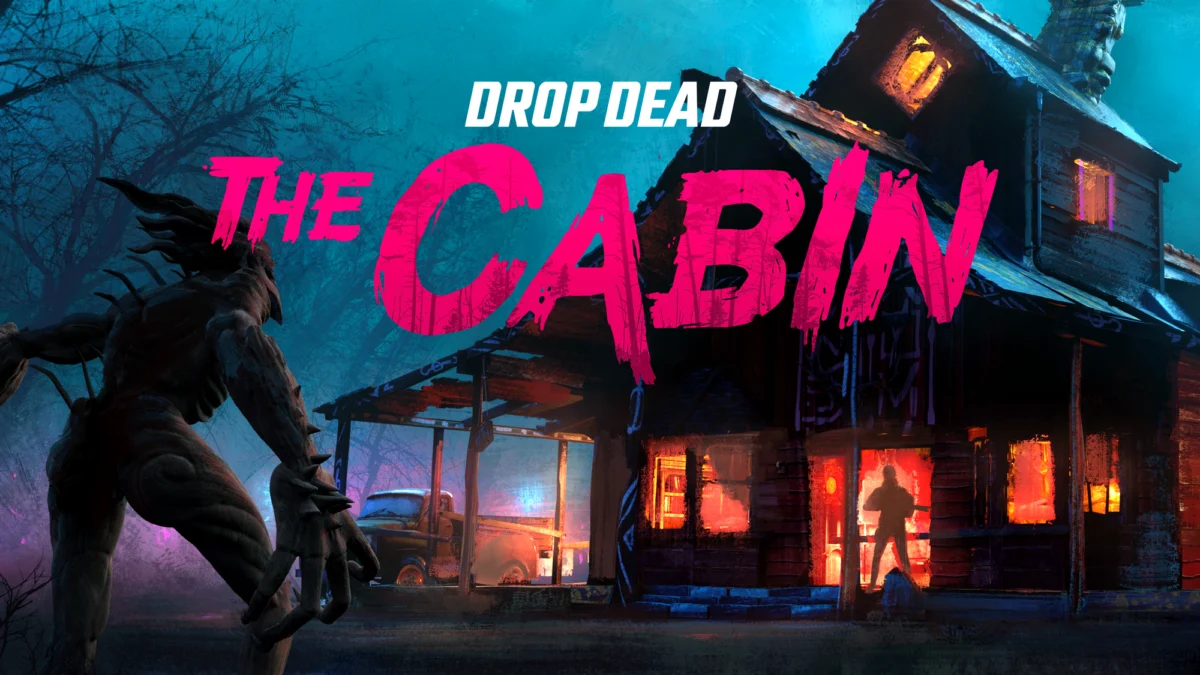
The landscape of virtual reality gaming is undergoing a significant shift as publishers and developers seek to bridge the gap between hardware ecosystems. In a major move to address the content demands of the PlayStation VR2 (PS VR2) community, publisher Impact Inked has officially announced "Unlock The Vault." This new publishing initiative is designed specifically to port and optimize successful VR titles for Sony’s latest headset, beginning with the highly anticipated arrival of Soul Assembly’s Drop Dead: The Cabin.
The announcement, which took place during the recent VR Games Showcase, signals a concerted effort to leverage the technical prowess of the PS VR2 while drawing on the expertise of industry veterans and community leaders. As the VR market continues to mature, "Unlock The Vault" represents a specialized pipeline intended to ensure that the "best-in-class" experiences from Meta Quest and PCVR find a high-fidelity home on PlayStation.
I. Main Facts: The Architecture of ‘Unlock The Vault’
At its core, "Unlock The Vault" is more than a mere porting house; it is a curated publishing program. The initiative was introduced via a comprehensive four-minute presentation hosted by Myles Dyer of Flat2VR Studios. The program’s mission is to identify titles that have resonated with audiences on other platforms and provide the technical and marketing resources necessary to bring them to the PS VR2 with full feature parity and platform-specific enhancements.
The First Entry: Drop Dead: The Cabin
The flagship title for this initiative is Drop Dead: The Cabin, developed by Soul Assembly. Originally a standout hit on the Meta Quest platform, the game is a cooperative zombie extraction shooter. Unlike its predecessor, the on-rails shooter Drop Dead: Dual Strike, The Cabin offers full locomotion and a survival-horror gameplay loop that emphasizes teamwork, resource management, and high-stakes extraction.
A High-Profile Advisory Council
Perhaps the most striking aspect of the announcement was the reveal of the "Vault Keepers"—a panel of experts tasked with selecting and promoting the titles brought over through the initiative. This council includes:
- Shuhei Yoshida: The former President of SIE Worldwide Studios and a legendary figure in the PlayStation ecosystem, currently serving as the Head of the Indies Initiative at Sony Interactive Entertainment.
- Ryan Biniecki (MysticRyan): A prominent PlayStation-focused YouTuber known for deep-dive analyses of hardware and software trends.
- Rob Pearson (PlayStation Access): A veteran voice from the official PlayStation UK community channel.
- Bryan Paul (WithoutParole): The leading voice in the PS VR2 community, whose channel provides daily coverage and rigorous reviews of the platform’s library.
Each of these individuals will reveal a subsequent game from the "Vault" at later dates, suggesting a roadmap of at least four additional high-profile ports in the near future.
II. Chronology: From Meta Quest Success to PS VR2 Expansion
The journey of Drop Dead: The Cabin to the PlayStation ecosystem reflects the broader evolution of the VR industry over the last two years.
2023: The Quest Launch
Drop Dead: The Cabin debuted in early 2023 on the Meta Quest 2. It was designed as a two-player co-op experience that paid homage to 1980s horror cinema. The game challenged players to survive waves of "reanimates" while repairing a generator to power an extraction vehicle. Its blend of rogue-lite elements and intense gunplay quickly established it as a staple of the Quest library.
Late 2023: The Mixed Reality Pivot
Following the launch of the Meta Quest 3 in the fall of 2023, Meta placed a heavy emphasis on Mixed Reality (MR). In response, Soul Assembly developed Home Invasion, an MR mode that transformed the player’s actual living room into a defensive stronghold against zombies. This mode was eventually released as a standalone experience on the Quest Store, demonstrating the developer’s ability to adapt to new hardware capabilities—a trait that bodes well for the PS VR2 port.
2024: PCVR and the Road to PlayStation
The game eventually transitioned to SteamVR, evolving into a hybrid title that expanded the player count to four-player co-op. This version served as the technical foundation for the high-fidelity assets and lighting models required for a console-quality release. The culmination of this growth was the reveal at the VR Games Showcase, where Jamie Feltham officially confirmed that the definitive version of the game would be coming to PS VR2 via the "Unlock The Vault" initiative.
III. Supporting Data: The PS VR2 Content Ecosystem
To understand the significance of Impact Inked’s initiative, one must look at the current state of the PS VR2 market. Despite its impressive specs—including a 2000 x 2040 per-eye resolution, OLED displays, and unique haptic feedback systems—the headset has faced criticism regarding its software library.
The Porting Gap
According to industry data, a significant percentage of the top-selling VR games are developed first for the Meta Quest due to its larger install base. However, many of these titles suffer from graphical compromises to run on mobile chipsets. The PS VR2 offers:
- Foveated Rendering: Using eye-tracking to concentrate processing power where the player is looking.
- Haptic Feedback: Vibrations in both the controllers and the headset itself.
- Adaptive Triggers: Providing resistance in the triggers to simulate the feel of different firearms.
"Unlock The Vault" aims to capitalize on these features. For Drop Dead: The Cabin, this means the transition from the mobile-processor constraints of the Quest to the power of the PlayStation 5 will allow for improved lighting, higher-resolution textures, and more complex physics—features that the PS VR2 audience demands.
Community Influence
The inclusion of creators like Bryan Paul and MysticRyan is a data-driven strategy. The PS VR2 community is highly centralized on YouTube and social media. Bryan Paul’s PSVR2 Without Parole channel, for instance, often serves as a primary discovery tool for VR enthusiasts. By involving these influencers directly in the "Vault" selection process, Impact Inked is ensuring a built-in marketing funnel and a direct line of communication with the platform’s most dedicated users.
IV. Official Responses: A Vision for the Future
While formal press releases often remain dry, the tone of the VR Games Showcase presentation was one of optimism and community-centric development.
Myles Dyer (Flat2VR Studios/Impact Inked) emphasized the importance of curation. He noted that the initiative isn’t just about moving files from one platform to another, but about "unlocking" the potential of games that deserve a wider audience and better hardware.
Shuhei Yoshida’s participation serves as a de facto endorsement from the highest levels of the PlayStation hierarchy. His presence suggests that Sony is supportive of third-party publishers taking the lead in diversifying the PS VR2 library, especially as the company focuses its internal resources on broader PlayStation 5 initiatives.
Soul Assembly, the developers of Drop Dead: The Cabin, expressed excitement about the PS VR2 features. While they have not yet detailed the specific implementation of headset haptics, they hinted that the immersion levels of the "Cabin" experience would be significantly heightened by the Sense controllers’ precision and the PS5’s graphical overhead.
V. Implications: What This Means for the VR Industry
The launch of "Unlock The Vault" carries several long-term implications for the VR industry, developers, and consumers alike.
1. A New Model for Third-Party Publishing
Historically, porting a game to PS VR2 has been a risky financial endeavor for small indie studios due to the specialized nature of the hardware (e.g., eye-tracking, haptics). Impact Inked is positioning itself as a "bridge" publisher. By absorbing some of the risk and providing specialized porting knowledge, they allow developers like Soul Assembly to reach a premium audience without overextending their internal resources.
2. Sustaining the PS VR2 Lifecycle
For Sony, initiatives like this are vital. As the initial "honeymoon phase" of the PS VR2 hardware passes, the platform needs a steady stream of "AA" and "AAA" indie content to keep the ecosystem viable. If "Unlock The Vault" successfully brings five or more high-quality titles to the platform in the next year, it could alleviate the "content drought" narrative that has plagued the headset since launch.
3. The Power of "The Council"
The use of influencers as "Vault Keepers" marks a shift in how VR games are marketed. It moves away from traditional top-down advertising and toward a peer-to-peer recommendation model. This could set a precedent for other publishers to involve community figures earlier in the publishing lifecycle to ensure the games being ported are actually the ones the community wants.
4. Technical Parity vs. Enhancement
The success of Drop Dead: The Cabin on PS VR2 will be a litmus test for the initiative. If the game is a "straight port" with minimal upgrades, it may receive a lukewarm reception. However, if it utilizes the PS5’s power to create a visually superior version with meaningful haptic integration, it will set a high bar for the subsequent games in the "Vault."
Conclusion
The announcement of "Unlock The Vault" and the arrival of Drop Dead: The Cabin on PS VR2 represents a strategic maturation of the VR market. By combining the corporate prestige of Shuhei Yoshida with the grassroots influence of the VR YouTube community, Impact Inked has created a potent platform for software expansion.
As Drop Dead: The Cabin moves toward its release on the PlayStation Store—where it can currently be wishlisted—the industry will be watching closely. The "Vault" has been opened, and the titles that emerge from it in the coming months will likely define the mid-generation trajectory of the PlayStation VR2. For players, it is a promise of more content; for developers, it is a new path to profitability; and for the VR ecosystem, it is a necessary step toward a more unified and robust gaming landscape.