Culinary Warfare: How ‘Abyss Kitchen’ Reimagines the Survival Action Genre

The landscape of indie gaming is frequently defined by its ability to subvert established tropes, blending disparate genres to create something entirely novel. One of the latest titles to attempt this feat is Abyss Kitchen, a survival action game that shifts the player’s focus from the tip of the sword to the heat of the frying pan. While most survival games cast the player as a lone warrior or a primary combatant, Abyss Kitchen introduces a compelling asymmetrical dynamic: you are the team’s chef, and your culinary prowess is the only thing keeping your party from certain doom in the depths of a hostile abyss.
Recently showcased at Hyper Japan and now available on Steam, Abyss Kitchen challenges the traditional "hero" narrative by highlighting the logistical and nutritional backbone of an adventuring party.
Main Facts: The Culinary Core of Survival
At its heart, Abyss Kitchen is a game about resource management under extreme pressure. Unlike standard action-RPGs where cooking is a secondary crafting mechanic tucked away in a menu, here it is the primary gameplay loop. Players find themselves embedded within a team of warriors who handle the brunt of the frontline combat. However, these warriors are not self-sufficient; they require constant sustenance and tactical buffs to survive the waves of monsters emerging from the abyss.
The Role of the Combat Chef
In Abyss Kitchen, the player assumes the role of a support specialist. While your teammates engage in high-stakes skirmishes with monstrous creatures, your objectives are twofold: gathering and preparing. The player is equipped with a bow, providing a layer of ranged defense, but the weapon is often a tool of last resort or a means of harvesting specific resources.
The gameplay revolves around:
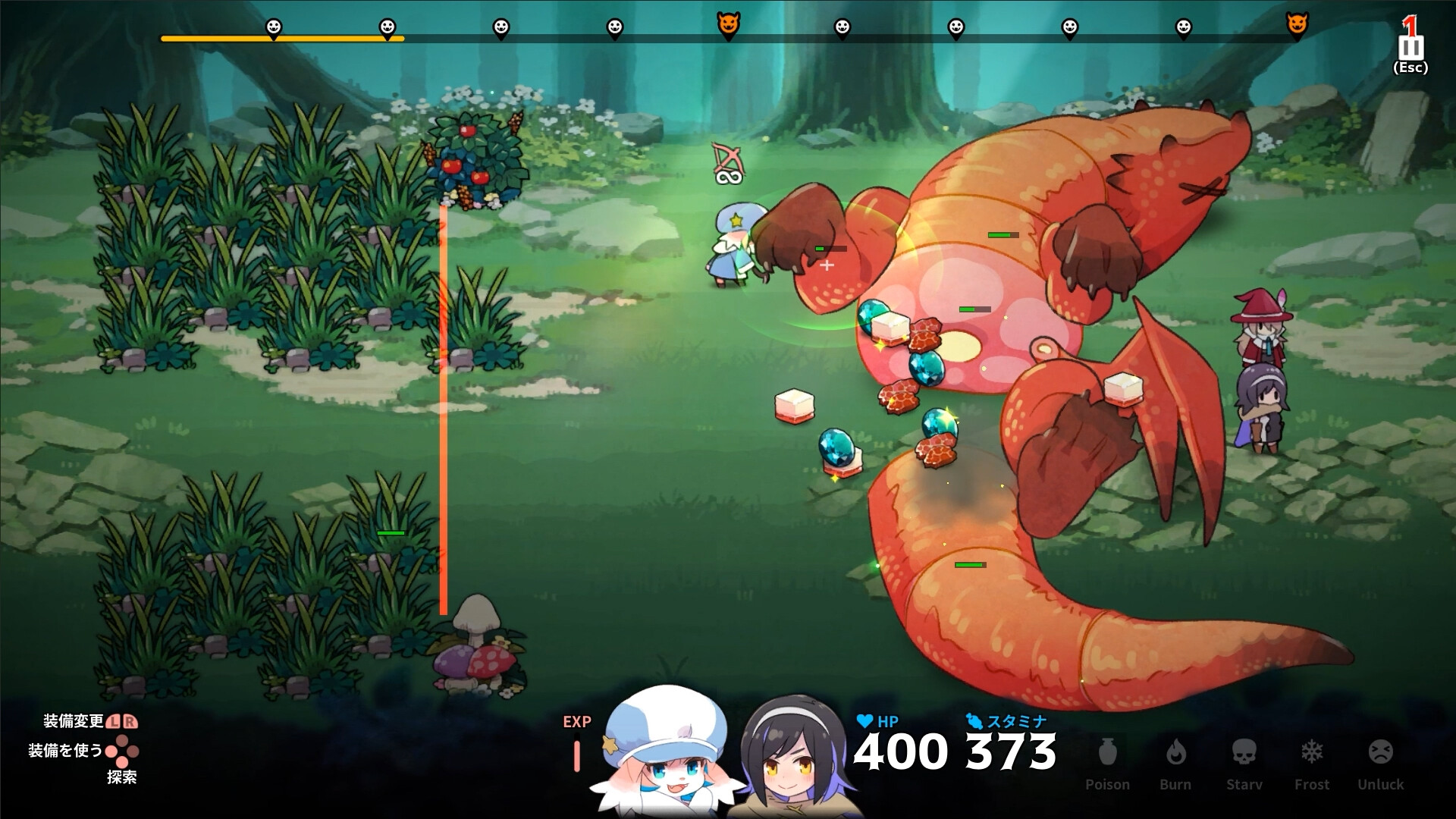
- Active Harvesting: Navigating the battlefield to cut down "long blades of grass" and other environmental flora while dodging enemy projectiles.
- Monster Butchery: Once the frontline fighters slay a beast, the player must move in to "break down" the remains, extracting meat and exotic ingredients before the tide of battle shifts.
- Real-Time Cooking: Utilizing a portable kitchen setup to whip up dishes that provide immediate benefits. This isn’t a passive activity; it requires timing and prioritization based on the team’s current state.
Strategic Formations
A standout feature of the game is the "Formation" system. While the chef typically remains in the rear, there are moments where the enemies’ power scaling requires the chef to join the frontlines. Creating specific formations allows the team to unleash powerful synergies, proving that even the support staff is integral to the tactical execution of a dungeon crawl.
Chronology: From Concept to Hyper Japan
The journey of Abyss Kitchen reflects a growing trend in the indie scene: the "Cozy-Action" hybrid. The development cycle focused on creating a game that felt high-stakes yet rewarded the organizational satisfaction found in cooking simulators.
- Initial Development: The developers sought to create a game that answered the question: "Who feeds the heroes in the middle of a dungeon?" This led to the creation of a protagonist who is competent with a bow but excels at a stove.
- Steam Early Access and Launch: The game moved through various iterations of its "Abyss" environment, refining the AI of the teammates to ensure the player felt like part of a functioning unit rather than a solo player with bots.
- Hyper Japan Showcase: In mid-2024, Abyss Kitchen was featured at Hyper Japan, a premier festival for Japanese culture and gaming in the UK. The game’s unique art style—reminiscent of modern anime with a dark, atmospheric twist—and its focus on "monster food" (a popular trope in Japanese media like Delicious in Dungeon) resonated strongly with the audience.
- Official Release: Following the positive reception at Hyper Japan, the game saw a surge in interest on Steam, where it is currently available for the global PC gaming audience.
Supporting Data: The Mechanics of Nutrition
To understand why Abyss Kitchen is more than a simple "click-to-cook" game, one must look at the data-driven buffs that govern the gameplay. The effectiveness of a player’s performance is measured by the "Battlefield Utility" of their dishes.
Nutritional Buff Breakdown
Each ingredient harvested in the Abyss carries specific properties. When combined, they produce dishes that fall into several critical categories:
- HP Recovery: Essential for long-form survival. The chef must monitor the health bars of the AI (or co-op) teammates and deliver meals before they collapse.
- Attack Power Augmentation: Specific monster meats, when cooked with rare herbs, provide a temporary "Berserk" or "Strength" status to the frontline fighters.
- Stamina and Speed: Light vegetable-based dishes allow the team to dodge more effectively, which is vital during boss encounters.
- Defense and Resistance: Cooking hide-based or "tough" ingredients can harden the team’s resolve, reducing incoming damage from heavy-hitting Abyss dwellers.
Environmental Interaction
The "long blades of grass" mentioned in initial reviews serve as more than just filler. They act as a "soft resource" that players must manage. Over-harvesting an area might leave the chef without quick-burn fuel or garnishes, while under-harvesting prevents the team from reaching their full potential. The player must balance their movement between the safe "backline" and the dangerous "harvest zones."
Official Responses and Developer Philosophy
While the developers have remained relatively low-profile, their design philosophy is evident in the game’s structure. The goal was to create a "support-lead" experience. In many multiplayer games, the "Healer" or "Support" role is often seen as a chore. Abyss Kitchen aims to make this role the most dynamic and frantic position on the field.
In promotional materials and interviews conducted during the Hyper Japan event, the developers emphasized the importance of the "Kitchen-Battle Balance." They stated that the bow was intentionally designed not to be an "overpowered" weapon. If the player spends too much time shooting, the team starves. If they spend too much time cooking without watching their surroundings, they are easily picked off by straggling enemies. This creates a "flow state" where the player is constantly oscillating between defense and production.
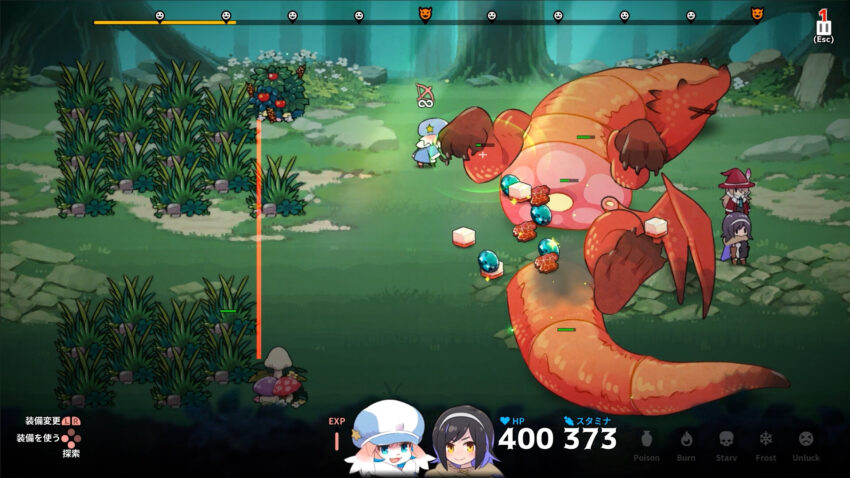
Early player feedback on Steam has praised the game for its "stressful yet rewarding" loop. One common sentiment among the community is that Abyss Kitchen captures the feeling of being a "line cook in a war zone," a niche but highly engaging fantasy.
Implications: A New Sub-Genre of Survival?
The success and unique positioning of Abyss Kitchen have broader implications for the survival and action genres.
The Rise of Asymmetrical Support Games
For years, survival games have focused on the "gatherer-builder" archetype. Abyss Kitchen pushes this into the "gatherer-maintainer" territory. By making the survival of others the player’s primary win condition, it fosters a different kind of emotional investment. We may see more titles adopting this "active support" model, where the player is an essential cog in a machine rather than the machine itself.
The "Dungeon Meshi" Effect
There is an undeniable cultural overlap between Abyss Kitchen and the popular manga/anime Delicious in Dungeon (Dungeon Meshi). The fascination with the ecology of monsters and the culinary potential of fantasy creatures is at an all-time high. Abyss Kitchen capitalizes on this "gastronomy-adventure" trend, proving that there is a significant market for games that treat food as a central pillar of world-building rather than a mere health-pack skin.
Future Potential
As the game continues to grow its player base on Steam, there is potential for expanded content, such as:
- Co-operative Multiplayer: Allowing one player to fight while the other cooks would elevate the game’s strategic depth.
- Diverse Biomes: Introducing different "Abyssal Floors" with unique flora and fauna would keep the recipes fresh and the harvesting mechanics challenging.
- Kitchen Upgrades: A deeper progression system for the cooking gear itself could add a "roguelite" layer to the survival experience.
Conclusion
Abyss Kitchen stands as a testament to the creativity of the indie gaming sector. By taking the humble act of cooking and placing it in the center of a chaotic, monster-infested battlefield, it offers a fresh perspective on what it means to be a "hero." Whether you are a fan of high-octane action or the meticulous management of a kitchen, this title offers a blend that is as satisfying as a well-cooked meal in the heart of the abyss. For those looking to trade their broadswords for ladles—without giving up the thrill of the fight—Abyss Kitchen is a must-play title that is currently redefining the boundaries of the survival genre.