FitXR Transcends the Headset: A Strategic Shift Toward Hybrid Spatial Fitness

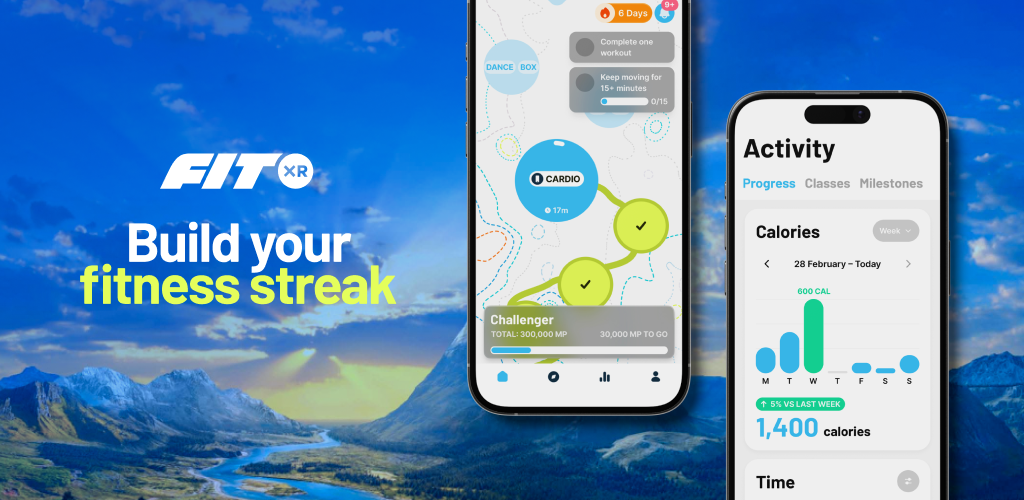
The landscape of virtual reality (VR) fitness is undergoing a fundamental transformation, moving away from the "headset-only" silos that have defined the industry for the past half-decade. Leading this charge is FitXR, one of the premier fitness platforms on the Meta Quest ecosystem. In a major strategic expansion, FitXR has announced the launch of its redesigned smartphone application, featuring "Mobile Workouts"—a personalized, beta-stage feature that allows users to engage in strength, cardio, and mobility sessions without the need for a VR headset.
This move marks a significant pivot for the London-based company, signaling a transition from a VR-centric gaming experience to a holistic, cross-platform fitness ecosystem. By integrating mobile-first workouts into its existing "Your Journey" training architecture, FitXR is attempting to solve one of the primary hurdles of VR fitness: the friction of hardware.
The Core Transformation: Fitness Without Friction
The primary fact of this update is the introduction of "made-to-order" classes that live entirely on a user’s iOS or Android device. While FitXR has long maintained a companion app, its utility was previously limited to viewing statistics and basic scheduling. The new update elevates the mobile experience to a primary workout destination.

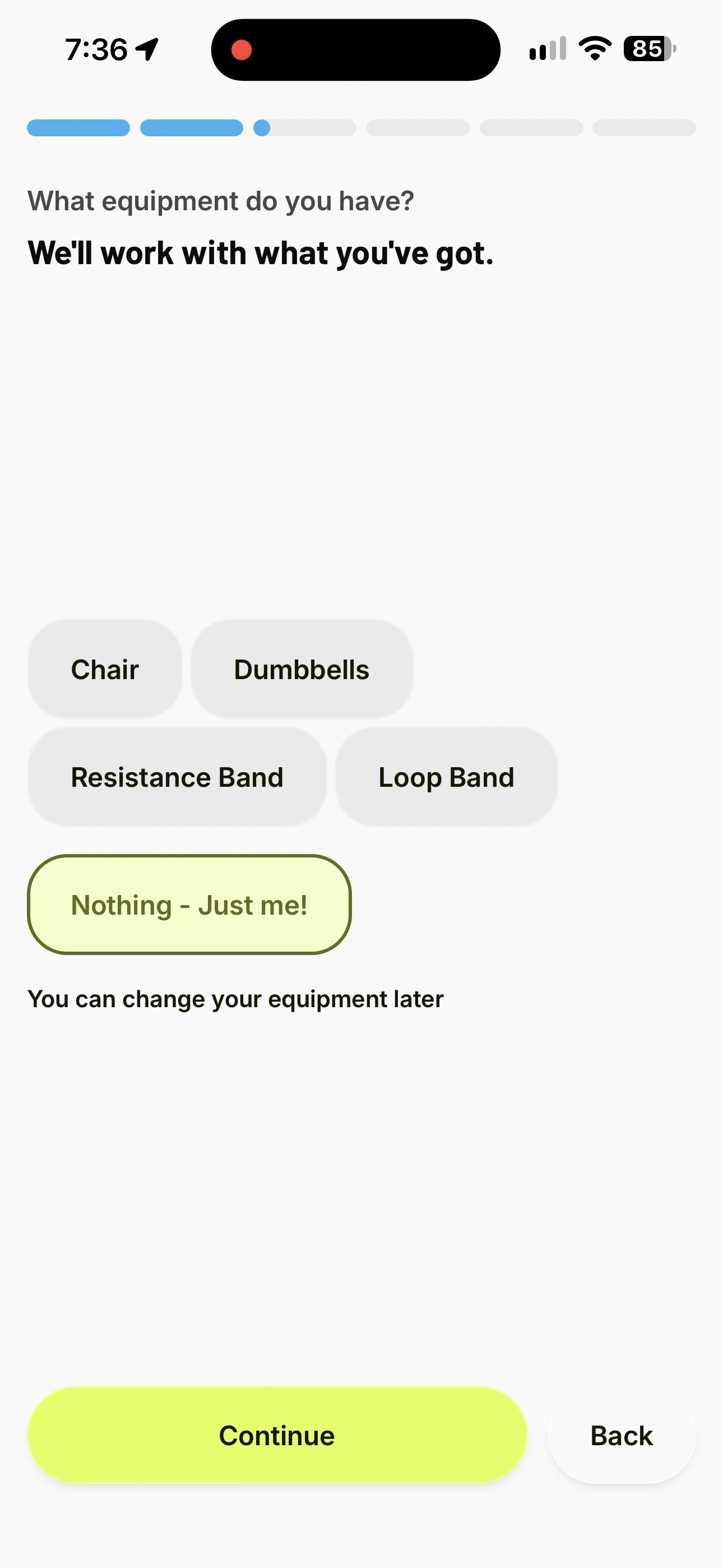
These mobile sessions are not merely static videos; they are dynamically generated based on a member’s specific goals, current fitness level, and—crucially—available equipment. During the setup process, users can specify whether they have access to dumbbells, resistance bands, loop bands, or a chair, or if they prefer bodyweight-only exercises. This level of customization allows the app’s AI assistant, Atlas, to construct a bespoke session that mirrors the intensity of a VR class but in a 2D, mobile-accessible format.
Chronology: The Evolution of the FitXR Ecosystem
To understand the significance of this mobile expansion, one must look at the developmental trajectory of FitXR over the last several years.
- The BoxVR Era (2017–2020): Originally launched as BoxVR, the platform was a rhythm-based boxing game. It was a "pay-once" title that focused on arcade-style mechanics.
- The Rebrand and Subscription Model (2021): The company rebranded to FitXR, expanding its offerings to include Dance and HIIT studios. It transitioned to a subscription-based model, signaling its intent to become a "long-term fitness partner" rather than a one-off gaming experience.
- The Introduction of "Your Journey" (July 2024): Earlier this year, FitXR launched "Your Journey," a feature that moved away from a library of random classes toward a structured, progressive training plan. This was the first major step toward deep personalization, using data to recommend specific workouts based on user progress.
- The Mobile Beta Launch (September 2024): The current update represents the most recent milestone. By decoupling the content from the headset, FitXR is addressing the "hybrid" nature of modern fitness, where users might work out in VR at home but want a guided session while traveling or at a traditional gym.
Technical Analysis and Supporting Data: How the Hybrid System Works
The integration between the mobile app and the VR environment is designed to be bi-directional and seamless. This "cross-platform" functionality is supported by several key technical features:

The "Your Journey" Integration
Mobile workouts are now a core component of the "Your Journey" training plans. Once a user enables mobile workouts, these sessions appear as checkpoints in their long-term plan. If a user is scheduled for a VR boxing session but finds themselves in a hotel room without their Meta Quest, they can manually toggle that session to a mobile-based strength or mobility workout. All progress, calories burned, and streaks are synced across the account.
Smart Intensity and Feedback Loops
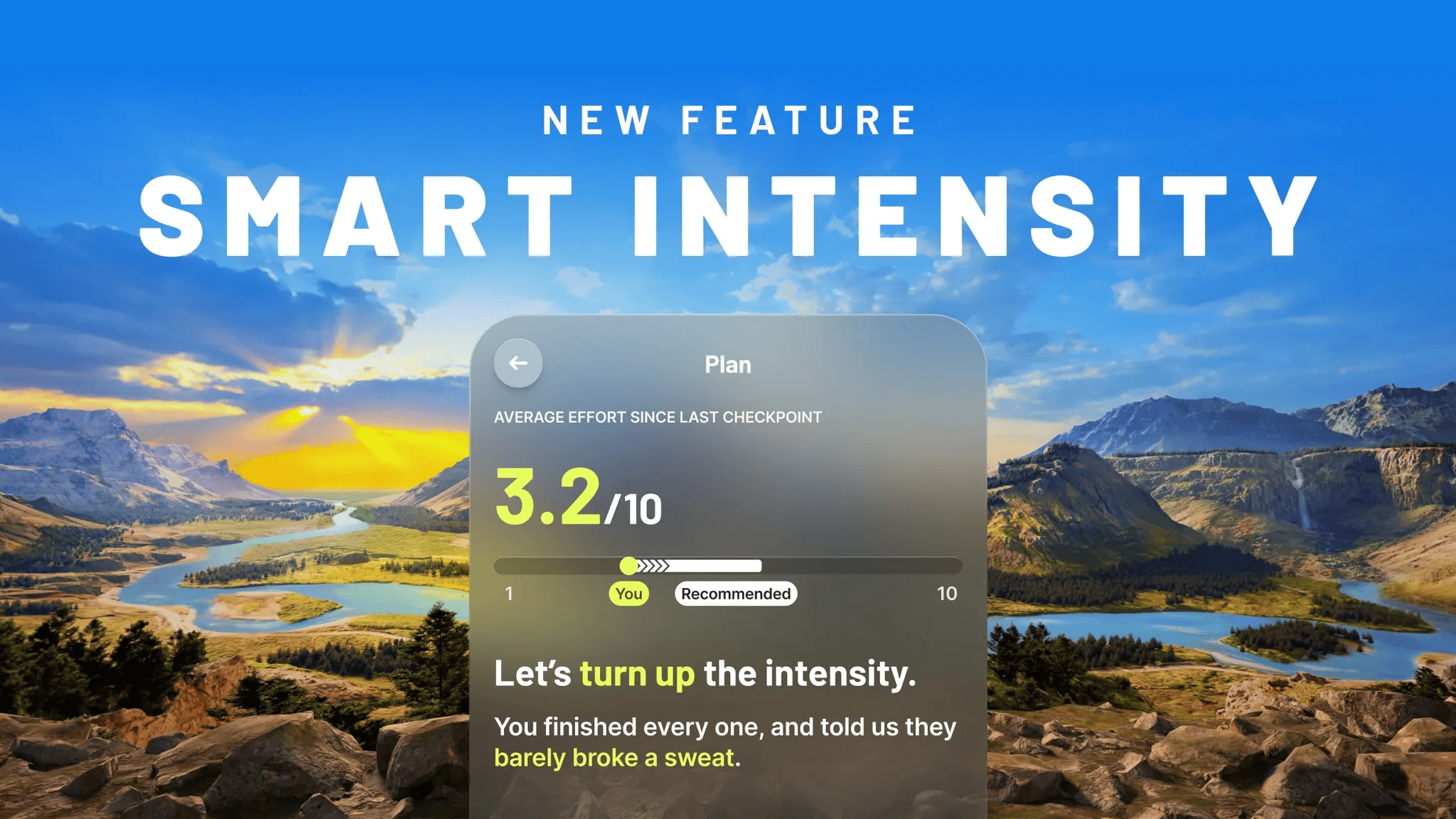
A critical piece of data supporting this update is the "Smart Intensity" feature. Following a class, users are prompted to rate the perceived exertion of the workout. The system then uses these ratings to calibrate future sessions. If a user consistently rates mobile workouts as "easy," the AI will increase the complexity of movements or the duration of intervals in the next session. This creates a closed-loop feedback system that ensures the mobile experience is as rigorous as the VR one.
The AI Assistant: Atlas
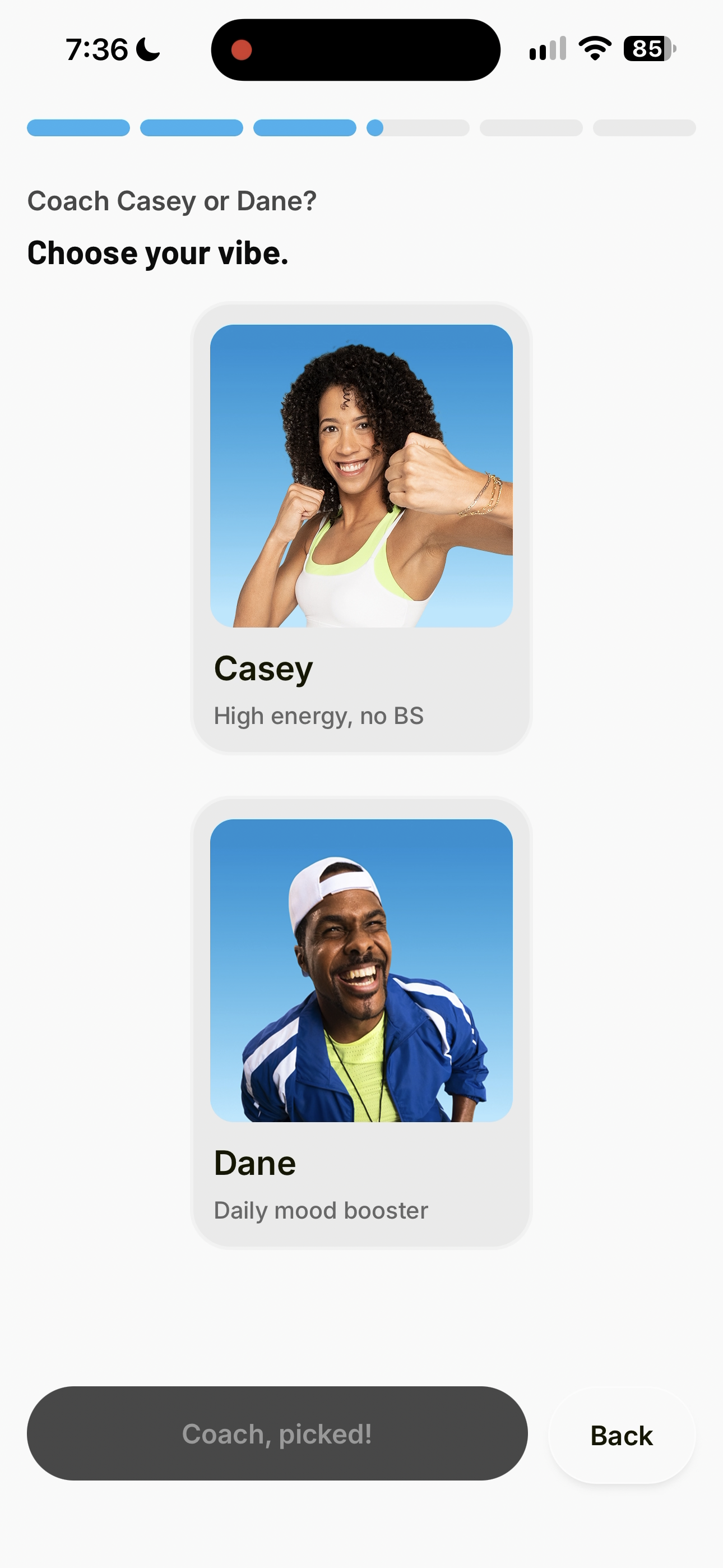
The mobile experience is guided by "Atlas," FitXR’s digital assistant. Atlas acts as the architect of the workout, while human coaches (such as Casey or Dane) provide high-quality video demonstrations for each movement. This hybrid approach—AI-driven sequencing combined with human-led demonstration—allows for thousands of workout permutations without the need for thousands of individually recorded full-length videos.
Official Responses: The Philosophy of "The Pocket Command Center"
In discussions regarding the launch, FitXR’s leadership emphasized that this update is not a retreat from VR, but rather an acknowledgment of how people actually live.
Sam Cole, CEO and co-founder of FitXR, admitted that the mobile app had historically been a secondary priority. "The headset is still the best place to work out we’ve ever built. What it can’t do is be in your pocket," Cole stated. He described the smartphone as the place where people "decide, plan, and adjust." By moving the planning and a portion of the execution to the phone, FitXR aims to remain relevant to the user throughout the entire day, not just the 30 minutes they spend in a headset.
"We want our customers to feel like, ‘Oh wow, the system really knows and understands me and my goals,’" Cole added, highlighting the company’s focus on emotional resonance through personalization.
Rob Mayes, FitXR’s VP of Product, explained the decision to launch this as a beta. "Our best feature releases have all started as betas because our community is the most reliable source of truth we have," Mayes said. This approach allows the company to gather data on which equipment is most commonly used and how often users are actually switching between VR and mobile before a full-scale rollout.
Implications: Challenging the Traditional Fitness Industry
The implications of FitXR’s move are far-reaching, both for the VR industry and the broader digital fitness market.
Lowering the Barrier to Entry
VR fitness has always suffered from "friction." The headset needs to be charged; the user needs a clear 6×6 foot space; the lenses can fog up during high-intensity HIIT. By offering mobile workouts, FitXR provides a "safety valve" for days when VR is inconvenient. This increases user retention by ensuring that the "streak" is never broken, regardless of the user’s circumstances.
Competing with Traditional Digital Fitness
With this update, FitXR is no longer just competing with VR apps like Supernatural or Les Mills Bodycombat. It is now entering the territory of Apple Fitness+, Peloton, and Nike Training Club. FitXR’s unique advantage is its "spatial" heritage. If a user starts their fitness journey on the FitXR mobile app, they have a natural "upgrade" path into the immersive VR world, a pipeline that purely mobile apps cannot offer.
The "Hybrid Athlete" Trend
The fitness industry is seeing a shift toward "hybrid" training—mixing modalities like strength, cardio, and mindfulness. By adding dedicated mobility and strength sessions that can be done anywhere, FitXR is positioning itself as a comprehensive health platform. The ability to use real-world equipment (dumbbells and bands) in the mobile app addresses one of the common criticisms of VR fitness: that it is often limited to "air-boxing" or bodyweight movements.
Economic Impact and Subscription Value
At $12.99 per month, FitXR’s subscription must justify its cost in a crowded market. By essentially providing two apps in one—a world-class VR fitness suite and a personalized mobile trainer—the value proposition for the consumer increases significantly. This move is likely a play to reduce "churn" (subscription cancellations), as the app remains useful even if the user takes a break from VR.
Conclusion
FitXR’s redesigned mobile app and the introduction of Mobile Workouts represent a maturation of the VR fitness industry. It is a recognition that immersive technology is most effective when it is part of a larger, more flexible ecosystem. As the beta progresses and more data is gathered, the industry will be watching closely to see if this hybrid model becomes the new standard for spatial computing applications. For now, FitXR has successfully moved from being a "game you play" to a "service you use," effectively putting a personal trainer in the pockets of its members, whether they are wearing a headset or not.