ArtStation Embraces Creator Protection: Default "NoAI" Setting Signals a New Era in the Fight Against AI Art Flooding
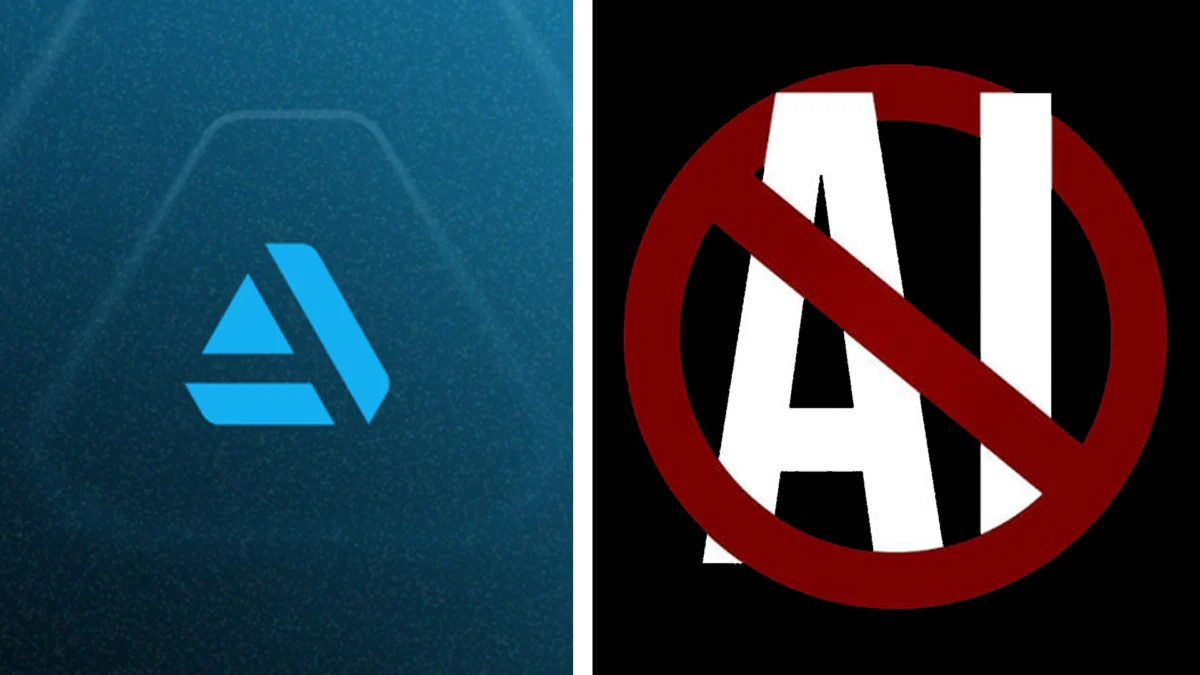
San Francisco, CA – In a significant move that has sent ripples of relief through the digital art community, ArtStation, a cornerstone platform for professional artists, has officially implemented a default "NoAI" setting for all uploaded artwork. This pivotal decision, enacted under the new ownership of KitBash, signals a strong commitment to safeguarding artists’ creations from unauthorized use in AI training and mitigating the overwhelming influx of AI-generated content that has threatened to drown out human creativity.
The platform’s proactive stance addresses long-standing anxieties among artists who feared their work was being exploited without consent. For years, the proliferation of AI-generated imagery on platforms like ArtStation had become a growing concern, impacting discoverability, devaluing human artistry, and raising ethical questions about data scraping. The new policy, effective immediately, marks a decisive shift in how ArtStation approaches the complex relationship between human and artificial intelligence in the creative sphere.
The Shifting Landscape: From Acquisition to Action
The acquisition of ArtStation by KitBash, a company known for its robust 3D asset platforms like KitBash3D and Greyscalegorilla, from Epic Games in the latter half of the previous year, set the stage for this transformative change. While the initial transition generated anticipation, it was the subsequent actions that truly resonated with the platform’s user base. ArtStation’s leadership has explicitly stated that they have been listening to artist feedback, and the message regarding AI was received loud and clear.
The core of the new policy is the activation of the "NoAI" tag by default for all new and existing uploads. This crucial designation signifies that artwork marked as such is explicitly unavailable for training AI models. This opt-in approach, where artists must actively choose to allow their work for AI training rather than having it automatically included, is a significant departure from the practices of many other online platforms and represents a victory for artists advocating for greater control over their intellectual property.
A Chronology of Concern and Change
The issue of AI-generated art on ArtStation has been a simmering concern for years, escalating into vocal protests and widespread user discontent.
- 2022: Artists began to flood ArtStation with "No AI" logos on their work. This was a direct response to AI-generated images starting to dominate the platform’s "Explore" section, which highlights trending and featured artworks. This organic, grassroots movement demonstrated the depth of artist frustration and their desire for platform intervention.
- Late 2023: Epic Games, the then-owner of ArtStation, announced the sale of the platform to KitBash. This news sparked renewed hope among artists, who eagerly awaited the new ownership’s approach to the AI art dilemma.
- September 2026 (as per the article’s timeline): KitBash, operating as ArtStation’s new stewards, officially rolled out the default "NoAI" setting. This announcement was accompanied by a commitment to enhance scraping defenses and develop better tools for content discovery, aiming to prevent AI art from overshadowing human artists’ work.
This timeline highlights a period of growing artist activism followed by a decisive response from the platform’s new management, demonstrating a commitment to addressing artist concerns.
Supporting Data and Artist Sentiment
The urgency behind ArtStation’s policy shift is underscored by the overwhelming sentiment within the creative community. For months leading up to the announcement, social media platforms and art forums were abuzz with discussions about the detrimental effects of AI-generated art. Artists reported instances where their carefully curated portfolios were being buried by the sheer volume of AI-produced images, making it increasingly difficult for them to gain visibility and attract potential clients or employers.
The #CreatedWithAI labels, which were intended to differentiate AI-generated content, proved insufficient. Many artists argued that these labels were easily circumvented or ignored, and that the algorithms still favored the sheer quantity of AI output. The impact was particularly felt by emerging artists and those seeking freelance opportunities, as recruiters and art directors faced challenges in sifting through the noise to find genuine human talent.
"The sheer volume of AI art had been making it harder to find artists and to evaluate portfolios, making ArtStation less useful both for artists and potential recruiters," the article states, echoing sentiments widely expressed by the artistic community. This sentiment is further amplified by the artist’s query on X (formerly Twitter): "Would love to know why you guys are choosing to allow AI content on the platform. Is it for numbers? Subscriptions? Banning AI would solve the Human artist discovery issue and have less logistics on your side. So why?" This question encapsulates the core of the debate: the perceived trade-off between platform growth and artist well-being.
Official Responses: A Commitment to Creators
In response to the widespread artist concerns and the implementation of the new policy, ArtStation has articulated its position through official channels, including their blog and social media.
ArtStation’s announcement via X (formerly Twitter) clearly outlines their immediate actions: "We’ve been listening to your feedback, and we’re taking immediate steps to safeguard your work. Starting today: – NoAI is ON by default for all new & existing uploads – We’re building on our Cloudflare relationship to block scraping bots." This direct communication reassures artists that their voices have been heard and acted upon.
Furthermore, the platform acknowledged the complexity of the situation in an official blog post: "AI-assisted workflows are varied, so one simple rule won’t solve discovery. But complexity cannot become an excuse for inaction," they stated. This admission highlights a nuanced understanding of the evolving creative landscape while reiterating their commitment to proactive measures. They also emphasized their ongoing development of tools for "better discovery controls," signifying that the current changes are just the beginning of a broader strategy to empower creators.
The ArtStation blog post further elaborates on their strategy: "We don’t have every answer yet. We want to get this right, and we want the community involved as we work through it." This inclusive approach suggests a collaborative effort to navigate the uncharted territory of AI in art creation, fostering a sense of partnership between the platform and its users.
Implications and the Road Ahead
The implications of ArtStation’s default "NoAI" policy are far-reaching and could set a precedent for other online creative communities.
For Artists: This move represents a significant victory, offering a tangible measure of protection for their work. The default "NoAI" setting empowers artists to control how their creations are used, reducing the risk of unauthorized AI training and improving their chances of being discovered among genuine human artists. It signals a renewed focus on fostering a healthy ecosystem for professional creatives.
For the AI Industry: While not a complete ban, the "NoAI" default presents a challenge for AI companies seeking to train their models on vast datasets of human artwork. It necessitates a greater emphasis on ethical data sourcing and potentially the development of AI models that can be trained on opt-in or specifically licensed datasets.
For Platform Governance: ArtStation’s decision highlights the growing responsibility of online platforms to actively manage the content they host and the impact it has on their user communities. The ongoing battle against scraping bots, in collaboration with Cloudflare, demonstrates a commitment to technological solutions in safeguarding intellectual property.
The Future of Discovery: The platform’s acknowledgment that existing filtering tools are insufficient is a crucial step. The development of more sophisticated discovery tools is essential to ensure that human-created art can shine. This could involve enhanced search functionalities, curated collections, and potentially even AI-powered tools that help identify and promote human artistry.
However, the question of why ArtStation has not opted for a complete ban on AI art remains a point of contention for some artists. This suggests that the platform may be seeking a middle ground, aiming to integrate AI-assisted workflows responsibly rather than outright prohibiting them. The "KitBash family" may be looking to foster an environment where AI tools can augment, rather than replace, human creativity, while ensuring that human artists remain at the forefront.
ArtStation’s proactive stance, driven by artist feedback and a commitment to creator well-being, marks a pivotal moment in the ongoing discourse surrounding AI and art. The journey ahead will undoubtedly involve continued adaptation and innovation, but with this significant policy shift, ArtStation has clearly positioned itself as a champion for human creativity in an increasingly automated world.