Adobe Revolutionizes Creative Workflow with New AI-Powered Photoshop Features, Ushering in an Era of "Conversational Editing"
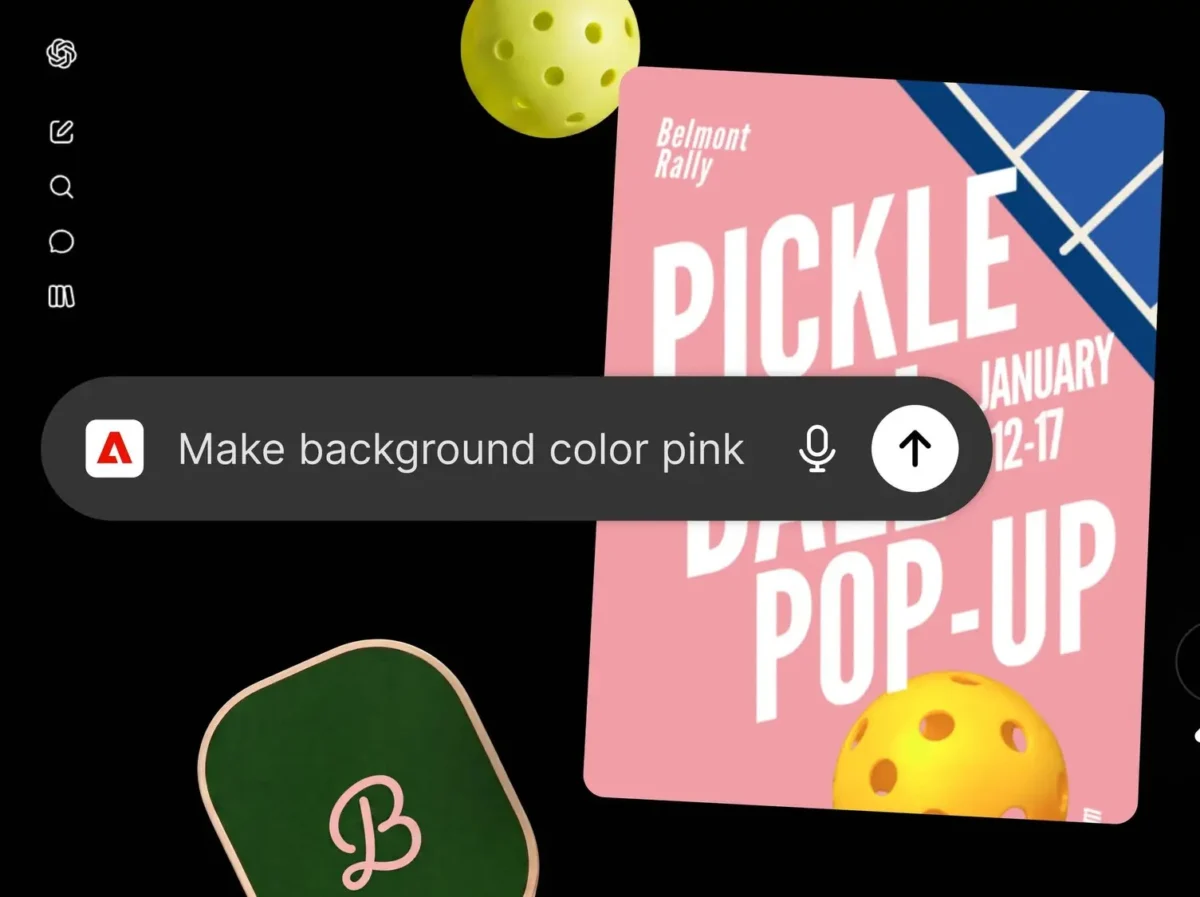
San Francisco, CA – [Date of Publication] – Adobe, a titan in the creative software industry, has once again pushed the boundaries of digital artistry with the announcement of a suite of groundbreaking AI-powered features for its flagship design program, Photoshop. This latest evolution marks a significant leap towards a more intuitive and accessible creative process, most notably introducing a dedicated "AI-Assisted Editor" that harnesses the power of natural language prompts to manipulate images. This move signals Adobe’s definitive embrace of "conversational editing," a paradigm shift that promises to democratize complex design tasks and accelerate creative workflows for both seasoned professionals and aspiring artists alike.
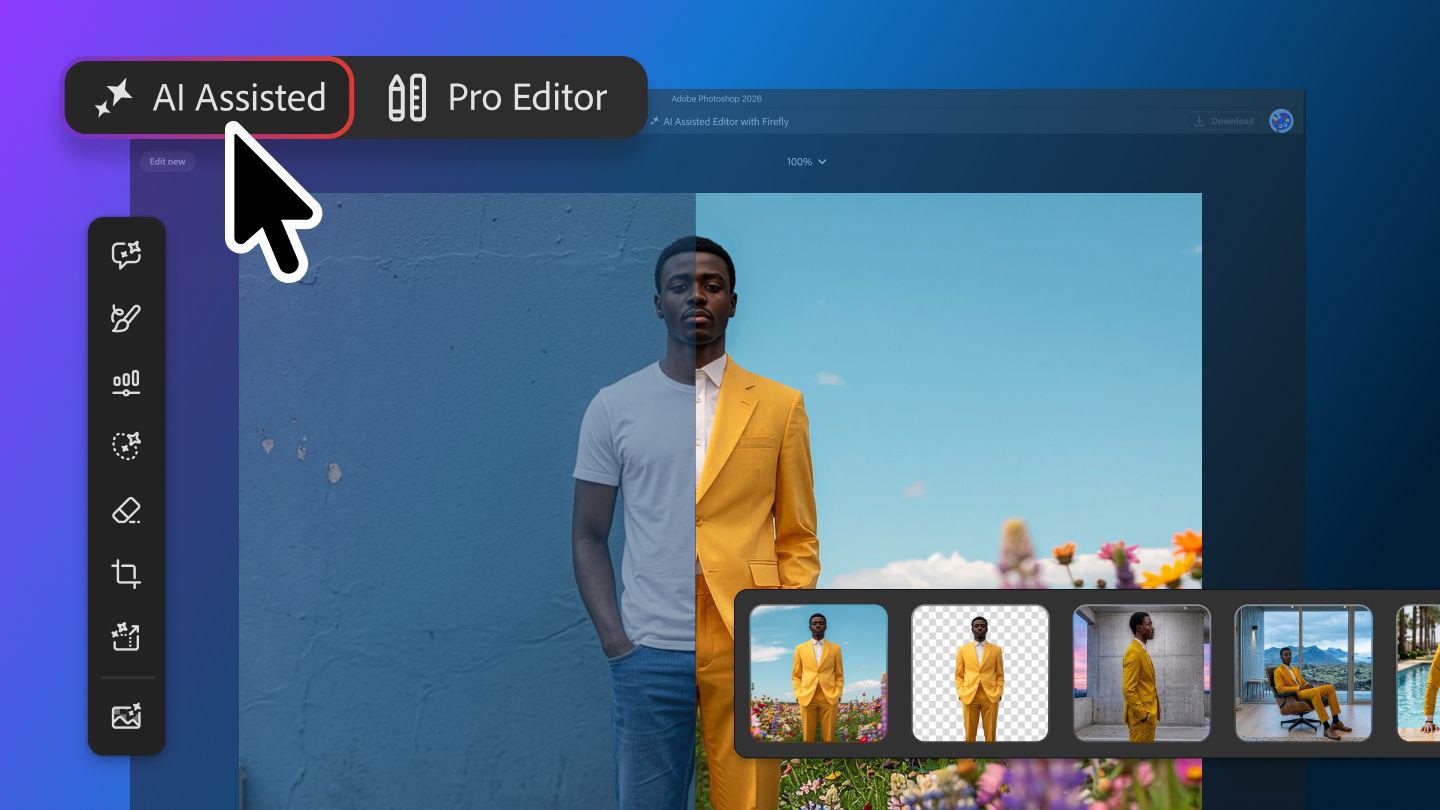
The newly unveiled features, currently available in beta, extend beyond the novel AI-Assisted Editor. Photoshop users can now benefit from enhanced light adjustment tools, offering more nuanced control over illumination within their projects. Furthermore, the precision of AI-driven masking has been significantly refined, allowing for more accurate and intricate selections with greater ease. However, it is the introduction of the AI-Assisted Editor that has generated the most excitement and anticipation within the design community. This dedicated workspace is designed to streamline prompt-based editing, integrating a natural language prompt bar directly alongside a suite of powerful generative AI tools. These tools are underpinned by a variety of sophisticated AI models, promising a dynamic and responsive editing experience.
The integration of these AI capabilities is not merely an addition; it represents a fundamental reimagining of how users interact with Photoshop. Adobe’s strategic pivot towards conversational editing, as exemplified by this new editor, signifies a commitment to making advanced creative tools more approachable. This follows a trajectory already established with the introduction of AI assistants in other Adobe products, including Photoshop itself and Adobe Express, further solidifying the company’s vision for an AI-augmented creative future.
The Dawn of Conversational Editing: A New Paradigm for Photoshop
The cornerstone of Adobe’s latest announcement is the AI-Assisted Editor, a distinct workspace designed to facilitate editing through natural language commands. This innovative feature allows users to describe their desired image modifications in plain English, with the AI interpreting these prompts to execute complex edits. For instance, a user could simply type "make the sky a vibrant sunset orange" or "remove the distracting background elements," and Photoshop’s AI would endeavor to fulfill the request with remarkable accuracy.
This prompt-based editing capability is powered by a sophisticated interplay of various AI models, which Adobe has been diligently developing and integrating into its ecosystem. The AI-Assisted Editor isn’t an isolated feature; it’s designed to work in concert with Photoshop’s existing, and highly lauded, AI tools. This includes established functionalities such as "Remove Background," "Generative Expand," "Generative Fill," and "Generative Upscale." The synergistic integration of these tools within the new editor aims to provide a comprehensive and powerful platform for rapid image manipulation and content creation.
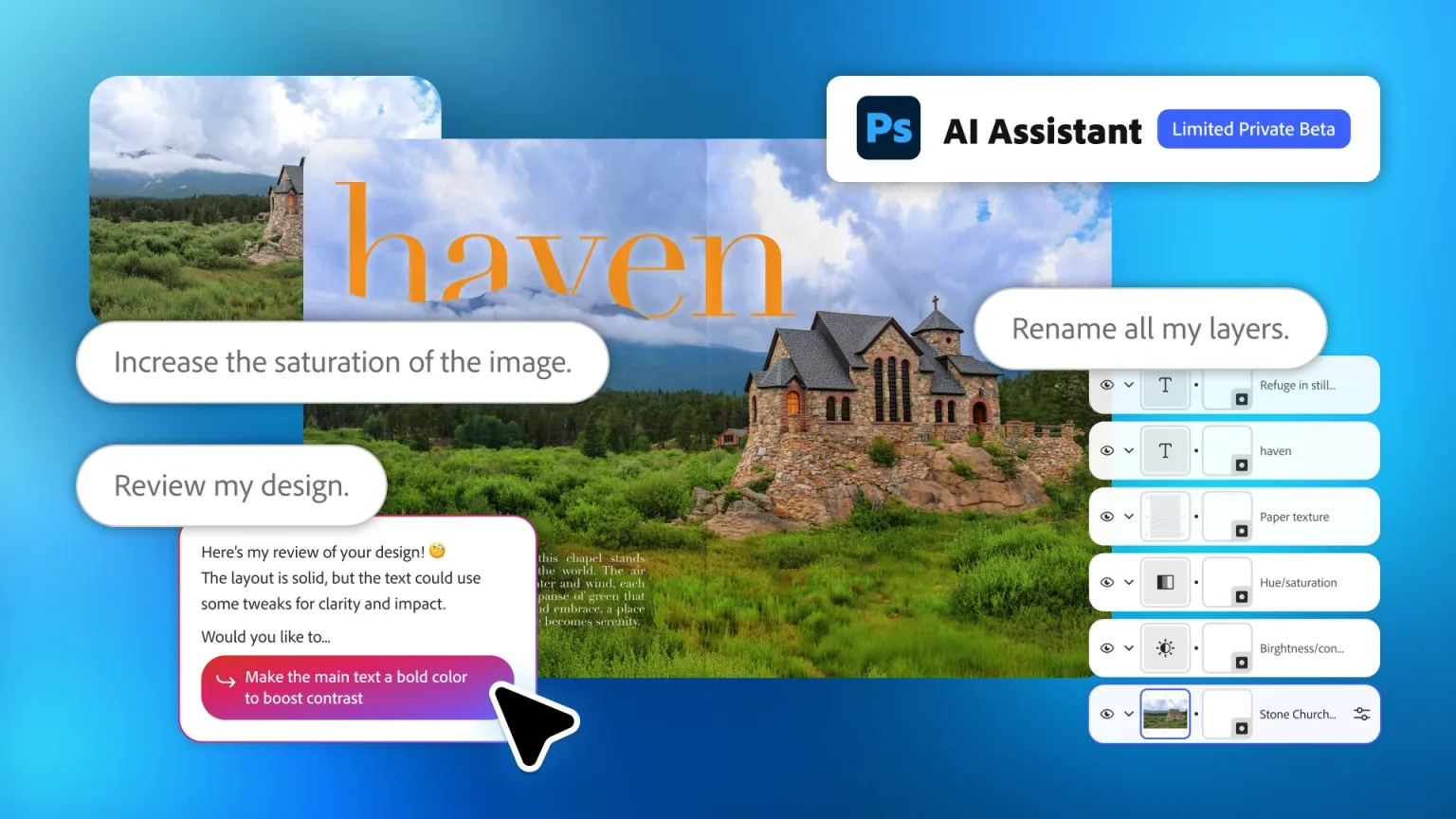
Adobe’s commitment to this conversational approach is evident in their messaging. The company emphasizes that these AI tools are designed to augment, rather than replace, human creativity. The AI-Assisted Editor is presented as an optional workspace, meaning that users who prefer traditional editing methods can continue to utilize Photoshop’s existing interface. Furthermore, the "Prompt to Edit" functionality is not confined solely to the new editor. Adobe has thoughtfully integrated this natural language editing capability into the Pro Editor’s Contextual Task Bar. This means that users can leverage the power of prompts directly within their familiar workflow, enabling them to transform entire images with simple commands without the need for manual selections, thereby enhancing efficiency and flexibility.
A Phased Integration: The Evolution of AI in Adobe’s Creative Suite
Adobe’s journey into AI-powered creative tools has been a strategic and progressive one. The recent unveiling of the AI-Assisted Editor in Photoshop is not an abrupt departure but rather a culmination of years of research, development, and iterative integration. The company has consistently demonstrated its commitment to leveraging artificial intelligence to enhance user experience and unlock new creative possibilities.
Early Innovations and Foundational Steps:
Adobe’s initial forays into AI were often subtle, woven into existing features to improve their performance and user-friendliness. Tools like Content-Aware Fill, which intelligently reconstructs image areas, were early indicators of Adobe’s interest in utilizing intelligent algorithms to automate complex tasks. These foundational innovations laid the groundwork for more sophisticated AI applications to come.
The Rise of Adobe Sensei:
A significant milestone was the formal introduction of Adobe Sensei, the company’s AI and machine learning framework. Sensei has become the engine powering many of Adobe’s intelligent features across its Creative Cloud suite. It enables capabilities such as intelligent image analysis, automated object recognition, and predictive editing. This framework has been instrumental in refining tools like the selection tools in Photoshop, facial recognition in Lightroom, and content-aware features in Premiere Pro.
Expanding AI Capabilities in Photoshop:
Over the past few years, Photoshop has seen a steady influx of AI-driven enhancements. Features like "Select Subject" and "Object Selection Tool" leverage Sensei to make complex selections with a single click, dramatically reducing the time and effort required for intricate masking. "Sky Replacement" offers a seamless way to alter the sky in an image, while "Neural Filters" have introduced a range of powerful, AI-powered image manipulation tools, including skin smoothing, style transfer, and colorization of black and white photos.
The Generative AI Revolution:
The advent of powerful generative AI models has presented Adobe with new opportunities to redefine creative workflows. The introduction of "Generative Fill" and "Generative Expand" in Photoshop was a watershed moment. These features, powered by Adobe Firefly, allow users to add, remove, or extend image content based on text prompts. This marked a significant shift from AI assisting in existing tasks to AI actively generating new creative elements. The subsequent release of "Generative Upscale" further demonstrated the company’s commitment to leveraging AI for image enhancement and resolution improvement.
The AI-Assisted Editor: The Next Frontier:
The AI-Assisted Editor represents the most significant integration of prompt-based AI editing into Photoshop to date. By offering a dedicated interface and a more streamlined interaction model, Adobe is not only making generative AI more accessible but also paving the way for a more collaborative and intuitive creative process. The inclusion of "Prompt to Edit" within the traditional editor further underscores Adobe’s strategy of offering choice and flexibility, allowing users to adopt AI capabilities at their own pace and according to their preferred workflows. This phased approach ensures that while Adobe is at the forefront of AI innovation, it remains committed to serving the diverse needs of its user base.
Supporting Data: The Impact of AI on Creative Workflows
The integration of Artificial Intelligence into creative software is not merely a technological advancement; it is a paradigm shift with quantifiable impacts on workflow efficiency, accessibility, and creative output. While specific benchmark data for the newly released Photoshop AI-Assisted Editor is still emerging, industry trends and the performance of existing AI features provide a strong indication of its potential.
Time Savings and Efficiency Gains:
Numerous studies and user testimonials highlight the significant time savings afforded by AI-powered tools. For instance, features like "Select Subject" and "Object Selection Tool" in Photoshop have been reported to reduce the time spent on complex selections by as much as 80-90%. Tasks that previously required intricate manual masking and multiple steps can now be accomplished in seconds. Generative AI tools like "Generative Fill" and "Generative Expand" similarly accelerate content creation, allowing designers to rapidly prototype ideas, fill in backgrounds, or extend compositions without the need for extensive manual asset creation or manipulation.
- Example: A study by Adobe indicated that users reported an average of 2-3 hours saved per week when utilizing AI features in Photoshop for common tasks.
- Generative AI Impact: Beta testing of Generative Fill showed that users could complete tasks that would typically take hours of manual work in mere minutes.
Democratization of Creative Skills:
AI-powered editing tools are lowering the barrier to entry for individuals who may not possess extensive technical expertise in traditional design software. The ability to achieve sophisticated results through natural language prompts or one-click AI selections empowers a broader range of users to engage in creative endeavors. This democratization is crucial for small businesses, independent creators, and educators who may have limited resources or training.
- Accessibility Metrics: While not always directly measured, the qualitative feedback from new users and those with less technical background consistently points to AI features as being instrumental in their ability to create professional-looking content.
- Educational Impact: The integration of AI tools is also influencing design education, with a growing emphasis on how to effectively prompt and guide AI for creative outcomes.
Enhanced Creative Exploration and Iteration:
Generative AI, in particular, fosters a culture of rapid iteration and experimentation. Designers can quickly explore multiple variations of an idea by simply modifying text prompts, leading to more innovative and unexpected creative outcomes. This ability to "fail fast and learn faster" is invaluable in the ideation and concept development phases of any creative project.
- Prompt Iteration Data: Anecdotal evidence suggests that users can generate dozens of variations for a single concept within a short period, dramatically increasing the breadth of creative exploration.
- New Creative Possibilities: The AI-Assisted Editor’s ability to generate novel elements and seamlessly integrate them into existing images opens up entirely new avenues for artistic expression and visual storytelling.
The Future of Creative Metrics:
As AI becomes more deeply embedded in creative workflows, new metrics for success will emerge. Beyond traditional measures of time saved and output volume, we will likely see a greater emphasis on the quality of creative exploration, the novelty of generated content, and the efficiency of collaborative AI-human creative partnerships. Adobe’s continued investment in AI research and development, coupled with the rollout of features like the AI-Assisted Editor, underscores their commitment to shaping this future and providing users with the most powerful and intuitive creative tools available.
Official Responses: Adobe’s Vision for an AI-Augmented Creative Future
Adobe’s approach to integrating Artificial Intelligence into its creative suite has been met with a mixture of enthusiasm and apprehension. While the potential benefits are widely acknowledged, concerns regarding job displacement and the ethical implications of AI-generated content persist. Adobe’s leadership has consistently articulated a vision that emphasizes AI as a tool for augmentation and empowerment, rather than a replacement for human creativity.
Scott Belsky, Chief Strategy Officer and Executive Vice President, Creative & Design at Adobe:
Scott Belsky has been a prominent voice in articulating Adobe’s AI strategy. He has repeatedly stressed that the company views AI as a means to unlock human potential, not to supplant it. "Our goal with AI is to augment creativity, not automate it," Belsky has stated in various forums. He emphasizes that AI tools are designed to handle the tedious and repetitive tasks, freeing up designers to focus on higher-level conceptualization, artistic direction, and storytelling. Belsky also highlights the democratizing aspect of AI, enabling more people to bring their creative visions to life, regardless of their technical proficiency. He views conversational editing as a natural evolution, making complex software more accessible and intuitive.
Dana Rao, Executive Vice President and General Counsel, Adobe:
In discussions surrounding the ethical implications of AI, Dana Rao has addressed Adobe’s commitment to responsible AI development. He has emphasized that Adobe is building AI technologies that are designed to be safe, ethical, and trustworthy. This includes initiatives like the Content Authenticity Initiative (CAI), which aims to provide provenance for digital content, helping to distinguish between AI-generated and human-created imagery. Rao has also highlighted Adobe’s focus on ensuring that the AI models used in their products are trained on ethically sourced data and that the generated content respects intellectual property rights.
Key Themes from Official Statements:
- Empowerment and Augmentation: Adobe consistently frames its AI initiatives as tools that empower creators, enhance their abilities, and automate mundane tasks, allowing them to focus on the creative aspects of their work.
- Democratization of Creativity: The company aims to make sophisticated creative tools accessible to a wider audience, lowering the barrier to entry for aspiring artists and small businesses.
- Responsible AI Development: Adobe is committed to ethical AI practices, including transparency, data privacy, and the development of tools to ensure content authenticity.
- User Choice and Flexibility: Adobe stresses that AI features are optional and designed to integrate seamlessly into existing workflows, respecting user preferences and existing skill sets.
- The Future of Creative Workflows: The company envisions a future where humans and AI collaborate seamlessly, leading to faster iteration, greater innovation, and more impactful creative outcomes.
Adobe’s public statements reflect a strategic and considered approach to AI integration. By emphasizing user empowerment, ethical considerations, and the augmentation of human creativity, the company aims to navigate the complexities of this transformative technology and solidify its position as a leader in the evolving landscape of digital design.
Implications: Reshaping the Creative Landscape and the Future of Work
The introduction of Adobe’s advanced AI-powered features, particularly the AI-Assisted Editor, carries profound implications for the creative industry, the nature of design work, and the broader landscape of digital content creation. This technological leap is poised to reshape workflows, redefine skill sets, and spark a critical re-evaluation of the human-AI collaboration in creative pursuits.
1. Accelerated Workflow and Increased Productivity:
The most immediate implication is a significant acceleration of creative workflows. Tasks that once demanded hours of manual effort can now be accomplished in minutes, if not seconds, through natural language prompts or AI-driven automation. This increased efficiency will allow designers to take on more projects, explore more creative directions, and deliver results faster. For businesses, this translates to quicker turnaround times for marketing materials, product designs, and other visual assets.
2. Democratization of Design and Skill Evolution:
As discussed, these AI tools significantly lower the barrier to entry for design. Individuals without extensive formal training can now produce professional-quality visuals. This democratization will empower a new generation of creators and small businesses. However, it also signifies an evolution in the required skill set for creative professionals. The emphasis will likely shift from mastering complex tool manipulation to developing strong conceptual thinking, effective prompt engineering, and the ability to critically evaluate and refine AI-generated outputs. The role of the designer may evolve into that of a "creative director" or "AI curator," guiding and shaping the AI’s output.
3. Rise of Prompt Engineering as a Core Creative Skill:
The ability to communicate effectively with AI through natural language prompts will become a crucial skill. "Prompt engineering" – the art and science of crafting precise and effective prompts to elicit desired results from AI models – will gain prominence. Designers will need to develop a nuanced understanding of how to articulate their creative vision in a way that the AI can interpret and execute optimally. This includes understanding the nuances of language, context, and the specific capabilities of different AI models.
4. Ethical Considerations and the Future of Authenticity:
The proliferation of AI-generated content raises significant ethical questions regarding authenticity, copyright, and the potential for misuse. As AI becomes more sophisticated, distinguishing between human-created and AI-generated content will become increasingly challenging. Initiatives like Adobe’s Content Authenticity Initiative (CAI) are crucial in establishing provenance and fostering trust in digital media. Debates around the ethical sourcing of training data, potential biases in AI outputs, and the impact on creative professions will continue to be at the forefront of industry discussions.
5. Redefining Creative Roles and the Human-AI Partnership:
The notion of the solo artist meticulously crafting every pixel may evolve into a more collaborative model. Designers will likely work in tandem with AI, leveraging its capabilities for rapid ideation, execution, and refinement. This partnership can lead to more innovative and complex creative outcomes than either human or AI could achieve alone. However, it also necessitates a re-evaluation of traditional creative roles and the potential for job displacement in certain areas. The focus will shift towards higher-level creative thinking, strategic decision-making, and the ability to effectively manage and direct AI tools.
6. Impact on Content Creation and Consumption:
The ease with which content can now be generated will likely lead to an explosion of visual media. This could saturate the digital landscape, making it more challenging for high-quality, thoughtfully crafted content to stand out. Consumers may also become more discerning, seeking out content that demonstrates genuine human artistry and unique perspectives, or content that has clear provenance and authenticity.
In conclusion, Adobe’s latest advancements in AI-powered design tools are not merely incremental updates; they represent a fundamental shift in how digital content will be created. The AI-Assisted Editor and the broader embrace of conversational editing signal a future where creativity is more accessible, workflows are more efficient, and the collaboration between humans and artificial intelligence is at the core of the creative process. Navigating these implications will require adaptability, a commitment to ethical practices, and a continuous evolution of creative skills and methodologies.